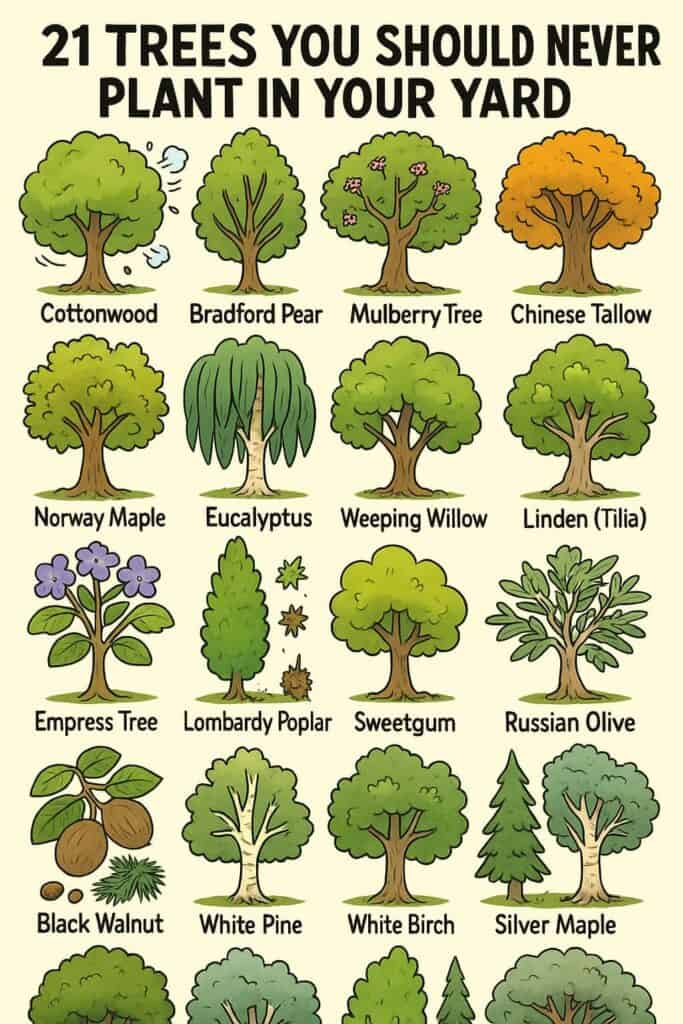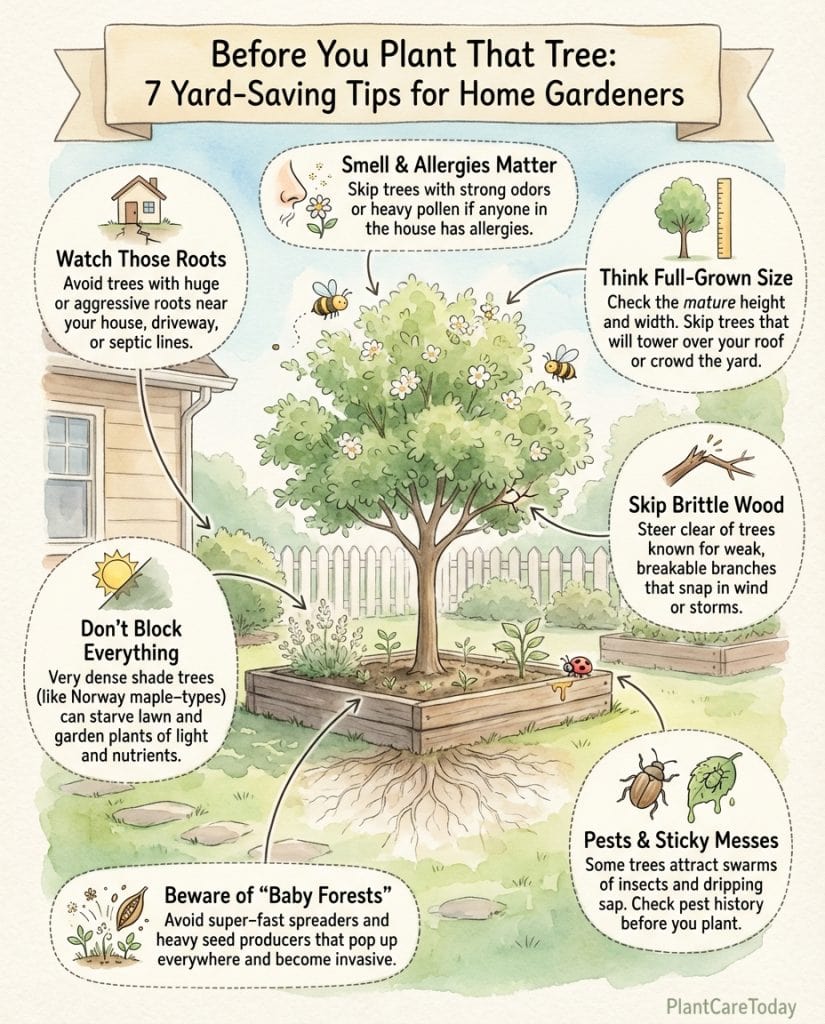
If you are passionate about gardening, planting trees is bound to come up. Certainly, know that some trees and shrubs are better than others.
There are several important factors to consider before planting them in your yard.
Curb appeal is certainly very important for every home. Choosing the right trees to plant in your yard is not difficult; it takes some time and research.
Unfortunately, many homeowners consider only a tree’s ability to provide shade and coolness during the hot summer months. However, there are other essential aspects to consider.
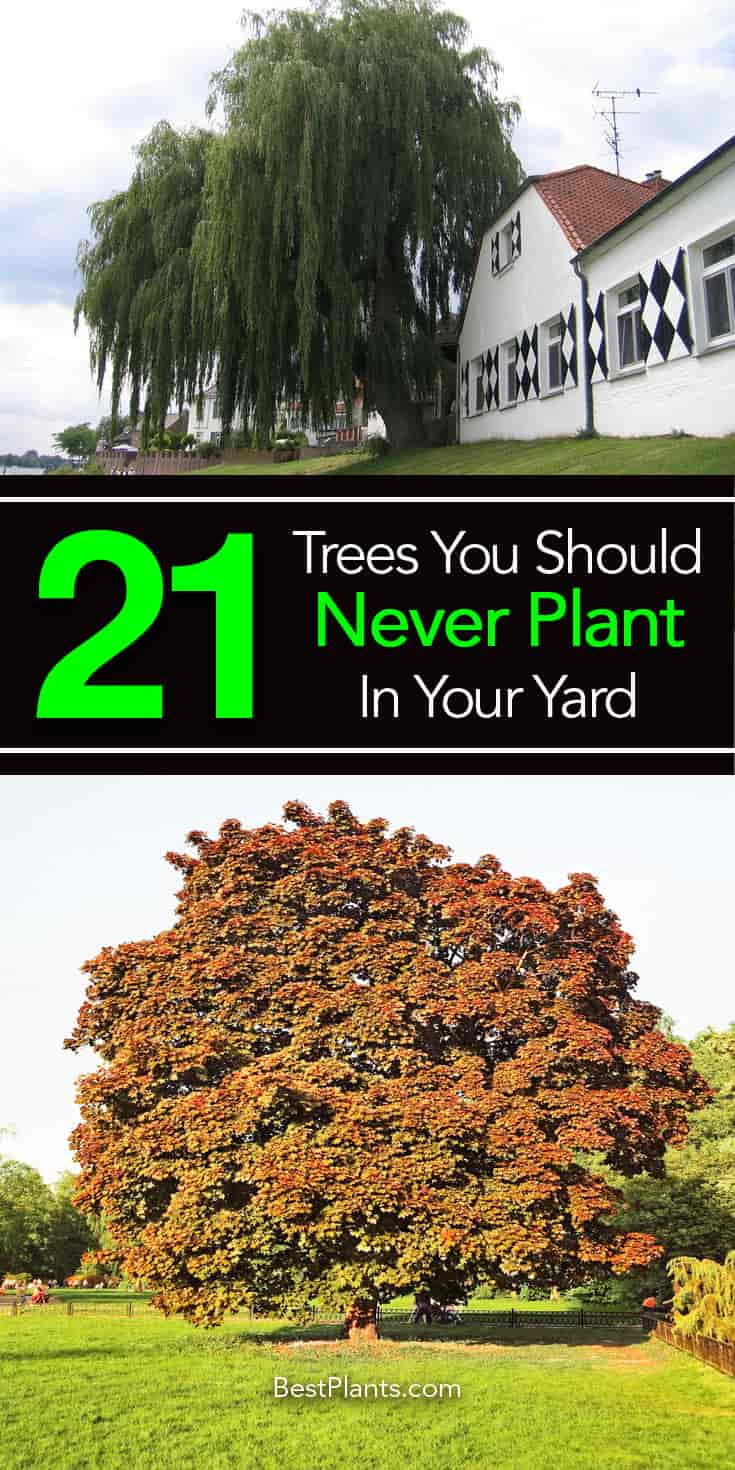
Some backyard trees have deep, strong roots that can gradually damage your house’s foundation. Others can grow rapidly and pose a serious risk at some point in the future.
Others have weak wood or are prone to disease and pest infestations. Having said that, below you will find 21 of the worst trees to plant. Trees are known for their rather undesirable qualities, and why you should steer clear of them.
Cottonwood

One tree you should avoid in your backyard is the cottonwood.
Many homeowners prefer cottonwood to other plants for its aesthetic appeal and low maintenance. However, the cottonwood has a very shallow and soft root system. Its wood is prone to rotting, making it very unstable during severe storms.
However, the cottonwood tree’s problems begin with a very shallow, soft root system. Its wood is prone to rotting, making it very unstable during severe storms.
Aside from the tree’s inherent brittleness, insects and diseases can damage it, further exposing it to the elements.
The last thing you want or need to experience is a cottonwood tree falling on or over your roof, garage, or car, after last night’s storm!
Bradford Pear

Many homeowners and professional gardeners regard the Bradford pear tree as somewhat exotic, and for good reason, given that it was imported little over a century ago.
The Bradford pear quickly became very popular in the United States. It is very durable and requires little to no long-term maintenance.
The tree was particularly popular in the 1960s, but it was primarily planted in urban settings rather than residential developments.
The reason why you should never plant the Bradford Pear tree in your backyard is that the characteristic pyramidal shape of the tree makes it very fragile.
Its branches tend to break during storms or strong winds – just like the cottonwood.
Even though you might be tempted to think that regular pruning may address the problem… it does not.
In addition to its branches, the tree is known for producing white flowers with a very pungent odor. Fortunately, there are many alternatives to this tree!
Mimosa Tree
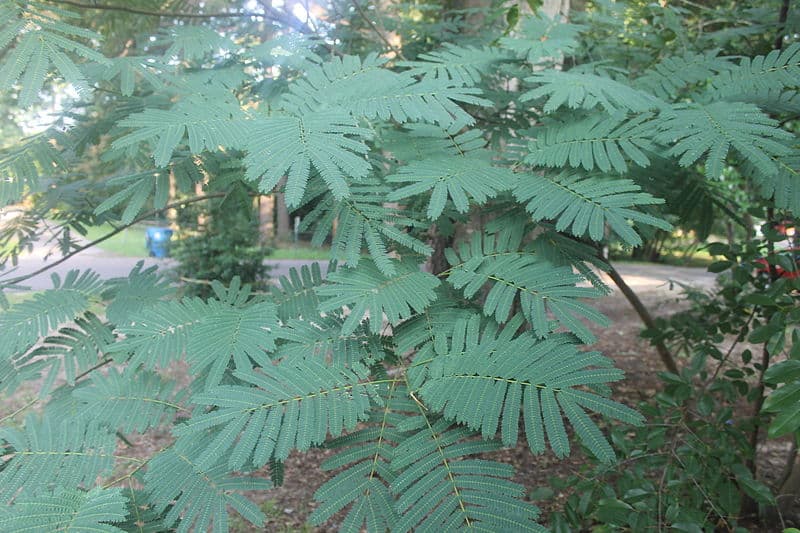
Like the cottonwood, the mimosa tree is also known for its extremely frail wood, which does not make it a particularly reliable tree.
This tree is known to attract webworms. In addition to being a soft, branch-prone plant, the mimosa produces large seeds that germinate quickly.
In other words, you will be left with a whole “plantation” of mimosa trees before you even know it, if you are not careful enough!
Mulberry Tree
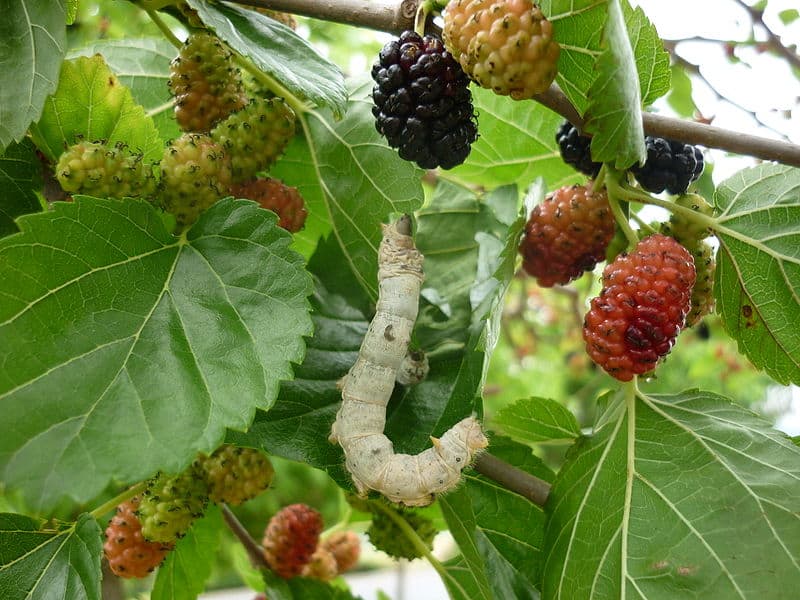
While some trees are known for their soft woods and weak root systems, the Mulberry tree is radically different.
However, the reason to avoid planting this in your backyard is that it produces high levels of pollen. In turn, this attracts numerous insects, including silkworms.
The Mulberry tree is one of the best choices if you want some extra shade during the summer, but at the same time, think about all the insects that will be roaming freely around your house!
Chinese Tallow

Commonly known as the Popcorn tree, given the appearance of its flowers. The Chinese Tallow stands out for its broad leaves, which provide good shade and turn bright colors in autumn.
However, the Chinese Tallow ranks as one of the most invasive species of trees you can plant in your backyard.
Given the fact that it can reach up to 30 feet in width and 40 feet in height… think about how massive the roots of this tree will grow, in a couple of decades!
Norway Maple

As the name suggests, the Norway Maple is not indigenous to the United States, but it is one of the most versatile maple varieties, adapting fairly easily.
It is known to provide strong shade but also suppresses other plants and shrubs that try to thrive around it.
Not only does the dense shade prevent other plants from getting the sunlight they so much need, but the fibrous roots of the Norway Maple are quite “greedy”, as they absorb all the nutrients from the soil before any other plant gets the chance to.
Eucalyptus
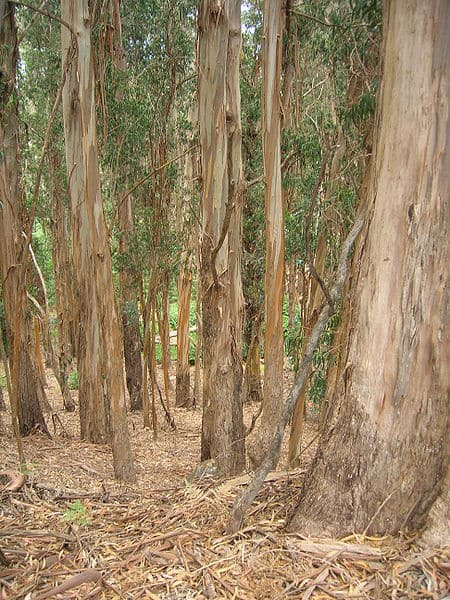
Eucalyptus extract is used in a variety of ointments and treatments nowadays, and the strong scent of this tree appeals to most people.
However, if you have decided to plant it anywhere near your home, you might want to reconsider.
The Eucalyptus tree is among the fastest-growing plants in the world. Additionally, it requires significant maintenance.
Quaking Aspen
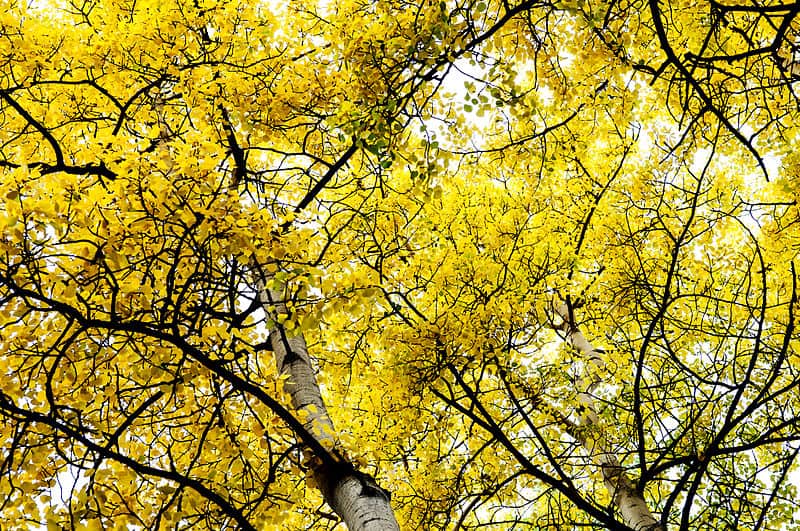
The quaking aspen is one of the most durable and versatile tree species you can choose. As with many trees, you could plant… the problem is with the tree’s root system.
This tree can turn out to be very “thirsty” for nutrients – so thirsty that it can end up weighing tons! Imagine having to care for that kind of tree in your backyard.
Weeping Willow

Also known as the Golden Weeping Willow, this tree is distinguished by long, slender branches that give it a weeping appearance (hence the name).
As beautiful and appealing as the Weeping Willow might be at first sight, its willow tree roots are ready to suck out all the water from the soil.
This is particularly dangerous if you plan to grow anything other than willow nearby.
Besides, you should know that the average height of the weeping willow typically ranges between 75 and as much as 100 feet.
Linden (Tillia)

A tall-growing deciduous tree reaching a height of about 60 feet.
Attracts aphids; the tree’s secreted sap gets all over cars and the driveway, creating a sticky mess.
Empress Tree
As majestic as this tree may sound, the Empress Tree (also known as the Royal Empress Tree) is a native of China and stands out from other trees for its fragrant flowers.
Although this tree grows to a reasonable height and rarely exceeds 30 feet tall, it is rather weak, and it does not cope very well with storms.
Think twice before planting it, especially if you live in an area with an unpredictable climate.
Lombardy Poplar
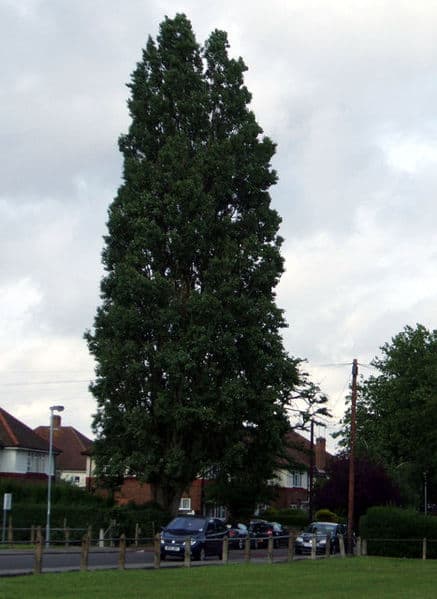
Once popular and a favorite tree to plant due to its distinctive columnar shape and rapid growth. It has fallen out of favor.
They have lots of bugs and diseases that make them look ugly, and their root systems are difficult to control and eradicate.
Sweetgum

As sweet as it may sound, the sweetgum tree has ridiculously large surface roots.
The root system that can – and will – take its toll not only on your home’s foundation but also on your lawn, pool, patio, and any other structure nearby.
Besides, it produces some awkward fruits that are quite difficult to remove from the ground.
Ginkgo Biloba – Female Tree

The Ginkgo Biloba tree has been used for thousands of years in traditional Chinese medicine. It is known for its therapeutic properties; however, this does not mean that you should start planting it in your backyard.
As a matter of fact, these trees can grow to as much as 80 feet in height, and the problem is with the Ginkgo Biloba fruit.
They tend to be very messy trees once they fall on the ground, driveway, or patio.
Nonetheless, it must be mentioned that this only seems to happen with the female Ginkgo Biloba tree – the male tree is fine and can be grown in your backyard, if you wish to.
Russian Olive

The Russian Olive certainly has a very distinctive look, and it also ranks as one of the most invasive species you can possibly find.
It crowds out surrounding plants, depriving them of water and nutrients.
Black Walnut
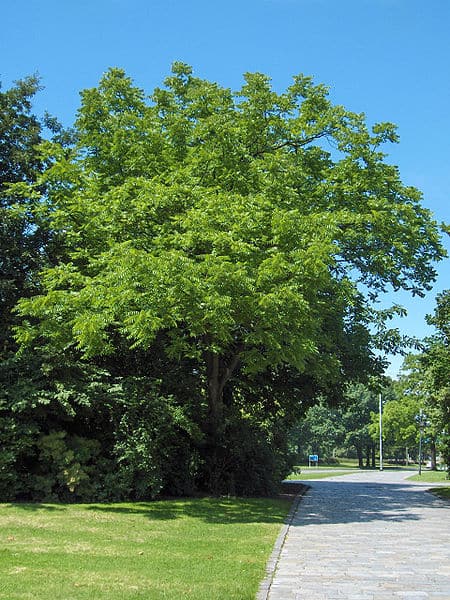
The Black Walnut is yet another tree that you should never plant in your backyard. Mainly because it produces toxic compounds that kill nearby vegetable, flower, or landscaping plants.
Besides, just like it happens with the female Ginkgo Biloba tree, the Black Walnut tree’s fruits are also very difficult to clean once they hit the ground.
White Pine
Although the white pine does not reach staggering heights like other trees, it is highly sensitive and requires significant long-term maintenance.
It is not a great choice for cold climates, as it can quickly sustain damage from winter burn or ice.
Besides, the white pine is also known to attract all sorts of pests, ranging all the way from the sapsuckers to bagworms, you should ask yourself whether this tree is truly worth the effort!
White Birch
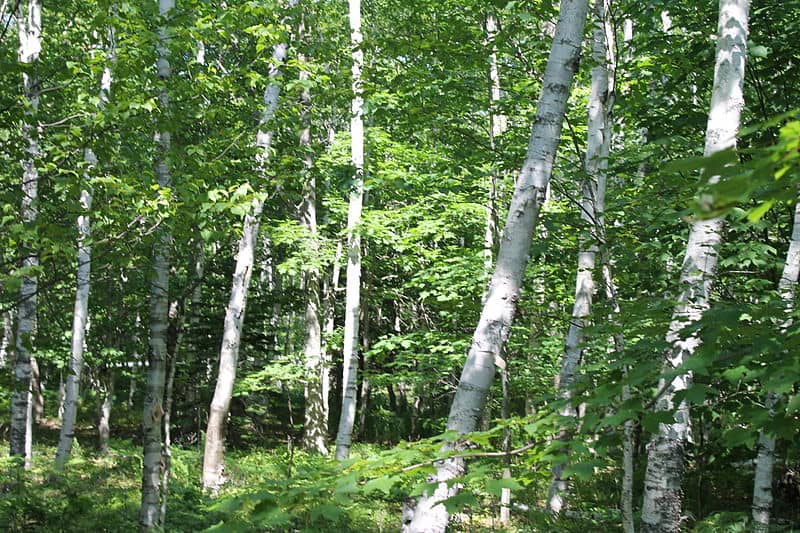
There are numerous different types of birch you can opt for, and they certainly add a great luxurious touch to your backyard.
The problem with white birch is that it cannot thrive in hot, dry climates and is also susceptible to the notorious tree killer known as the bronze birch borer.
Moreover, the white birch tree roots are another of the trees with shallow roots, making it rather unstable and dangerous to grow anywhere near your home.
Ash

The ash tree is known as one of the sturdiest and most durable trees. The problem is… often when it comes under attack, the emerald ash borer is the ash tree’s biggest enemy, as this small beetle can easily destroy it.
Leyland Cypress

The Leyland Cypress is a distinctive tree that grows quickly and requires minimal maintenance. It is safe to say the Leyland Cypress is fairly hassle-free.
Nonetheless, cypress tree roots are often uprooted during severe storms and winds, even when they are decades old, making them hazardous to plant near houses.
Silver Maple

The Silver Maple is undoubtedly one of the most beautiful and majestic trees. Not only does it provide excellent shade in winter, but it is also very easy to trim and prune.
Once again, the problem is this tree’s brittle, weak wood. In spite of its strong root system (which can often crack walkways or driveways).
Silver maple is one of the most popular tree species, planted across the United States, primarily in urban areas.
Inexpensive, easy to establish, and low-maintenance, the Silver Maple has quickly become one of homeowners’ favorites.
But you must know that this tree’s roots have become its worst enemy. The largest Silver Maple in the United States of America measures more than 110 feet tall, and it has a circumference of over 340 inches.
Do you really want one of these around your house?
Honey Locust
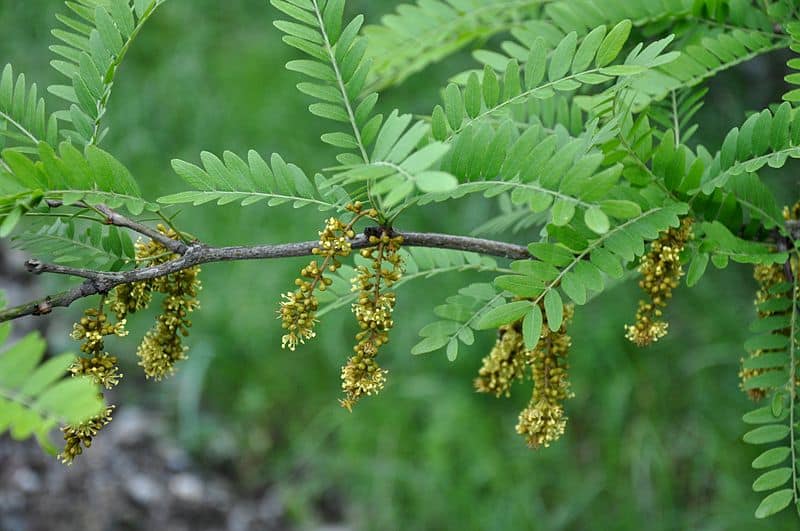
Last, but not least, another tree that you should really stay away from is the Honey Locust.
This deciduous tree, with an average height of about 70 feet, has a distinctive leaf structure.
The biggest problem with this tree is that it is often attacked by the honeylocust bugs in late spring.

Images: commons.wikimedia.org