For slimy creatures, snails and slugs are actually kind of cute!
However, using a natural snail repellent is smart to control these pests before they start eating your spinach leaves or attacking your pepper plants and quickly become unwanted guests.
Land snails often leave behind slime trails. On the other hand, slugs leave silvery slime on chewed leaves on the ground.
You will also notice holes in large leaves and on the foliage of seedlings, with leaves completely consumed.
Although these garden pests appear small, snails and slugs eat large amounts of leaves. And it poses a risk to your beloved plants.
So before they eat most of the leaves of your plants or wreak havoc on your entire vegetable garden, think fast and find a way to kill slugs and snails.
We all know driving them away with chemicals may seem harsh. Not only to these pests, but also to your plants and animals that may come into contact with the area.
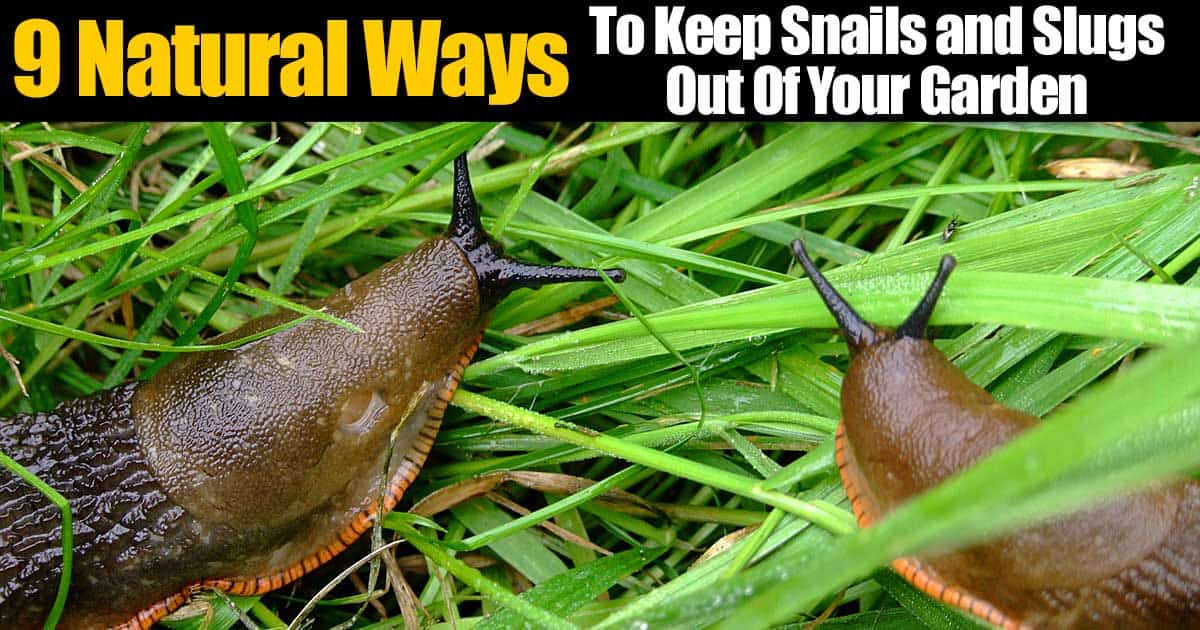
With this, you need to consider how to naturally eliminate snails and slugs.
At first, you may think that organic slug control spells trouble and extreme difficulty. Worry not, as we have developed an easy slug and snail control.
You don’t need to become an expert in pest control to ensure the safety of your plants.
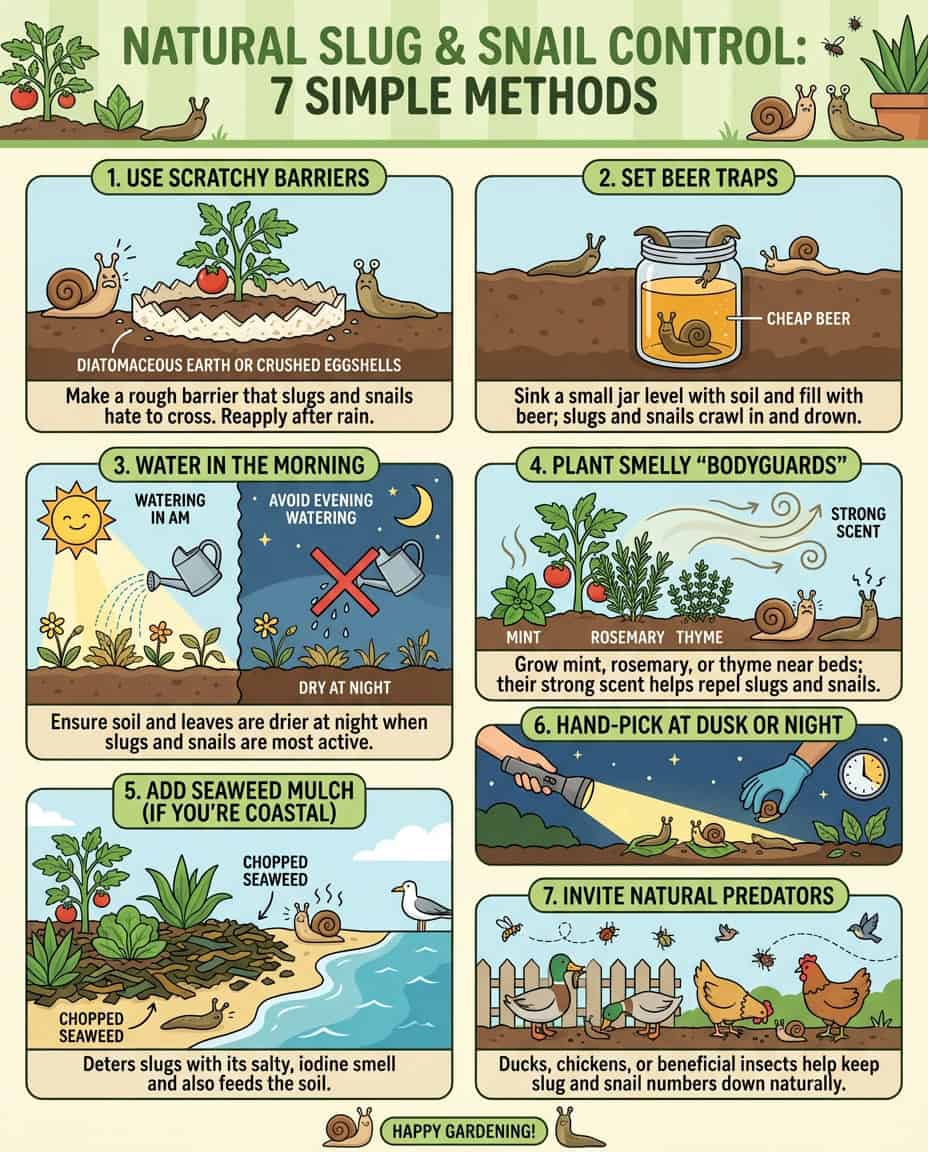
Below are 9 natural ways to keep snails and slugs out of your garden.
#1 – Diatomaceous Earth
Diatoms are microscopic green algae with a glass-like (silica-based) shell.
Food Grade Diatomaceous earth is made from the fossilized remains of these glassy creatures. If you sprinkle a circle of this special “dirt” around plants or garden beds under attack, it will deter snails and slugs.
For these pests to crawl over diatomaceous earth, it would be like people walking barefoot over broken glass on the beach… ouch!
For diatomaceous earth to be effective, however, you will need to reapply it often, as it doesn’t work as well after it gets wet.
#2 – Crushed Egg Shell
Crushed eggshells are often recommended as an abrasive barrier against snails and slugs, but controlled garden trials have found little to no reliable deterrent effect – slime lets slugs and snails cross sharp material without harm. For proven control, reach for copper tape, iron phosphate baits, or hand-picking instead.
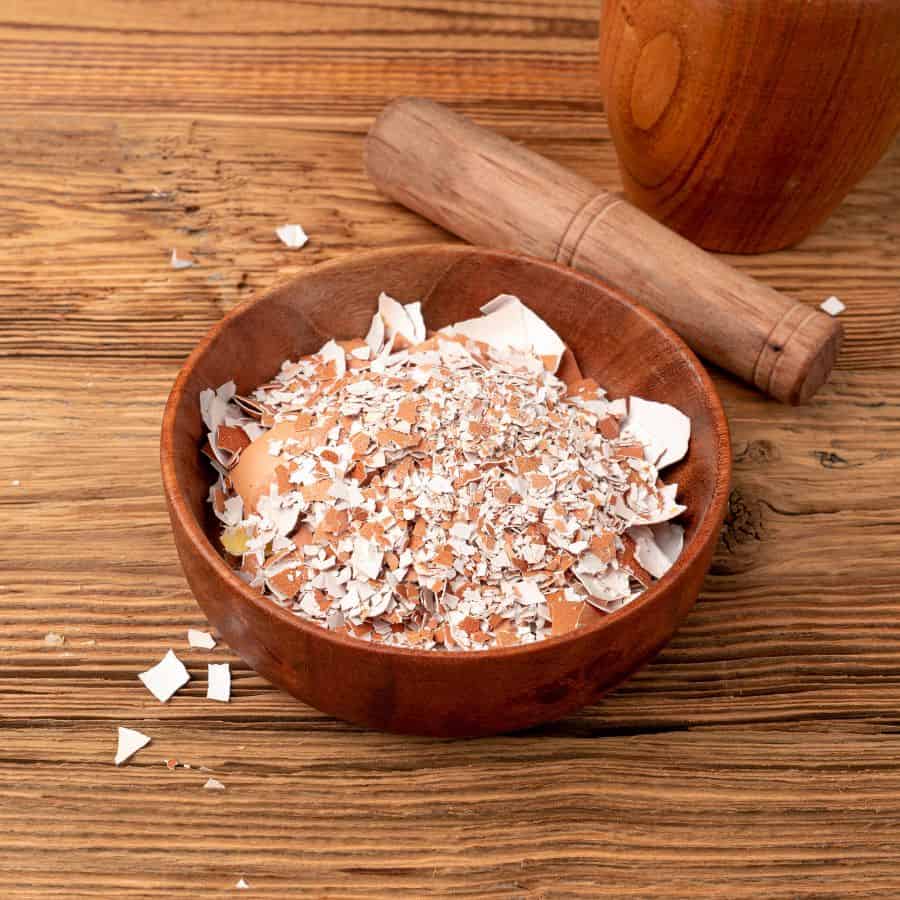
While eggshells aren’t quite as effective as diatomaceous earth, eggshells have the added benefit of providing calcium and other nutrients to your soil as they break down! Plus, water doesn’t affect them as much.
Also, used coffee grounds are recommended for controlling slugs and snails in the garden.
#3 – Beer Traps
If you don’t mind killing garden snails and slugs, beer traps are a good option for getting rid of these pests.
Dig a hole near the plants being attacked by pests. Bury a recycled beer can, plastic container, or glass jar in this hole so the top of the container is flush with the soil surface.
Pour cheap beer into this container. Snails and slugs are naturally attracted to the scent of beer because it contains yeast, but they get disoriented when they drink it. This is a very effective snail or slug trap.
When this happens, they fall inside the container and drown. Be sure to use a container deep enough so they can’t crawl back out.
#4 – Get Some Chickens Or Ducks
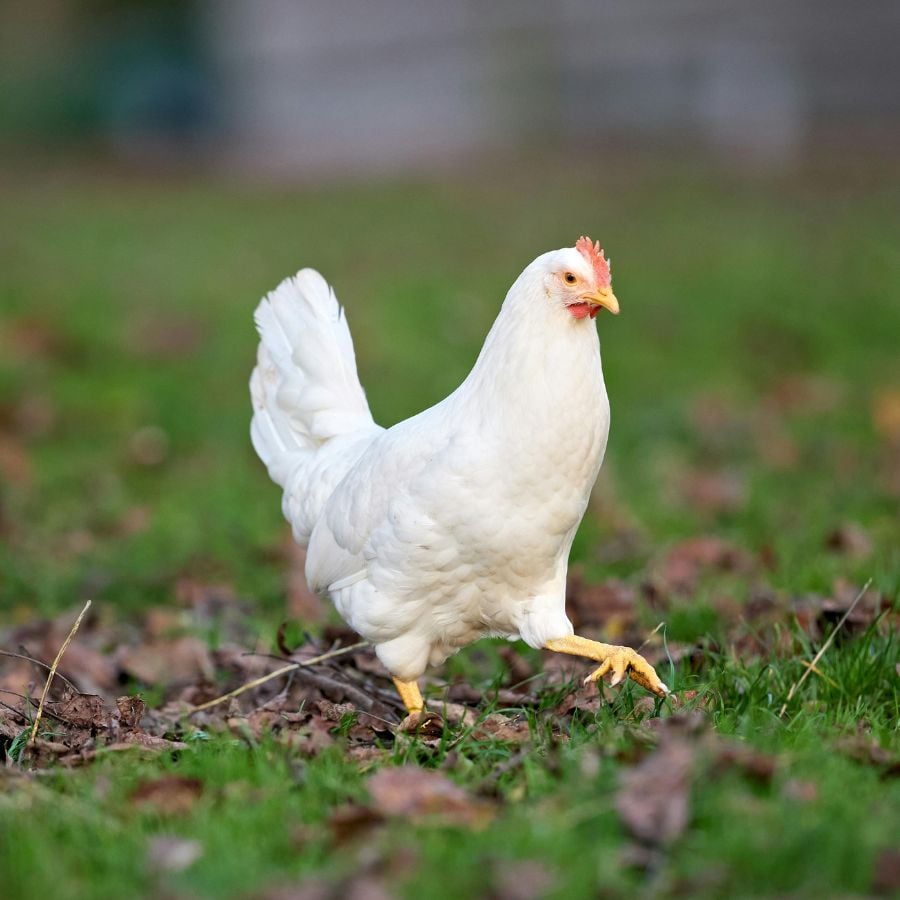
If you live in the country, these natural predators are a solution to your slug problem that will also produce some nice farm-fresh eggs.
Free-ranging chickens and ducks don’t just eat grass! They also love highly nutritious and delicious slugs and snails, and will happily help you with your problem!
If you cannot afford to raise these pest birds in your small backyard, consider introducing beneficial insects to your garden.
Such organisms eat snails or kill slugs. They can also help you control other garden pests while dealing with the slug or snail problem.
#5 – Put Some Chopped Mint In Your Soil
Mint grows like gangbusters and can even take over a yard if it isn’t cut back.
If you have a flowerbed under attack, consider adding your mint trimmings to the soil to deter snails and slugs. They are repelled by the smell.
However, to the human nose, the sweet-smelling mint and the fragrance of the flowers blend well together. In fact, you may find your neighbors coming over for natural aromatherapy!
#6 – Plant Rosemary Or Thyme Bushes Nearby
Rosemary and thyme are in the mint family, so like mint (such as peppermint and spearmint), these plants deter slugs and snails with their aroma!
Just give them the right care and watering requirements, and they will pay you back.
This is a simple but effective natural slug and snail deterrent, and you’ll have some nice perennial herbs for cooking.
Slugs and Snail Control Tips
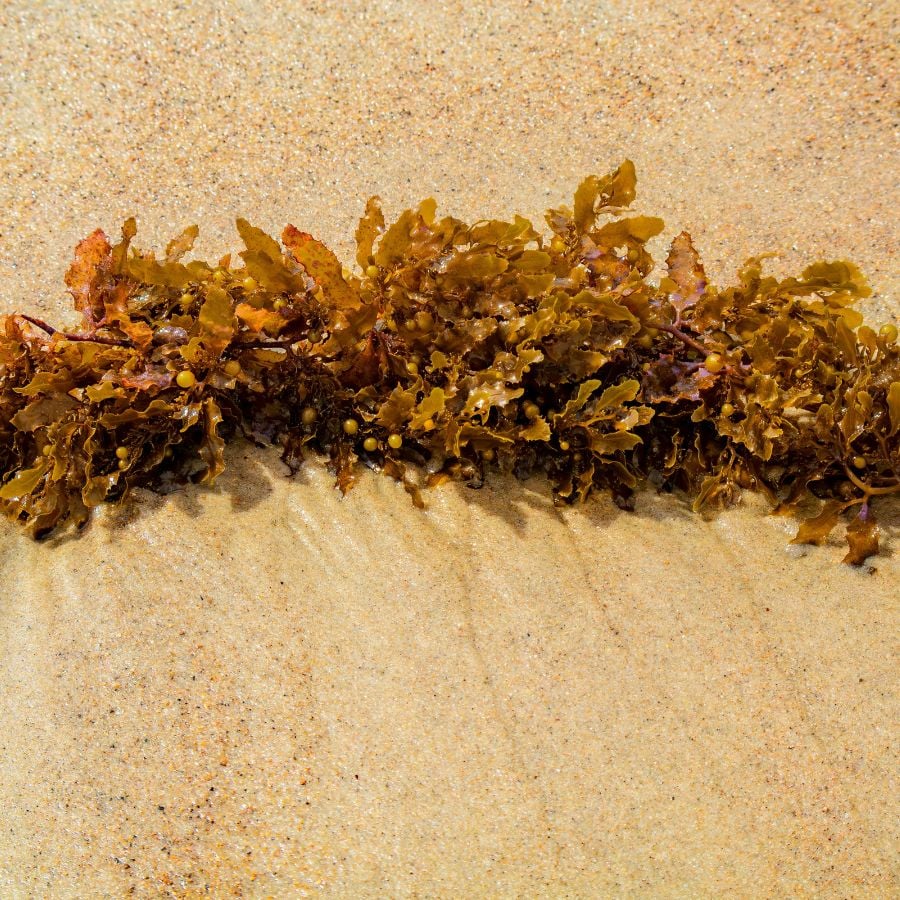
#7 – Put Seaweed In the Soil
If you live near an ocean beach, collect seaweed and chop it into mulch. Mix the seaweed into the top layer of soil around your plants.
The iodine smell will deter slugs and snails, and it will add nutrients to the soil as it decays! This includes many trace nutrients that would be difficult to obtain in your garden soil otherwise.
In fact, if you have any seaweed left over after you create your mulch, don’t throw it away! Put it in your compost pile!
#8 – Don’t Water Your Garden In the Evening
Snails and slugs are more active at night because it’s more moist then and they need a moist environment to survive.
If you water your garden in the evening, this just creates a haven for these slimy creatures, and they’ll be even more attracted to your plants! You’ll notice the impact on the leaves of your plant the next morning.
If you water your plants in the morning, daytime sunlight will dry them out before nightfall, making them less attractive to slugs and snails.
#9 – Pick Them Off By Hand
While this method may seem time-consuming, you may be able to solicit help from your kids.
They will find this a fun activity, and you won’t need to apply pesticides in the yard where they play.
If it is safe to do so, you can have them take a flashlight out at night and pick off the snails and slugs when they are more active. Just wash your hands with soapy water afterward.
If you don’t want to handle it yourself, you can use Ecoguard Pest Management Services. They are professionally licensed in pest control and have received excellent reviews throughout their tenure.