Did you know that Americans throw away over 30% of the celery they buy?
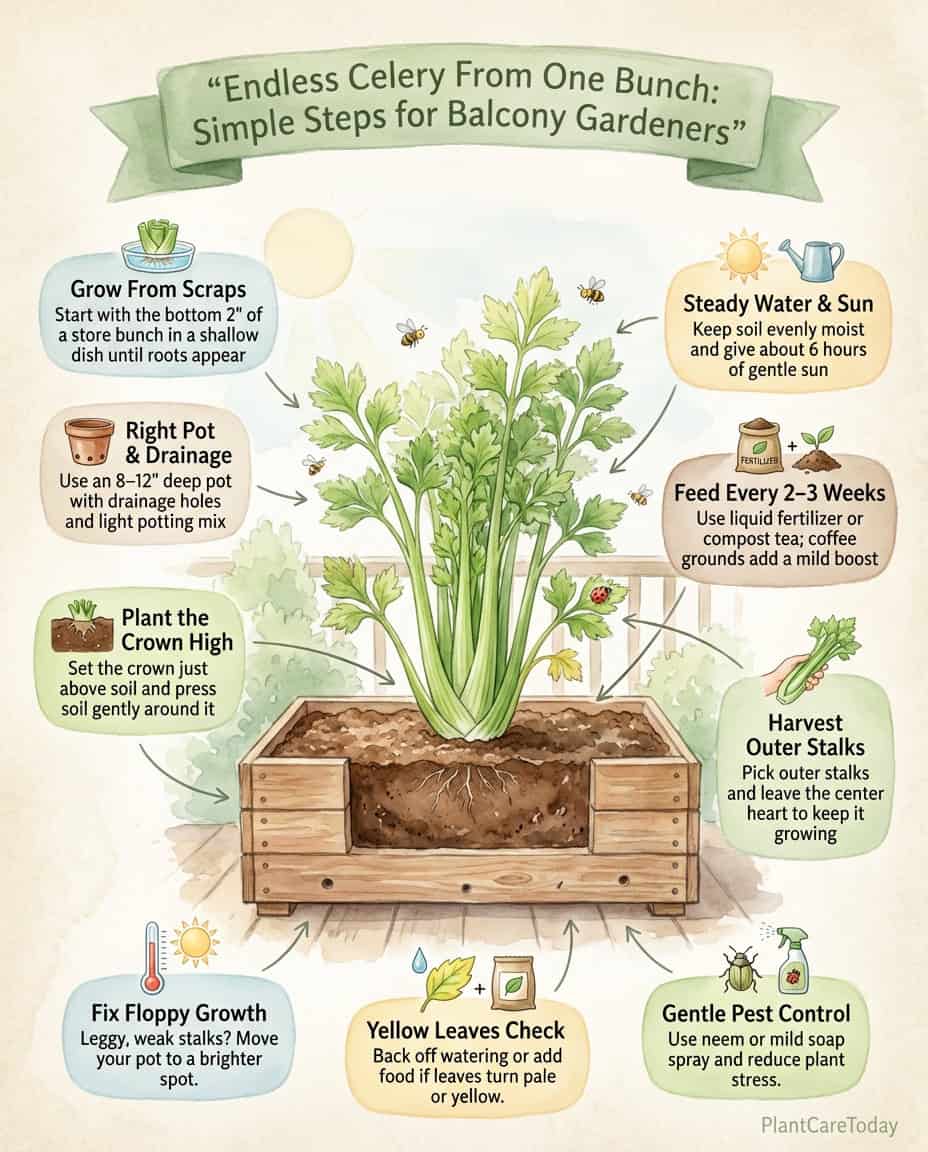
Here’s how to turn those celery ends into fresh stalks instead of tossing them in the trash. Even a small apartment balcony works fine for this.
What You Should Know About Growing Celery
Celery has a reputation for needing lots of space, but that’s not really true. It actually grows well in containers and works great for apartments.
All you need is an 8- to 12-inch-deep pot with drainage holes. That’s less space than most houseplants take up.
What You’ll Need to Get Started
Here’s your shopping list:
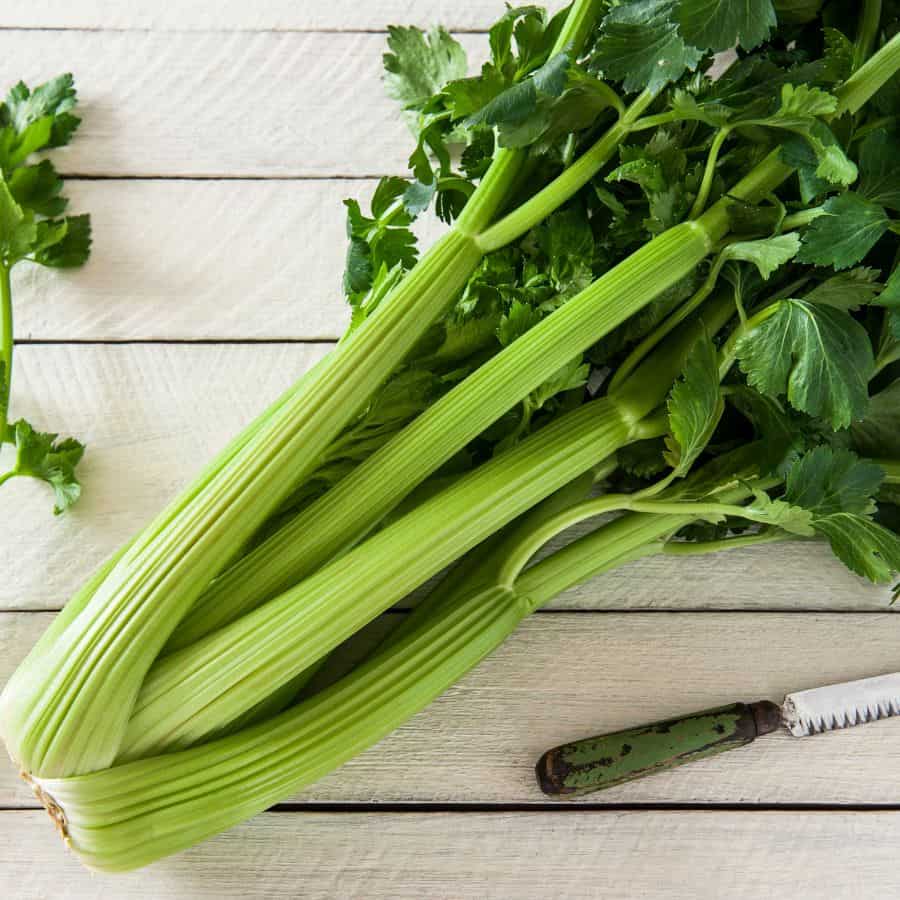
• One celery bunch from your grocery store (eat the stalks and grow from the base)
• A medium-sized pot (8-12 inches deep) with drainage holes
• Potting soil that drains well
• Basic fertilizer or compost
That’s it. For less than the cost of two store-bought bunches, you can set yourself up for months of harvests. That leftover celery base you usually throw away is actually all you need to grow more.
How to Grow Celery from Scraps
Step 1: Harvest Your Starter Celery
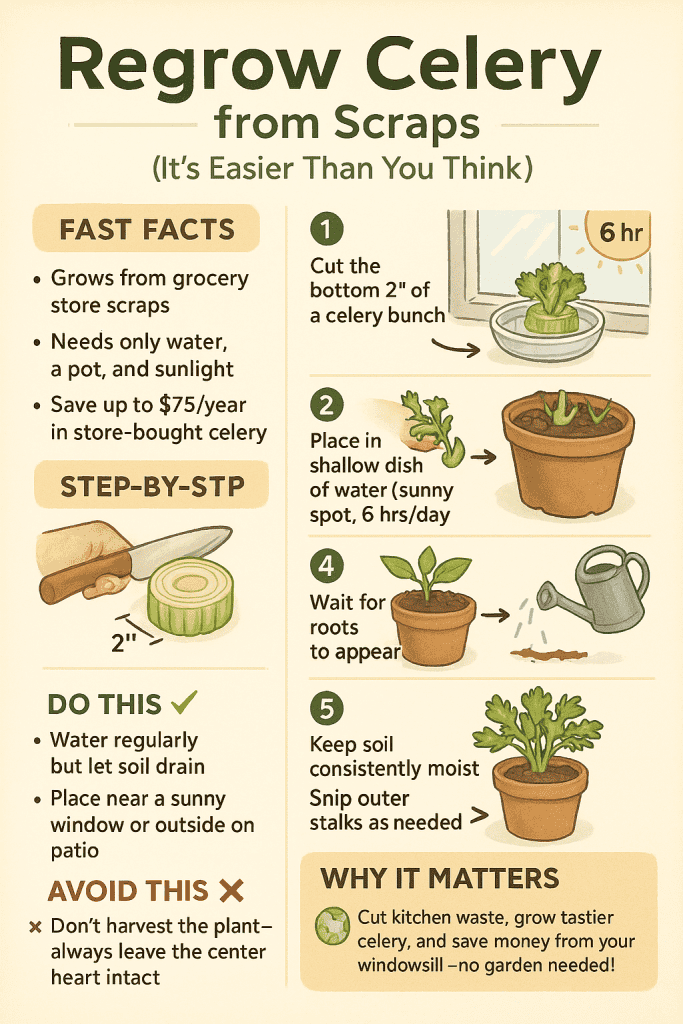
Cut the bottom 2 inches from your celery bunch. Place it in a shallow dish of water, and new roots will sprout within days.
I was surprised to learn that this part you’d normally throw away contains everything needed to grow an entirely new plant.
Step 2: Prepare Your Pot
Choose a pot that’s at least 8-12 inches deep with drainage holes. Without drainage, you’ll end up with root rot. Fill with potting soil that contains some nutrients.
Step 3: Transplant to Soil
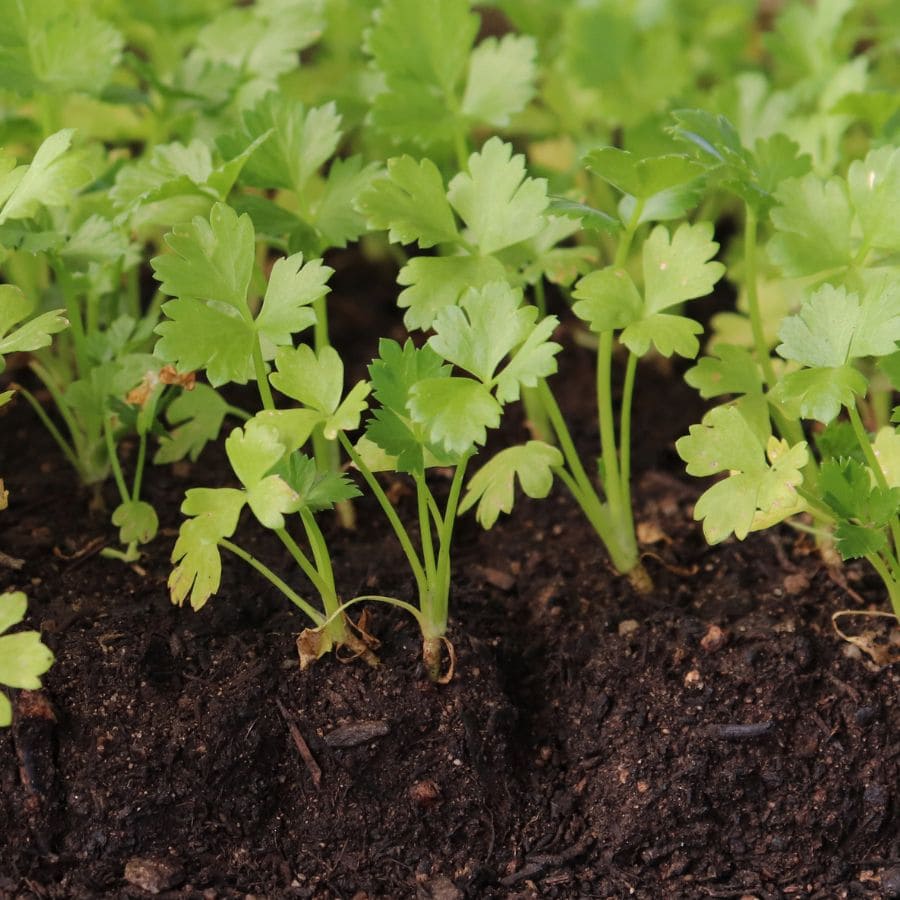
Once your celery base shows small root hairs, it’s ready for soil. Plant it with the crown (where the stalks join) sitting just above soil level. Pat gently around the base.
Step 4: Water and Light
The real trick with celery is consistency. Keep the soil moist but not soggy, and make sure it gets about 6 hours of sunlight daily.
Celery likes things not too wet, not too dry, not too shady, not too sunny.
Step 5: Feed Regularly
For better growth, feed your celery with liquid fertilizer or compost tea every 2-3 weeks.
The difference between new and experienced gardeners often comes down to this feeding schedule. You can also add used coffee grounds to the soil for a free nutrient boost .
Step 6: Harvest the Right Way
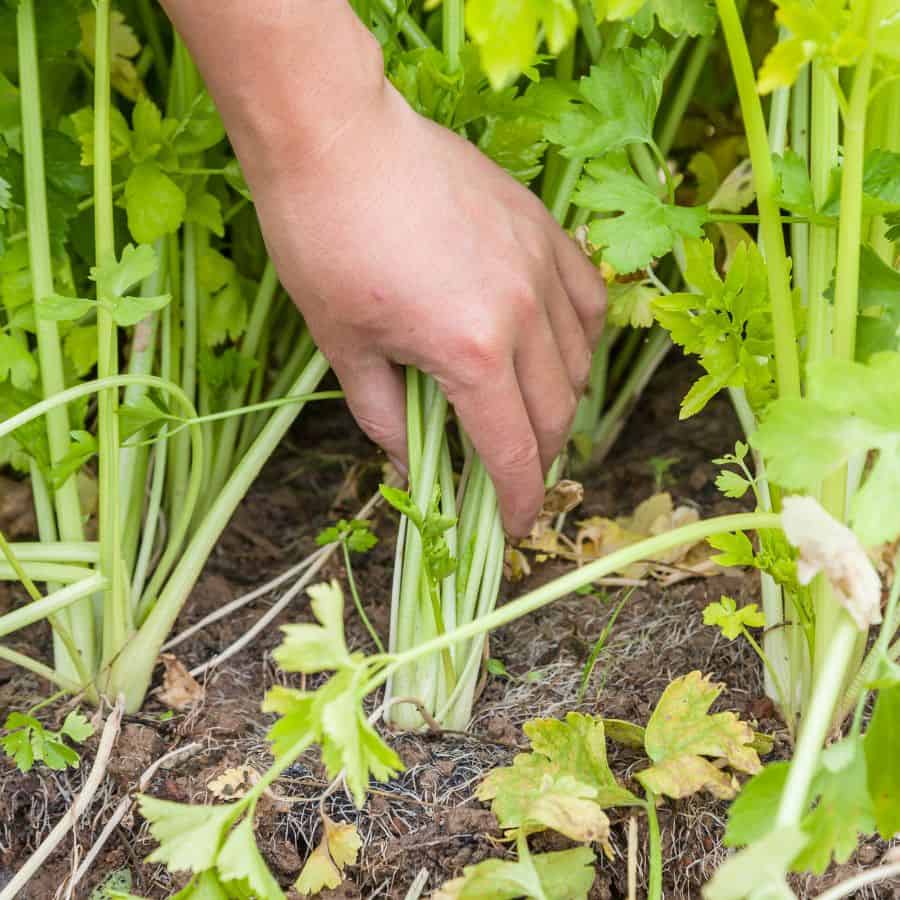
Here’s the best part. Instead of cutting the whole plant, harvest only the outer stalks as needed.
Leave the center heart intact, and your plant will keep producing new stalks. It’s like having a vegetable that just keeps growing back.
Fixing Common Problems
Even healthy celery can run into issues. Here’s how to fix them:
• Leggy, weak stalks? Your celery needs more light. Move it to a sunnier spot.
• Yellow leaves? You’re either watering too much (cut back) or it needs fertilizer.
• Tiny pests? Try neem oil or a simple soap spray. Bugs usually show up when the plant is stressed, so check your watering and light levels too.
What matters most is catching problems early. These plants bounce back pretty well if you act quickly.
Why This Makes Sense
Growing your own celery is practical. The average family spends over $75 yearly on celery.
One pot can produce that much value, and homegrown celery tastes noticeably better than store-bought.
Plus, it’s satisfying to watch kitchen scraps turn into something useful. There’s something nice about seeing that celery base you almost threw away grow into fresh stalks right on your windowsill.
Those celery ends you were about to toss can turn into your own steady supply of fresh stalks. Give it a try.