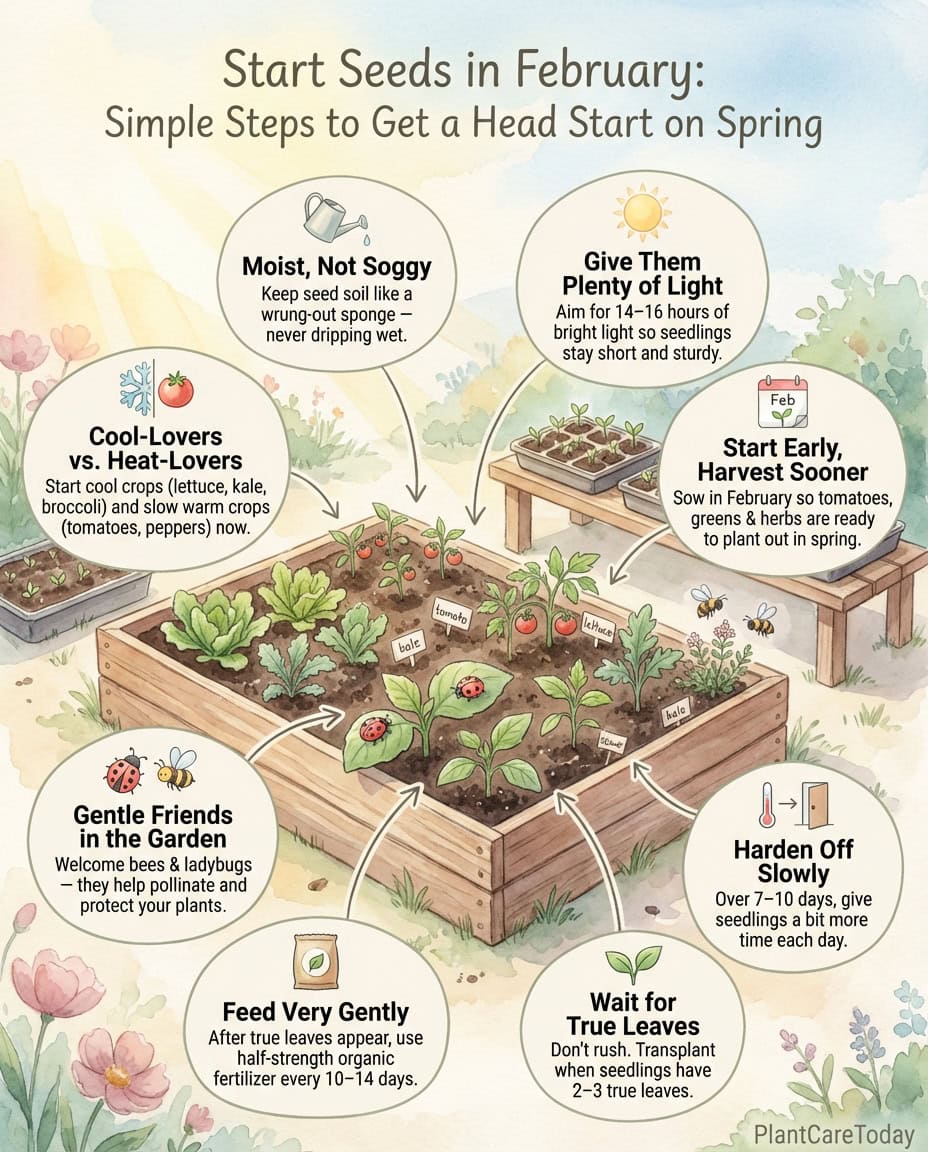
Impatient for spring? Here’s something to consider: February isn’t a gardening dead zone. It’s actually prime time for indoor seed starting.
While your neighbors stare at frozen landscapes, you could be nurturing the future plants in your garden.
I was surprised to learn that starting seeds just 6-8 weeks early can transform your entire growing timeline, potentially doubling your harvest season.

Why February Seed Starting Makes Sense
Think of February seed starting as giving your plants a head start on the growing season. Instead of waiting for the soil to thaw, you’re creating a warm environment where seeds can germinate safely while winter continues outside.
What matters most for your garden isn’t fancy equipment. It’s simply time. Some vegetables need up to 10 weeks of growth before they’re ready for outdoor planting.
Starting in February means you’ll have strong seedlings ready for transplant when spring finally arrives.
There’s nothing quite like harvesting tomatoes weeks before your neighbors even have flowers.
Zone 1-3: Cold Climate Plants Worth Starting Now
Living in the northernmost zones doesn’t mean you’re limited to a short growing season. These hardy crops do well when given a February head start:
• Broccoli: Start now for transplanting in late April. These seedlings are tougher than they look.
• Cabbage: These cold-loving plants need establishment time. February starts mean sturdy seedlings ready to face spring conditions.
• Leeks: Mid to late February is perfect for starting this onion family favorite. They’ll be ready to transplant in 6-8 weeks and perform well in cold conditions.

Zone 4-5: Cool-Season Plants That Benefit From Early Starts
Don’t wait until March. These crops do better when started in February:
• Spinach: This green thrives in cooler temps and needs to be harvested before summer heat arrives.
• Lettuce: Early to mid-February starts mean early-season harvests of crisp, fresh greens.
• Kale: This crop actually gets more flavorful after light frost exposure. February starts mean strong plants ready for spring’s cooler temperatures.
Zone 6-7: Summer Favorites That Need a Head Start
What matters is this: these plants need more growing time than your season naturally provides.
These summer staples perform much better with February indoor starts:
• Tomatoes: Give these garden favorites an 8-10 week head start. February seedlings lead to May transplants and much earlier harvests.
• Peppers: One of the slowest-to-mature garden plants, peppers started in February will be ready for outdoor planting in mid-to-late May.
• Eggplant: These vegetables need a serious indoor runway. Start now for June transplanting when the soil has thoroughly warmed.
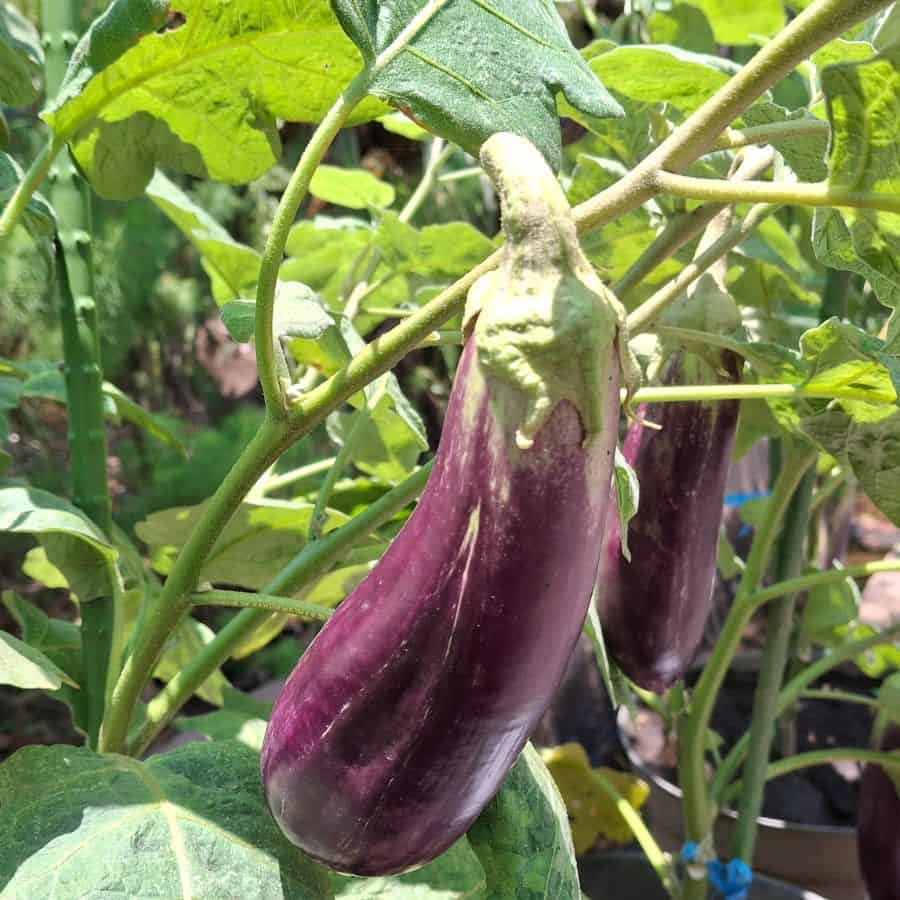
The difference between new and experienced gardeners is simply patience with these warm-season crops. They grow slowly at first, but it’s worth the wait.
Zone 8-9: Strategic Starters for Maximum Production
Your mild winters give you options, but strategic February starts still help maximize harvests:
• Squash: Early to mid-February starts give these sprawling plants a 6-8 week advantage for earlier summer harvests.
• Cucumbers: Though relatively quick-growing, February-started cucumbers will reward you with late spring pickings.
• Parsley: A common mistake with herbs is underestimating establishment time. Parsley particularly benefits from sowing in February, since it’s slow to get going.
Zone 10: Year-Round Plants Worth Starting Now
Even in warm climates, strategic planting pays off:
• Okra: This Southern favorite takes 8-12 weeks to reach the harvest stage. February starts mean continuous harvesting beginning in late spring.
• Peppermint: Start indoors in late February for transplanting by March, or direct sow outdoors in your mild conditions.
• Sage: This versatile herb does well with a head start, providing continuous harvests throughout your growing season.
5 Helpful Tips for Indoor Seed Success
The real trick to indoor seed starting is less about fancy equipment and more about consistent care. Here’s how to help your February seedlings thrive:
Moisture Matters: Keep soil consistently moist but never soggy. Think “wrung-out sponge” texture.
Light is Essential: Seedlings need 14-16 hours of bright, indirect light daily. Without it, they’ll grow leggy and weak.
Be Patient: Resist the urge to transplant too early. Wait until outside conditions stabilize and seedlings have developed 2-3 true leaves.
Feed Lightly: Once seedlings develop their first true leaves, feed with half-strength organic fertilizer every 10-14 days.
Harden Off Gradually: Introduce seedlings to outdoor conditions slowly over 7-10 days to prevent shock.
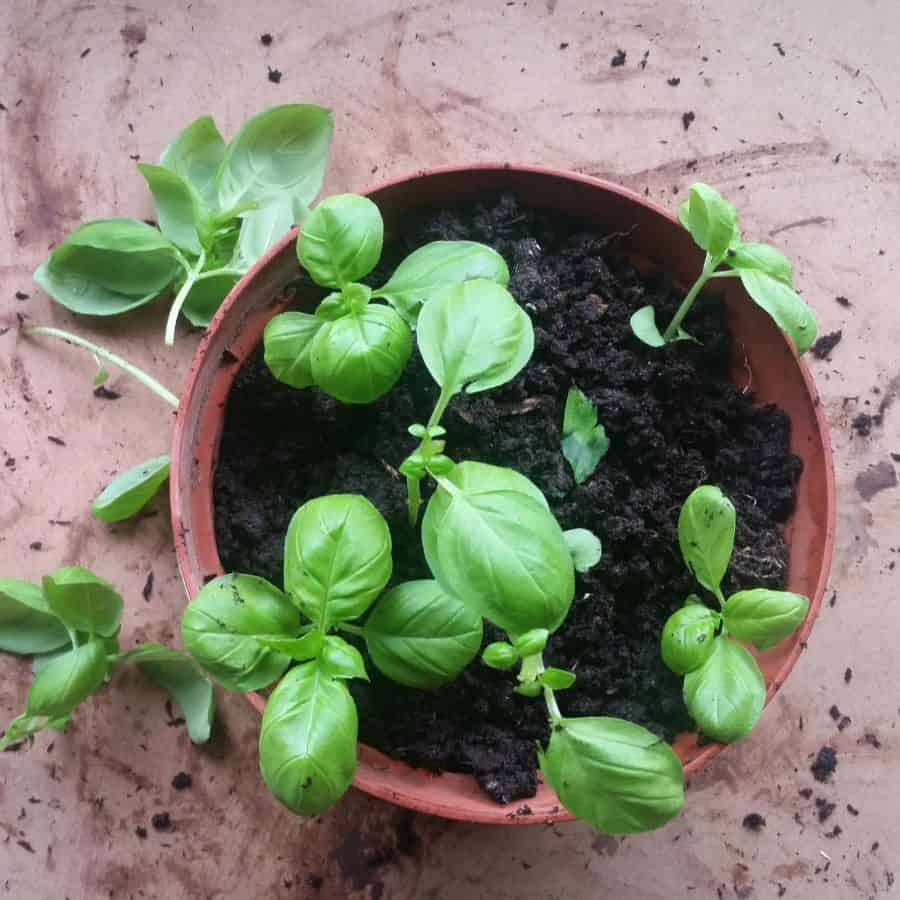
Think of your seedlings like newborns. They need consistent care, protection from harsh conditions, and a gradual introduction to the outdoors.
Ready to get started? Grab those seed packets and start planting. Your future self will thank you when you’re harvesting fresh produce weeks ahead of schedule.
In gardening, patience and planning really do make all the difference.