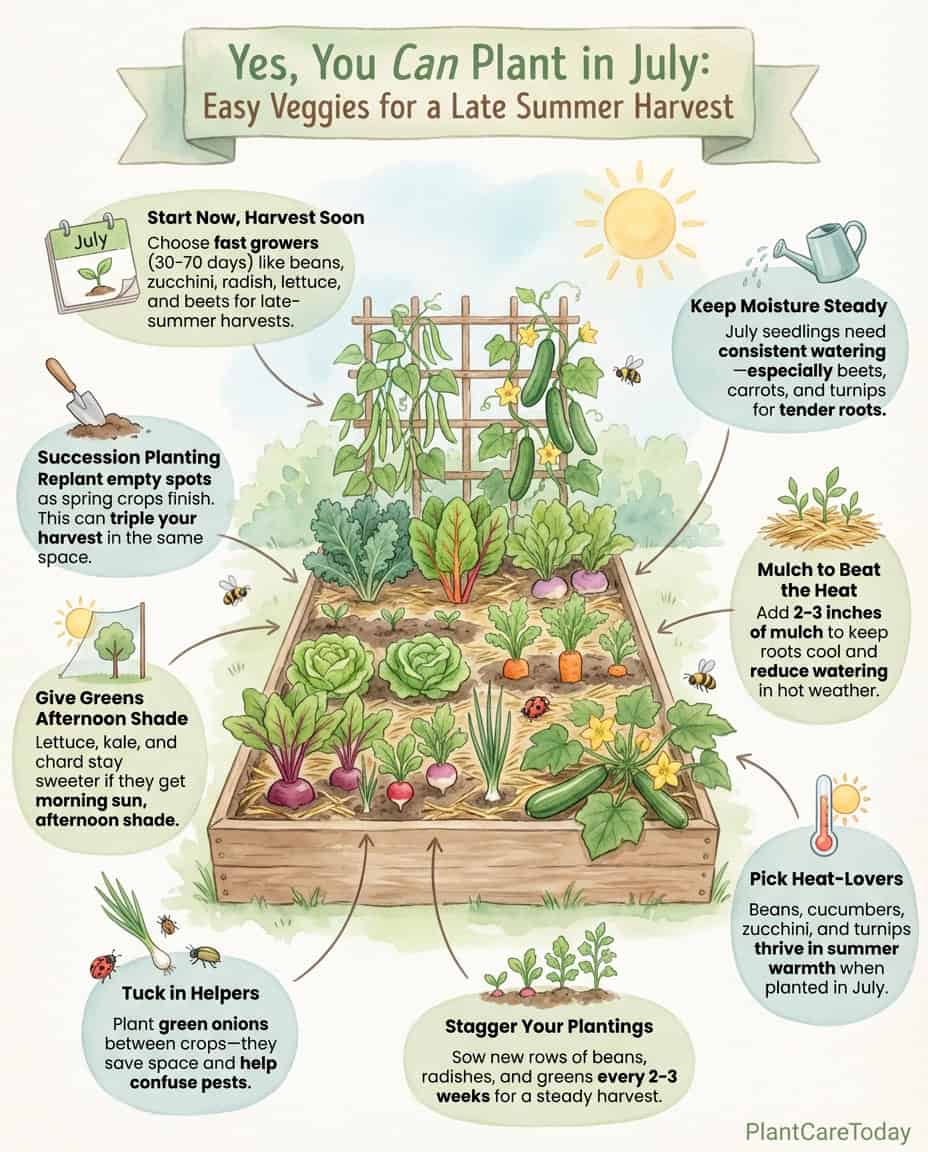
Think July is too late for planting? It’s really not. While your neighbors might be winding down their vegetable gardens, you can still get a solid late-summer harvest if you know what to plant.
I’ve had great luck with July plantings, and friends are always surprised when I tell them when I actually planted things.
Yes, You CAN Plant in July (And Here’s Why You Should)
July isn’t just okay for planting. It’s actually ideal for certain vegetables. The summer heat creates the perfect environment for fast-growing, heat-loving crops.
July planting also gives you a good advantage: succession planting. This technique lets you make the most of small spaces by planting new crops as soon as spring varieties finish.
A well-planned succession garden can produce up to 3 times as much food in the same space.
11 Heat-Loving Vegetables That Will Work in Your July Garden
1. Bush Beans (Zones 3-10)
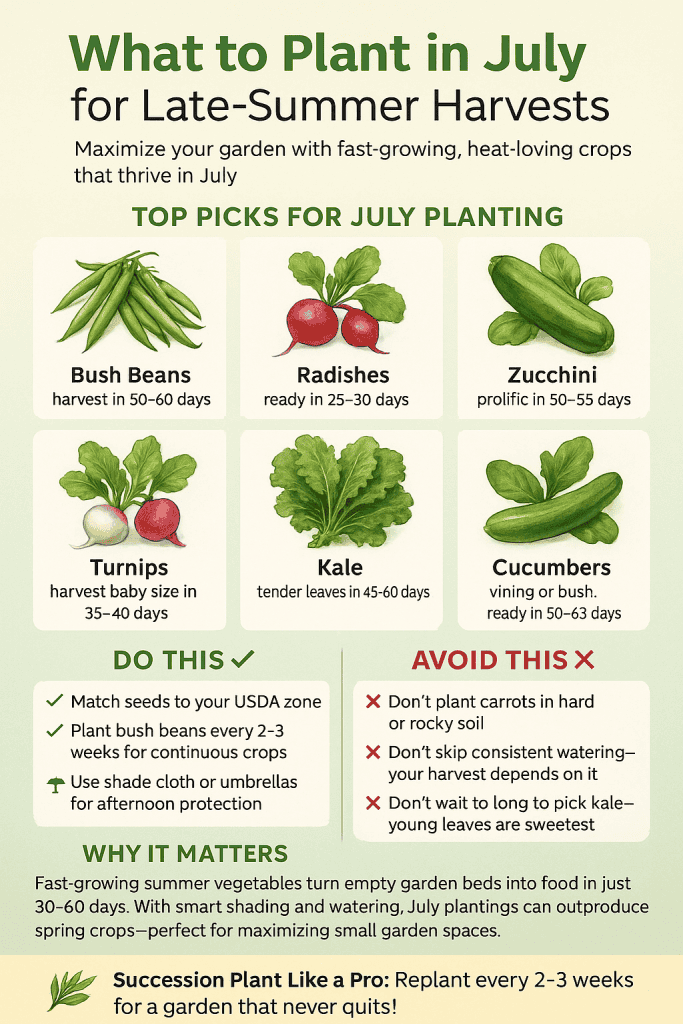
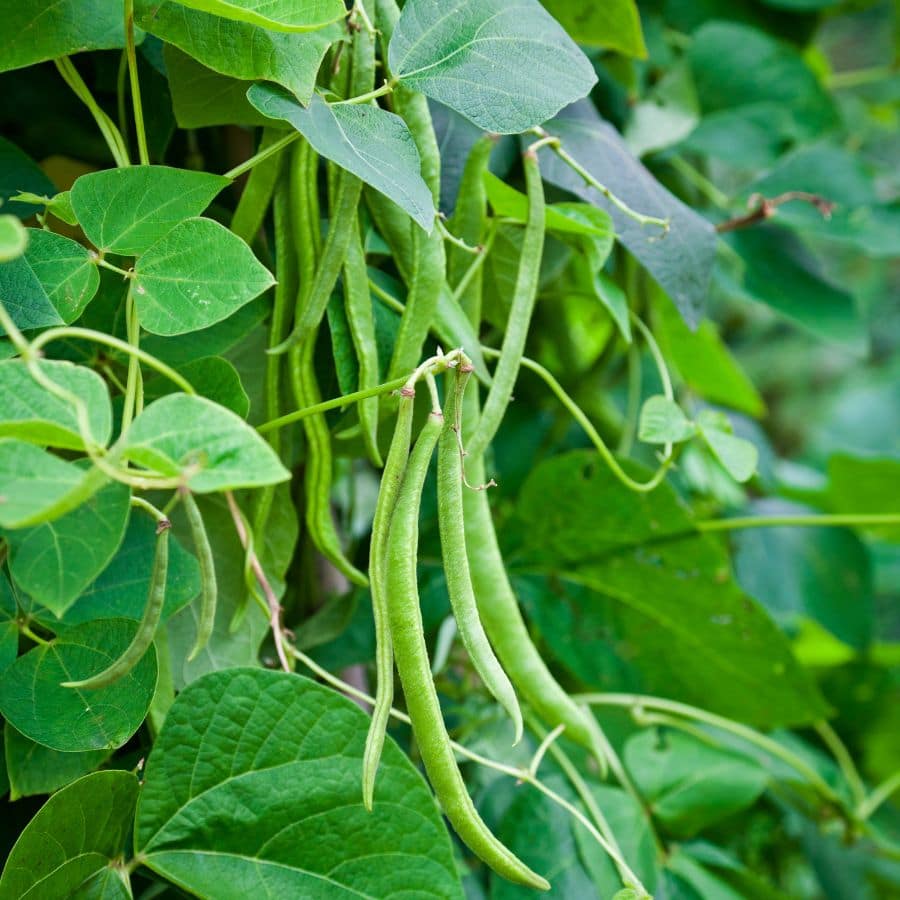
Bush beans are fast growers, reaching maturity in 45-55 days from seed. These heat-lovers actually do well in July temperatures. They work great in containers, grow bags, and raised beds.
Want a steady supply? Plant bush beans every 2-3 weeks through summer for a continuous harvest.
2. Zucchini (Zones 4-10)
Ready in just 45-60 days, zucchini plants produce a lot. Direct sow these in July, and by late summer, you’ll probably have more than you need.
Plant in large containers (minimum 5-gallon) or garden beds for best results.
3. Cucumbers (Zones 4-10)
Bush cucumber varieties like ‘Spacemaster’ are ready to harvest in just 55-65 days. These space-efficient plants grow up instead of out, which is helpful in smaller gardens.
Pair with a trellis in containers for a vertical garden that produces crisp cucumbers.
4. Lettuce (Zones 5-9)
I was surprised to learn that certain lettuce varieties actually grow well in summer. Heat-tolerant types like ‘Jericho’ or ‘Buttercrunch’ can go from seed to salad in just 30-45 days.
The real trick? Provide afternoon shade to protect them from the midday sun.
5. Swiss Chard (Zones 3-10)
Swiss chard is pretty tough despite its delicate appearance. This nutritious green regrows after cutting, giving you multiple harvests from a single planting.
Ready in 50-65 days, it continues to produce through late summer and beyond.
6. Beets (Zones 3-9)
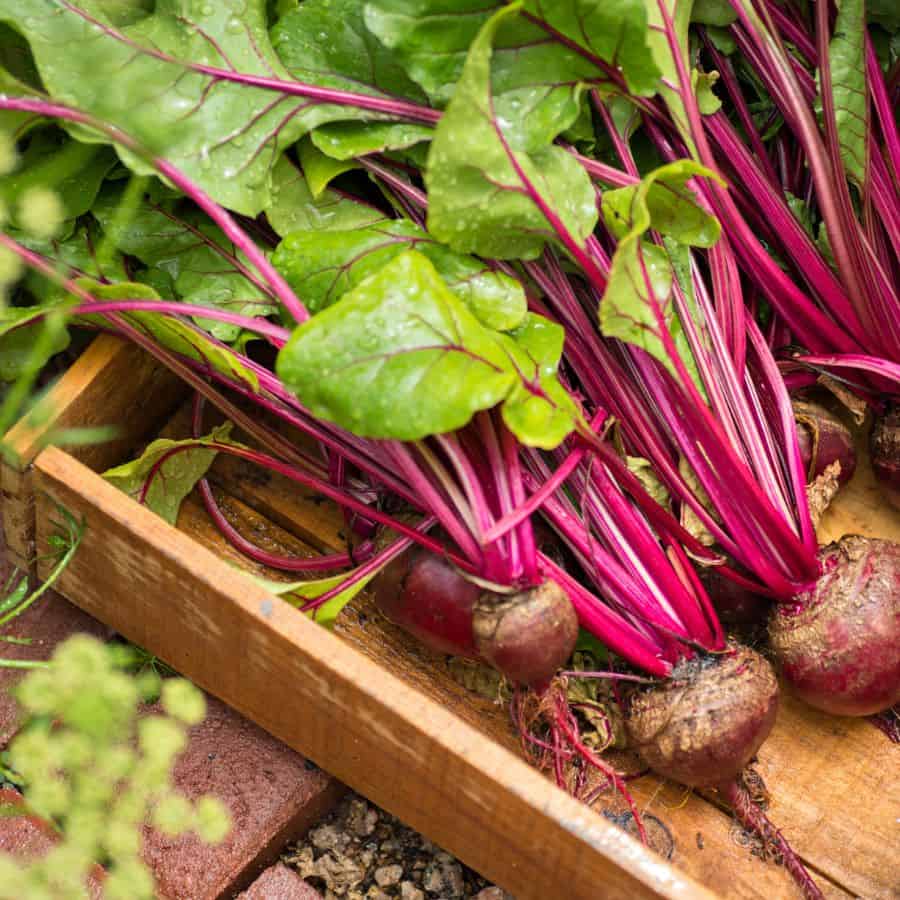
Beets are ready to harvest in 50-70 days and do well in containers at least 8 inches deep. What matters most for beets isn’t fertilizer or special soil.
It’s consistent moisture. That’s what transforms them from woody and tough to sweet and tender.
7. Radishes (Zones 3-9)
If you’re impatient, radishes are your best bet. Ready in just 25-35 days, they’re the fastest crop you can grow. Plant them between slower-growing crops.
They’ll be harvested before their neighbors even fill in.
8. Early Carrots (Zones 4-9)
Early carrot varieties like ‘Adelaide’ or ‘Little Finger’ mature in just 60-75 days. The most common mistake with carrots is planting in compacted soil.
For straight, sweet roots, grow in deep containers or loose, stone-free raised beds.
9. Kale (Zones 3-9)
Kale handles both summer heat and early frost well. Ready in 50-70 days, it’s perfect for containers and garden edges.
The difference between new and experienced gardeners is knowing that young kale leaves taste sweetest. Harvest them small for better flavor.
10. Green Onions (Zones 3-10)
Green onions do double duty in your July garden. Ready to eat in 50-60 days, while naturally repelling pests with their strong scent.
Their slim profile makes them easy to tuck between other crops.
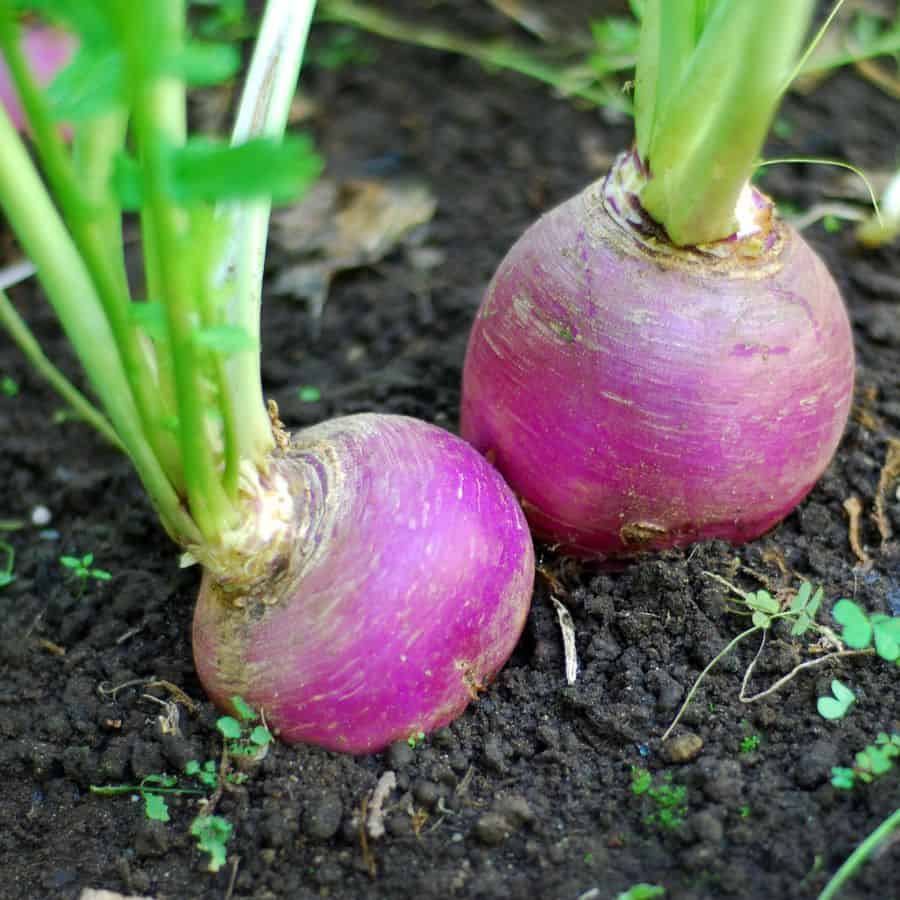
11. Turnips (Zones 3-9)
Turnips might not look exciting, but they grow fast with their 45-60 day growth cycle. These root vegetables actually prefer summer heat for developing their sweet yet peppery flavor.
Direct sow them in July for a good harvest when other gardens have slowed down.
Your Late Summer Harvest Game Plan
Ready to make the most of your July garden? Here’s your action plan:
• Know your zone: Match plants to your growing conditions for better results
• Provide afternoon shade: A simple umbrella or shade cloth can make a big difference
• Water consistently: July plantings need reliable moisture to handle summer heat
• Mulch heavily: A 2-3 inch layer keeps roots cool and can reduce watering needs by up to 70%
• Start succession planting: Stagger plantings every 2-3 weeks for continuous harvests
Your garden doesn’t have to quit for the season. With these heat-loving vegetables, you’ll be harvesting fresh produce when everyone else’s gardens have slowed down. So grab those seeds, get planting, and enjoy a late summer harvest.
In gardening, conventional wisdom isn’t always right. While others wind down their gardens, yours can still be producing plenty of fresh vegetables.