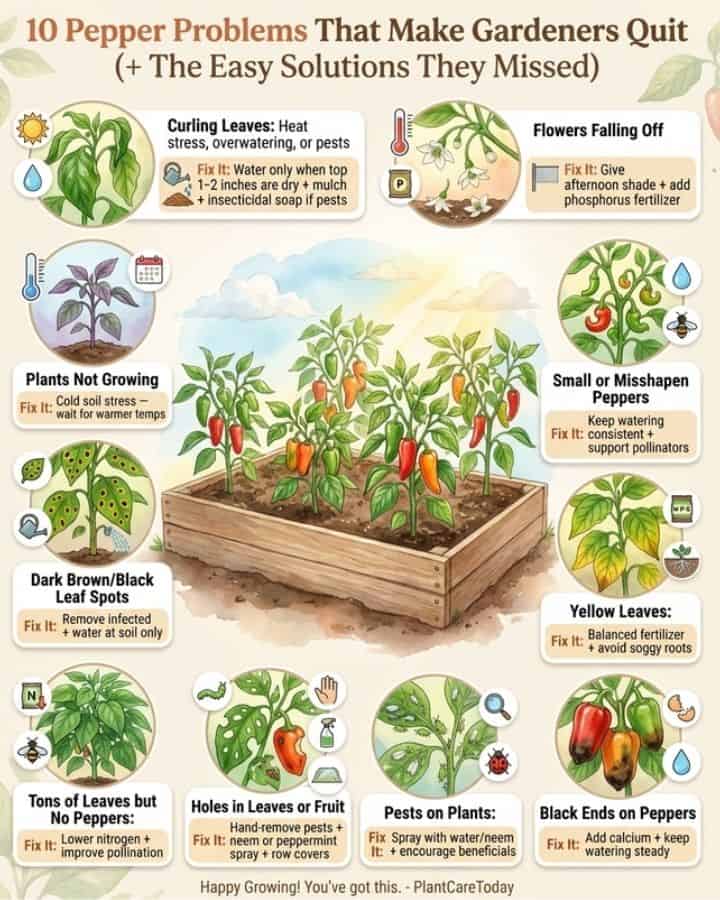
Your pepper plants might be trying to tell you something. Those curling leaves, dropping flowers, and stunted growth are usually signs that something needs attention.
The good news is that most common pepper problems can be fixed pretty quickly when you catch them early.
Let’s walk through what to look for and how to help your plants bounce back.
When Your Pepper Leaves Curl
Curling leaves usually indicate your plant is stressed by too much heat, though overwatering and pests can also cause the same problem.
Here’s what helps: Only water when the top 1-2 inches of soil feel dry. Your finger works great for checking this.
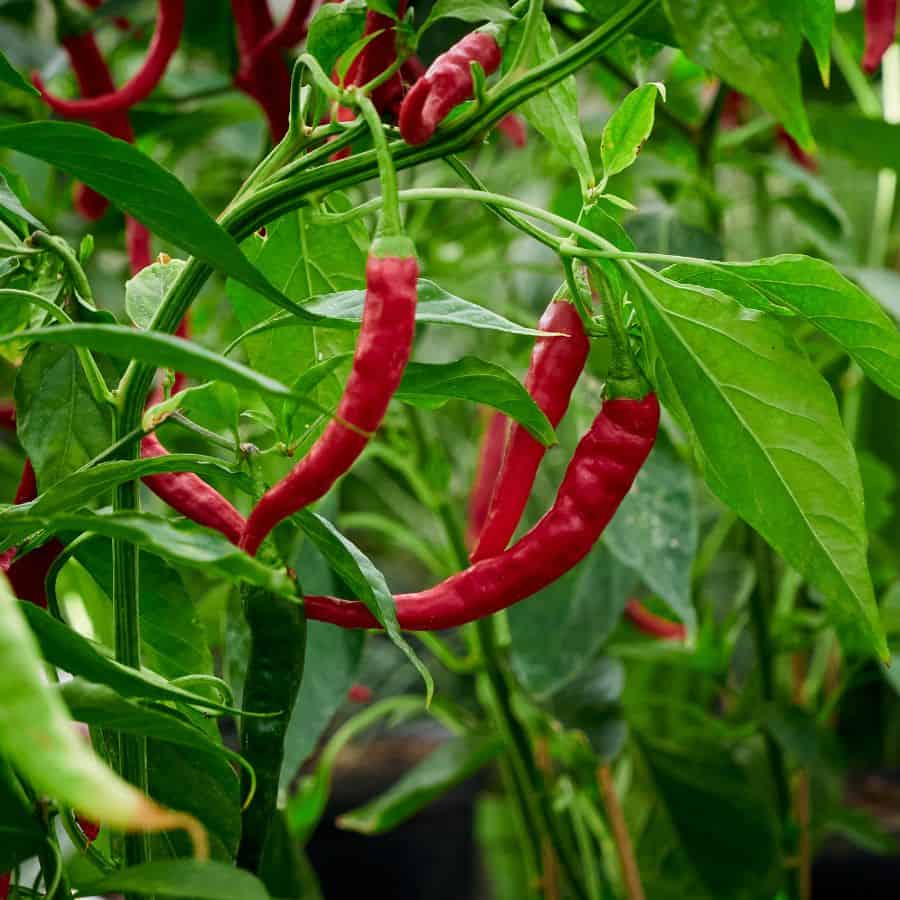
Add mulch around the base to help keep the soil cooler. If you see tiny bugs, insecticidal soap should take care of them.
Flower Drama: Why They’re Falling Off Before Fruiting
When flowers drop before they turn into peppers, it’s usually due to high heat or low soil phosphorus. Phosphorus is what helps plants set fruit.
The fix: Give your plants some afternoon shade during heat waves and add phosphorus-rich fertilizer. This should help them typically start bearing fruit.
Small, Weird-Looking Peppers? It’s Not Genetics
Those tiny, misshapen peppers are often the result of inconsistent watering. The plant can’t develop fruit properly when moisture levels keep changing.
What to do: Water regularly to keep the soil evenly moist (but not soggy). Also, avoid pesticides during flowering and plant some pollinator-friendly flowers nearby. Better pollination means better pepper development.
Yellow Leaves: The Warning You Can’t Ignore
Yellow leaves usually mean nitrogen deficiency or too much water drowning the roots.
How to help: Use a balanced fertilizer and make sure your soil drains well. Here’s something that surprises people: peppers actually prefer to dry out a bit between waterings. More water doesn’t always mean more growth.
Black or Soft Pepper Ends? Act Fast
Those black, mushy bottoms are blossom end rot. It’s a calcium problem made worse by inconsistent watering.
The solution: Add calcium to your soil using crushed eggshells, calcium spray, or garden lime.
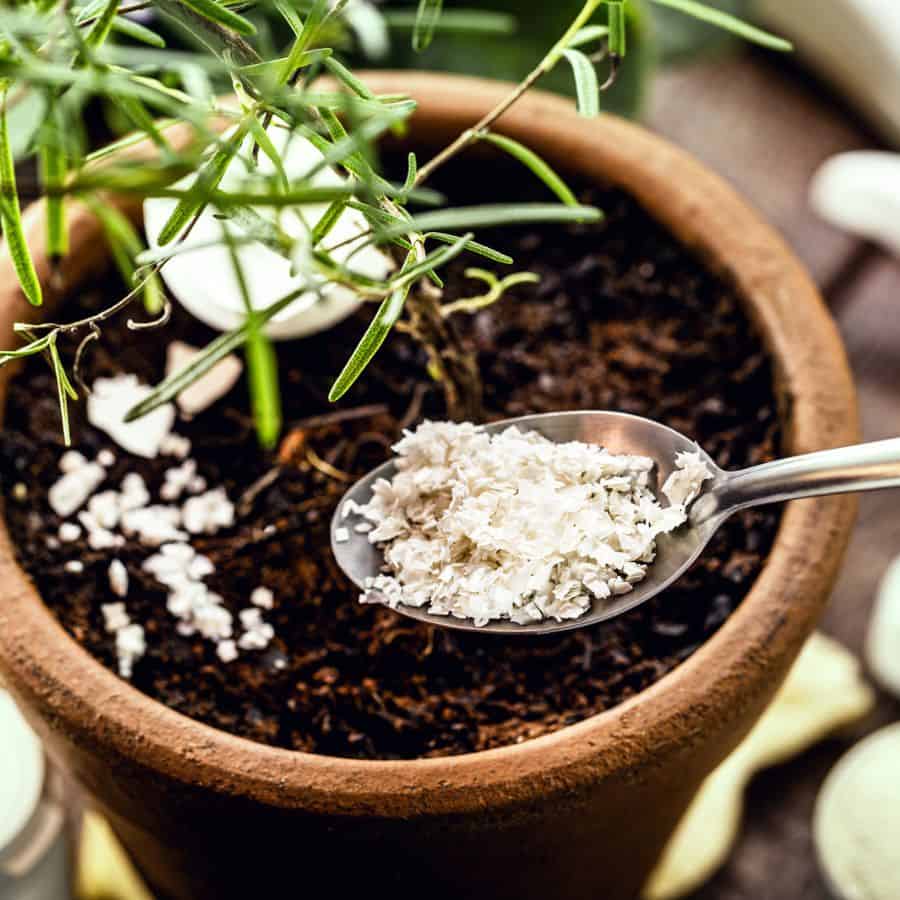
Then adjust your watering to keep moisture more consistent. New fruits should develop normally once you fix these two things.
All Growth, No Fruit? Here’s the Frustrating Truth
When your plants grow like crazy but don’t produce peppers, they’re probably getting too much nitrogen or not enough pollination.
What works: Switch to a low-nitrogen or balanced fertilizer. Too much nitrogen pushes leaf growth at the expense of fruit.
If you don’t see many pollinators around, you can hand-pollinate by gently moving pollen between flowers with a small paintbrush or cotton swab.
Hole-Punched Leaves and Fruit? You’ve Got Uninvited Guests
Those holes are from caterpillars, cutworms, or flea beetles eating your plants.
How to deal with them:
• Hand-remove any pests you can see (wear gloves) in the evening
• Spray with neem or peppermint oil solution
• Use row covers if the problem is bad
• Add beneficial insects like ladybugs for longer-term control
Mysterious Brown or Black Spots: The Fungal Invasion
Those dark spots are caused by fungal or bacterial infections that can quickly take over leaves.
Stop the spread: Remove and destroy affected leaves right away (don’t compost them). The real trick here is how you water.
Always water at the base, never from above, to keep the leaves dry. Fungi need moisture to spread.
Stunted Plants Refusing to Grow? Temperature Trauma
When plants seem stuck and won’t grow, they’re probably dealing with cold soil. Peppers really need warm conditions and basically shut down when soil temperatures drop below 65°F.
How to restart growth: Wait until the soil warms to at least 65°F before planting outdoors. For plants already struggling, black plastic mulch can warm the soil and get things moving again.
Wilting Despite Moist Soil? Root Issues Underground
When plants wilt even though the soil is wet, something’s wrong underground. Usually, it’s root rot or compacted soil.
The fix: The difference between new and experienced gardeners often comes down to understanding drainage. Work some compost into your soil to improve its structure.
You might also consider moving plants to raised beds where water drains more easily. Once the roots can breathe again, your plants should perk up.
Emergency Pepper Rescue Kit: 4 Fast Fixes That Actually Work
When you need quick results, these four things help most:
• Add 2-3 inches of organic mulch around plants to keep soil temperature and moisture more stable
• Improve drainage by mixing perlite or coarse sand into the top few inches of soil
• Spray weekly with diluted seaweed extract for micronutrients and stress relief
• Create temporary shade during heatwaves using old bed sheets or shade cloth
A quick daily check of your plants can catch problems before they get serious. With these solutions in mind, you should be able to keep your peppers healthy and productive throughout the season.