Wait! Before you toss those pistachio shells in the trash, you might be throwing away one of the most useful things for your garden.
I was surprised to learn that these simple leftovers can help with everything from plant drainage to pest control.
While most people throw shells away without a second thought, experienced gardeners save them. Let’s look at what makes pistachio shells so useful in the garden.
Nature’s Perfect Drainage Solution
Forget what you’ve heard about expensive drainage products. Those pistachio shells you’re about to toss might be exactly what your potted plants need.
Root rot occurs in poorly drained pots, but pistachio shells create natural pathways for water.
Like tiny organic drainage pipes, they keep your plant’s roots from getting waterlogged while slowly breaking down to add nutrients.

How to use shells for drainage:
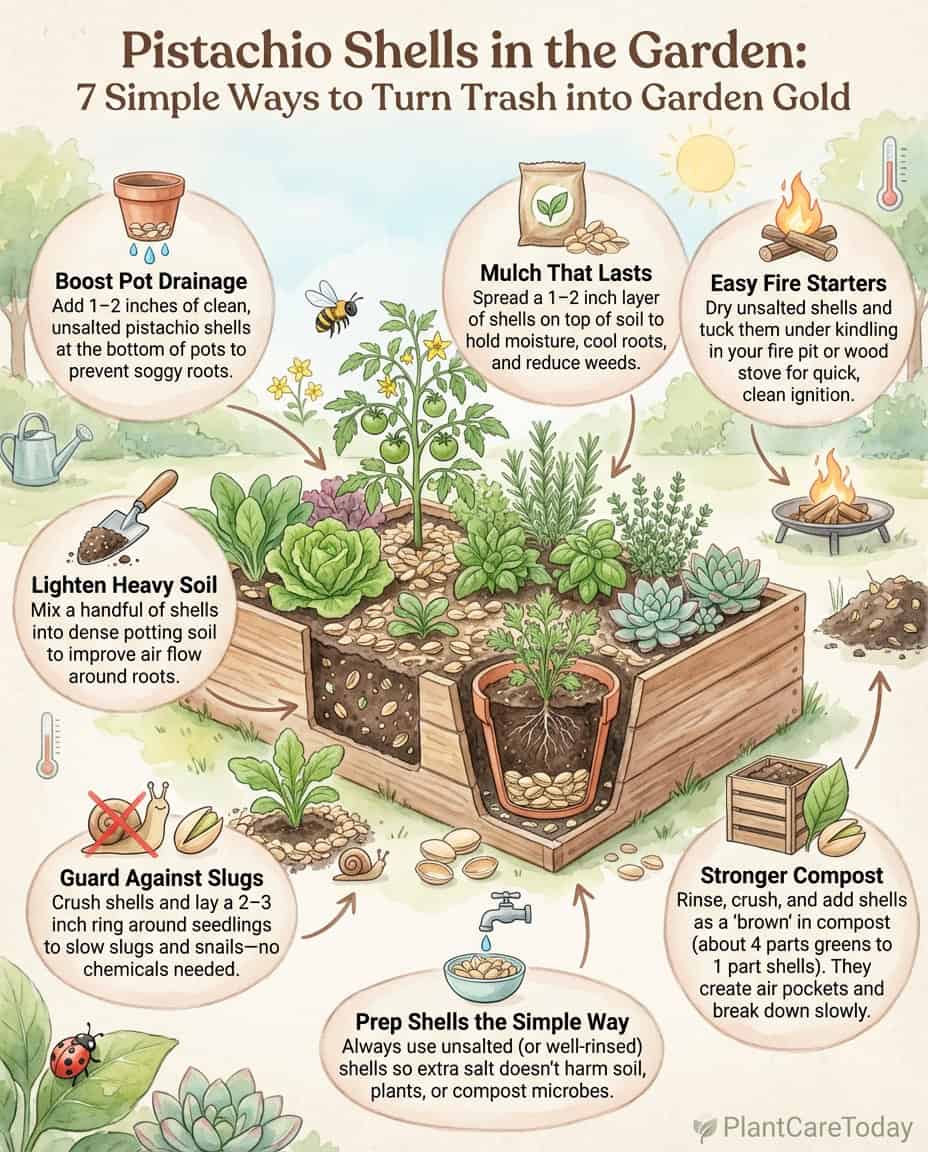
• Layer 1-2 inches of clean, unsalted shells at the bottom of pots before adding soil
• Mix a handful into heavy potting soil to improve aeration
• Use in place of purchased pebbles (saving about $5-8 per bag)
This works really well for moisture-sensitive plants, such as succulents and herbs. The shells are lightweight but surprisingly effective.
The Pest Barrier That Slugs Hate
One thing experienced gardeners know is that effective pest control often has free alternatives hiding in your kitchen waste. Those jagged pistachio shells create a natural barrier around vulnerable plants.
Imagine trying to crawl across broken seashells barefoot. That’s basically what slugs, snails, and cutworms experience when they hit pistachio shells. The sharp, irregular edges create a zone that protects your seedlings.
• Crush shells slightly for the best deterrent effect
• Create a protective ring around plants (about 2-3 inches wide)
• Reapply after heavy rain or watering
The best part: Unlike chemical deterrents, pistachio shells are completely non-toxic to beneficial insects, pets, and wildlife. Your garden ecosystem stays healthy while unwanted pests stay away.
Why Shells Create Better Soil
Your compost pile might be missing a helpful ingredient. While pistachio shells take longer to decompose than banana peels, they offer real benefits to your compost’s structure.
Think of shells as scaffolding in your compost. They create air pockets that help beneficial microbes while preventing the soggy conditions that lead to smelly compost. Most home composters don’t add enough “brown” material, like shells.

Compost shell prep:
• Rinse away salt (which can harm soil microbes)
• Break into smaller pieces to speed decomposition
• Mix with nitrogen-rich materials like vegetable scraps (4:1 ratio)
The shells break down gradually, creating humus that improves garden soil structure over months rather than weeks. It takes patience, but the results are worth it.
Nature’s Fire Starter
The difference between new and experienced fire-builders lies in knowing what catches fire efficiently. Those pistachio shells you’ve been throwing away? They’re basically free fire starters.
The natural oils in pistachio shells make them surprisingly flammable. They burn longer than paper, ignite easily, and work perfectly for fireplaces, wood stoves, or backyard fire pits.
Quick-fire starter method:
• Collect and completely dry a handful of shells
• Place under kindling or small logs
• Light with a match. No lighter fluid needed
You’ll save money on commercial fire starters (which often contain petroleum products) while reducing waste. Just remember to only use unsalted shells to protect your fireplace from corrosion.
The Mulch That Lasts
Your garden beds need mulch that actually lasts. While most organic mulches break down within months, pistachio shells can last for an entire growing season, saving you time, money, and effort.
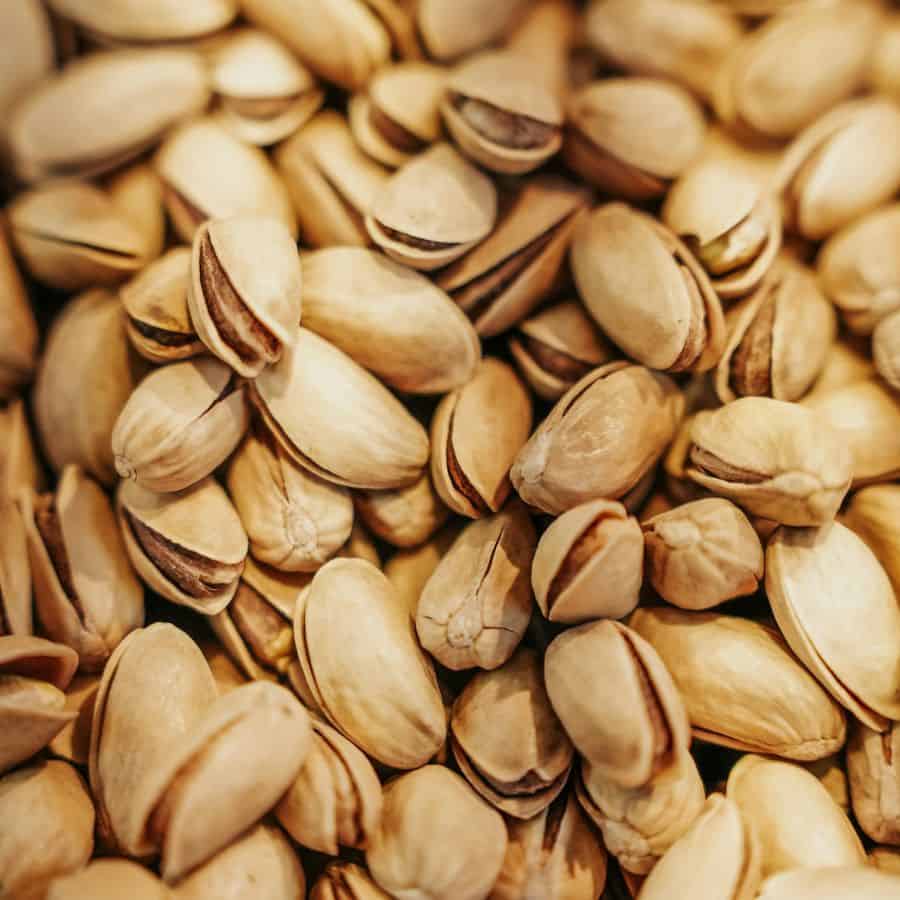
These small shells create a protective barrier for your soil. They regulate temperature, lock in moisture, and naturally suppress weeds while looking pretty nice, too.
• Spread shells 1-2 inches thick around plants (avoiding direct stem contact)
• Use in decorative containers for interesting texture
• Combine with traditional mulch for a unique look
A standard bag of mulch costs $3-5 and breaks down quickly, while shells from your snacking provide free, long-lasting protection.
From Snack Waste to Craft Projects
Those pistachio shells can be transformed into home décor that looks more expensive than it is.
The natural texture and unique shape of pistachio shells make them good for creating art pieces that bring natural elements indoors. They’re like tiny, uniform puzzle pieces waiting to be assembled.
Try these shell projects:
• Create layered flower art (painted or natural)
• Design holiday ornaments with natural or metallic finishes
• Craft textured mosaics on picture frames or mirrors
• Make miniature fairy garden accessories
Just clean, dry, and prepare your shells before crafting. Friends will ask where you bought it, the perfect chance to share your eco-friendly approach.
DIY Potpourri
Your home can smell great without expensive air fresheners. Pistachio shells have a helpful quality: their porous structure absorbs and slowly releases scents, making them natural diffusers.
Unlike commercial air fresheners that contain potentially harmful chemicals, shell-based potpourri brings natural fragrance to your home while reducing waste.

Create your own scent:
• Clean and completely dry shells
• Soak in essential oils (lavender, citrus, and cinnamon work well)
• Mix with complementary dried botanicals like rosemary or orange peel
• Display in breathable containers where you want fragrance
This natural potpourri lasts for months and can be refreshed with a few drops of essential oil when the scent fades.
Next time you enjoy pistachios, remember: those shells aren’t trash. From helping your plants to improving your home, these useful little things prove that sometimes the most valuable gardening resource is the one you almost threw away.