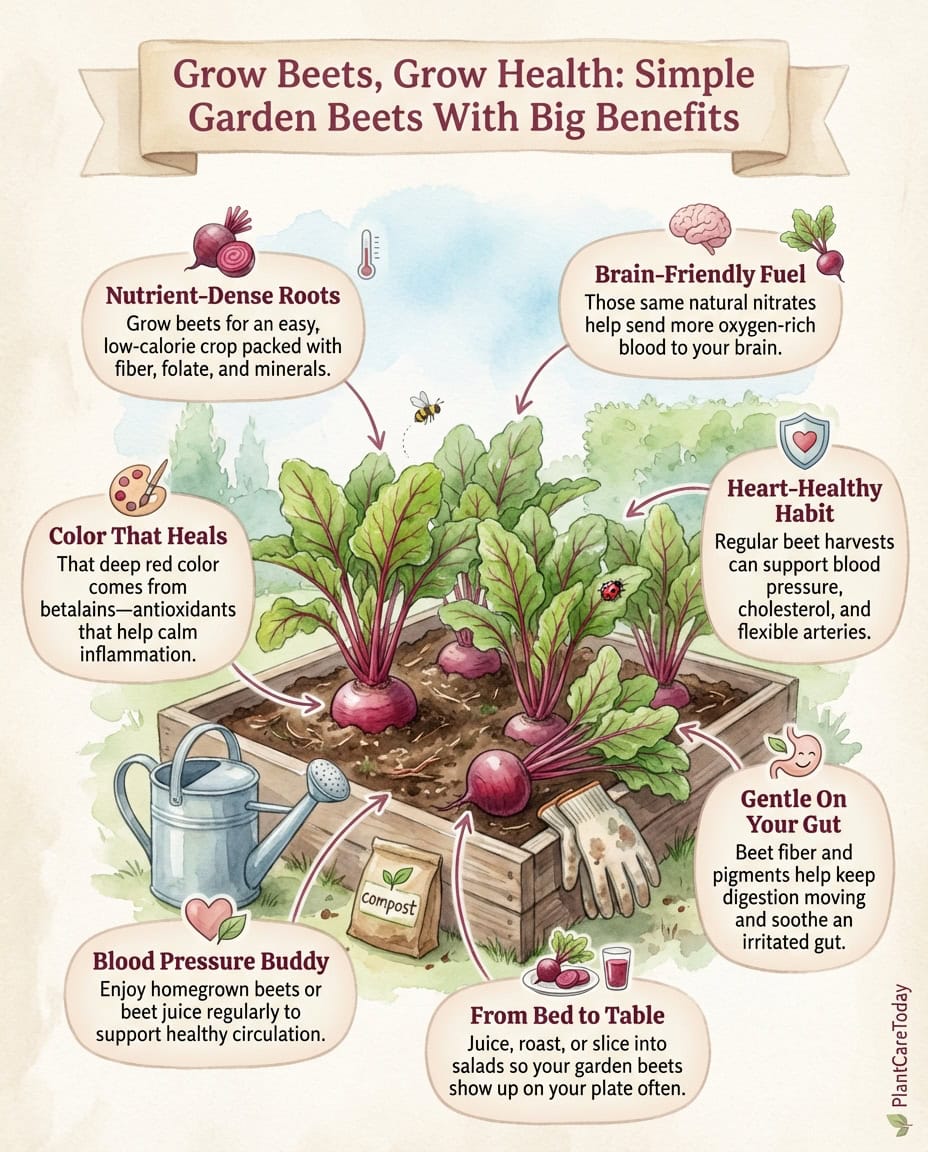
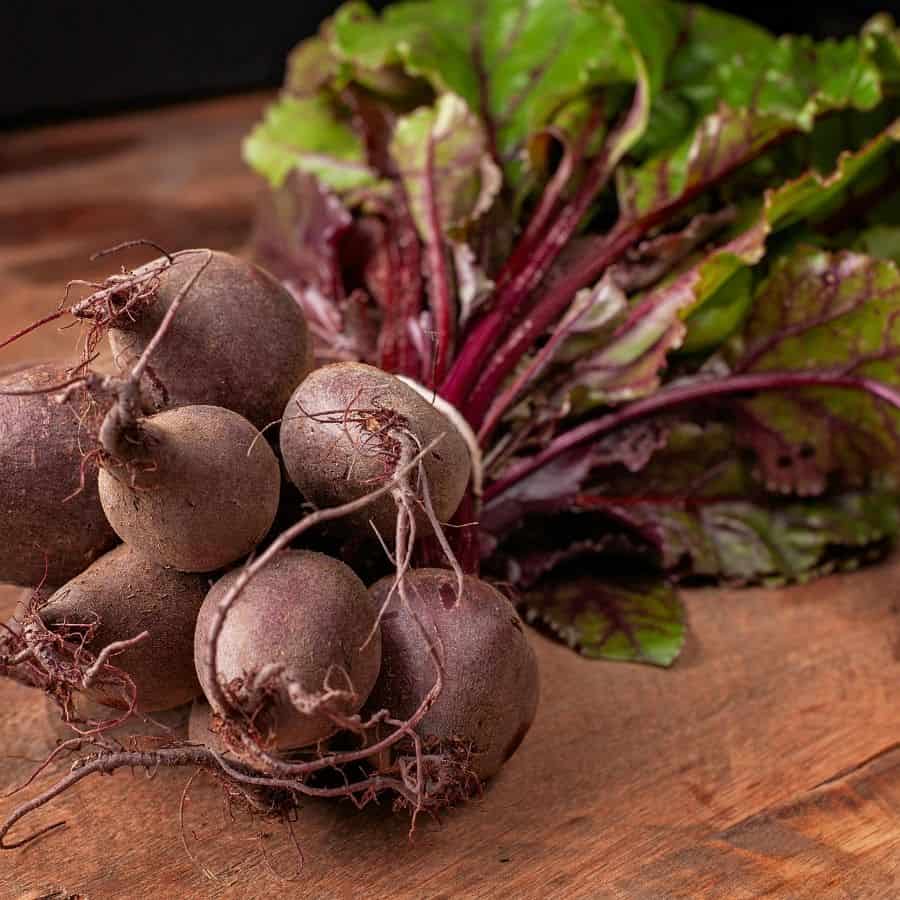
That humble beetroot sitting in your vegetable drawer? It’s actually a nutritional powerhouse that packs more healing potential than many expensive supplements.
I was surprised to learn that this bright root vegetable, often relegated to salad toppings, contains compounds so powerful they can help fight everything from high blood pressure to dementia.
And we’re not talking about vague “wellness” benefits either. We’re talking about research-backed, doctor-approved effects that target specific health conditions.
The Secret Superfood Hiding in Plain Sight
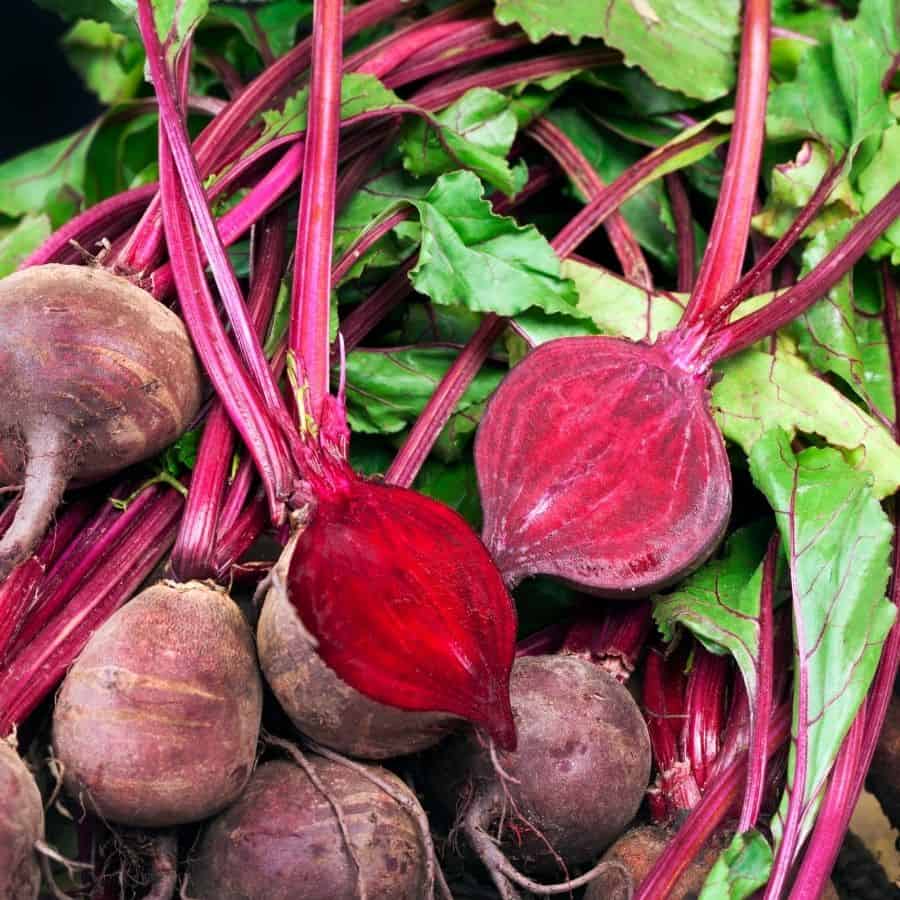
Beetroot’s deep red color isn’t just for show. It signals the presence of betalains, unique antioxidants you won’t find in most other foods. But that’s just the beginning of what makes this root vegetable special.
Each 100g serving (about one medium beetroot) contains:
• Only 43 calories
• 2.8g of fiber for gut health
• 20% of your daily folate needs
• 16% of your manganese requirements
• Good amounts of potassium, vitamin C, iron, and magnesium
But what really matters for your health isn’t the standard nutrients. It’s the natural nitrates and unique plant compounds that work like natural medicine in your body.
Blood Pressure Breakthrough: Nature’s Prescription
Beetroot works like nature’s blood pressure medication, and the science proves it.
Here’s the interesting part: your body converts beetroot’s natural nitrates into nitric oxide, which relaxes and widens your blood vessels. The result? Better circulation and lower blood pressure, often within hours of eating it.
One study published in Hypertension found significant reductions in both systolic and diastolic readings after participants drank beetroot juice. It works better than many people expect from a vegetable.
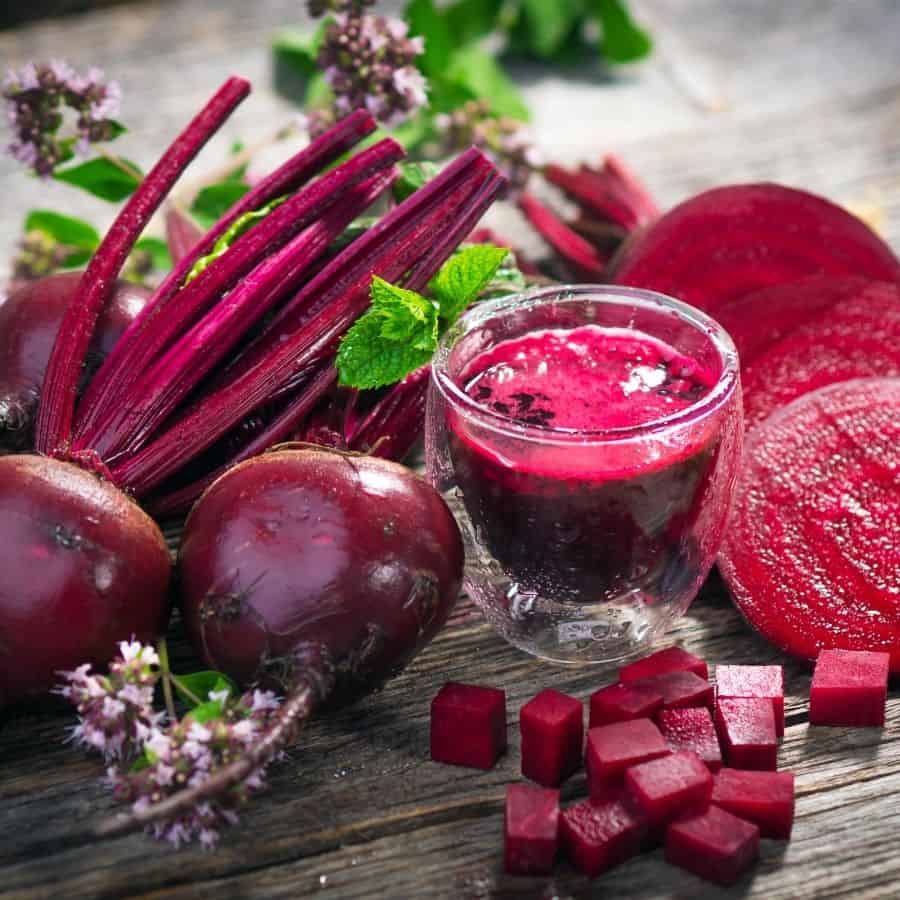
How to use it: Drink one cup of fresh beetroot juice daily or add roasted beets to your meals. For best results, consume it consistently rather than occasionally.
Brain Power: Feeding Your Memory and Focus
Your brain needs good fuel and a steady flow of oxygen to perform at its best. As we age, blood flow naturally decreases, but beetroot can help reverse this trend.
Those same nitrates that help your blood pressure also increase blood flow to your brain, especially to your frontal lobe, the area responsible for decision-making and memory.
Wake Forest University researchers found that older adults who drank beetroot juice before exercise showed significantly better brain function and oxygenation. It’s like giving your brain a natural tune-up.
Heart Disease Protection: A Multi-Layer Shield
Heart disease remains America’s #1 killer, but beetroot fights it through multiple pathways at once:
• Lowers blood pressure (as mentioned above)
• Improves cholesterol profiles for better artery health
• Reduces arterial stiffness for more flexible blood vessels
• Decreases inflammation that damages heart tissue
• Regulates homocysteine through its folate content
Think of beetroot as your heart’s personal bodyguard, providing protection from multiple angles.
The Anti-Inflammatory Helper: Arthritis & Digestive Relief
If you’re dealing with chronic inflammation (the root cause of arthritis, IBS, and many autoimmune conditions), beetroot might become your new go-to food.
Betalains, the powerful compounds that give beets their color, have anti-inflammatory properties comparable to those of some medications. They work by blocking specific inflammatory enzymes, such as COX-2.
For joint pain sufferers, this means potential relief without the side effects of regular drugs. For those with digestive issues, beetroot’s fiber and anti-inflammatory properties work together to soothe inflamed gut tissue and promote healing.
Cancer-Fighting Potential That Deserves Attention
While no food is a cancer cure, beetroot contains several compounds (betalains, betanin, and ferulic acid) that have shown anti-cancer properties in research studies.
These compounds work like specialized cleanup crews in your body. They neutralize free radicals, support natural detoxification, and potentially slow the growth of cancer cells, particularly in colon, breast, prostate, and lung cancers.
Laboratory studies have shown that beetroot extract can reduce tumor formation and growth. While it should never replace medical treatment, it makes a smart addition to a cancer-prevention diet.

Digestive Reset: Nature’s Gentle Solution
Constipated? Bloated? Digestive system feeling slow? Beetroot fiber works like a natural plumbing service for your intestines.
Its fiber adds bulk to stool, feeds your beneficial gut bacteria, and gently stimulates your digestive tract. Unlike harsh laxatives that can cause dependency, beetroot supports your body’s natural elimination processes.
The difference between new and experienced health enthusiasts is simply knowing which foods provide benefits beyond basic nutrition, and beetroot ranks high on that list for digestive health.
5 More Conditions Beetroot Can Help
1. Fatty Liver Disease: Beetroot’s betaine compound supports liver detoxification and protects cells from damage. It’s particularly helpful for non-alcoholic fatty liver disease (NAFLD), which affects up to 25% of Americans.
2. Diabetes: Despite their natural sweetness, beets have a low glycemic load and contain alpha-lipoic acid that helps regulate blood sugar and improve insulin sensitivity.
3. Bone Health: Rich in manganese, magnesium, and other minerals that maintain bone density and joint health. The improved circulation from nitrates helps your bones get the nutrients they need.
4. Athletic Performance: Want to exercise longer with less fatigue? Beetroot juice can increase endurance by up to 16% in high-intensity workouts by improving oxygen delivery to muscles.
5. Anemia: With its combination of iron, folate, and vitamin C, beetroot supports healthy red blood cell production, especially helpful for vegetarians or those prone to iron deficiency.
How to Use Beetroot for Better Health
Getting benefits from beetroot isn’t complicated, but consistency matters more than quantity. Here are the most effective ways to use it:
• Raw: Grate into salads, blend into smoothies, or juice with carrot and apple
• Cooked: Roast with olive oil, add to soups, or bake into crispy chips
• Powder: Use beetroot powder in smoothies, yogurt, or energy balls
• Fermented: Try pickled beets preserved in apple cider vinegar
What matters is choosing whole foods with natural healing compounds. Beetroot delivers these compounds in abundance.
Just a word of caution: If you have a history of kidney stones, low blood pressure, or diabetes, check with your healthcare provider before making beetroot a daily habit, as its potency can sometimes be too much of a good thing.
The bright color might temporarily stain your hands (and yes, your urine too), but that’s just visual proof of the powerful compounds now circulating through your body.