Ever looked at your friend’s spider plant dripping with babies while yours just sits there? You’re not alone.
The thing most people don’t realize is that those “spiderettes” only appear after your plant flowers, and getting those blooms requires some specific conditions.
Here’s what actually makes spider plants flower.
Why Your Spider Plant Won’t Bloom
About 70% of indoor spider plants never produce a single flower or baby. The reason? Our homes lack the natural seasonal changes these plants need to trigger flowering.
Spider plants aren’t being stubborn. They’re waiting for specific environmental cues. Without those signals, they’ll happily grow nice foliage but never take the next step.
What matters is giving your plant those seasonal changes it’s looking for.
The Light Factor
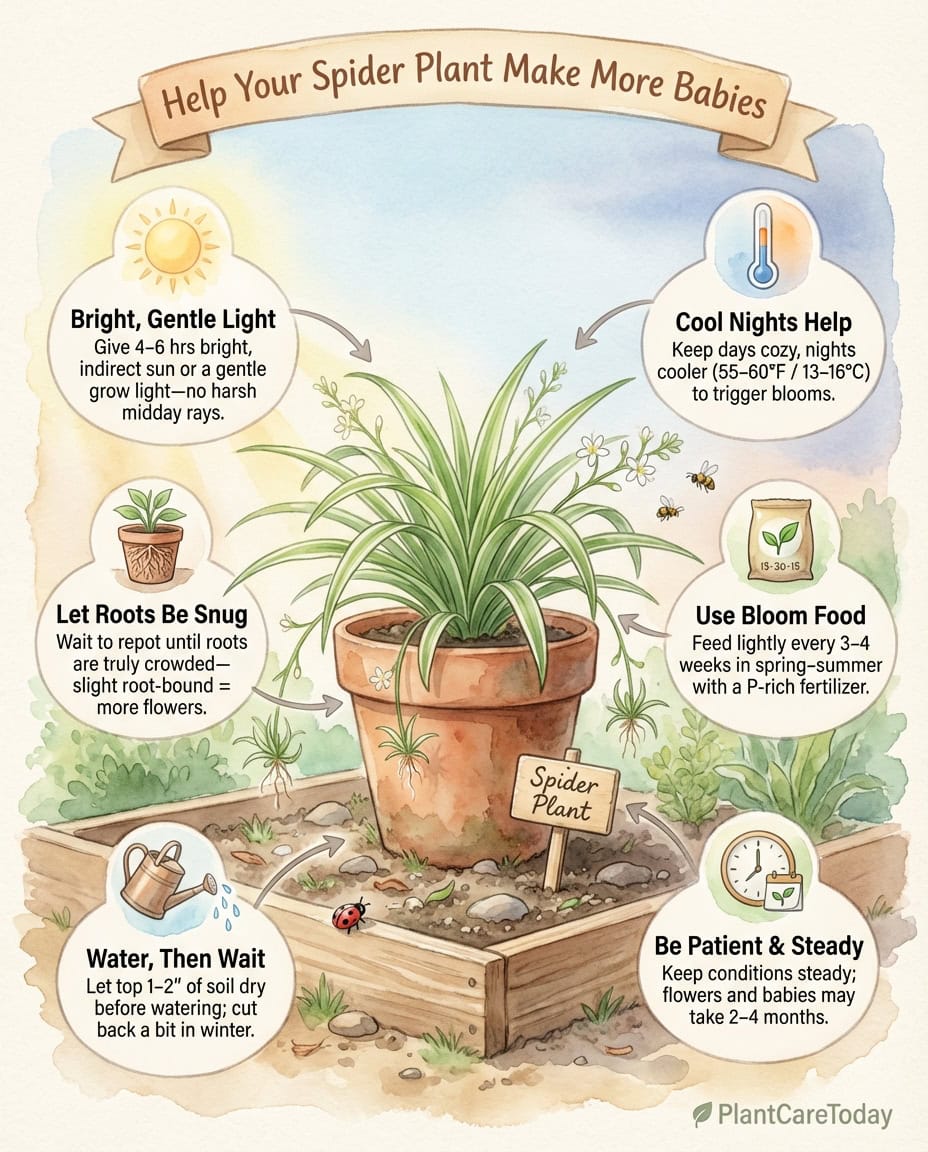
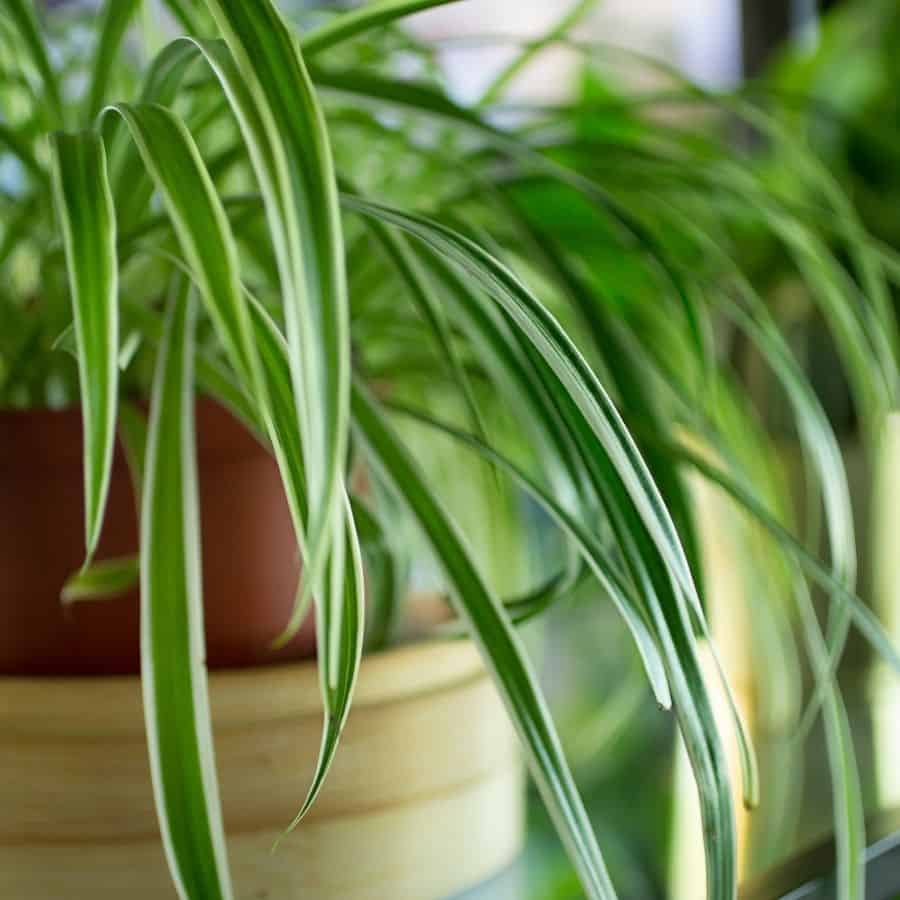
Forget what you’ve heard about spider plants thriving in low light. They might survive there, but they’ll never flower. What your spider plant really needs is light intensity.
• The minimum: 4-6 hours of bright, indirect sunlight daily
• A better option: LED grow lights positioned 12-18 inches above for 12-14 hours daily
• The warning: Direct sunlight will scorch those leaves
Think of light as the alarm clock that wakes up your plant’s flowering system. Without enough brightness, your spider plant stays in vegetative mode.
The Root-Bound Factor
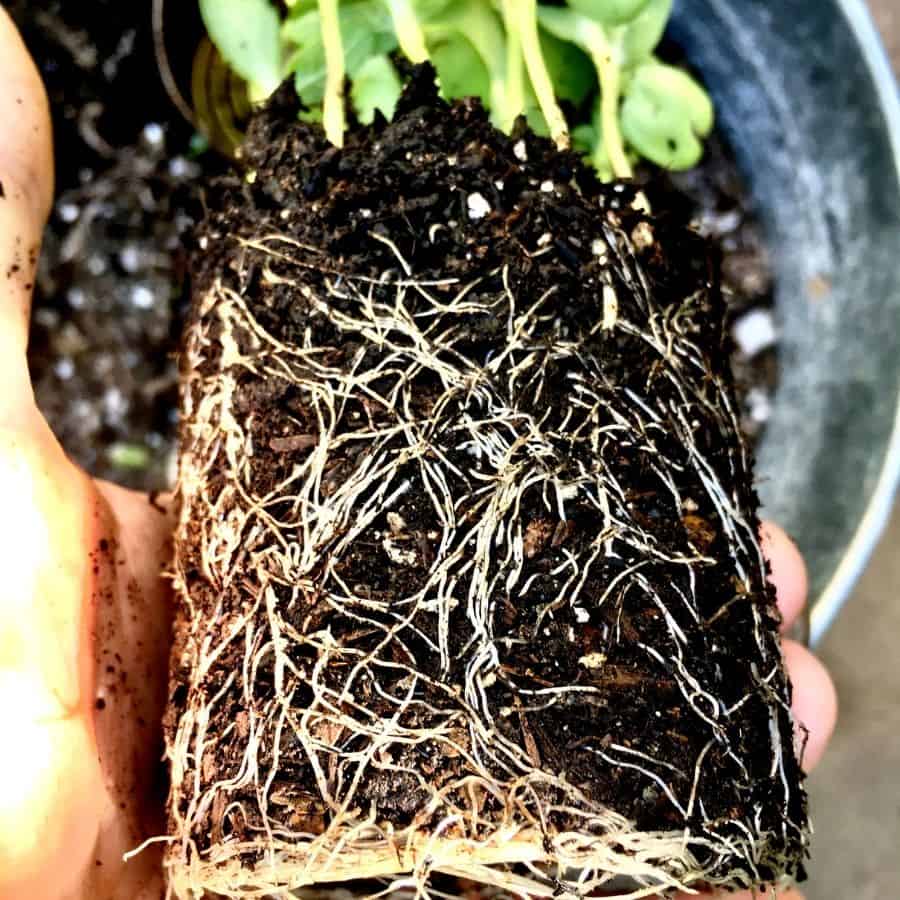
Here’s something that surprises people: spider plants actually prefer to be slightly cramped. Like creative types working in small spaces, they produce their best work when space is limited.
The difference between new and experienced plant parents is knowing when not to repot.
A slightly root-bound spider plant will often flower. It’s the plant’s way of saying, “I need to make babies before I run out of room.”
But there’s a fine line between productively crowded and desperately overcrowded. If roots are circling densely or bursting through drainage holes, your plant is too stressed to bloom.
The Temperature Trick
Most people keep their spider plants in consistent conditions year-round. But plants need contrast to flower.
The temperature formula for spider plant flowering:
• Daytime: A comfortable 65°F-80°F (18°C-27°C)
• Nighttime: A cooler 55°F-60°F (13°C-16°C)
This nighttime temperature drop signals to your plant that it’s time to bloom. It mimics the natural day-night cycle the plant evolved with.
5 Steps to Get Your Spider Plant to Bloom
Ready to try this? Follow these steps to encourage your spider plant to flower:
1. Light adjustment: Move your plant to an east or west-facing window where it gets bright but filtered light. If natural light is limited, add grow lights for 12-14 hours daily.
2. Water less: Let the top 1-2 inches of soil dry completely between waterings. During winter, cut back watering by about 30% to simulate a natural dry season.
3. Switch fertilizers: Use a phosphorus-rich fertilizer (look for a middle number higher than the first, like 15-30-15) at half strength every 3-4 weeks during spring and summer.
4. Create temperature contrast: Make cooler nights by moving the plant away from heat sources after sunset or placing it in a naturally cooler room overnight.
5. Don’t repot too soon: Resist the urge to repot until absolutely necessary. A slightly crowded root system encourages flowering.

I once followed these steps with a spider plant that hadn’t flowered in three years. Within two months, it was covered with those small white star-shaped flowers.
When Will You See Results?
This isn’t instant. Even under good conditions, your plant needs time to respond. Most spider plants will flower within 2-4 months of making these changes, with spring and summer being prime flowering seasons.
Consistency matters more than intensity here.
From Flower to Baby
Once those white flowers appear, you’re on baby watch. Not every flower produces a spiderette, but many will transform into those small plants dangling from long stems.
Healthy spider plants can produce up to 20 babies in a single season.
3 Ways to Propagate Your Spider Babies
When those babies finally arrive, here’s how to propagate them:
1. The attached method: Pin the baby into soil in a nearby pot while still attached to the mother plant. Once rooted (2-3 weeks), cut the stem.
2. The water method: Snip off the babies and place them in water. Change the water every few days until the roots grow to 1 inch, then plant.
3. The direct method: Plant babies directly in moist soil and cover with a plastic bag (with ventilation holes) to maintain humidity until established.
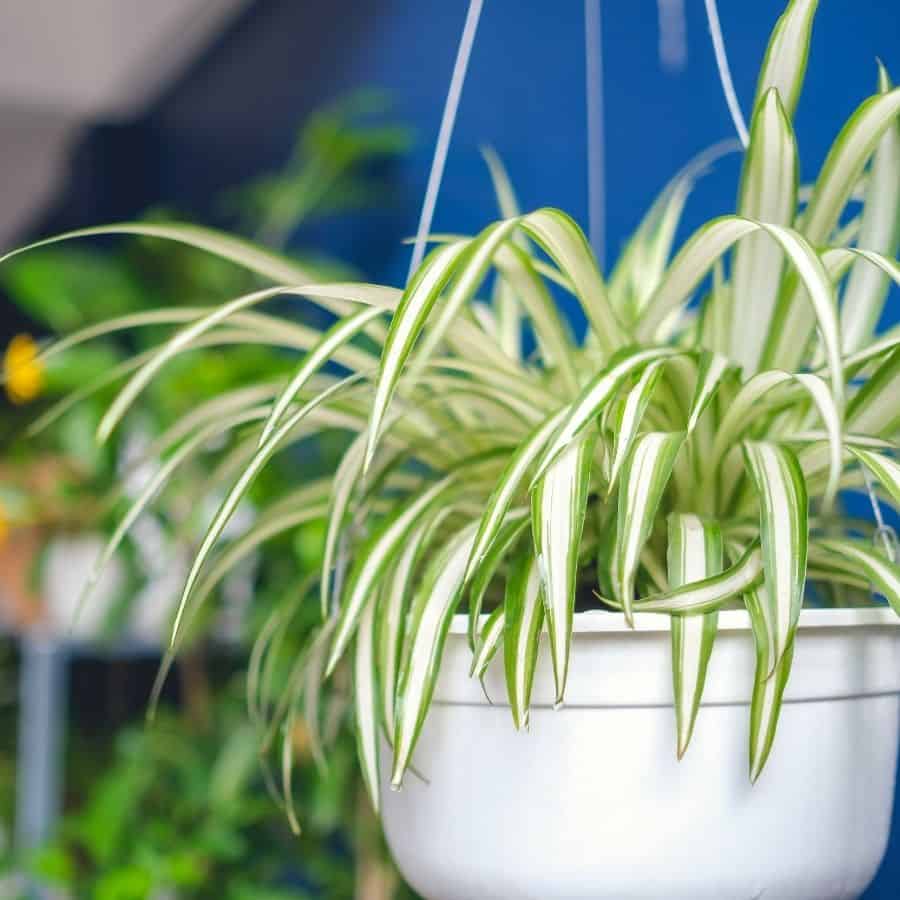
These babies make good gifts or additions to your collection.
Common Flowering Blockers
If you’ve tried everything and still have no blooms, check for these issues:
• Your plant is too young (under 1 year old)
• You’re using too much nitrogen fertilizer (creating lots of leaves but no flowers)
• Your home never drops below 65°F at night (too consistent for flowering)
• You’re watering too much (soggy soil prevents flowering)
Sometimes the best plant care is less intervention, not more.
The Real Benefit
Flowering isn’t just about getting cute babies. It means your spider plant is reaching its full potential, completing its natural cycle, and fulfilling its purpose.
By using these techniques, you’re creating conditions for your plant to flourish as it would in nature.