
You’ve been watching your Christmas cactus carefully, waiting for those pretty blooms to open. Then the buds start dropping before they even flower.
Before you give up on your plant, know that your Christmas cactus isn’t being difficult. It’s telling you something’s wrong. Here’s what that is.
Your Tropical Plant: Understanding Christmas Cactus Behavior
Forget what you’ve heard about cacti being tough desert plants. Your Christmas cactus is actually a rainforest plant from Brazil that grows on trees and rocks.
In their natural habitat, these plants can live over 100 years. Your holiday plant could outlive you with proper care.
These tropical plants bloom when days get shorter and nights get longer. They follow a three-stage bloom cycle:
- Pre-bloom (Late Summer–Early Fall): Energy storage and preparation
- Bud Formation (Mid-Fall): Tiny buds appear (this is when they’re most sensitive)
- Flowering (Late Fall–Winter): The payoff: weeks of blooms

When buds drop before opening, something stressed your plant during that middle phase. Let’s figure out what’s causing the problem.
1. Light Changes: When Brightness Goes Wrong
Your Christmas cactus doesn’t handle sudden changes in lighting well. These plants need 12-14 hours of darkness every night for 6-8 weeks to trigger blooming. Even a brief flash of light during this period can mess things up.
What matters most for your Christmas cactus is consistency, not intensity.
What to do:
- Keep your plant in one stable location during bud formation
- Shield it from artificial light at night (even brief exposure can disrupt flowering)
- Provide bright, indirect light during the day; think dappled sunshine, not harsh rays
2. Temperature Changes: Too Hot, Too Cold, No Gold
Your Christmas cactus struggles when the temperature changes too much. Those buds will drop at the first sign of drafts, blasts from heaters, or big temperature swings.
Even a 10°F temperature change can trigger bud drop overnight. That’s why so many plants struggle during the holidays.
Temperature targets:
- Pre-bloom: 60-65°F night, 65-75°F day
- Blooming: Slightly cooler (60-70°F) extends flower life

How to help:
- Move your plant away from drafty windows, doors, and heating vents
- Avoid cold windowsills (temperature swings are common there)
- Never let temperatures drop below 50°F
3. Watering Issues: The Goldilocks Problem
Most people make this mistake: they treat it like a desert plant or drown it like an aquatic one. Your cactus needs its moisture “just right.”
The right watering approach:
- Water when the top 1-2 inches of soil feels dry to the touch
- Use a well-draining cactus or succulent mix. Regular potting soil holds too much water
- Reduce watering slightly during bud initiation, then maintain even moisture (not soggy) once buds form
The real trick is that it’s often better to slightly underwater than overwater during bud formation. Roots that can breathe produce healthier buds.
4. Humidity Problems: Your Cactus Needs Moisture
While you’re cranking up the heat this winter, your Christmas cactus is struggling. Indoor winter air can drop below 20% humidity, while these plants need 50-60%.
Dry air slowly pulls moisture from your plant’s buds, causing them to shrivel and drop.
How to add humidity:
- Run a humidifier near your plant (this makes a big difference)
- Create a pebble tray with water beneath the pot (don’t let the bottom touch water)
- Group plants together to create a mini humidity zone

5. Moving Stress: Your Cactus Doesn’t Like Change
Once buds form, your Christmas cactus becomes sensitive to movement. Even rotating the pot can trigger bud drop.
When your Christmas cactus drops buds after being moved, it’s saying: “I’m stressed and can’t deal with change right now.“
How to keep it stable:
- Find the right spot before buds form and leave it there until flowering completes
- Only repot in late winter/early spring after blooming (never during bud season)
- Handle carefully if you absolutely must relocate
6. Fertilizer Mistakes: Nutrient Problems
Too much nitrogen creates a leafy plant that won’t bloom. It’s like feeding candy to kids and expecting them to calm down.
Fertilizing schedule:
- Spring to late summer: Balanced fertilizer monthly (10-10-10)
- Late summer/early fall: Switch to bloom-boosting formula higher in phosphorus (5-10-10)
- Once buds form, stop fertilizing (feeding during bud formation can cause them to drop)
7. Pest Problems: Uninvited Guests
Sometimes the problem behind your dropping buds is tiny and sneaky. Mealybugs, spider mites, and other pests can stress your plant so much that it drops buds to conserve energy.
How to deal with pests:
- Inspect weekly. Check leaf joints and undersides where bugs hide
- For small problems, dab pests with alcohol-soaked cotton swabs
- For larger problems, treat with insecticidal soap or neem oil
- Check for root rot by gently removing the plant from the pot. Healthy roots are firm and light-colored, not mushy and brown
8. Age and Overcrowding: Too Many Roots, Too Little Space
If your Christmas cactus hasn’t been repotted in years, it might be suffering from crowded roots. When roots get too crowded, they can’t efficiently absorb water or nutrients.
How to refresh:
- Repot every 3-4 years in slightly larger containers
- Divide overcrowded plants in early spring (this actually creates more plants)
- After repotting, allow several months for recovery before expecting normal blooming
The Best Trick for Better Blooms
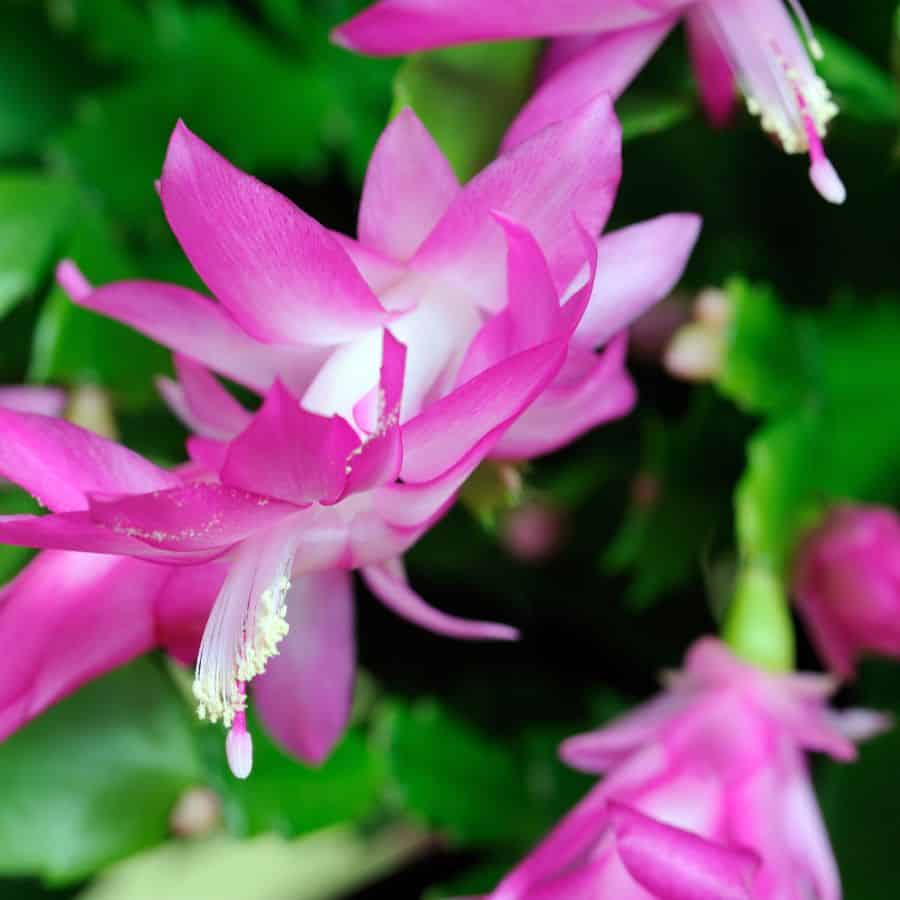
Want long-lasting blooms? Here’s what works: Intentional darkness treatment. Place your plant in complete darkness for 12-14 hours each night for 6-8 weeks in early fall. A closet or unused room works well.
Then maintain stable conditions once buds appear. No sudden changes in temperature, light, or watering. This simple routine mimics their natural forest conditions and triggers better flowering.
Remember: Christmas cactus can bloom for decades with proper care. These aren’t disposable holiday decorations but plants that can last for years.
With these tips, your plant can go from dropping buds to putting on a great show.