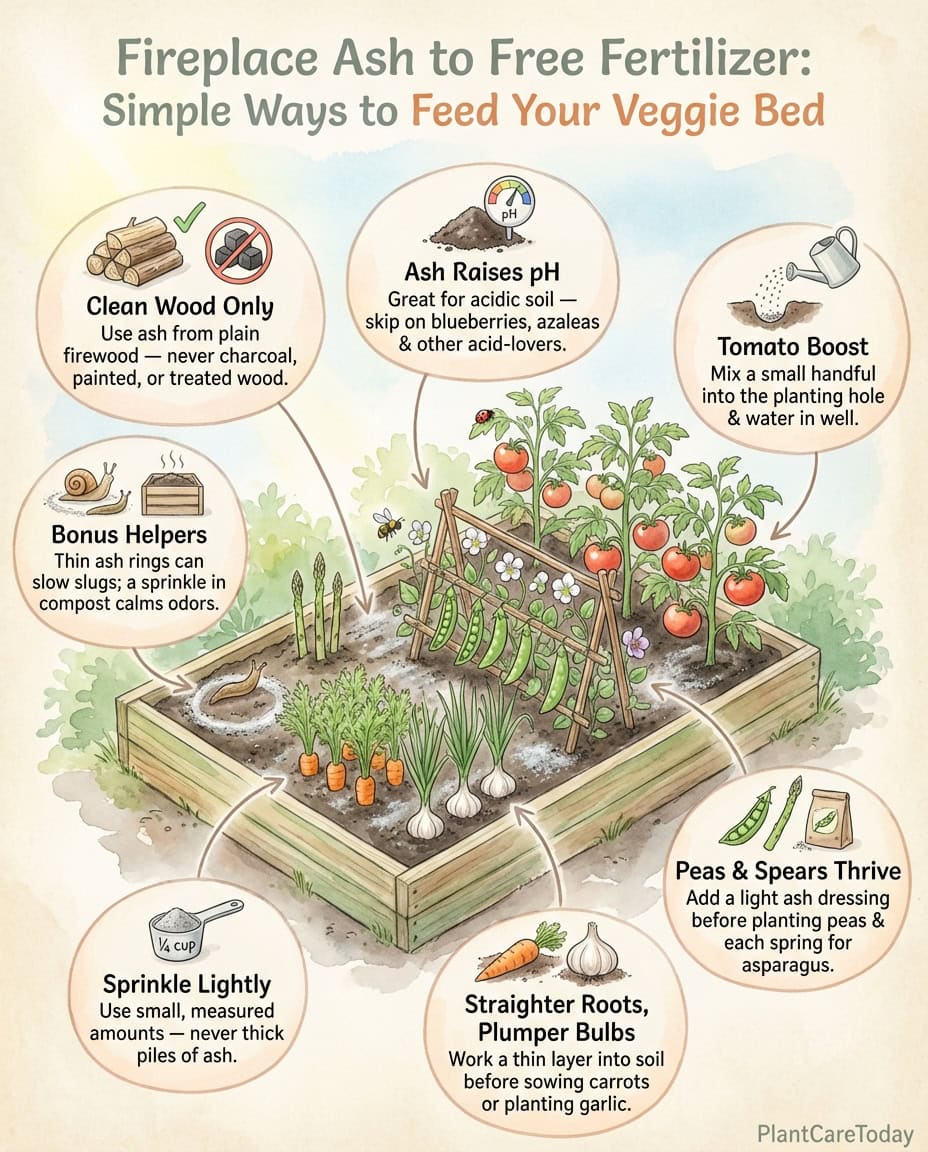
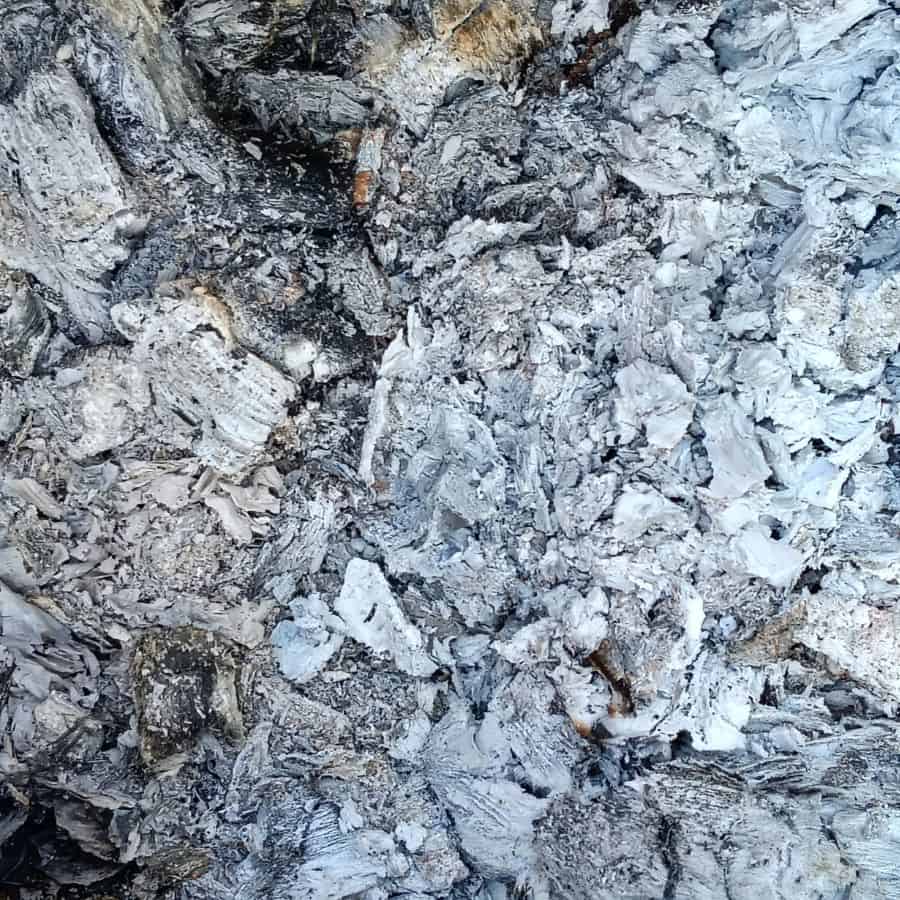
That pile of gray dust sitting in your fireplace isn’t trash. It’s actually really useful for your garden.
The ash from last night’s fire contains up to 5% potassium and a bunch of other nutrients your plants need.
While your neighbors spend money on fertilizers, you’ve been sweeping away something that could help your garden. Here’s how to use it correctly.
Nature’s Perfect Fertilizer (That Most People Throw Away)
Wood ash isn’t just burnt waste. It’s packed with minerals your garden can use. Think of it as a free multivitamin for your soil.
Wood ash contains nutrients that store-bought fertilizers try to replicate:
• Potassium for better flowering and fruiting
• Calcium for soil structure
• Magnesium for photosynthesis
• Phosphorus for root development
• Micronutrients like manganese, zinc, and iron
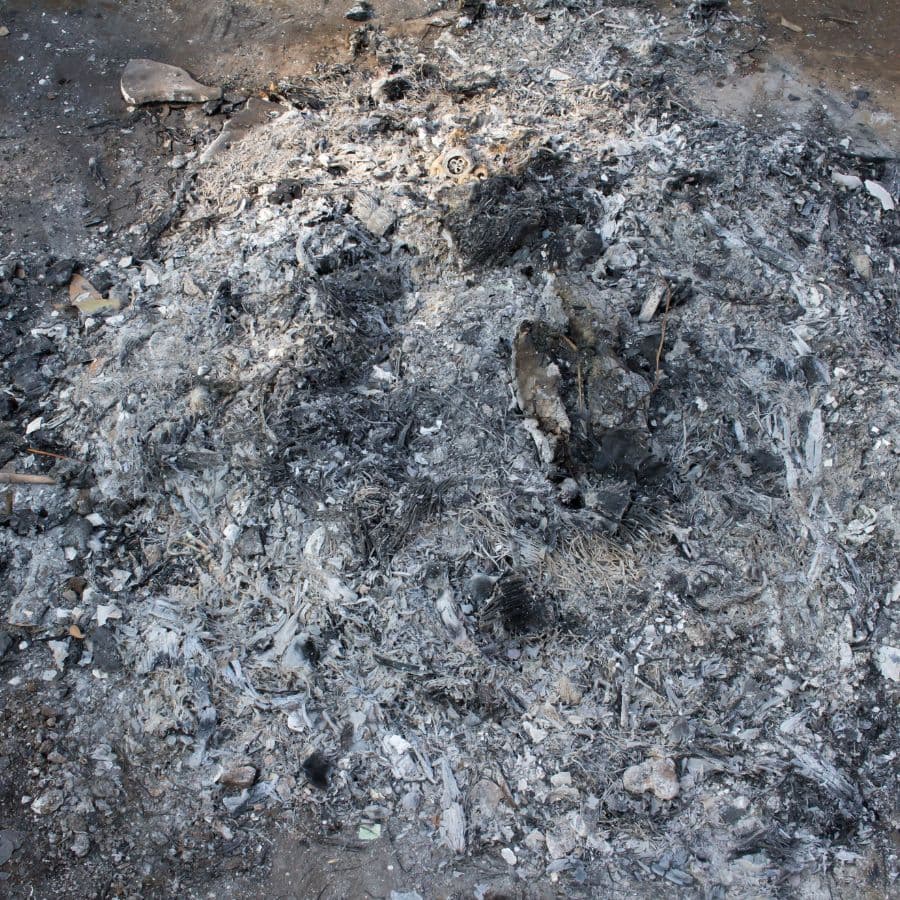
Here’s the catch: ash raises soil pH, making it more alkaline. This is great for many plants but bad for acid-lovers like blueberries or azaleas.
The Ash Safety Playbook (Read Before You Sprinkle)
Before you start using ash, you need to know what’s safe. The difference between helpful and harmful often comes down to the source.
Only use ash from:
• Clean, untreated natural wood
• Home fireplaces or wood stoves (without synthetic starters)
• Backyard fire pits burning natural wood
NEVER use ash from:
• Charcoal briquettes with additives (they’re toxic)
• Painted, stained, or pressure-treated wood
• Fires started with chemical fluids
5 Benefits Your Garden Gets from Wood Ash
Wood ash does more than one thing for your garden. Here’s what it can do:
- pH Balancing: Neutralizes acidic soil naturally
- Potassium Boost: Helps flowering and fruiting without synthetic chemicals
- Soil Texture: Breaks up clay and improves drainage
- Natural Pest Barrier: Deters slugs and soft-bodied pests
- Compost Helper: Neutralizes odor in stinky compost
The 7 Plants That Do Best with Wood Ash
Not all plants like ash, just as not everyone likes spicy food. These 7 plants really benefit from this mineral-rich addition.
1. Tomatoes: The Potassium Lovers
Tomatoes need a lot of potassium, and ash delivers exactly that for sturdy stems and lots of fruit.
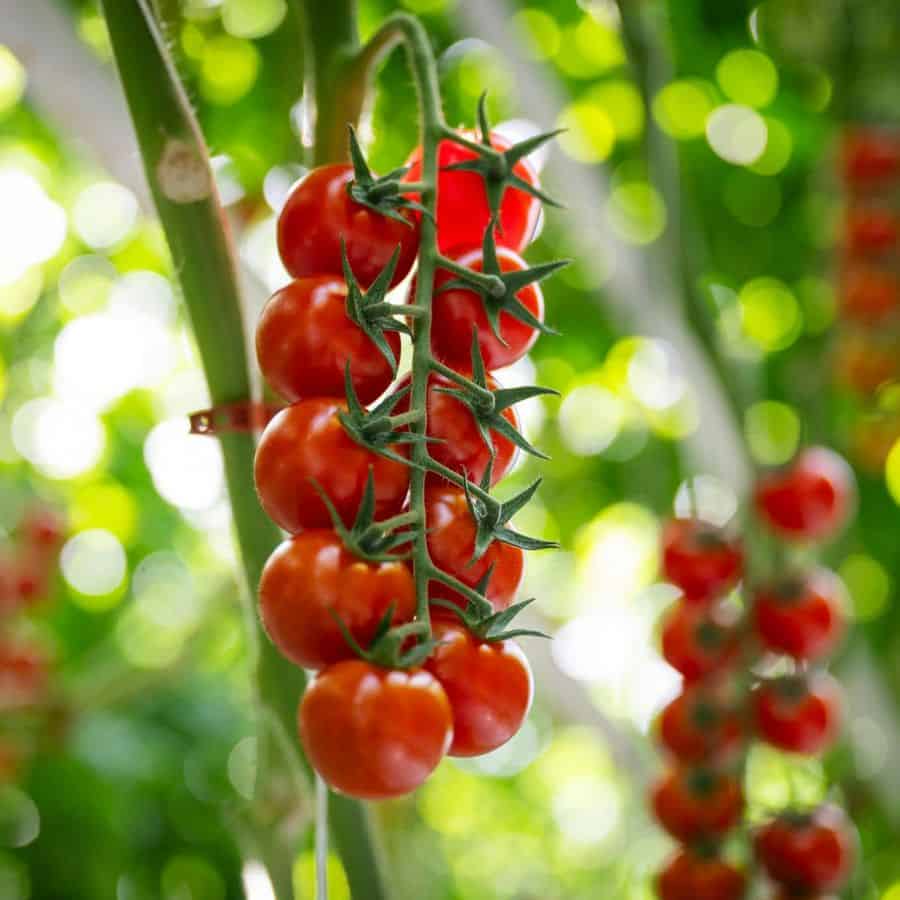
How to feed them:
• Add ¼ cup of ash to the planting hole
• Side-dress with ½ cup mid-season
• Always water in thoroughly
Quick note: Skip the ash if your tomatoes have blossom-end rot. It can make the problem worse.
2. Garlic: The Bulb Enhancer
Garlic bulbs get plumper and more disease-resistant with wood ash. The calcium and sulfur are exactly what these bulbs need.
Application:
• Work 1-2 cups into the soil before fall planting
• Give a light dusting in spring when green shoots appear
3. Carrots: The Root Beautifiers
Carrots develop longer, straighter, and more flavorful roots in ash-amended soil.
A light ash application before seeding helps prevent forked roots and even repels carrot rust flies.
4. Peas: The Flowering Machines
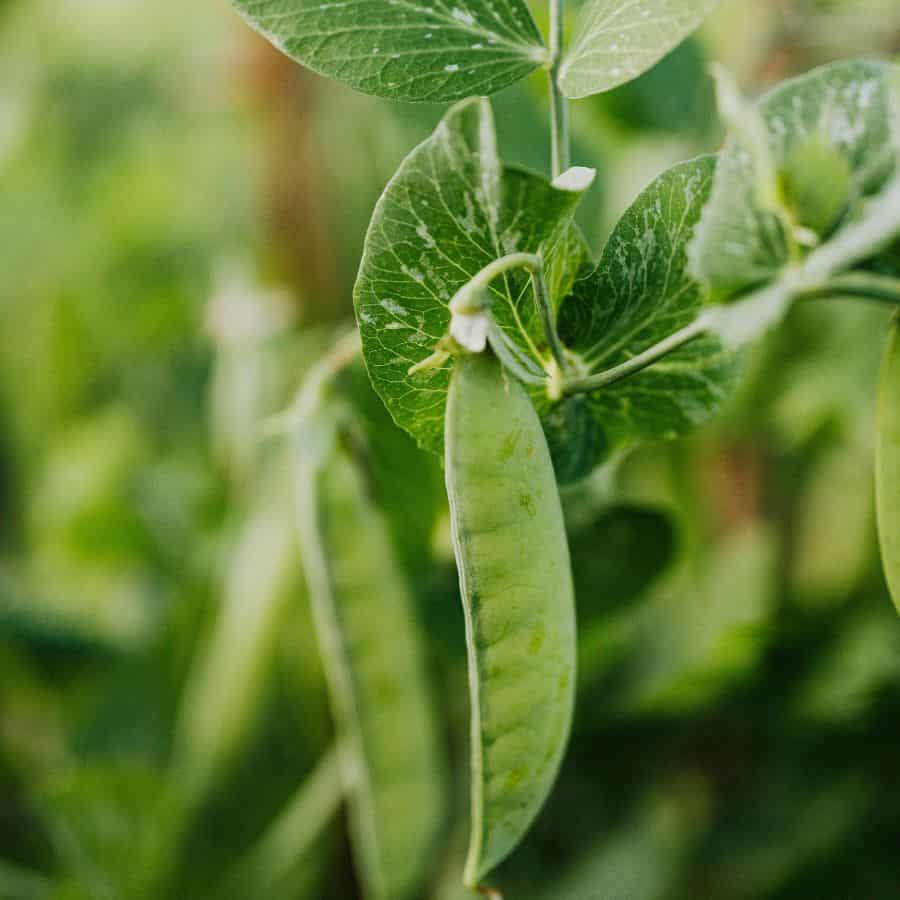
Peas produce more flowers and pods with a potassium boost from ash.
For best results:
• Mix ½-1 cup into the soil before planting
• Add a small side-dressing when flowering begins
5. Asparagus: The Perennial Prize
Asparagus produces thicker, more robust spears when treated with an annual ash application.
Apply 1-2 cups per square yard in early spring before spears emerge. Calcium and phosphorus help create strong growth.
6. Grapes: The Sweetness Enhancers
Grape vines do really well with wood ash. Potassium and calcium support growth and enhance fruit quality and sweetness.
Apply 2 cups per vine in early spring and water deeply. Just keep the ash away from direct contact with the trunk.
7. Brassicas: The Cabbage Family All-Stars
Cabbage, kale, broccoli, and cauliflower all benefit from wood ash. These alkaline-loving vegetables develop denser heads and stronger pest resistance.
For healthy brassicas:
• Mix ash into soil before transplanting seedlings
• Use 1 cup per square yard
• Apply mid-season for long-growing varieties like cabbage again
Bonus tip: A circle of ash around brassicas deters slugs and cabbage worms.
Plants That Won’t Like Ash
A common mistake is thinking that if ash is good for some plants, it’s good for all. These acid-loving plants will struggle if you give them ash:
• Blueberries
• Rhododendrons and Azaleas
• Blue Hydrangeas (ash actually turns them pink)
• Potatoes (promotes scab disease)
• Strawberries
• Raspberries
When in doubt, check your soil’s pH first. If it’s already above 7.5, skip the ash.
How to Apply Ash the Right Way
The difference between new and experienced gardeners often comes down to knowing how to apply amendments correctly. Follow these guidelines:
DO:
• Use modest amounts (10-15 lbs per 1,000 square feet annually)
• Mix ash into the soil rather than leaving it on top
• Apply during dry weather (rain can create alkaline runoff)
• Add to compost (1 cup per cubic foot) to balance acidic materials
DON’T:
• Mix ash with nitrogen fertilizers. They neutralize each other
• Apply fresh ash directly to seedlings (it’s too strong)
• Use near acid-loving plants (even the drift can affect them)
• Add to worm bins (worms find it irritating)
Beyond Fertilizing: Other Ways to Use Ash
Wood ash does more than just feed plants. Here are three useful ways to use it:
• Pest Barrier: Create a circle around plants to keep slugs and soft-bodied insects away. They don’t like crossing the powder.
• Natural Ice Melt: Sprinkle on garden paths in winter instead of chemical salts. It provides traction and melts ice.
• Odor Neutralizer: A sprinkle in smelly areas of the garden or compost bin absorbs odors.
Wood ash might look like worthless gray dust, but it’s actually one of the better free resources for gardeners.
By applying it to the right plants in the right amounts, you’re recycling a natural resource and giving your garden a boost that costs nothing.
Your plants will respond with stronger growth, better blooms, and bigger harvests, all from something you were about to throw away.