
Did you know that the plant sitting on your windowsill was once buried with pharaohs and used daily by Cleopatra herself? That’s right.
Aloe vera isn’t just any houseplant. This spiky succulent has been valued for over 3,000 years as the “Plant of Immortality,” and I was surprised to learn that modern science confirms what ancient civilizations already knew: this plant really does have impressive healing properties.
Why This 3,000-Year-Old Plant Is Still a Beauty Staple
Egyptian queen Cleopatra relied on aloe vera as her beauty secret. While she ruled an empire, this simple plant was central to her daily beauty routine.
But aloe’s popularity wasn’t limited to Egypt. This plant spread quickly across the ancient world. From Mesopotamian healers to Chinese physicians, people sought aloe’s healing properties.
Here’s what matters most: aloe vera’s gel contains over 200 bioactive compounds packed into just 5% of its content (the rest is water).
That’s a lot of helpful ingredients hiding inside each leaf, ready to help with everything from sunburns to digestive issues.
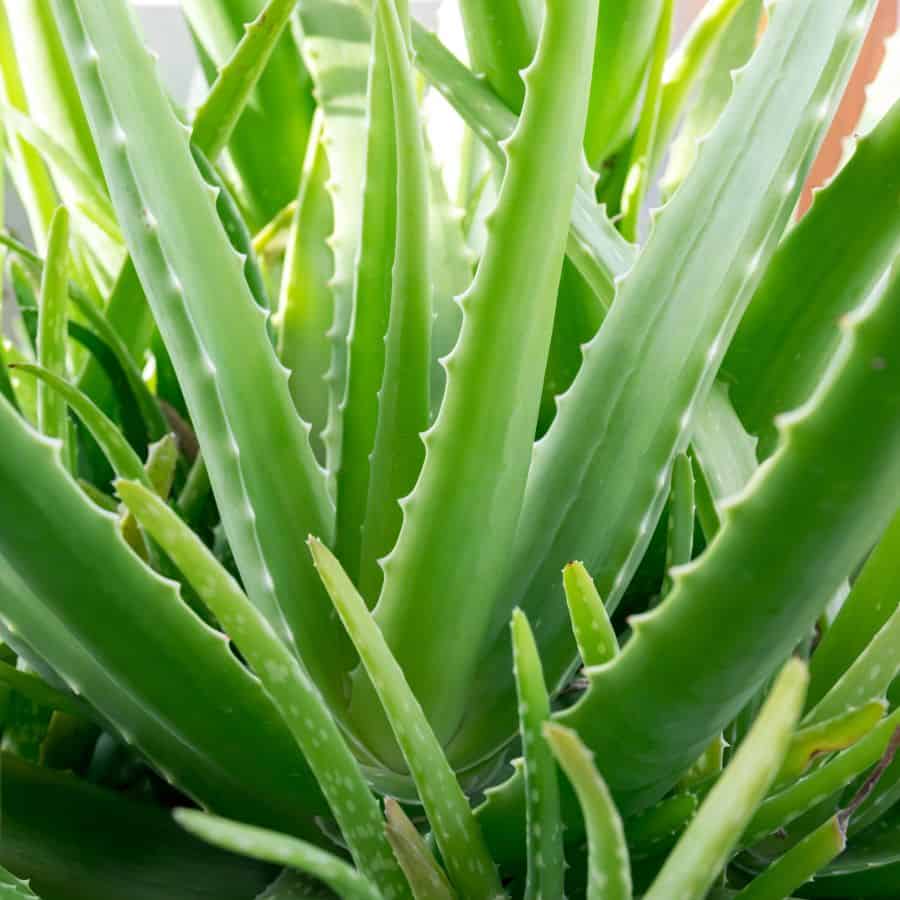
5 Helpful Properties Hidden in Those Spiky Leaves
Your aloe plant is way more than just sunburn relief. This succulent is practically a small pharmacy disguised as a houseplant.
• Skin helper: Aloe speeds up wound healing, hydrates without clogging pores, and helps your skin absorb moisture.
• Burn relief: Got a cooking mishap or too much sun? Aloe’s cooling gel reduces pain, redness, and peeling while helping recovery.
• Digestive soother: Aloe juice helps with acid reflux better than many over-the-counter remedies (just avoid the yellow latex part, which is a strong natural laxative).
• Inflammation fighter: Those aches and irritations don’t stand a chance against aloe’s natural anti-inflammatory compounds.
• Immune support: The polysaccharides in aloe enhance white blood cell activity – it basically gives your immune system a boost.
And yes, aloe can soothe mouth irritation too, while fighting plaque and bad breath.
Easy to Grow: Your Low-Maintenance Plant
The difference between new and experienced plant owners is knowing what plants actually need. With aloe, it’s not much. This plant does well with minimal care.
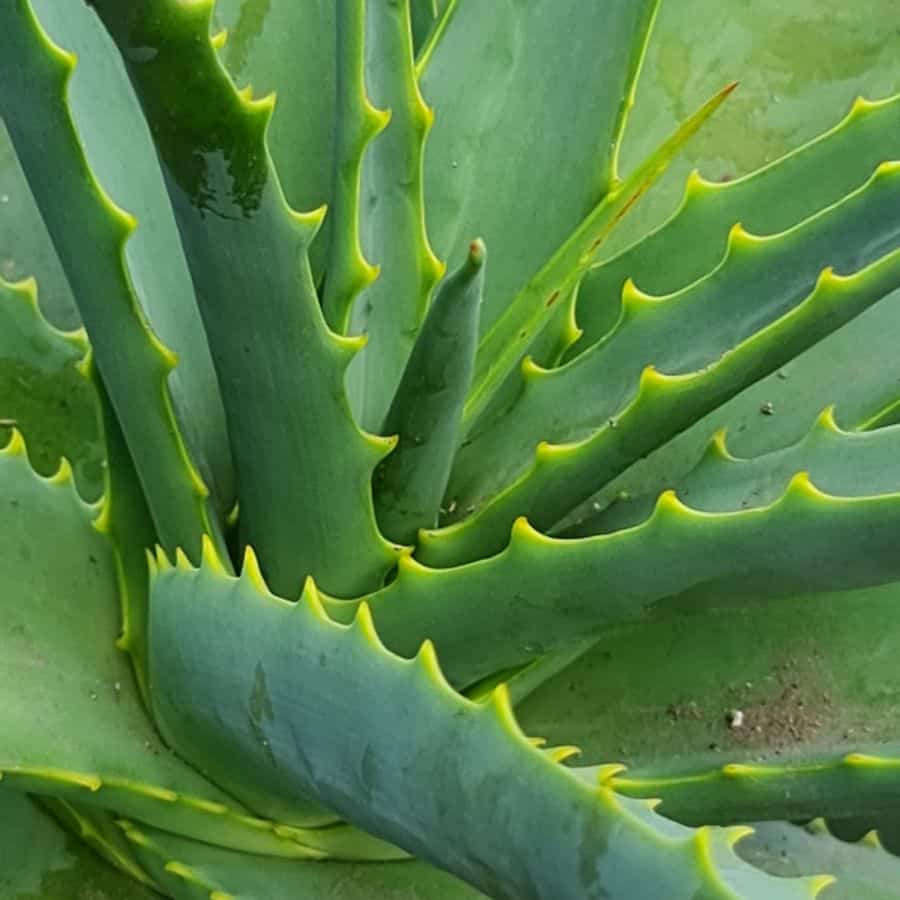
Most people make this mistake with their aloe: they love it to death, literally, by overwatering. This plant would rather be bone dry than sit in soggy soil. Think of it as the introvert of plants: it needs its space.
The Simple Aloe Growing Guide:
• Light: Bright indirect sunlight (at least 6 hours daily), without enough light, your aloe will stretch out awkwardly.
• Soil: Fast-draining cactus or succulent mix that won’t hold water. Your aloe’s roots should never sit in water.
• Container: Terracotta pots with drainage holes work best. They’re breathable for your plant.
• Watering: The “soak and forget” method works well. Water thoroughly, then wait until the soil is completely dry before watering again (usually 2-3 weeks indoors).
• Temperature: Comfortable between 55–85°F (13–29°C). Basically, if you’re comfortable, your aloe is too.
Living in zones 9-11? Your aloe can live outdoors year-round. Just give it well-drained soil and watch it thrive.
How to Harvest: Turning Plants into Gel
Here’s where it gets practical. When your aloe grows up (with mature, thick outer leaves), you can start harvesting its gel. This is like having your own personal healing gel on hand.
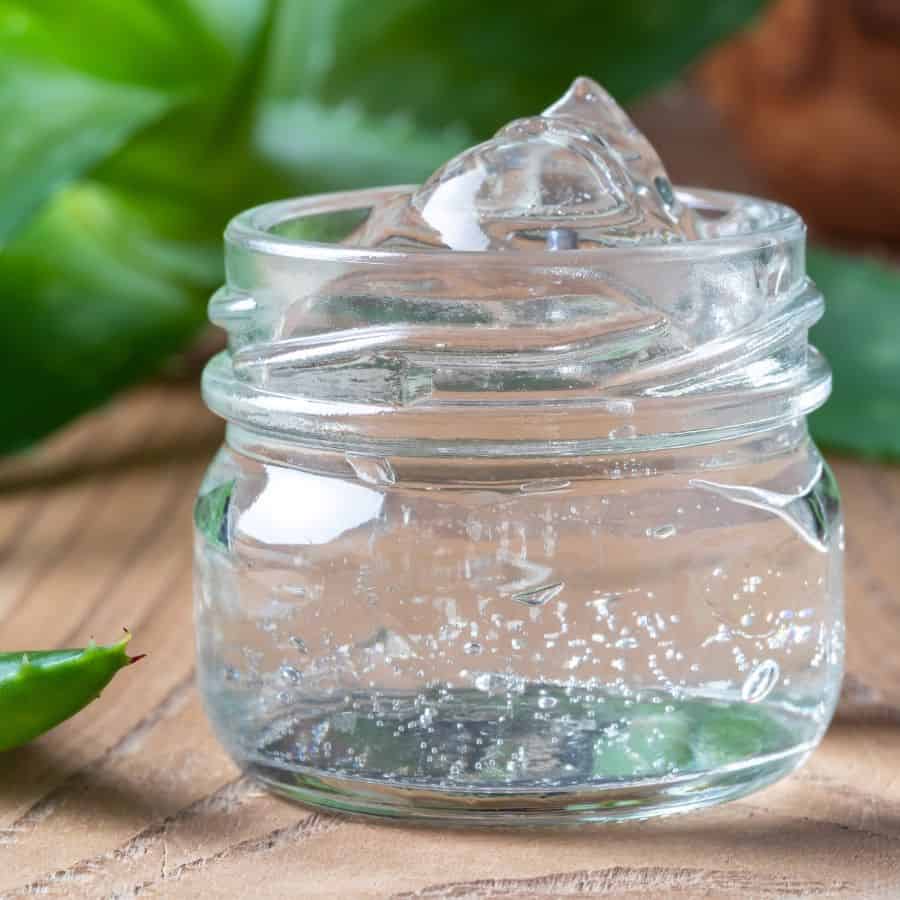
The real trick is knowing how to extract that gel without the irritating yellow latex. Here’s how:
- Choose the outermost, thickest leaves (at least 8 inches long).
- Cut at the base with a clean knife.
- Position the cut end downward and let the yellow latex drain for 10-15 minutes. (This stuff is powerful – ancient civilizations used it as a laxative, and they weren’t kidding.)
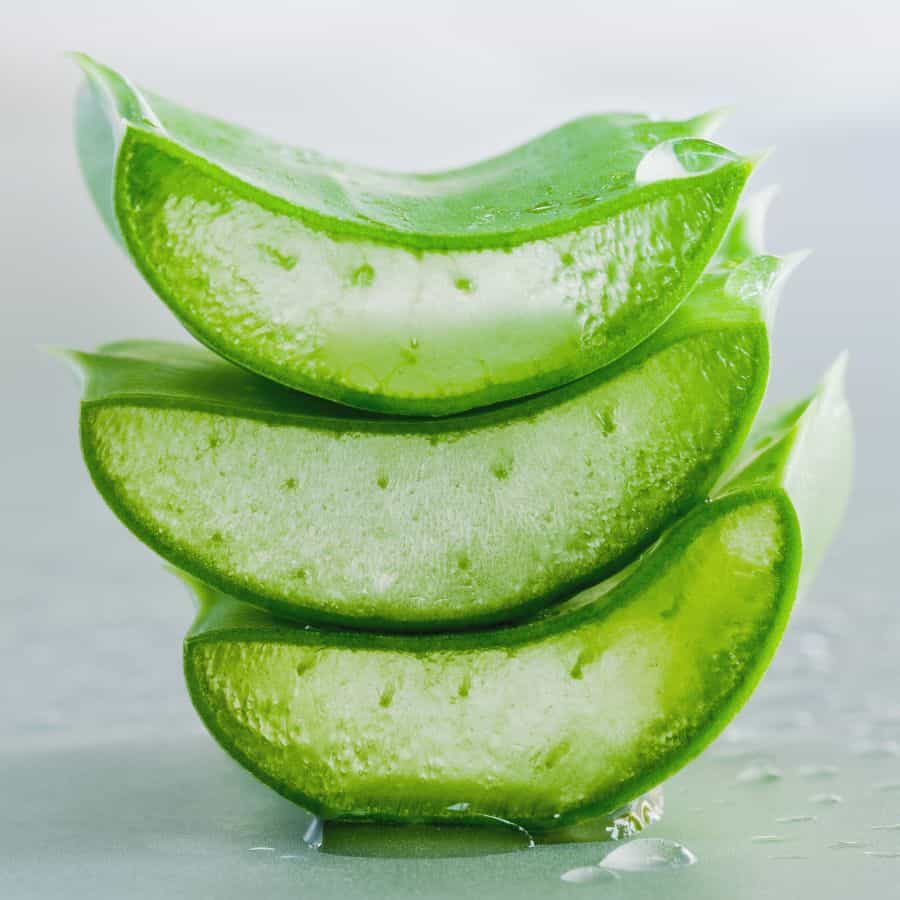
- Slice open the leaf and scoop out that clear, cooling gel.
- Use immediately or refrigerate for up to a week.
You’ve just harvested what ancient Egyptians considered valuable enough to place in royal tombs. That’s a nice upgrade for your bathroom cabinet.
Simple Ways to Use Your Aloe
Once you’ve got that gel, there are plenty of ways to use it. Your aloe goes from a pretty plant to a personal wellness helper:
• DIY Skincare: Mix fresh gel with a few drops of vitamin E oil for a face mask that costs pennies compared to store-bought versions.
• Hair care: Dealing with dry scalp? Massage aloe gel directly into your scalp, wait 30 minutes, then rinse for healthier, flake-free hair.
• Natural First-Aid: Keep a leaf in your refrigerator for immediate burn relief that works better than many commercial products.
• Air purifying: Aloe’s air-purifying qualities are real, making it a functional addition to any room.
And here’s a helpful bonus: aloe reproduces by creating “pups.” Baby plants that grow at the base.
Simply twist these off when they’re about 3 inches tall, let them dry for a day, and plant them. Free plants forever.
From Ancient Times to Your Living Room
There’s something satisfying about growing a plant that has remained valued since the time of the pharaohs.
In our world of constant change, aloe vera stands as a reminder that some things are simply effective as they are.
This isn’t just another houseplant. It’s a living connection to ancient wisdom, a practical medicine chest, and a nice-looking succulent all in one spiky package.
So the next time you pass by that aloe plant at the garden center, remember: you’re not just buying a plant.
You’re getting a piece of living history that might help your skin, soothe your sunburn, and even support your digestion, all while looking good on your windowsill.
Because the best things in life haven’t changed in 3,000 years. And they require almost no watering.