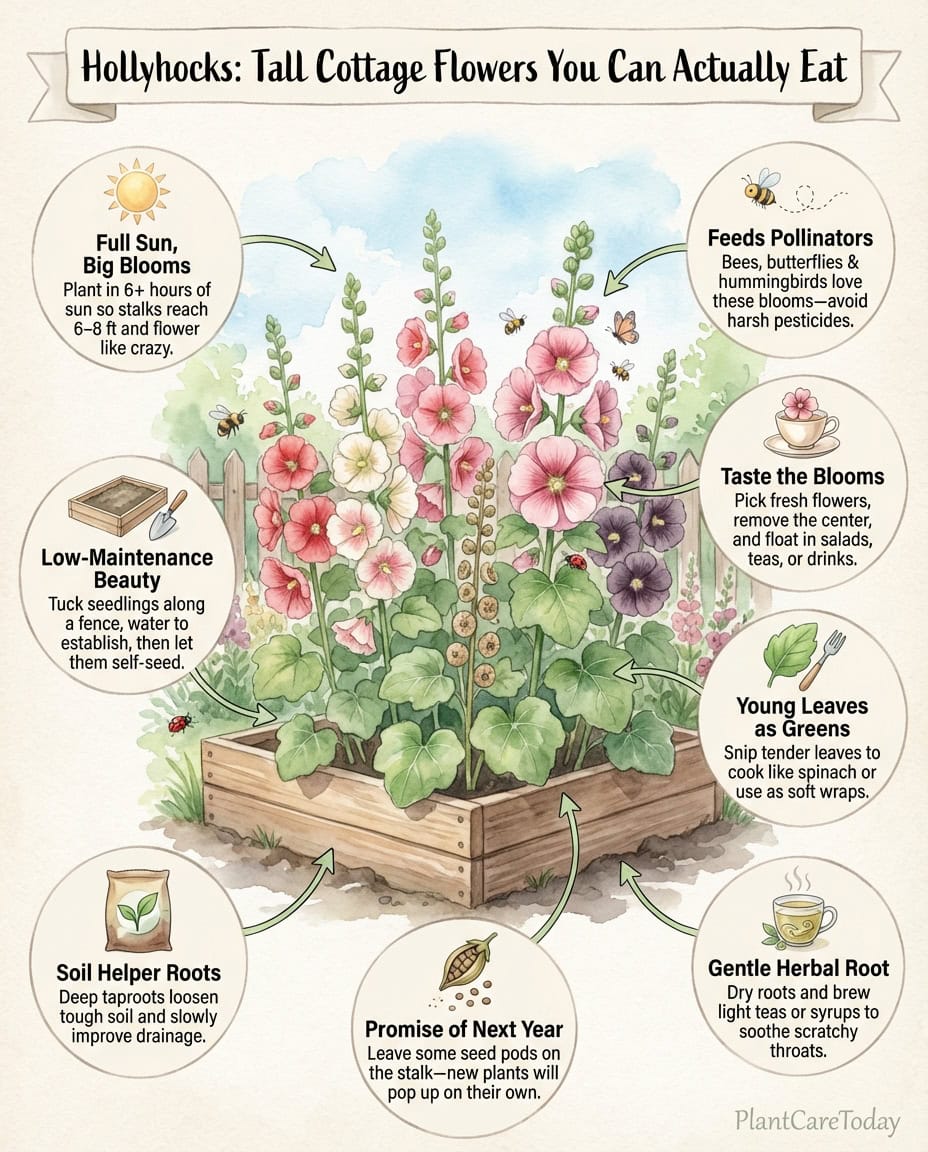
Think hollyhocks are just pretty garden decorations? Think again! These towering beauties are the Swiss Army knife of plants, stunning enough to stop traffic and useful enough to fill your plate.
I was shocked to discover that every single part of this classic cottage garden favorite is both edible and medicinal.
From their impressive 8-foot flower spikes down to their deep taproots, hollyhocks are working overtime to earn their place in your garden.
Meet Your Garden’s Next Superstar (That’s Hiding in Plain Sight)
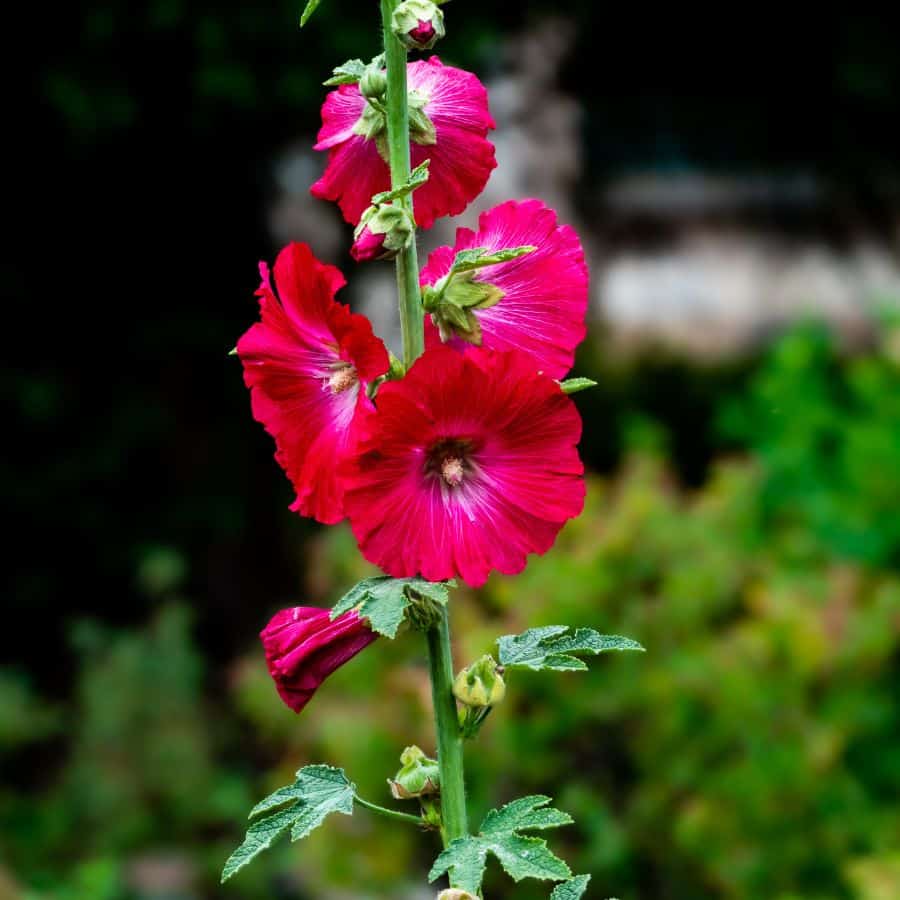
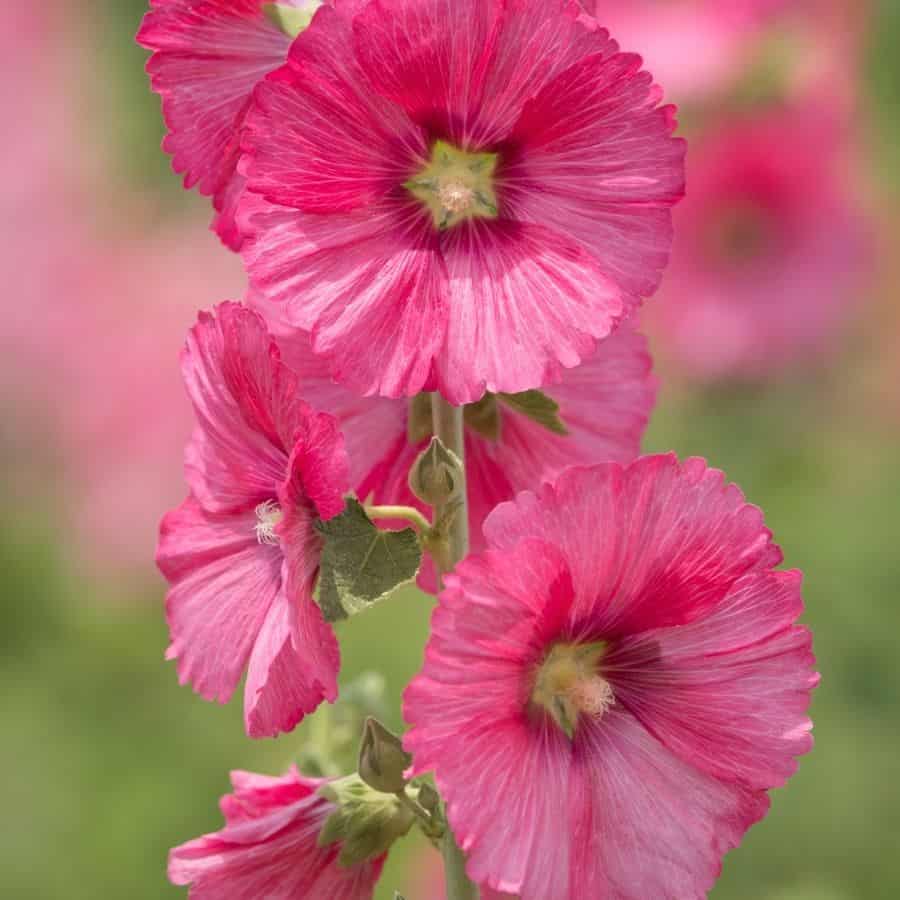
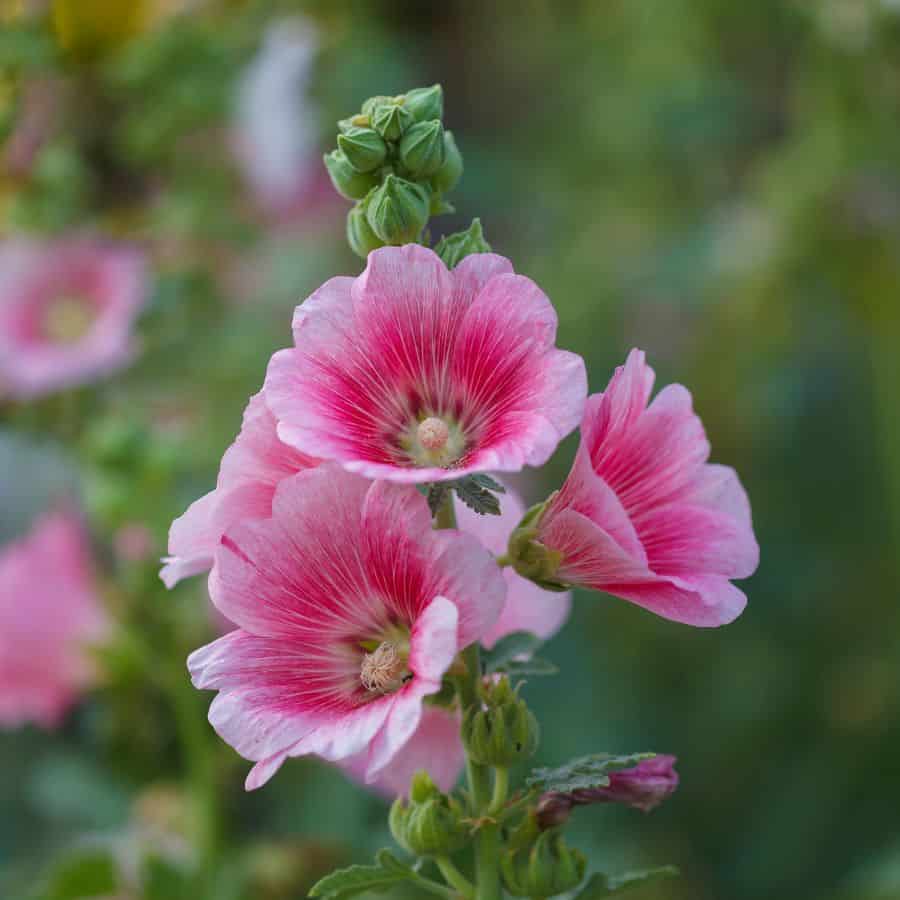
Hollyhocks (Alcea rosea) are the gentle giants of the garden world, soaring up to 8 feet tall with show-stopping blooms in vibrant pinks, purples, whites, reds, and even dramatic blacks.
They’re like the forgotten celebrities of traditional gardens. Everyone recognizes them, but few people know their full potential.
Part of the mallow family (Malvaceae), these striking plants are cousins to hibiscus, okra, and marshmallow.
The game-changer for your garden isn’t just their dramatic height. It’s their incredible versatility. While most ornamental plants offer either beauty OR function, hollyhocks deliver both in spectacular fashion.
And here’s something most people don’t realize: hollyhocks have been used in traditional medicine for centuries. That’s right. Your great-grandmother’s favorite cottage flower might have also been her medicine cabinet!
7 Mind-Blowing Reasons Your Garden Needs Hollyhocks Now
1. They’re Nature’s Skyscrapers (With Better Views)
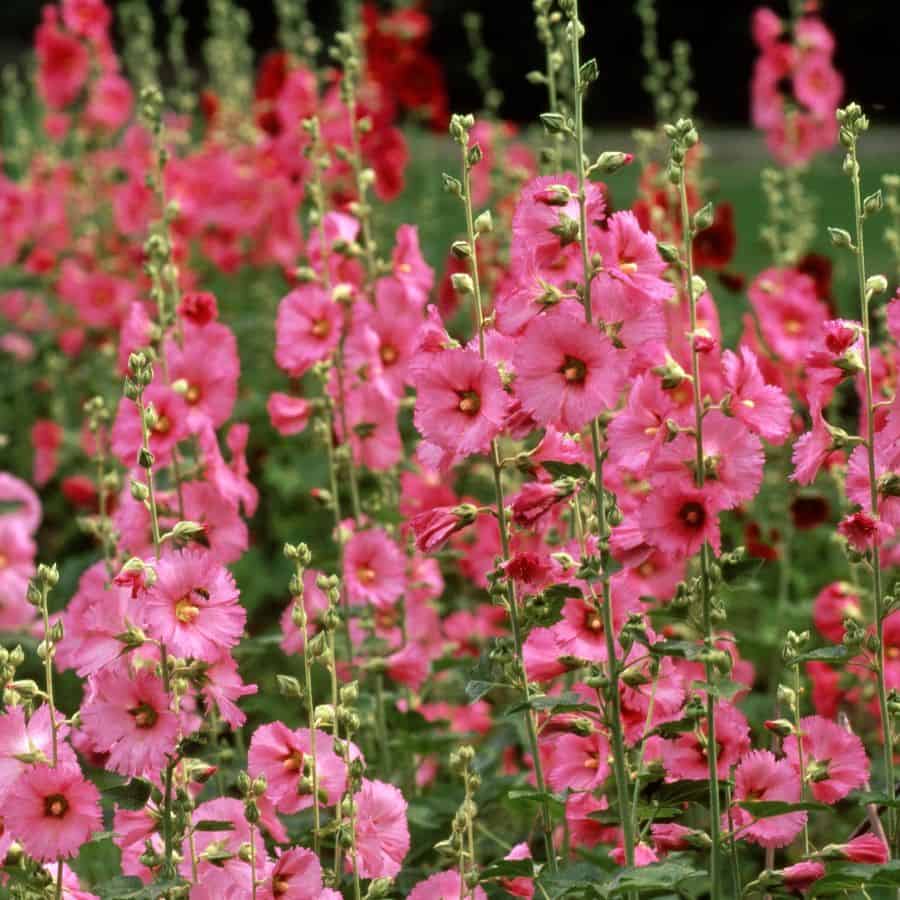
Few plants create vertical drama like hollyhocks. Their towering spikes burst with dozens of dinner-plate-sized blooms that transform any boring fence line into a lush, romantic masterpiece. They’re like natural fireworks displays that last all summer long!
2. They’re Pollinator Paradise (Your Bees Will Thank You)
Hollyhocks are absolute magnets for pollinators:
- Honeybees and native bees
- Butterflies (especially painted ladies)
- Hummingbirds
- Beneficial predatory insects
In fact, a single hollyhock plant can support dozens of pollinator visits each day. Your garden won’t just look better. It’ll literally buzz with life!
3. They’re Ridiculously Easy to Grow
Despite their dramatic appearance, hollyhocks are surprisingly low-maintenance. Once established, they need little more than sunshine and occasional water.
They’re like that friend who looks high-maintenance but actually shows up ready for anything.
Even better? They’ll self-seed and return year after year, creating that coveted cottage garden look with almost zero effort on your part.
4. They’re Secret Soil Superheroes
The difference between amateur and pro plant parents is simply knowing which plants work hardest beneath the surface.
Hollyhocks develop massive taproots that break up compacted soil, improve drainage, and mine nutrients from deep underground.
These root systems can reach down 3+ feet, making hollyhocks perfect for restoring neglected garden beds or enriching poor soil.
They’re literally transforming your garden from below while putting on a show above!
5. They Play Well With Others
Hollyhocks create magical combinations when paired with:
- Coneflowers and black-eyed Susans (for prairie vibes)
- Lavender and foxgloves (for cottage garden charm)
- Delphiniums and phlox (for dramatic color)
Their vertical architecture provides the perfect backdrop for shorter plants to shine against.
6. They’re 100% Edible From Top to Bottom
Your hollyhocks are trying to tell you something important: “I’m not just pretty – I’m delicious!” Every part of this plant can be used in your kitchen or home apothecary.
7. They Connect You to Centuries of Garden History
Growing hollyhocks links you to gardeners across time, from medieval monastery gardens to Victorian cottage borders. There’s something deeply satisfying about cultivating plants our ancestors treasured.
Yes, You Can Eat Hollyhocks! Here’s How to Use Every Part
The secret most plant experts won’t tell you is that hollyhocks are completely edible from flower to root. Each part offers different flavors, textures, and benefits.
The Gorgeous Flowers (Nature’s Decorative Plates)
Hollyhock blooms taste mildly sweet with a texture similar to their cousin, okra. These edible beauties can be:
- Tossed into salads for vibrant color pops
- Floated in summer cocktails or lemonade
- Steeped in soothing floral teas
- Used as natural food coloring for frostings and syrups
- Crystallized with sugar for stunning cake decorations
Pro tip: Harvest flowers in the morning after the dew has dried for the best flavor. Remove the center stamen before eating.
The Versatile Leaves (Like Grape Leaves, But Better)
Young hollyhock leaves have a mild, slightly nutty flavor and that characteristic mallow mucilage (the same slippery texture that makes okra perfect for gumbo). This mucilage makes them excellent for:
- Wrapping savory fillings (like Mediterranean dolmas)
- Thickening soups and stews naturally
- Sautéing as a nutrient-rich green
- Brewing as a soothing tea for irritated throats
Remember to harvest only young, tender leaves; the older ones get tough and fibrous. Like spinach, they cook down considerably, so gather more than you think you need!
The Medicinal Roots (Your Garden’s Pharmacy)
Hollyhock roots contain powerful mucilage that rivals marshmallow root for soothing properties. They’ve been used traditionally for:
- Calming irritated throats and dry coughs
- Soothing digestive issues and inflammation
- Creating healing poultices for skin irritations
- Brewing into nourishing syrups and tinctures
Forget what you’ve heard about needing exotic plants for home remedies. This cottage garden classic has been used medicinally for centuries!
Even the Seeds Have Uses
While not commonly eaten, hollyhock seeds are non-toxic and have been used in folk medicine for mild laxative effects. They form in attractive, round pods that resemble tiny cheese wheels after flowering.
How to Grow Your Own Spectacular Hollyhock Display
Ready to transform your yard with these dramatic beauties? Here’s how to grow your own thriving hollyhock paradise:
The Perfect Hollyhock Habitat
- Sunlight: Full sun (6-8 hours daily) for the strongest stems and most flowers
- Soil: Well-draining, loamy soil enriched with compost
- Water: Moderate, consistent moisture (especially in first year)
- Spacing: 18-24 inches apart (they need air circulation)
- Zones: Hardy in USDA zones 3-9 (that’s most of North America!)
Starting Hollyhocks From Seed (It’s Super Easy!)
- Sow directly in garden soil in spring or fall
- Press seeds lightly into the soil, but don’t bury (they need light to germinate)
- Keep consistently moist until germination (usually 1-2 weeks)
- Thin seedlings when they have 2-3 true leaves
Most hollyhocks are biennial, meaning they grow leaves in the first year and flower the second. But once established, they’ll self-seed so prolifically you’ll have blooms every year!
Battling the One Major Hollyhock Enemy
The most common hollyhock issue is rust fungus – those annoying orange spots that can appear on leaves. Here’s how to prevent it:
- Space plants generously for maximum airflow
- Water at the base, never from overhead
- Remove affected leaves promptly (don’t compost them!)
- Apply organic neem oil or sulfur early in the season
Don’t let a little rust scare you off! Even with some spotty leaves, hollyhocks will still perform beautifully.
The Hollyhock Kitchen: Simple Recipes to Try
Ready to put your hollyhocks to work in the kitchen? Start with these simple ideas:
Soothing Hollyhock Throat Syrup
- Simmer 2 cups hollyhock flowers and/or chopped roots in 4 cups of water for 30 minutes
- Strain, then add 1 cup raw honey
- Simmer until reduced by one-third
- Cool and store in glass jars in the refrigerator
Take by the spoonful for sore throats or coughs. This vibrant remedy will have you questioning why you ever bought commercial cough syrup!
Garden-Fresh Hollyhock Salad
Toss tender young hollyhock leaves with fresh garden greens, then scatter whole hollyhock flowers or torn petals on top. The flowers not only add stunning visual appeal but also a subtle, interesting texture. Dress lightly with a simple vinaigrette to let the garden flavors shine.
The secret most plant experts won’t tell you is that edible flowers like hollyhocks can transform ordinary salads into restaurant-worthy masterpieces!
Important Safety Notes (Read Before You Munch)
A few quick precautions before you dive into hollyhock cuisine:
- Only eat hollyhocks grown organically without chemical pesticides or fertilizers
- Start with small amounts to test for any personal sensitivities
- Consult a healthcare professional before medicinal use, especially during pregnancy or if taking medications
- Identify plants correctly – while all true hollyhocks (Alcea spp.) are edible, never consume plants you can’t positively identify
Your Next Garden Revolution Starts With Hollyhocks
Hollyhocks represent everything wonderful about thoughtful gardening – dramatic beauty, pollinator support, historical connection, and practical usefulness all in one spectacular package.
By adding these towering beauties to your landscape, you’re not just creating visual impact – you’re cultivating a multipurpose plant that provides food, medicine, and habitat while making your neighbors wonder how your garden got so amazing.
So the next time someone admires your stunning hollyhocks, you can smile knowingly and say, “They’re not just pretty – they’re on tonight’s menu!“