
Is your once-vibrant spider plant looking more like a sad, dusty remnant of its former glory? You’re not alone! Even the most dedicated plant parents watch their spider plants lose their luster over time.
But here’s the shocker: 90% of dull spider plants can be transformed within just one week using completely natural methods.
I was shocked to discover that the average houseplant collects enough dust in a month to block up to 30% of its light absorption capability!
Why Your Spider Plant Lost Its Instagram-Worthy Shine
Before diving into solutions, let’s diagnose what’s stealing your plant’s spotlight. Your spider plant is trying to tell you something important when its leaves turn dull, and it’s usually crying out for better care!
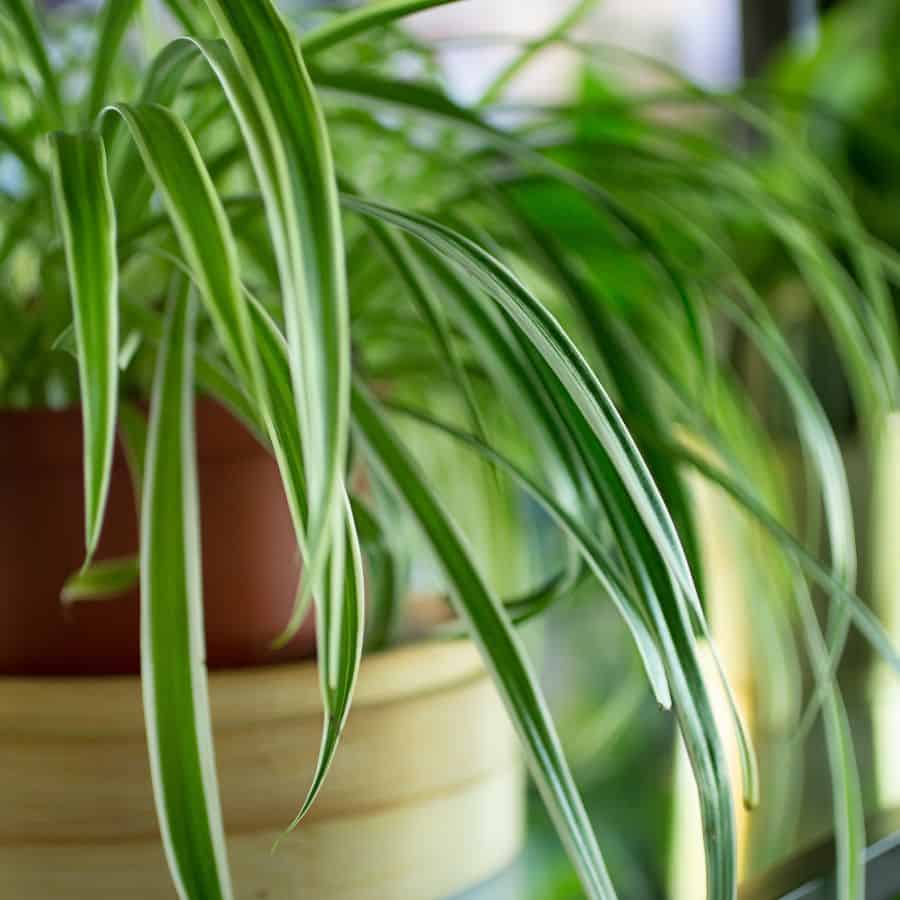
Think of your spider plant like a solar-powered supermodel. When dust settles on those arching leaves, it’s like throwing a blanket over solar panels.
Your plant can’t photosynthesize efficiently, resulting in a lackluster appearance that would make any plant influencer cringe.
- Dust buildup (the silent shine-killer)
- Sahara-level low humidity
- Water quality issues (your tap water might be the culprit!)
- Lighting problems (too much or too little)
- Nutrient deficiencies
- Pest invasions
The 12 Shine-Boosting Tricks That Actually Work
1. The Microfiber Magic Touch
Forget what you’ve heard about using leaf shine products. They’re planting suffocation in a bottle! Instead, grab a soft microfiber cloth and gently wipe each leaf while supporting it with your other hand.
For stubborn grime, add a tiny drop of mild dish soap to water, then rinse thoroughly. Your plant will breathe a sigh of relief!
(Psst… those fancy leaf shine products actually clog the leaf’s breathing pores. Talk about a skincare nightmare for plants!)
2. Humidity: The Ultimate Glow-Up Secret
Spider plants hail from tropical climates where humidity rules. In our dry homes, they’re basically experiencing a constant bad hair day.
The game-changer for your spider plant isn’t what you think. It’s moisture in the air!
- Daily misting ritual: Give your plant a refreshing spritz 1-2 times daily
- Pebble tray trick: Create a mini humidity zone with water and pebbles
- Humidifier help: Your skin, houseplants, and sinuses will all thank you
3. The Light Sweet Spot
Just like Goldilocks, spider plants need their lighting “just right.” Too little, and they grow pale and lackluster. Too much direct sun, and they’ll scorch faster than a vampire at high noon.
Place your plant near an east or north-facing window for the perfect balance. If your windows face south or west, filter that intense light with a sheer curtain. Your plant’s stripes will pop with vibrant contrast when the lighting is perfect!
4. Water Quality Matters (More Than You Think)
Most people make this mistake with their spider plants: using tap water without a second thought.
Spider plants are drama queens about fluoride and chlorine, turning brown and losing their luster.
Switch to rainwater, distilled water, or at least let tap water sit out overnight. Water when the top inch of soil is dry, and always ensure proper drainage. Your plant will reward your thoughtfulness with glossy leaves that reflect light like tiny mirrors!
5. Feed For Glossiness
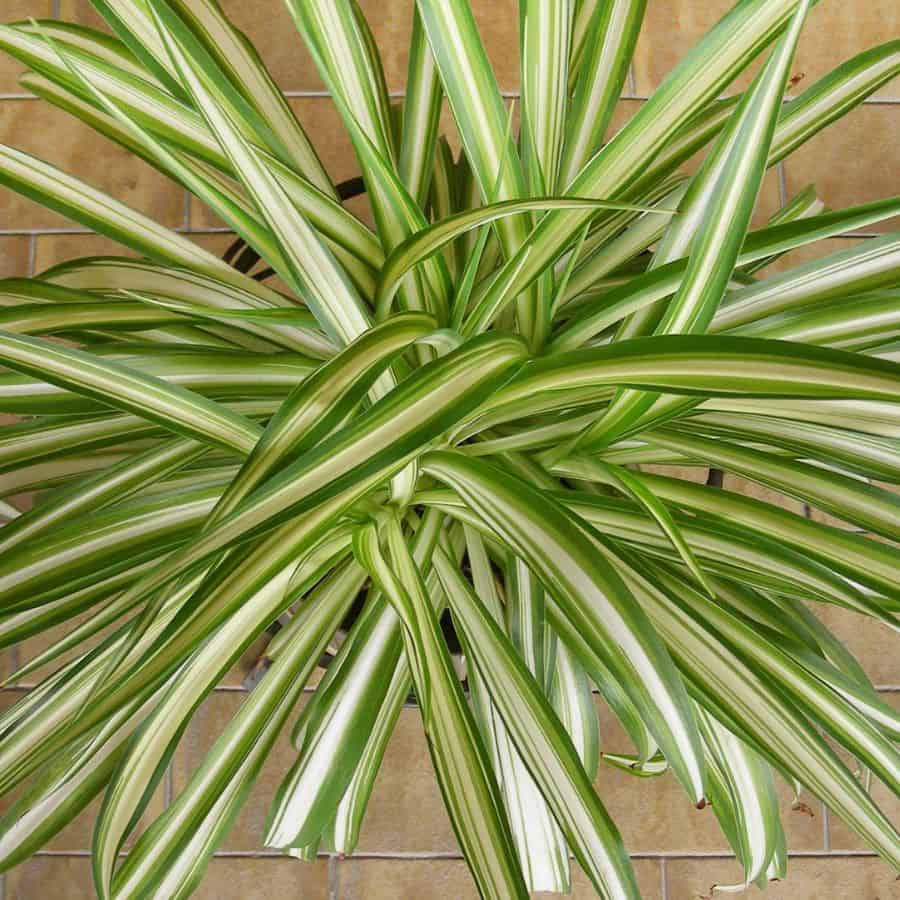
The secret most plant experts won’t tell you is that a specific nutrient trio, nitrogen, magnesium, and potassium, is directly responsible for that enviable leaf sheen. Think of them as your plant’s personal glam squad!
- Use a balanced 10-10-10 fertilizer every 4 weeks (spring/summer only)
- Dilute to half-strength (over-fertilizing is worse than under-fertilizing)
- Magnesium hack: Add 1 teaspoon of Epsom salt to a liter of water bi-monthly
6. Tough Love: Remove The Deadweight
Would you wear a stained, tattered shirt to an important meeting? Your spider plant feels the same about its yellow or brown leaves! These damaged leaves drain energy and ruin the overall aesthetic.
Grab sterilized scissors and snip those eyesores at the base. For leaves with just brown tips, trim them diagonally to mimic the leaf’s natural shape. This redirects energy to new, glossier growth. Sometimes, less really is more!
7. The Root-Bound Reality Check
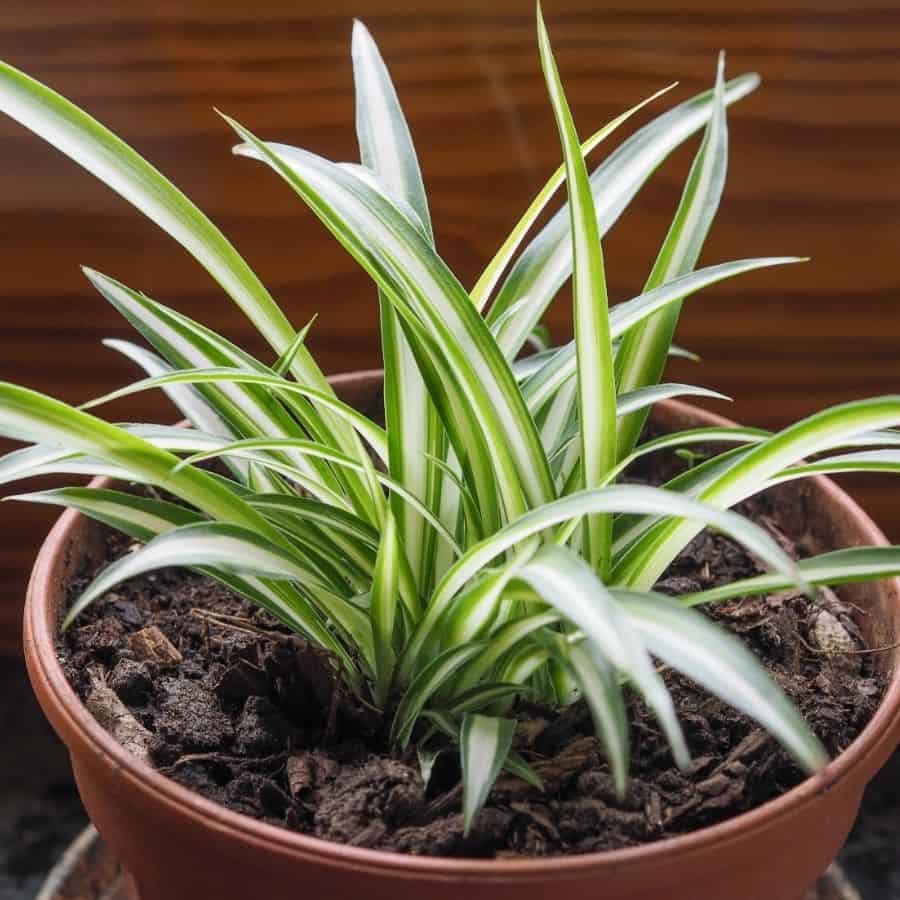
Spider plants grow like teenagers, rapidly outgrowing their containers. When roots circle the pot like a NASCAR track, they can’t absorb nutrients efficiently. The result? Dull, lifeless leaves.
Check your plant’s roots every 1-2 years. If they’re bursting out of drainage holes, it’s time for a size upgrade. Repot with a fresh, well-draining soil mix for an instant revival!
8. The Weekly Quarter-Turn
Plants are solar-seeking missiles, constantly leaning toward light sources. Without rotation, you’ll end up with a lopsided plant, glossy on one side, dull on the other.
The difference between amateur and pro plant parents is simply this: pros rotate their plants regularly. Give yours a quarter-turn weekly for even light exposure and a uniform shine. This simple habit takes seconds but delivers dramatic results!
9. Shower Power
Like humans, plants enjoy a good shower to wash away the accumulated grime of life. This mimics tropical rainfall, washing away dust, pollutants, and tiny pests in one go.
Once a month, treat your spider plant to a lukewarm shower. Let the water run through the leaves for a minute or two, then allow it to drain completely before returning it to its spot. It’s like a spa day for your plant!
10. The Pest Patrol
Nothing dulls leaves faster than tiny vampires sucking out cellular content. Spider mites and aphids are particularly fond of spider plants, and they can drain the life and luster from leaves before you even notice them.
Regularly inspect the undersides of leaves for tiny invaders. If spotted, mix 1 teaspoon of neem oil with a drop of dish soap and a liter of water. Wipe affected areas for a natural, safe pest solution that won’t damage your plant’s shine.
11. Spiderette Strategy
Those adorable baby plants dangling from your spider plant may be Instagram-worthy, but they’re energy vampires! Too many spiderettes force the parent plant to divert resources from making glossy main leaves.
If shine is your priority, snip off excess babies and propagate them as separate plants. Your main plant will thank you with a burst of vibrant growth!
12. Natural Shine Boosters
Instead of commercial products, try these kitchen-based shine enhancers that actually nourish while they polish:
- Banana peel buff: The inside of used peels contains natural waxes and nutrients
- Diluted milk wipe: Mix 1 part milk with 4 parts water for a protein-rich leaf polish
- Coconut water magic: A light wipe with diluted coconut water adds electrolytes and shine
The Seasonal Shine Strategy
Your spider plant has different needs throughout the year – just like your skin needs different care in winter versus summer.
- Spring/Summer: Active growth phase – regular feeding, frequent misting, abundant light
- Fall: Transition time – reduce feeding, maintain cleaning routine
- Winter: Rest period – minimal watering, extra humidity, protection from drafts
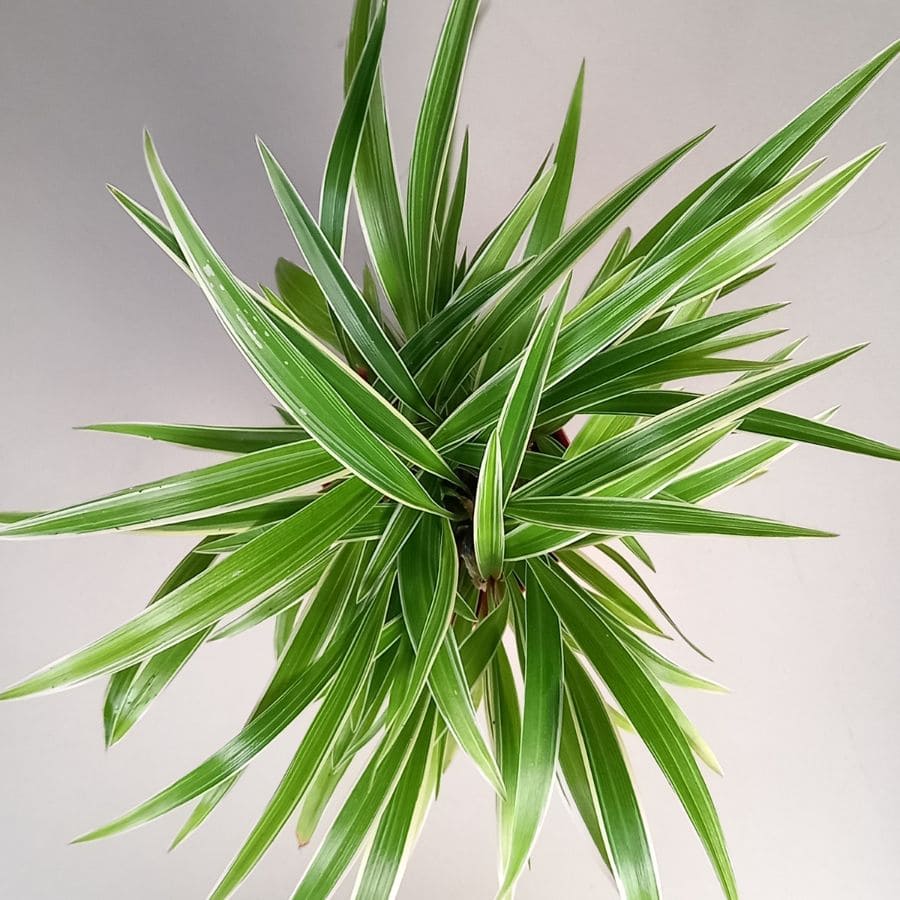
Following this seasonal approach prevents the winter dullness that plagues most houseplants. Your spider plant will maintain its spectacular shine year-round, while others fade with the seasons!
The 7-Day Shine Transformation Challenge
Transform your lackluster spider plant in just one week:
- Day 1: Deep clean leaves and shower the entire plant
- Day 2: Remove any damaged leaves and check for pests
- Day 3: Apply diluted fertilizer (half-strength)
- Day 4: Set up a humidity solution (pebble tray or humidifier)
- Day 5: Assess lighting and adjust if needed
- Day 6: Apply natural shine enhancer of choice
- Day 7: Take before/after photos and be amazed!
A thriving, glossy spider plant isn’t just beautiful – it’s also a more effective air purifier! Studies show that clean, healthy spider plants can remove up to 95% of toxins like formaldehyde from your home air in just 24 hours. Now that’s a plant pulling its weight!