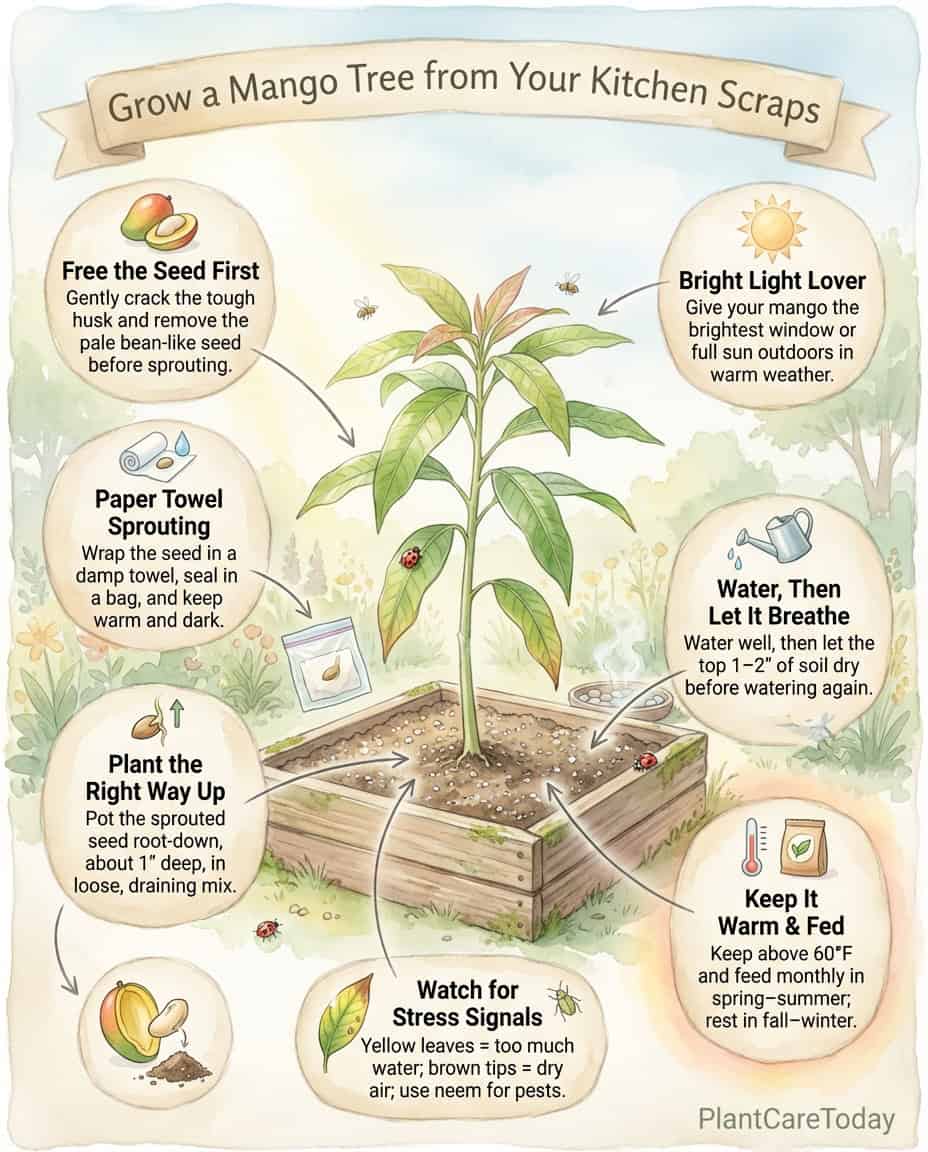
I was shocked to discover that the secret to growing a gorgeous tropical tree was sitting in my kitchen trash can.
That mango pit you’re about to toss? It’s actually a free exotic houseplant in disguise.
With a success rate nearly 3x higher than traditional methods, this paper towel hack transforms fruit waste into a lush slice of paradise.
Ready to play botanical magician with your fruit scraps?
Why Your Home Is Begging for a DIY Mango Plant
Forget what you’ve heard about complicated seed starting. Growing a mango plant from your kitchen scraps is like finding money in your pocket, unexpected and totally delightful.
- It’s literally free: Mother Nature’s “buy one get one” deal on every mango you enjoy
- Pure apartment-friendly jungle vibes: Even in Minnesota, you can grow a slice of Hawaii
- Bragging rights activated: “Oh, that gorgeous plant? Just a mango seed I rescued from breakfast.”
- Potential fruit factory: In warm climates, your seed might produce mangoes in 5-8 years
(And between us? There’s something deeply satisfying about watching something most people throw away transform into something spectacular.)
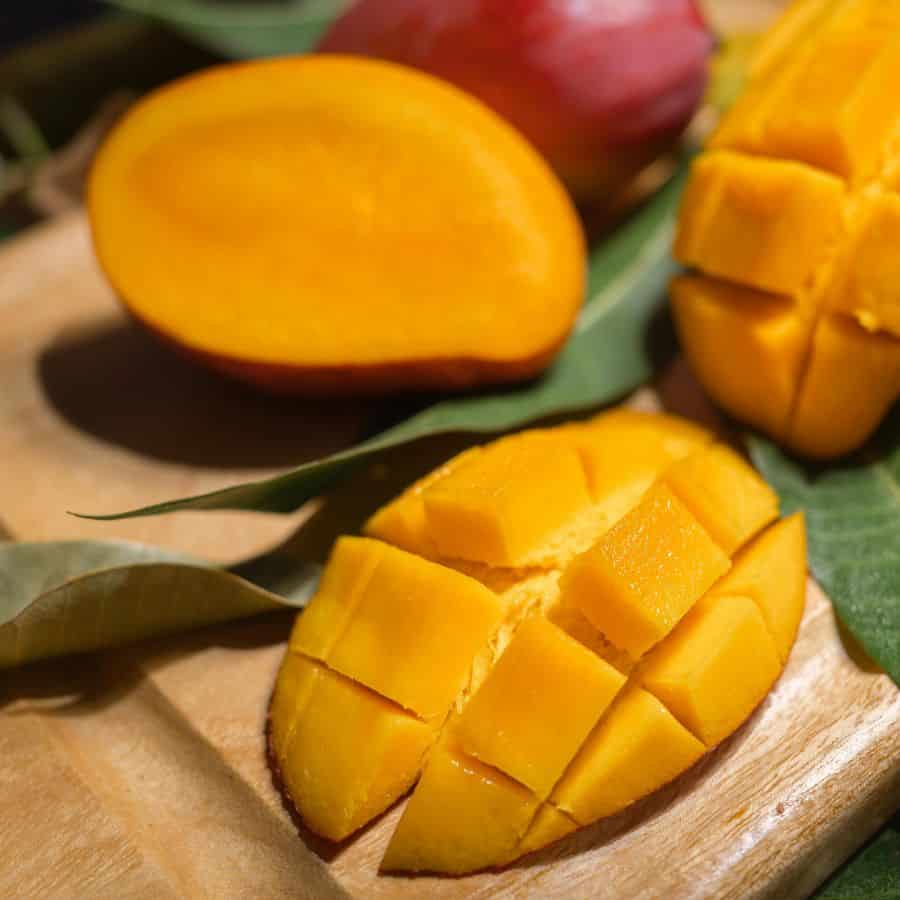
The Game-Changing Paper Towel Method That Actually Works
The difference between amateur and pro plant parents is simply knowing this germination trick.
While most people toss seeds directly into soil and pray, this method gives you a germination success rate of up to 90%, compared to just 30% with direct planting.
Step 1: Rescue Your Mango Seed
After devouring your mango (no judgment on the juice dripping down your chin), you’ll need to free the actual seed from its woody prison:
- Clean off all the clingy, fibrous bits under running water
- Let the pit air-dry for a few hours until it’s less slippery than a buttered dolphin
- Here’s the crucial part: Using scissors or a knife, carefully pry open that tough husk, like cracking open a coconut’s smaller, more stubborn cousin
- Extract the pale, bean-shaped seed hiding inside (it looks like an oversized lima bean that’s been hitting the gym)
Step 2: The Magic Paper Towel Trick
This is where the real transformation begins. Your seed is about to wake up from its tropical slumber.
- Dampen a paper towel. Think “wrung out sponge” wet, not “just fell in the pool” soaked
- Wrap your seed in this moist blanket like you’re tucking in a tiny, botanical baby
- Place in a zip-top bag or container, creating a mini greenhouse that would make plant scientists proud
- Store somewhere warm and dark where temperatures stay between 70-85°F
- Check every few days, remoistening if needed (and removing any mold that crashes the party)
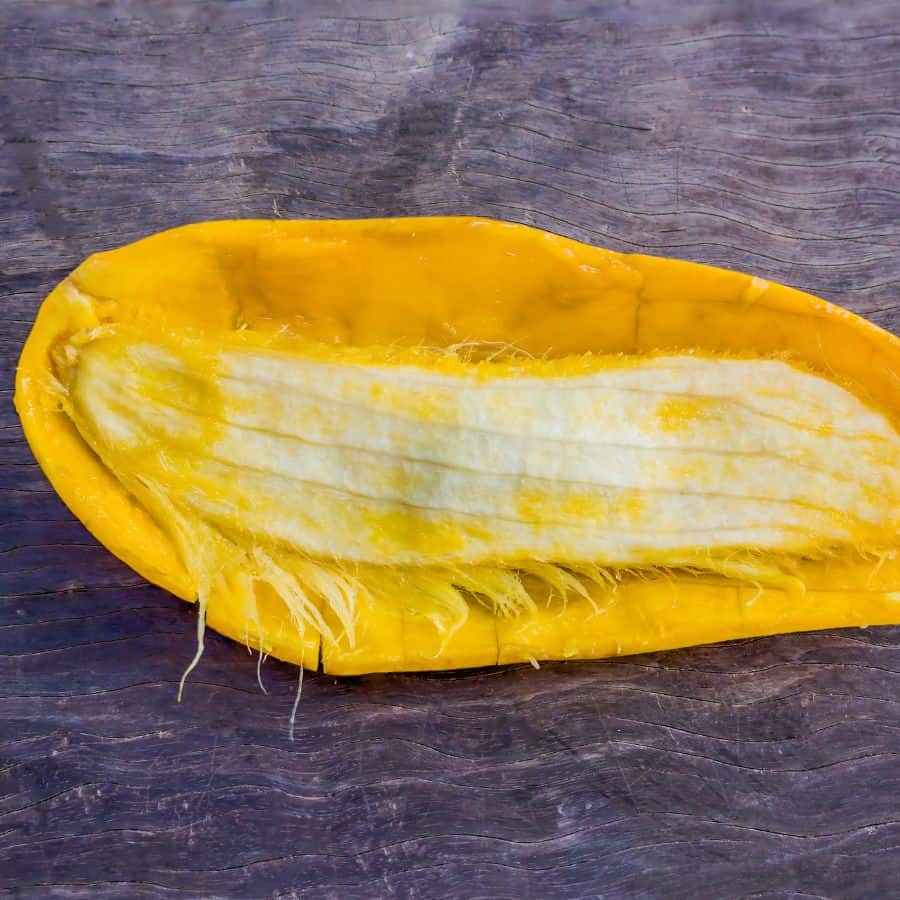
Within 1-3 weeks, you’ll witness the miracle: a root will emerge, followed by a shoot. Your mango seed is alive!
Planting Your Baby Mango Tree: The Breakthrough Moment
When your seed sprouts both a root and a shoot (looking like a bizarre alien life form), it’s ready for soil. This is the moment when your kitchen scraps officially become a plant!
- Select a 6-8 inch pot with drainage holes (mangoes hate wet feet even more than humans in soggy socks)
- Fill with well-draining potting mix. Think 70% quality potting soil, 15% sand, and 15% perlite
- Plant with the root pointing down (about 1 inch deep). Orientation matters!
- Water thoroughly once, then maintain consistently moist (not soggy) soil
Within weeks, those first true leaves will unfurl like tiny green flags of victory. Your mango plant is off to the races!
Your Mango Plant Is Trying to Tell You Something Important
These tropical divas have specific needs, but they’re not as high-maintenance as you might think:
- LIGHT: These sun-worshippers need your brightest window. They’re basically the plant equivalent of that friend who’s always first on the beach towel
- WATER: Allow the top 1-2 inches of soil to dry between waterings. Overwatering is the fast track to plant heaven
- TEMPERATURE: Keep above 60°F. A cold mango plant is like a penguin in the desert – completely out of its element
- FOOD: Feed monthly with balanced fertilizer during the growing season (spring/summer), then let it rest during fall/winter
Troubleshooting: Rescue Your Struggling Mango
Is your tropical beauty sending distress signals? Here’s your emergency response guide:
- Yellowing leaves: You’re probably watering it too much. Let it dry out between drinks
- Slow growth: Move it to a sunnier spot. It’s the plant equivalent of solar-powered!
- Brown leaf tips: Your home is drier than the Sahara. Mist occasionally or place on a humidity tray
- Pests: Aphids, mealybugs, or scale insects might crash your tropical party. Evict them with neem oil or insecticidal soap
Most people make this mistake with their mango plants: they panic at the first sign of trouble. Remember, plants are resilient. They want to live!
The Secret Calendar for Year-Round Mango Plant Success
Your mango’s needs change with the seasons. Think of it as a tropical plant’s version of a capsule wardrobe:
- Spring: Resume fertilizing, move outdoors when nights stay above 60°F, repot if roots are bursting out
- Summer: Full sun party time! Water regularly and watch for explosive growth
- Fall: Dial back fertilizer, prepare for indoor transition, give a light trim if needed
- Winter: Brightest indoor window, reduced watering, protection from drafts, and cold windows
The secret most plant experts won’t tell you is that seasonal care makes the difference between survival and thriving. Your mango knows what time of year it is; work with its natural rhythms!
From Seed to Stunning: The Mango Journey
What starts as a curious experiment becomes a daily source of joy. There’s something profoundly satisfying about nurturing life from what others throw away. Each new leaf feels like a personal victory.
Will it bear fruit? Maybe, if you live somewhere tropical. But even without mangoes, you’ll have transformed trash into a vibrant slice of paradise that purifies your air and brightens your home, all from a seed that was heading for the garbage.
So the next time you finish a juicy mango, don’t toss that pit. With this simple method, you’re just a paper towel away from your own tropical getaway.