Think garden season’s over? Think again! While your neighbors are packing away their tools, you’re about to set yourself up for the most spectacular spring garden on the block.
The secret most plant experts won’t tell you is that fall isn’t the end of gardening. It’s the foundation of next year’s success.
Just 30 minutes each weekend now saves you HOURS of frustration later. Ready to join the elite fall gardeners club?
Why Your Garden Is Secretly Begging for Fall Attention
Your plants have been working all summer. Now they’re exhausted, and what you do next determines if they’ll return as vibrant champions or struggling has-beens. Fall isn’t just cleanup time. It’s the great reset button.
I was shocked to discover that gardeners who perform proper fall maintenance see up to 60% fewer pest problems the following spring. That statistic alone changed my entire approach!
Think of fall garden care like tucking your plant babies in for a long winter nap. They need the right bedtime routine to wake up refreshed and ready to dazzle.
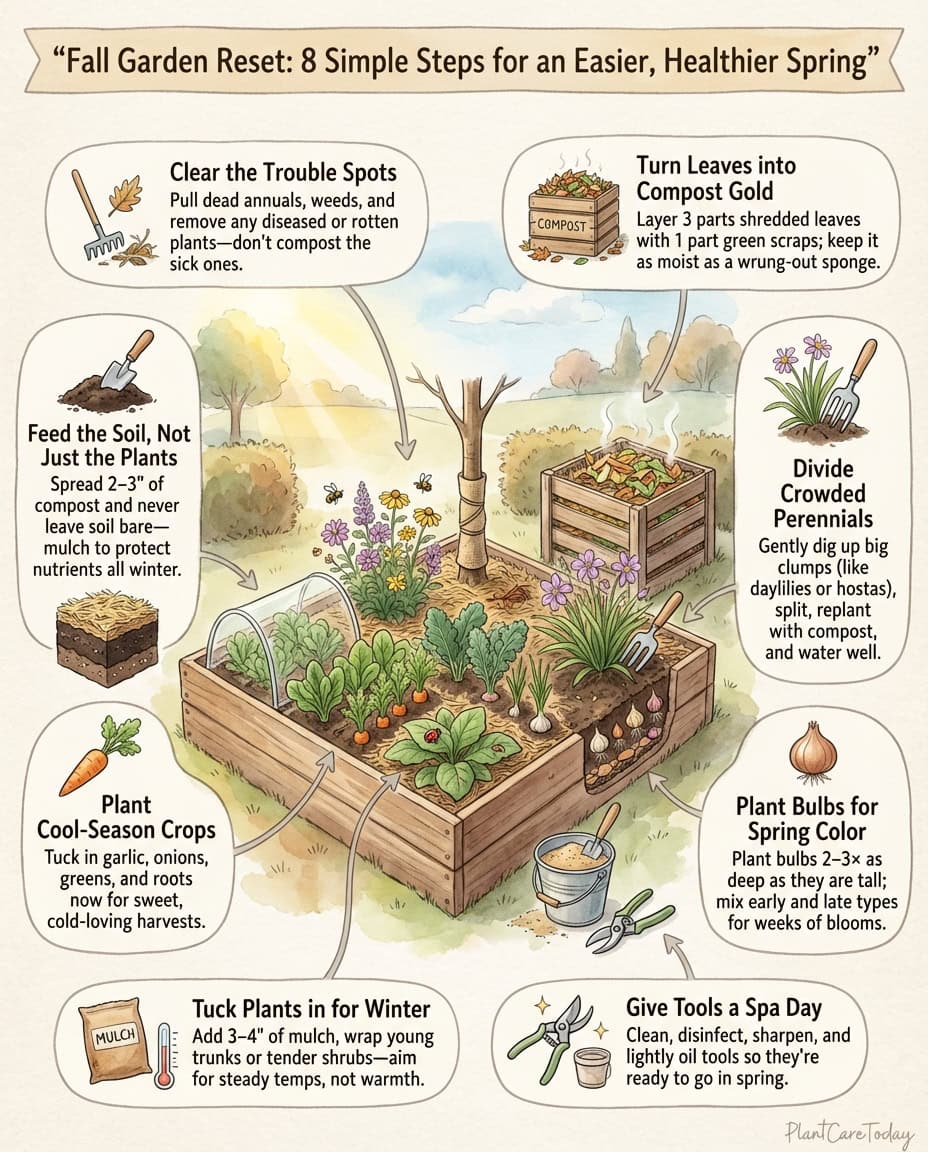
1. The Garden Cleanup That Changes Everything
That innocent-looking plant debris? It’s actually a five-star hotel for pests and diseases. Clearing it now is like canceling thousands of reservations for unwanted garden guests.
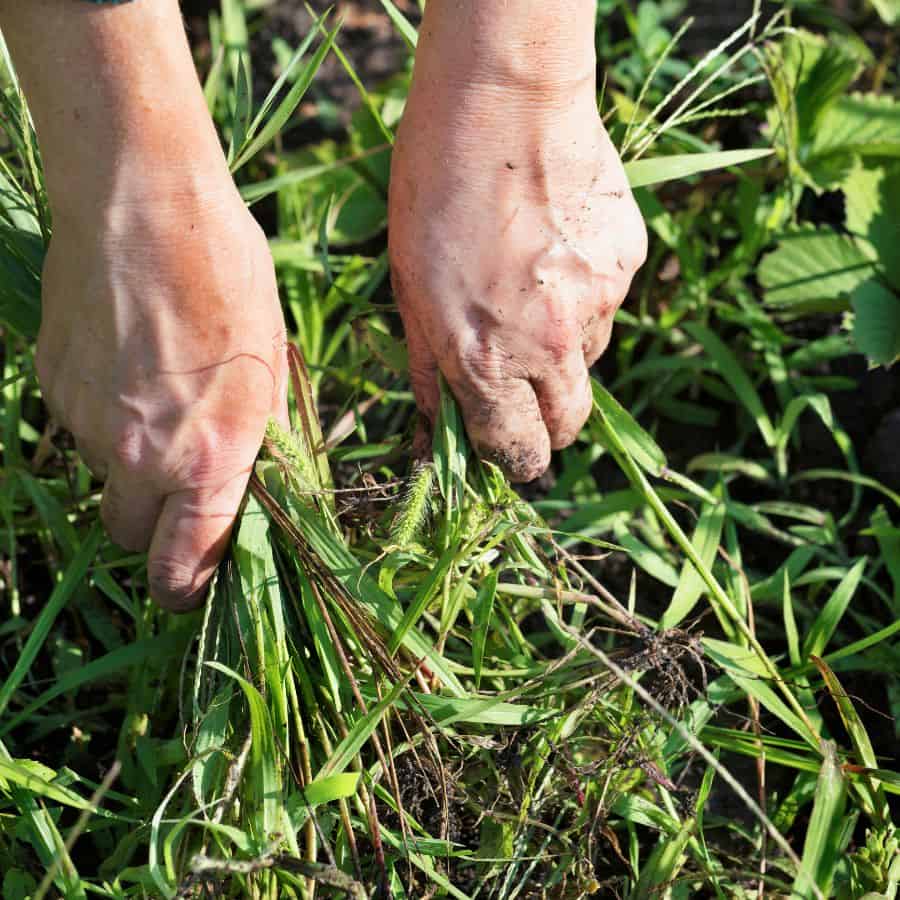
What needs your immediate attention:
- Dead annuals: Pull them completely, roots and all
- Diseased plants: Remove and trash them (not compost!)
- Fallen fruit: These attract rodents and harbor rot
- Weeds: Each one left behind can produce thousands of seeds
But wait! Some cleanup is actually counterproductive! Leave healthy perennial stems standing. They protect plant crowns from freeze damage and provide winter homes for beneficial insects. Native bees will thank you come spring.
2. Transform Garden Waste into Black Gold
Fall delivers a free gift most gardeners overlook. Tons of organic material perfect for composting! This is Mother Nature’s ultimate recycling program.
The game-changer for your compost isn’t what you think. It’s all about balance. Fall delivers abundant “browns” (carbon-rich leaves), which perfectly complement your “greens” (nitrogen-rich kitchen scraps).
Your compost success formula:
- Layer 3 parts shredded leaves with 1 part green material
- Keep the moisture level similar to a wrung-out sponge
- Cover with a tarp to retain heat in cooler weather
- Turn occasionally to speed decomposition
Forget what you’ve heard about composting stopping in winter. With proper layering, your pile will continue cooking even as temperatures drop, albeit more slowly, creating rich amendment for spring.
3. Soil Rescue Mission: Critical Fall Edition
Your soil has been working harder than a toddler’s immune system at daycare. Now it’s depleted and needs serious replenishment.
Most people make this mistake with their soil: they wait until spring to address fertility issues. By then, precious nutrients have already leached away during winter rains.
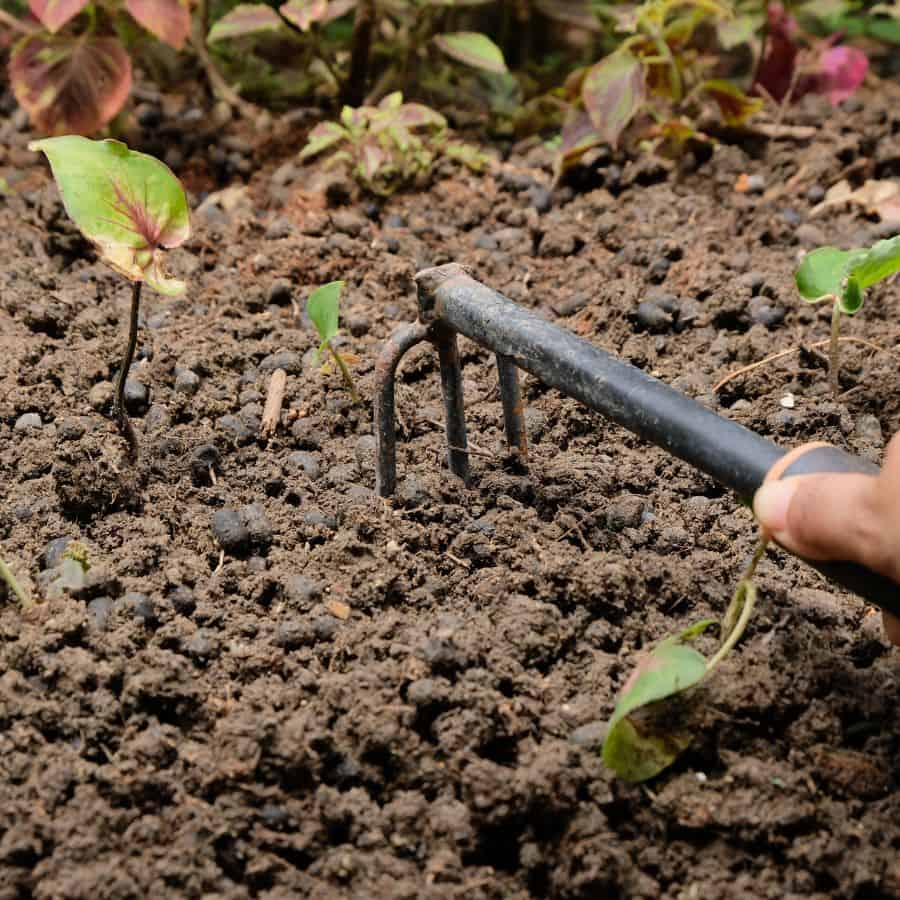
Your soil revival checklist:
- Spread 2-3 inches of compost across beds to replenish nutrients
- Test pH levels and amend accordingly (most plants prefer 6.0-7.0)
- Plant cover crops like clover or rye in empty beds to prevent erosion
- Apply 3-4 inches of mulch to insulate soil life and prevent nutrient leaching
Pro tip: Never leave soil naked through winter! Bare soil loses up to 30 times more nutrients than protected soil. That’s like throwing fertilizer directly into the storm drain!
4. Fall’s Secret Food Factory
While summer gardeners have hung up their hats, you can still be harvesting fresh veggies well into winter.
The difference between amateur and pro plant parents is simply knowing which crops actually PREFER cooler temperatures.
Your fall/winter vegetable superstars:
- Garlic and onions: Plant now for summer harvest
- Leafy greens: Spinach, kale, and chard actually taste sweeter after frost
- Root vegetables: Carrots, beets, and radishes thrive in cool soil
- Brassicas: Broccoli and cabbage prefer fall’s mild temperatures
Add a simple cold frame or row cover, and you’ve just extended your harvest season by months. Your neighbors will wonder how you’re still eating garden-fresh salads in December!
5. Divide and Conquer: Perennial Intervention Time
Your perennials are trying to tell you something important: “We’re suffocating here!” Overcrowded plants compete for nutrients and eventually stop flowering altogether.
Fall’s cool, moist conditions make it the perfect time to divide these plants without the shock of summer heat. It’s like turning one plant into five; free plants, anyone?
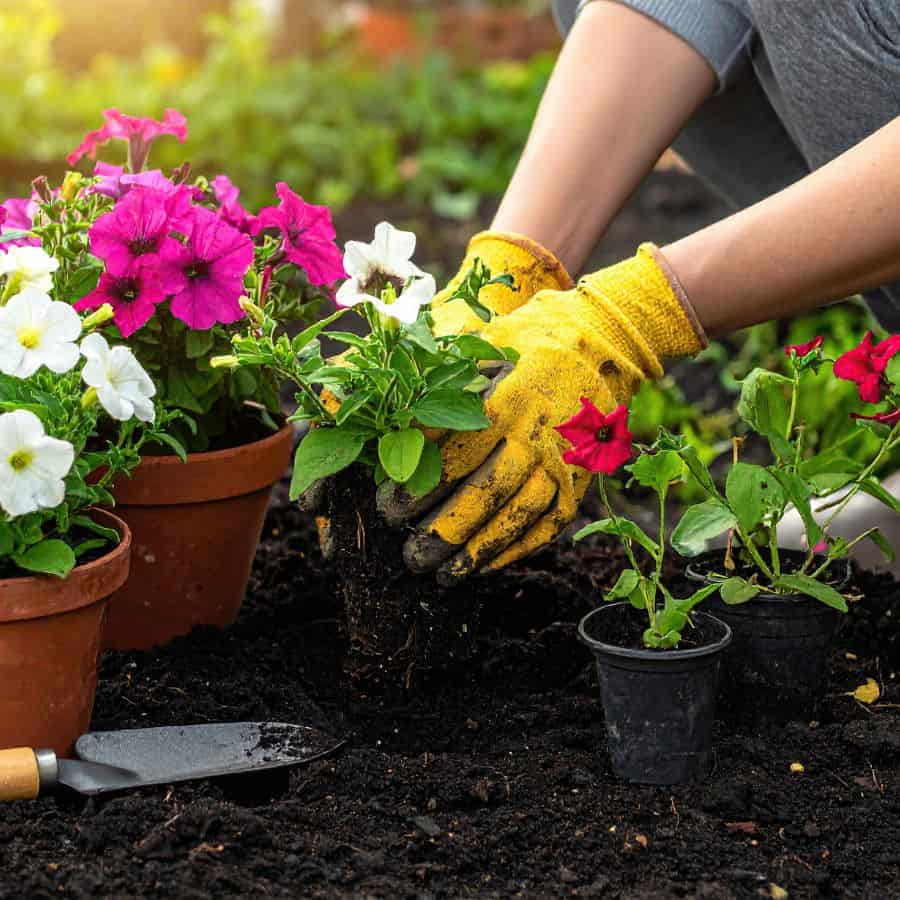
Prime candidates for division:
- Daylilies that have stopped flowering well
- Hostas that have formed massive clumps
- Irises with rhizomes growing on top of each other
- Coneflowers and black-eyed Susans that are crowding out neighbors
The process is simple: dig up, cut apart, ensuring each section has roots and shoots, replant with compost, and water thoroughly. Your divided plants will reward you with spectacular flowering next year!
6. Plant Now for Spring’s Standing Ovation
While your neighbors sleep, your garden is quietly preparing its most dramatic spring performance ever, thanks to fall-planted bulbs.
Bulbs are like nature’s time capsules. They need winter’s chill to trigger their internal alarm clocks. Without that cold period, they simply won’t bloom properly.
For a magazine-worthy spring display:
- Plant bulbs before the ground freezes but after temperatures cool (usually October)
- Dig holes 2-3 times as deep as the bulb’s height
- Add bone meal to encourage strong root development
- Layer different bulbs in the same hole for weeks of continuous color
Did you know you can create a “bulb lasagna” by layering different types at varying depths?
Early crocuses on top, mid-season daffodils in the middle, and late tulips at the bottom give you months of blooms from a single planting spot!
7. Winter Plant Protection: The Survival Guide
Your tender plants face winter like we’d face the Arctic without a jacket—completely vulnerable to the elements. Proper protection now means lush growth later.
Your plants’ winter survival kit:
- Mulch perennials with 3-4 inches of organic matter, keeping it an inch away from stems
- Wrap young tree trunks with tree wrap or burlap to prevent sunscald and frost cracks
- Create windbreaks around sensitive shrubs using burlap screens
- Move tender container plants to protected areas or indoors
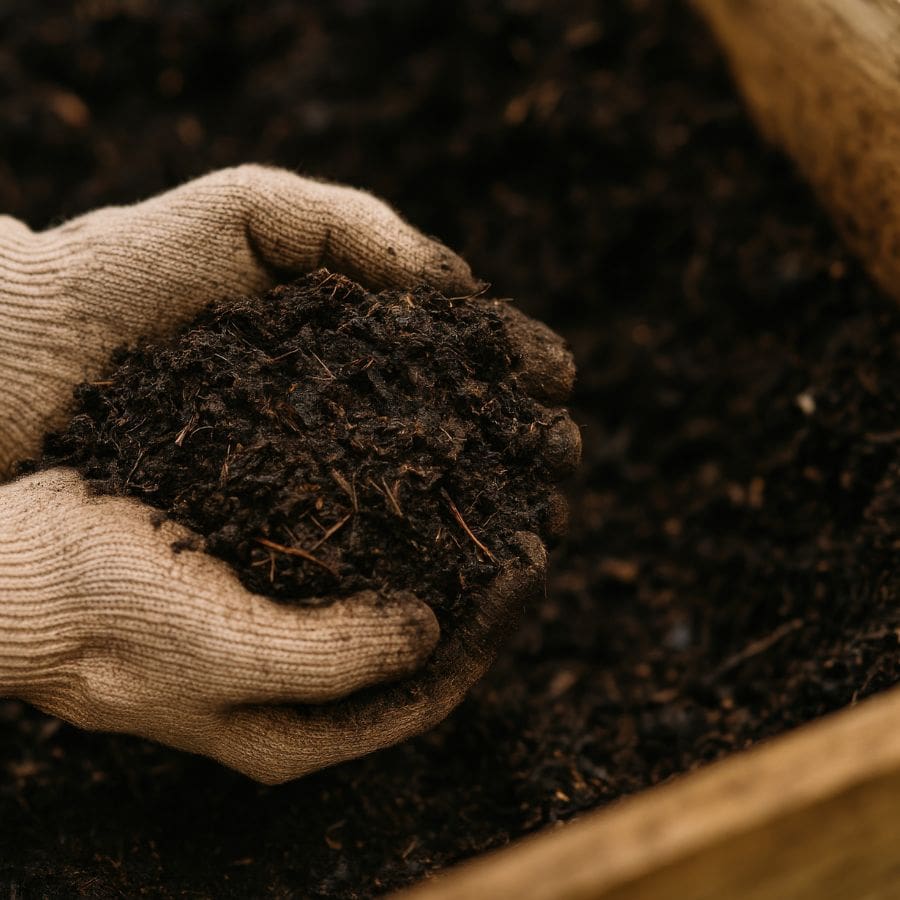
Remember: the goal isn’t to keep plants warm. It’s to keep temperatures consistent and prevent the deadly freeze-thaw-freeze cycle that ruptures plant cells.
8. Tool TLC: The Often-Forgotten Fall Essential
Would a chef put their knives in a drawer without cleaning them? Of course not! Yet many of us abandon our garden tools without a second thought.
Clean, sharp tools work better, spread fewer diseases, and last decades longer. This 30-minute investment pays off enormously.
Your tool maintenance checklist:
- Remove caked-on soil with a wire brush
- Disinfect blades with 10% bleach solution or vinegar
- Sharpen edges with a file or whetstone
- Oil metal parts lightly to prevent rust
- Store in a dry location away from weather extremes
Here’s a mind-blowing hack: Keep a bucket of sand mixed with mineral oil in your shed. Plunging tools into this mixture after use cleans and oils them in one step!
Fall garden care isn’t just busywork. It’s an investment in next year’s success. These eight tasks are your secret weapons for a garden that will flourish while others flounder.
Your future self will be amazed at how these simple acts transform your garden’s health, productivity, and beauty.