
Forget what you’ve heard about needing acres of land to grow your own food!
The secret most plant experts won’t tell you is that a humble 5-gallon bucket might be the most powerful gardening tool you’re not using.
These inexpensive containers can transform even the tiniest balcony or patio into a vibrant fall vegetable garden that keeps producing long after summer fades.
Ready to become your own grocery store? Let’s dig in!
The Bucket Revolution: Your Urban Farm Foundation
Your first mission: acquire the perfect bucket. Head to your local hardware store for the classic orange or white 5-gallon containers (that’s 19 liters or 4.2 Imperial gallons for our international friends).
Or, here’s a money-saving hack: check with nearby bakeries and delis that often give away food-grade buckets for free.
The game-changer for your bucket garden isn’t fancy equipment. It’s proper drainage.
Drill at least four holes in the bottom of each bucket and place a saucer underneath. Your plants’ roots need to breathe as much as your landlord needs dry floors!
(Did you know? Studies show that container-grown vegetables can yield higher per-square-foot yields than traditional garden plots when properly maintained. Your little bucket farm might outperform your neighbor’s sprawling garden!)

9 Fall Superstars Ready to Flourish in Your Buckets
1. Spinach (Zones 2-9): The Speed Champion
Spinach thrives in fall’s cooler temperatures and grows rapidly. Direct-sow seeds into your bucket for a quick-win crop.
Your spinach is trying to tell you something important when temperatures spike. It might “bolt” (not run away, just go to seed), making leaves taste bitter.
A little afternoon shade will keep it producing sweet, tender leaves for weeks.
2. Kale (Zones 3-9): The Cold-Weather Warrior
Kale might be the toughest plant in your bucket arsenal, laughing in the face of light frosts. One plant per bucket can produce a stunning amount of nutritious greens.
The secret? Master the “cut-and-come-again” harvesting method. Trim outer leaves while letting inner ones continue growing.
This single plant could feed you for months! (Even if convincing the kids to eat it remains your greatest gardening challenge.)
3. Radishes (Zones 2-10): The Instant Gratification Guru
I was shocked to discover that radishes can go from seed to harvest in as little as 21 days!
These crisp, spicy veggies are the perfect starter crop for impatient gardeners (aren’t we all?).
Plant multiple seeds in one bucket with about 2 inches between them, and you’ll be adding fresh radishes to your salads before you’ve even finished binge-watching that new Netflix series.
4. Swiss Chard (Zones 3-10): The Colorful Overachiever
Swiss chard arrives with rainbow-colored stems that brighten any bucket garden. One plant will produce so abundantly you might actually get tired of eating it (almost).
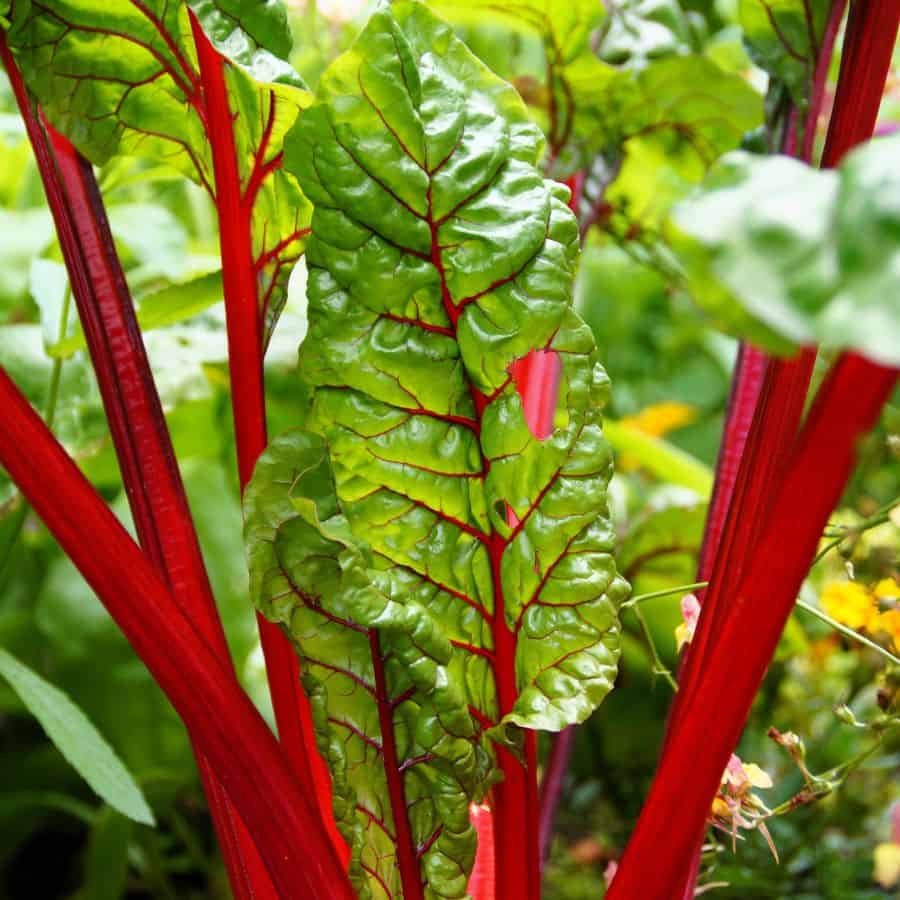
Like kale, harvest outer leaves first and watch in amazement as this plant continues to flourish and produce for months. It’s like the gift that keeps on giving, without the awkward re-gifting.
5. Bush Beans (Zones 3-10): The Space-Efficient Producer
Not all beans belong in buckets. The difference between amateur and pro plant parents is simply choosing bush varieties over pole beans that need vertical support.
Plant 4-5 seeds per bucket, and within 8-10 weeks, you’ll be harvesting fresh, crisp beans that put grocery store options to shame. No trellis, no problems!
6. Beets (Zones 2-10): The Two-for-One Special
Beets are the ultimate multitaskers of the vegetable world. You get nutritious greens AND sweet, earthy roots from the same plant.
Sow seeds directly into your bucket, then thin seedlings when they reach a few inches tall.
Most people make this mistake with their beets: throwing away the thinnings! Those baby beet greens make a spectacular addition to a gourmet salad.
7. Lettuce (Zones 2-11): The Salad Bar Creator
Why pay premium prices for those sad, plastic-packaged salad mixes? With loose-leaf lettuce varieties in a bucket, you’re basically growing your own perpetual salad bar.
Plant a mix of varieties, such as Oakleaf, Red Sails, and Salad Bowl, for vibrant colors and flavors.
The professional move? Succession planting. Sow new seeds every 2-3 weeks for continuous harvests that keep your salad game strong.

8. Garlic (Zones 3-10): The Patient Investment
Garlic requires a longer commitment but delivers dramatic flavor rewards. Plant individual cloves about 2 inches deep in the fall, protect them through winter, and harvest in summer.
Choose hardneck varieties for colder regions (Zones 3-8) and softneck varieties for warmer areas (Zones 8-10).
Your future self will thank you when you’re crushing fresh, homegrown garlic that makes store-bought look (and taste) like a pale imitation.
9. Carrots (Zones 3-10): The Bucket-Depth Maximizer
Carrots transform your bucket’s depth from a limitation into an advantage! Skip the long varieties and opt for round or stubby types, such as ‘Thumbelina’ or ‘Danvers Half-Long’.
Direct-sow and thin to about 2 inches apart. In just 60-70 days, you’ll pull sweet, crunchy carrots that might ruin you for store-bought forever.
They’re like the difference between real chocolate and the waxy Halloween leftovers; no comparison!
Your Bucket Garden Breakthrough
The miracle of bucket gardening isn’t just how much food you can grow. It’s how accessible gardening becomes.
For less than $10 in supplies, you can transform even the tiniest outdoor space into a productive mini-farm that keeps feeding you throughout fall.

So grab that bucket, drill those drainage holes, and fill it with quality potting mix (not garden soil, which tends to compact in containers).
You’re just a few weeks away from harvesting your first homegrown vegetables and developing a whole new obsession!