Confession time: I’ve been in heated battles over lavender. Yes, actual garden disputes!
My mom fought me on planting it, internet strangers pushed Russian sage instead, but I’m standing my ground.
Lavender borders aren’t just pretty. They’re the secret weapon your garden desperately needs.
Ready to transform your ordinary garden into something extraordinary? Let’s dig into why this controversial beauty deserves prime real estate in your outdoor space.
Why Your Garden Feels Naked Without a Lavender Border
Is your garden an open invitation for trespassers, both human and four-legged? A lavender border isn’t just decorative; it’s your garden’s bouncer.
Its medium-to-tall growth creates a natural boundary that says “this space is claimed,” while its powerful fragrance works overtime as nature’s security system.
Forget what you’ve heard about needing a fence! The game-changer for your garden isn’t expensive hardscaping.
It’s this powerhouse plant that serves double duty by defining your space while keeping pests at bay.
(And between us? Even those fancy neighborhood gardens with stone walls could use lavender’s touch.
It’s like adding designer perfume to an already nice outfit, suddenly everything looks more intentional.)
5 Jaw-Dropping Benefits That Make Lavender Borders Unbeatable
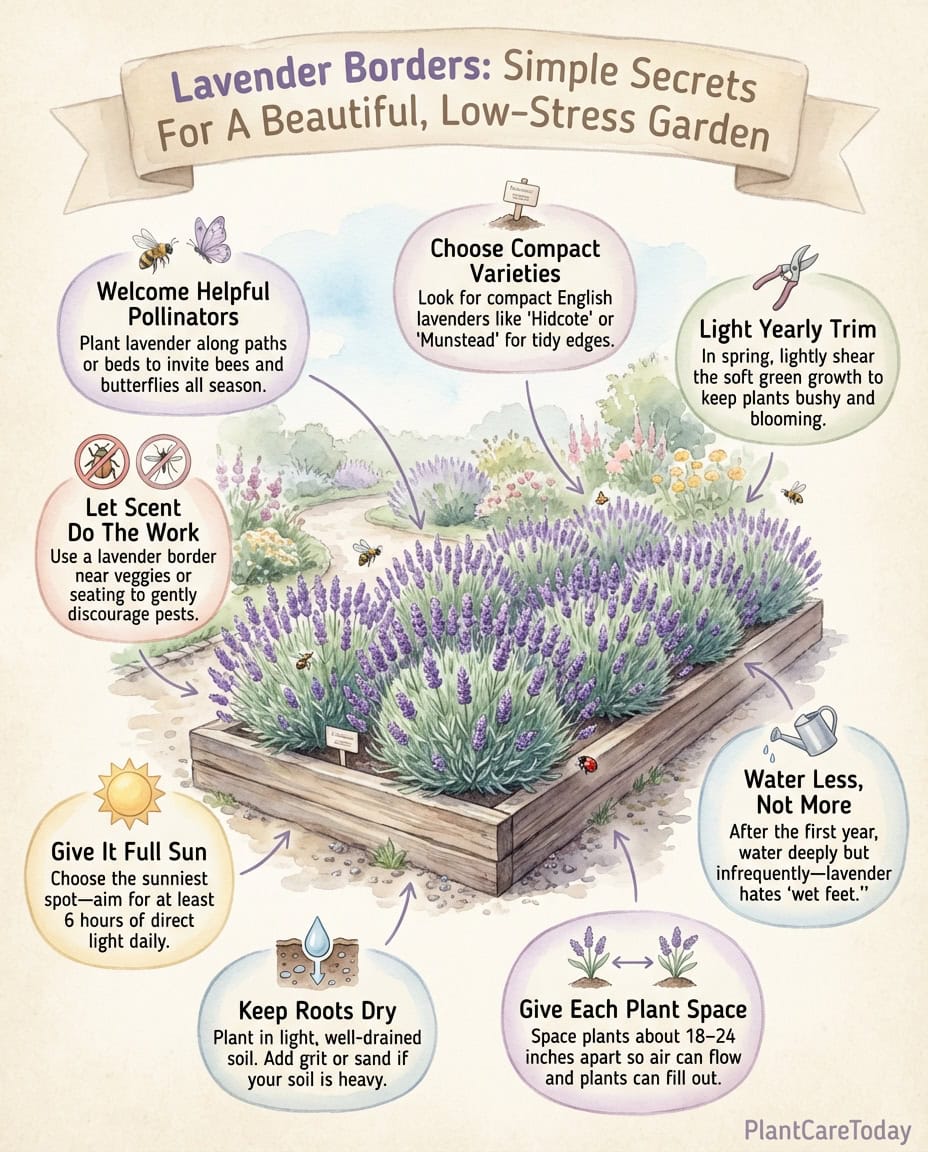
1. Pollinator Paradise That Buzzes With Life
Your garden is trying to tell you something important: it needs more pollinators! Lavender is a nectar-producing superstar that transforms your garden into a buzzing hotspot.
Bees, butterflies, and hummingbirds can’t resist those purple spikes. I was shocked to discover that a single mature lavender plant can attract upwards of 20,000 bee visits in one season!
2. Nature’s Bug Force Field
That intoxicating scent we humans find so relaxing? It’s kryptonite to mosquitoes and garden pests.
Most people make this mistake with their gardens: they spray chemicals before trying nature’s own pest control system.
A lavender border creates an aromatic barrier that keeps unwanted visitors far away from your prized tomatoes and roses.
3. Drought Warrior When Water Runs Scarce
Don’t let those delicate-looking blooms fool you. Lavender is secretly tougher than your ex.
Once established, this Mediterranean native laughs in the face of drought.
In fact, studies show established lavender plants can survive on as little as 12-15 inches of rainfall annually, making them among the most water-efficient flowering plants you can grow!
4. “Set It and Forget It” Simplicity
The difference between amateur and pro plant parents is simply knowing which plants deliver maximum impact with minimal fuss.
Lavender is resistant to the most common pests and diseases that plague other border plants. No babysitting required!
While you’re fussing over your fussy hydrangeas, your lavender border will be thriving on neglect.
5. Swiss Army Knife Versatility
Name another plant that can: define boundaries, repel pests, attract beneficial insects, survive drought, and provide gorgeous cut flowers for your home.
I’ll wait. Lavender suits virtually any garden style: cottage, modern, Mediterranean, or formal. It’s the little black dress of landscaping.
The Border Varieties That Won’t Let You Down
Not all lavenders are created equal when it comes to border duty. For that perfect blend of structure and manageability, focus on these border-perfect varieties:
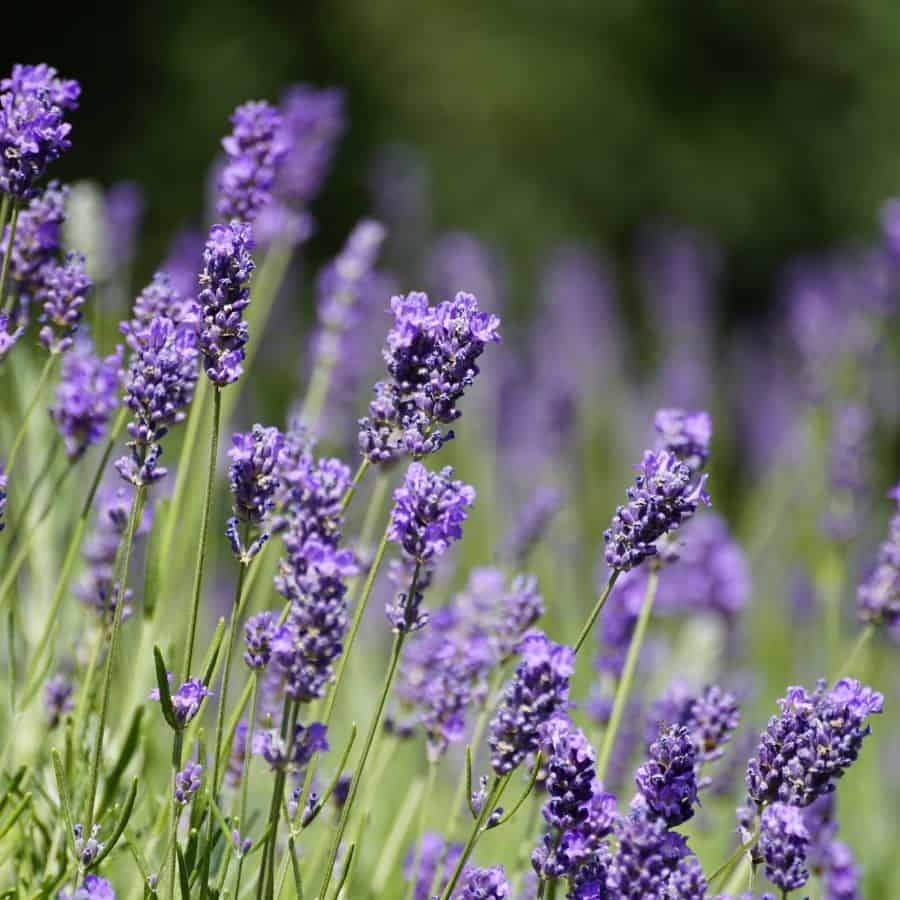
- Lavandula angustifolia ‘Hidcote’: Grows 20-25 inches tall with compact, deep purple flower heads
- Lavandula angustifolia ‘Munstead’: Slightly shorter at 18-20 inches with a tidier spread
Both varieties flower from late spring through mid-summer, creating a stunning display for months.
The secret most plant experts won’t tell you is that these compact varieties need much less pruning than their larger cousins, giving you all the benefits with half the maintenance!
Rookie Mistakes That Kill Your Lavender Dreams
Want your lavender border to flourish for years? Avoid these common plant-killers:
- Drowning your plants: Lavender hates wet feet. Once established, it thrives with minimal water.
- Planting in clay soil: Think drainage, drainage, drainage! Dense soil = dead lavender.
- Creating a lavender mosh pit: Give each plant room to breathe (about 18-24 inches apart).
- Hiding it in shade: Lavender without sunshine is like a fish without water—sad and doomed.
Seasonal Hacks for Spectacular Lavender Borders
To keep your lavender border looking spectacular year after year:
- Spring: Light pruning to stimulate vibrant new growth and encourage abundant blooms
- Early Summer: Deadhead spent flowers for a potential second flowering flush
- After Flowering: Shape plants to maintain that tidy, compact form and prevent woody stems
(Quick tip: Timing your pruning correctly is like giving your lavender a spa day. It emerges rejuvenated and ready to perform!)
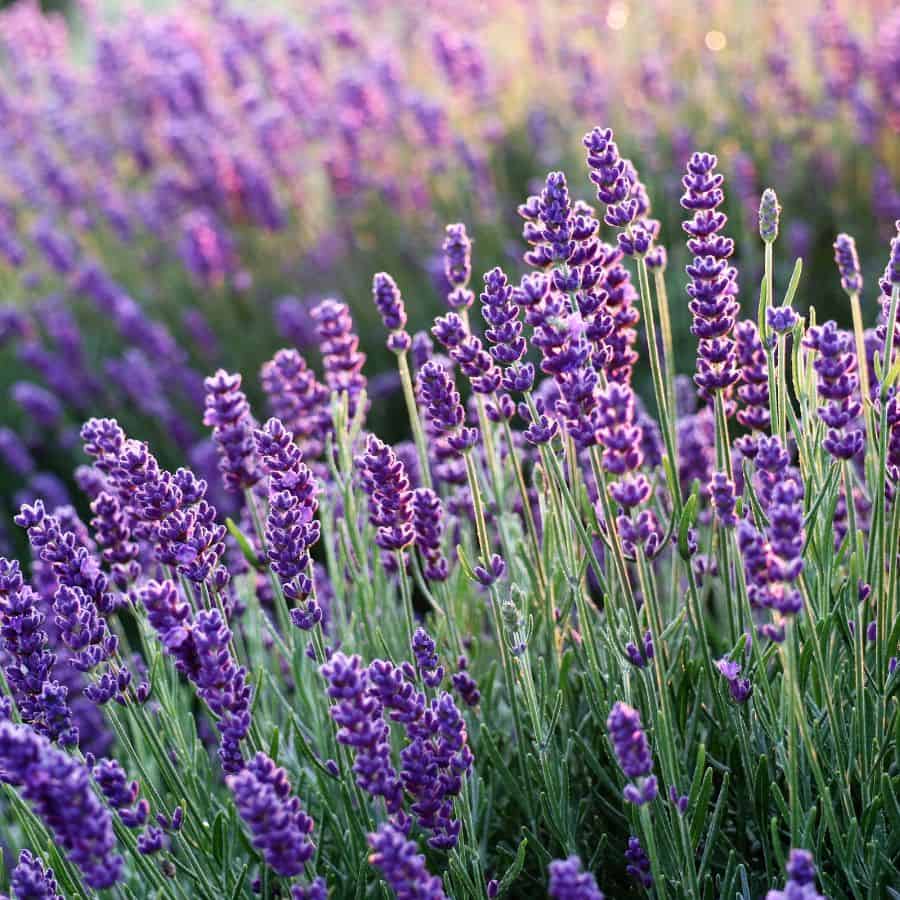
The Bottom Line: Lavender Borders Are Garden Game-Changers
I’ve never been one to follow garden rules; my own space is full of unconventional pairings and rebellious choices. But lavender borders? They’ve been my constant companion since day one, and for good reason.
They’re the perfect blend of beauty and function, defining spaces, repelling pests, attracting beneficial wildlife, and thriving with minimal attention.
Whether you’re a garden newbie or a seasoned green thumb, adding a lavender border might just be the most rewarding garden decision you’ll ever make.
So go ahead. Embrace the controversy and plant that lavender border. Your garden (and your senses) will thank you.