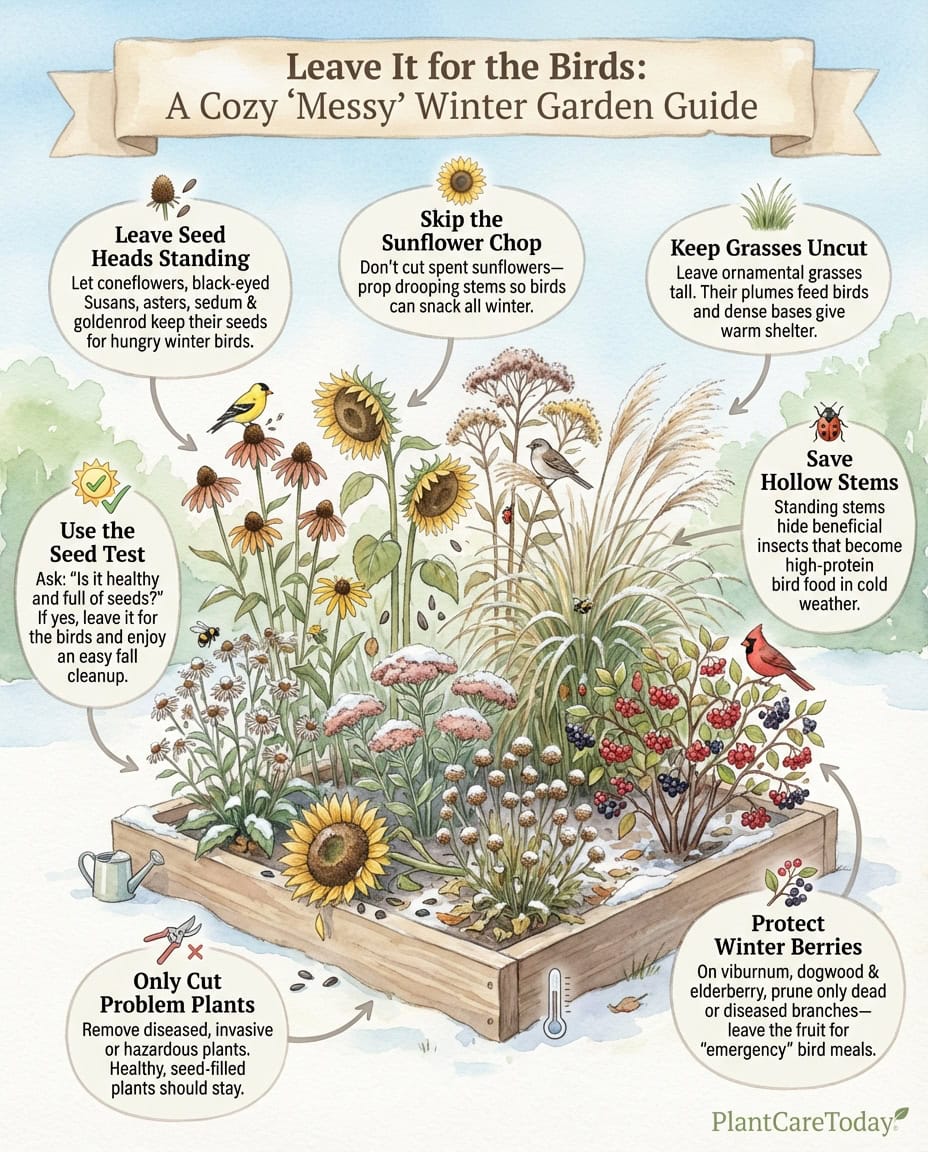
Put those pruning shears DOWN! That “messy” garden you’re itching to clean up is actually a five-star bird restaurant waiting to happen.
The secret most plant experts won’t tell you is that your fall cleanup routine might be starving local birds of critical winter food sources.
I was shocked to discover that a single uncut coneflower can feed finches for weeks during the harshest winter days!
Why Your “Messy” Garden Could Save Bird Lives This Winter
That garden debris you’re eyeing? It’s actually a bird buffet in disguise. Finches, cardinals, and sparrows don’t have DoorDash when snow blankets the ground. They rely on the seeds from your plants to survive.
And it’s not just about food. Those plant stems you’re tempted to chop? They’re luxury bird perches and insect hotels rolled into one.
Beneficial bugs overwinter in hollow stems, providing protein-packed bird snacks throughout the coldest months.
Here’s the game-changer: leaving certain plants standing creates a stunning winter garden that’s alive with activity.
Frost-covered seed heads transform into nature’s crystal sculptures while supporting wildlife. Talk about a win-win!
The Bird Buffet: 9 Plants Worth Looking “Messy” For
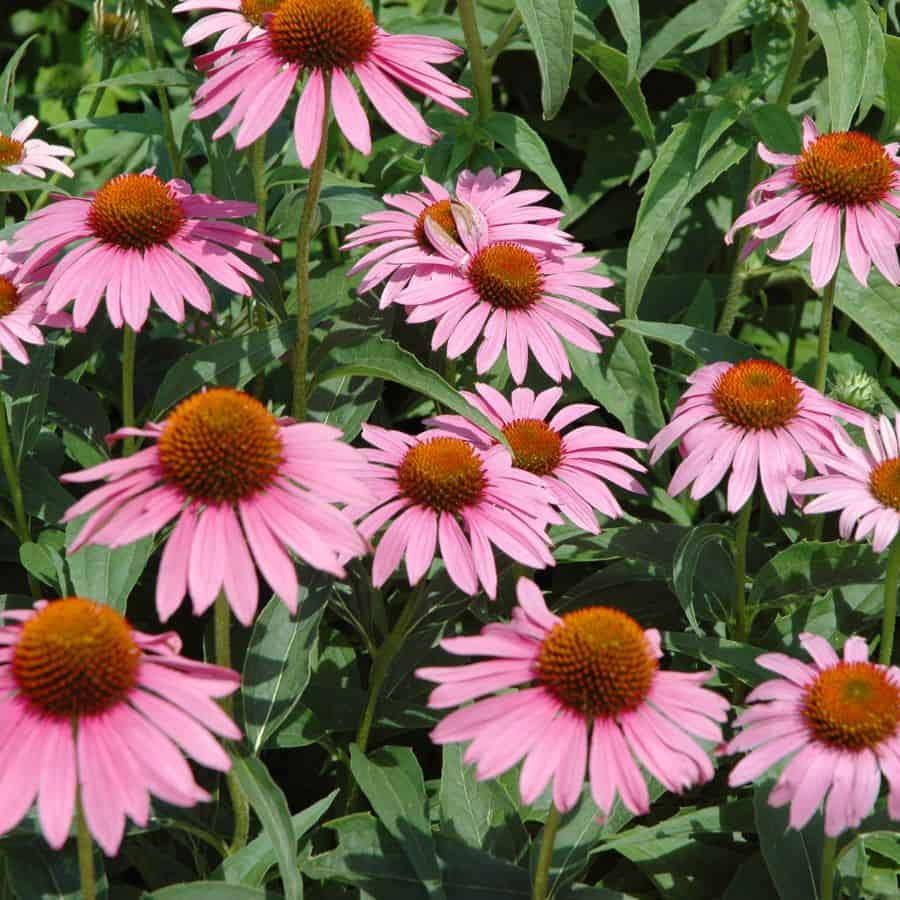
1. Coneflowers (Echinacea) – Finch Favorite
Those spiky seed heads are like gold for finches. They’ll balance acrobatically on stems to extract every last seed.
Even the scrappiest-looking coneflowers serve as critical feeding stations, so resist the urge to “tidy up”!
(Imagine tiny gymnasts performing on these natural balance beams; that’s essentially what finches are doing in your garden!)
2. Black-Eyed Susans (Rudbeckia) – Goldfinch Magnet
Chickadees and goldfinches go absolutely crazy for these dark, seed-packed centers.
The stark contrast of yellow petals against snow creates spectacular winter scenery that’s both beautiful and functional.
3. Sunflowers (Helianthus) – Nature’s Bird Feeder
These giants produce seed heads that are like bird cafeterias! If stems flop over, don’t cut.
Just lay them horizontally or prop them against a fence. Birds don’t mind the “curbside pickup” approach.
Pro tip: Propped sunflower stalks become natural bird perches that look surprisingly artistic in winter landscapes!
4. Joe-Pye Weed (Eutrochium) – Bird Buffet & Blizzard Shelter
Not only do the seed heads attract hungry birds, but the sturdy stems and dense foliage create natural shelters during snowstorms.
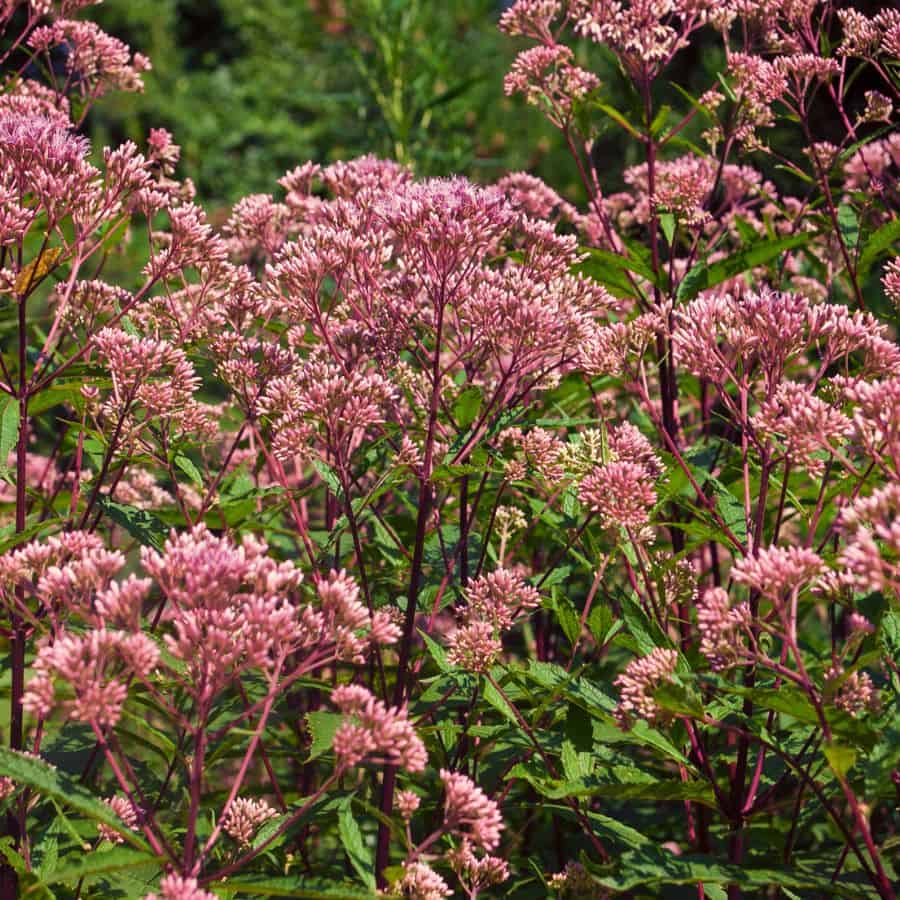
It’s like leaving a combination grocery store/hotel open for your feathered friends.
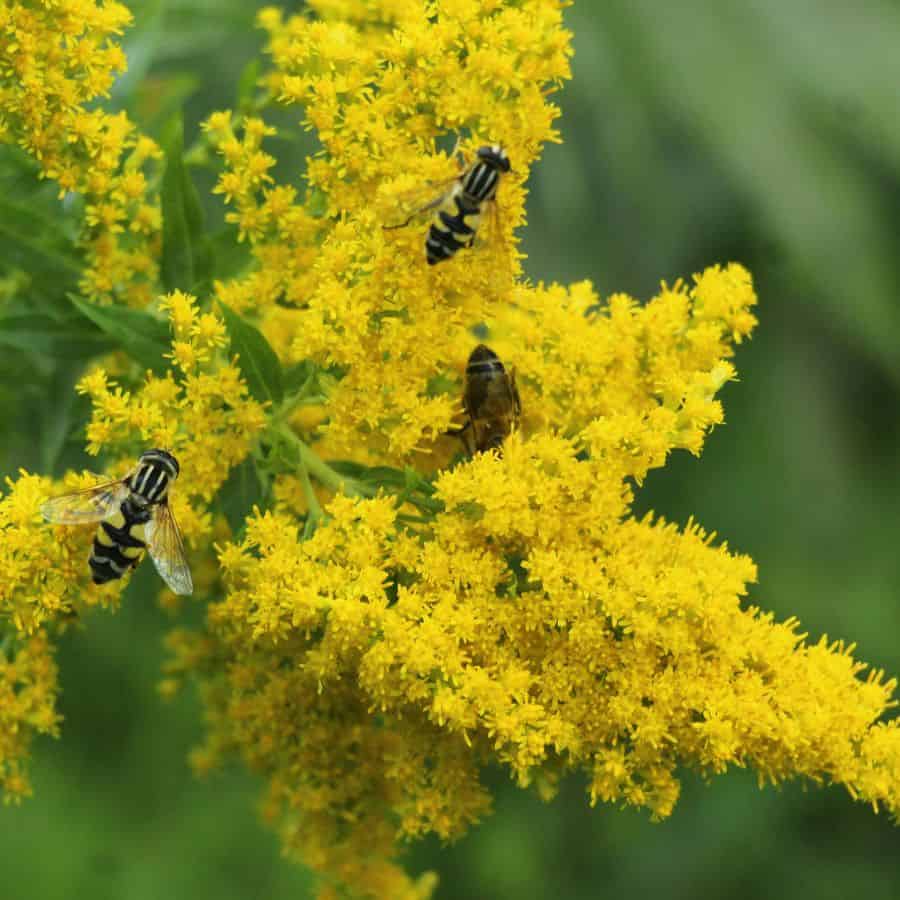
5. Goldenrod (Solidago) – Sparrow & Junco Delight
Forget what you’ve heard about goldenrod causing allergies (that’s actually ragweed’s fault).
This stunning native plant attracts sparrows and juncos while housing beneficial insects that help your garden thrive next season.
6. Ornamental Grasses – The Winter Wonderland
The difference between amateur and pro plant parents is simply knowing when NOT to cut. Miscanthus, Panicum, and other ornamental grasses provide both food from their seed plumes and cozy shelter in their dense bases.
Studies show that leaving ornamental grasses standing can increase winter bird activity by up to 65% in suburban gardens!
7. Sedum (Autumn Joy) – Frost-Enhanced Bird Buffet
These flat, clustered seed heads become absolutely spectacular when touched by frost.
Birds love picking through them, and you’ll love the crystalline texture they add to your winter landscape.
8. Asters – Tiny Seeds, Big Impact
Don’t underestimate these small-but-mighty seed producers! Birds can extract significant nutrition from aster seed heads throughout winter.
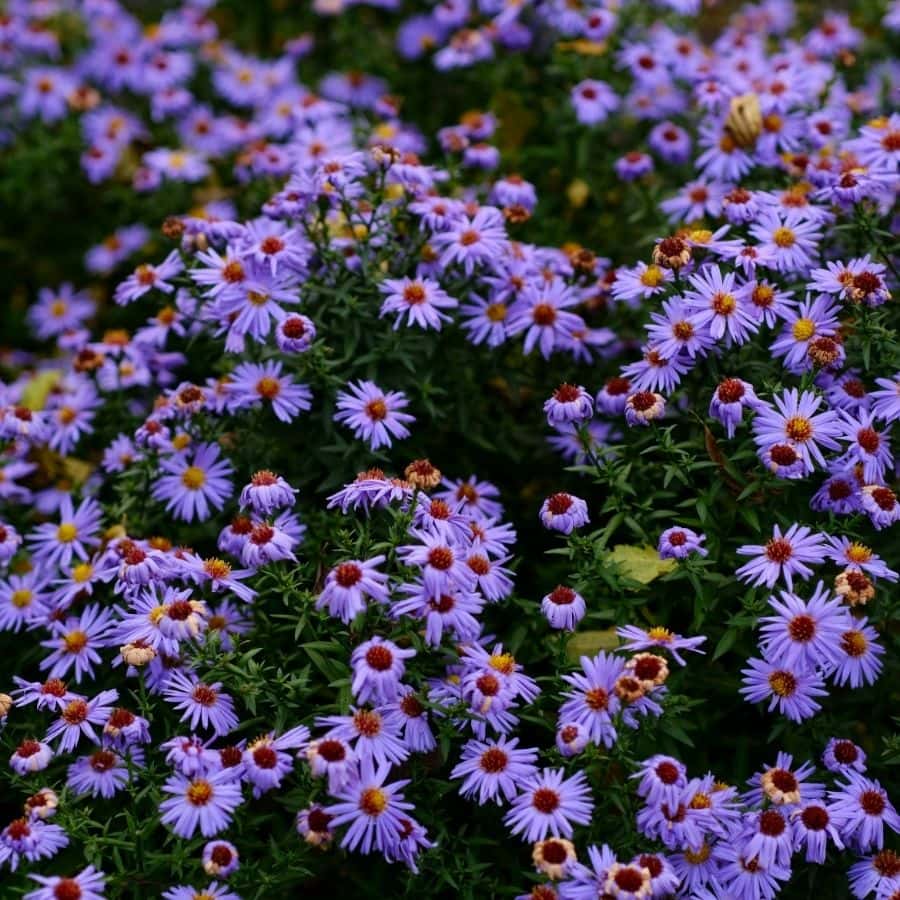
Their sturdy stems withstand snow and ice, providing reliable feeding stations.
9. Berry-Producing Shrubs – Emergency Winter Rations
Viburnums, dogwoods, and elderberries produce fruits that often persist well into winter. Birds rely on these berries as emergency rations during the harshest weather.
Many bird species have coevolved with these plants, making this relationship critical to their survival.
When pruning these shrubs, focus only on removing weak or diseased wood, leaving the precious berries intact.
When Should You Actually Cut Back? The Exceptions
Your plants are trying to tell you something important when they show these signs of trouble. While most plants should remain standing through winter, there are legitimate reasons to break out those pruners:
- Disease fighters: Plants showing powdery mildew, black spot, or mushy stems should be removed to prevent spread
- Invasive species: Always remove these before they set seed
- Safety hazards: Plants blocking pathways or visibility need selective pruning
When in doubt, ask yourself: “Is this plant healthy with viable seeds?” If yes, leave it standing. Your birds (and your back, from less fall work) will thank you!
The Spectacular Reward for Your “Laziness”
The miracle of a garden left partially uncut is the winter wildlife drama that unfolds.
Imagine sipping coffee while watching finches perform acrobatics on swaying coneflower stems, or seeing the stunning contrast of bright cardinals against snow-dusted grass plumes.
What appears to be garden “messiness” to the untrained eye is actually a sophisticated ecosystem support system. And let’s be honest. Couldn’t we all use a legitimate excuse to do LESS yard work this fall?
By saving just a few strategic plants from the pruners, you’ll transform your winter landscape from barren to flourishing with life and color.
The birds will remember your generosity, returning season after season to the reliable sanctuary you’ve created.