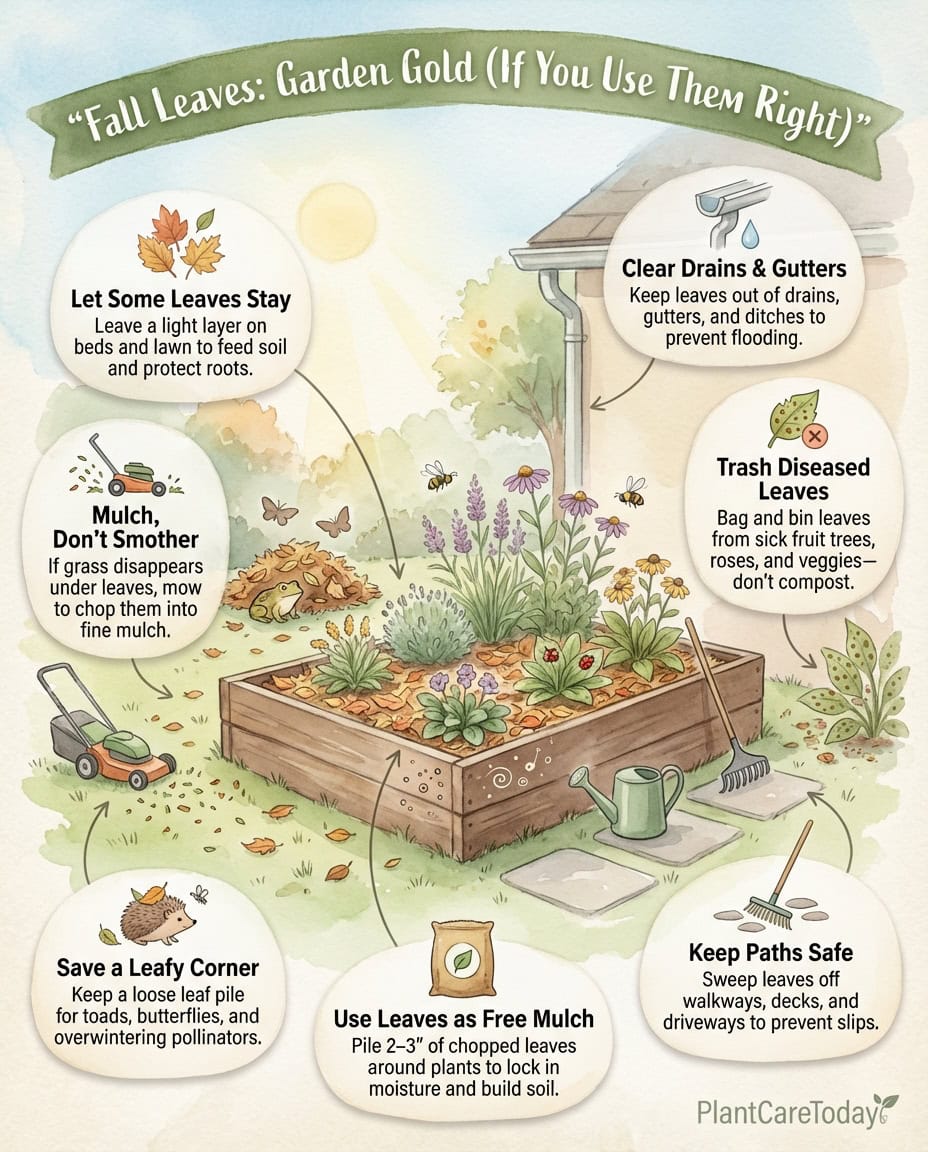
That collective groan you hear every autumn? It’s millions of homeowners staring down leaf-covered lawns, debating whether to grab the rake or pour another pumpkin spice latte.
But what if I told you that your leaves are literally garden gold waiting to be cashed in?
Forget what you’ve heard about pristine, leaf-free lawns being the hallmark of good homeownership. Mother Nature has other ideas, and she might be right.
FREE FERTILIZER AT YOUR FEET: Nature’s Garden Hack
The secret most plant experts won’t tell you is that those fallen leaves are basically high-end fertilizer that retailers would love to sell you for $15 a bag.
When leaves decompose, they transform into what gardeners call “leaf mold,” the Rolls-Royce of soil conditioners.
This natural decomposition process feeds your soil with:
- Essential nutrients that plants crave (no chemical additives required)
- Beneficial microorganisms that create vibrant, living soil
- Natural insulation that protects delicate root systems from winter’s temperature mood swings
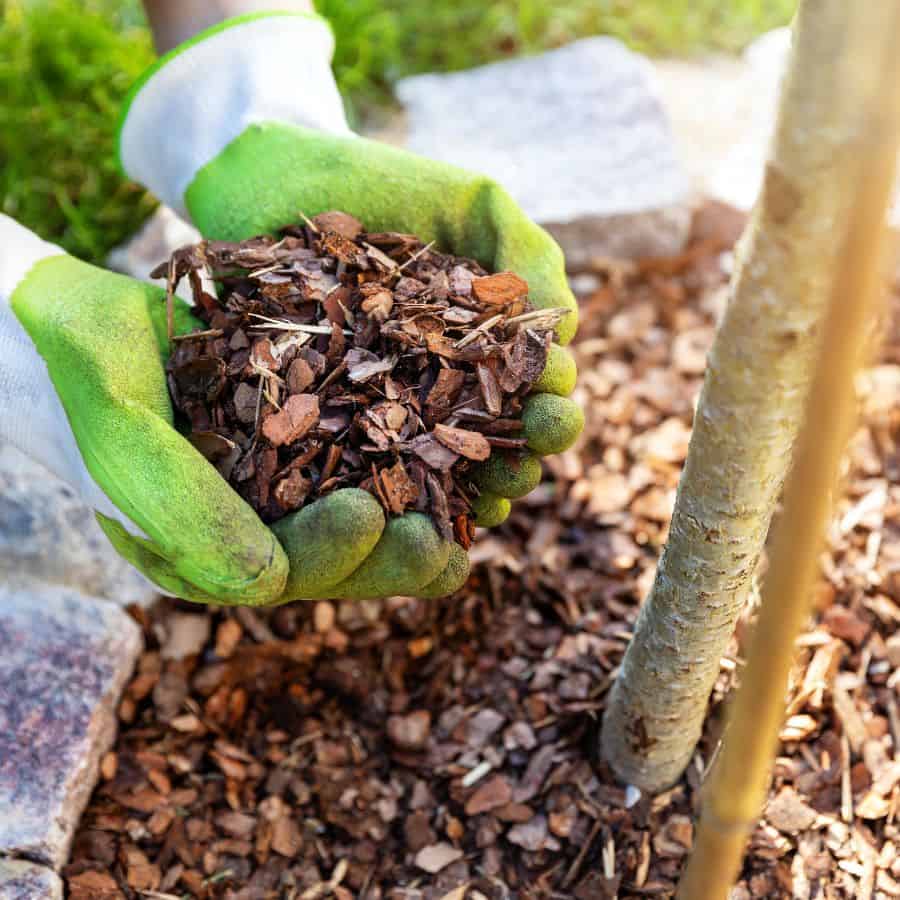
I was surprised to learn that a 3-inch layer of decomposed leaves can retain soil moisture equivalent to an inch of rainfall!
That’s like having a built-in irrigation system working while you Netflix and chill.
YOUR YARD: WILDLIFE’S WINTER RESORT & SPA
Those leaf piles aren’t just good for your soil. They’re literal lifesavers for countless critters.
Think of your unraked yard as the Four Seasons for beneficial insects and small animals when temperatures plummet.
Your leaf layer becomes a cozy sanctuary for:
- Toads and salamanders (your natural slug assassins)
- Butterfly and moth pupae (including stunning luna moths and monarchs)
- Native bees and other pollinators (who’ll reward you with spectacular flowering next spring)
- Birds searching for protein-packed insects to survive winter
Did you know? Research shows yards with leaf litter can support up to 156% more butterfly and moth species than pristinely raked properties.
Who needs a butterfly garden when your whole yard can be one?
THE ULTIMATE LAZY-GENIUS DISPOSAL METHOD
Let’s be honest. Hauling 15 bags of leaves to the curb ranks somewhere between dental work and tax filing on the fun scale.
What if your disposal system was… doing absolutely nothing?
The game-changer for your fall routine isn’t what you think. By leaving leaves where they fall (or mulching them with your mower), you’re:
- Saving your back from unnecessary strain
- Reducing methane emissions from landfills (leaves in landfills decompose anaerobically, producing this powerful greenhouse gas)
- Creating a self-sustaining ecosystem right in your yard
Your neighbors might call you lazy. Just tell them you’re “strategically inert for ecological benefit.” That’ll shut ’em up.
WHEN THE RAKE REALLY SHOULD RISE: EXCEPTIONS TO THE RULE
Despite all the benefits, there are legitimate times when your rake deserves its moment in the spotlight. Consider these the “non-negotiable” scenarios:
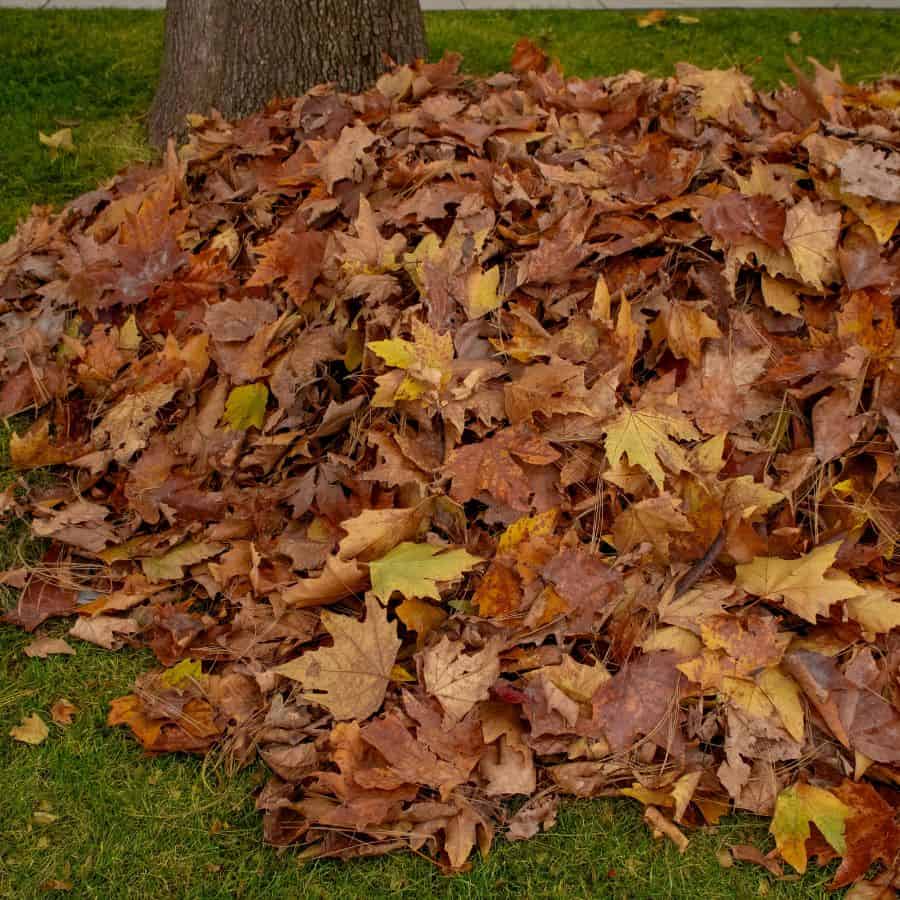
When Your Lawn Is Disappearing Under a Leaf Avalanche
If you can no longer see your grass or the leaves have formed a soggy, matted layer after rain, it’s time to intervene.
This thick blanket blocks both sunlight and air, creating the perfect breeding ground for lawn-killing fungal diseases like snow mold.
Pro tip: Don’t bag them! Use a mulching mower to shred them into tiny pieces that will quickly decompose between grass blades. It’s like getting the nutrient benefit without the risk of suffocation.
When You’re Facing Drainage Drama
Leaves are sneaky little saboteurs of public infrastructure. Clear them from:
- Storm drains (to prevent street flooding)
- Gutters (to avoid foundation damage)
- Drainage ditches (to keep water flowing properly)
Your municipal engineers will thank you, and you’ll avoid being “that neighbor” when the street floods.
When Disease Is in the Picture
Some leaves are tiny biological weapons waiting to attack next season’s plants. If your property has:
- Fruit trees with scab or other fungal issues
- Roses with black spot
- Tomatoes or vegetables with blight
These infected leaves must be removed and properly disposed of, not composted. Otherwise, you’re essentially giving garden diseases an all-expenses-paid vacation before they launch their spring offensive.
When Safety Demands It
Wet leaves on hard surfaces turn your walkway into nature’s slip-n-slide (without the fun). Clear leaves from:
- Sidewalks and walkways
- Patios and decks
- Driveways
Unless your home insurance covers “autumn-induced acrobatics,” this is one area where raking makes perfect sense.
THE MULCHING MAGIC MIDDLE GROUND
Can’t decide between Team Rake and Team Leave-It? Enter the perfect compromise: mulching.
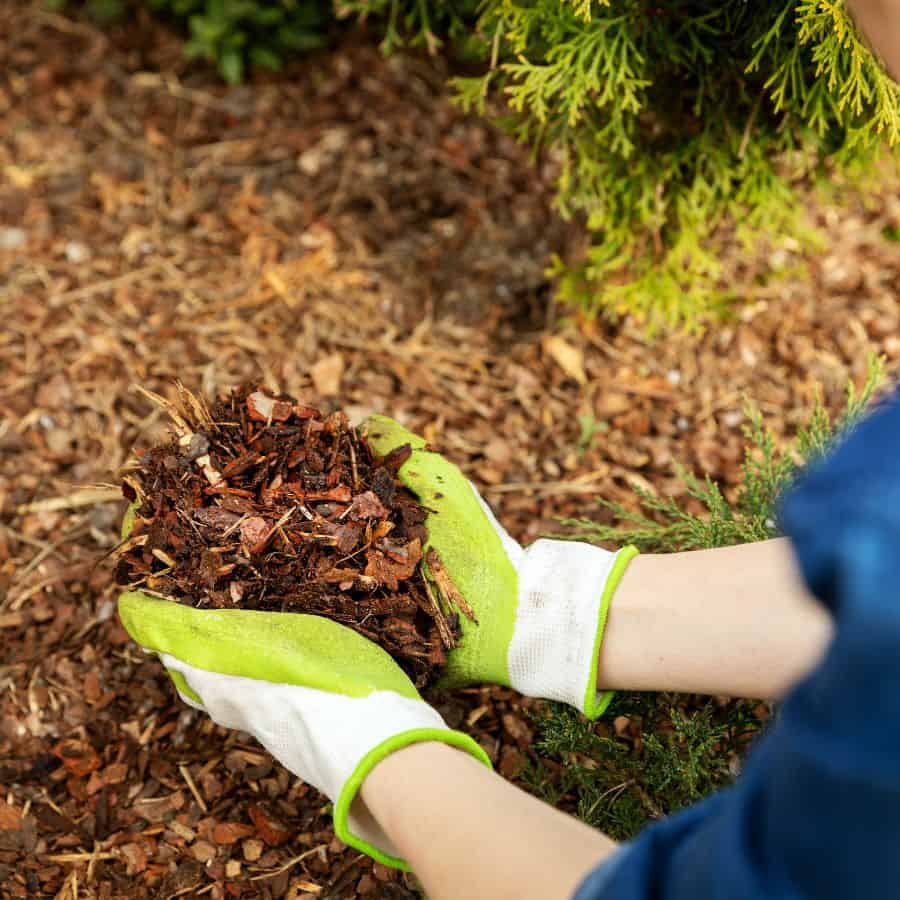
Running your mower over leaves shreds them into tiny fragments that decompose quickly without smothering your lawn.
Most people make this mistake with their fallen leaves: they see only two options: bag everything or do nothing. The mulching method provides all the soil-building benefits without the potential lawn damage from thick leaf mats.
Consider this the difference between amateur and pro plant parents: pros don’t remove organic matter from their yards. They simply resize it to work more efficiently!
THE BOTTOM LINE: WORK WITH NATURE, NOT AGAINST HER
Your approach to fall leaves should match your specific situation. A light covering of leaves or mulched leaf particles benefits nearly every landscape.
Only intervene when leaves truly threaten your lawn’s health or create hazards.
Remember: those leaves aren’t waste. They’re resources that arrived precisely where they can do the most good. In the grand chess game of gardening, sometimes the winning move is no move at all.