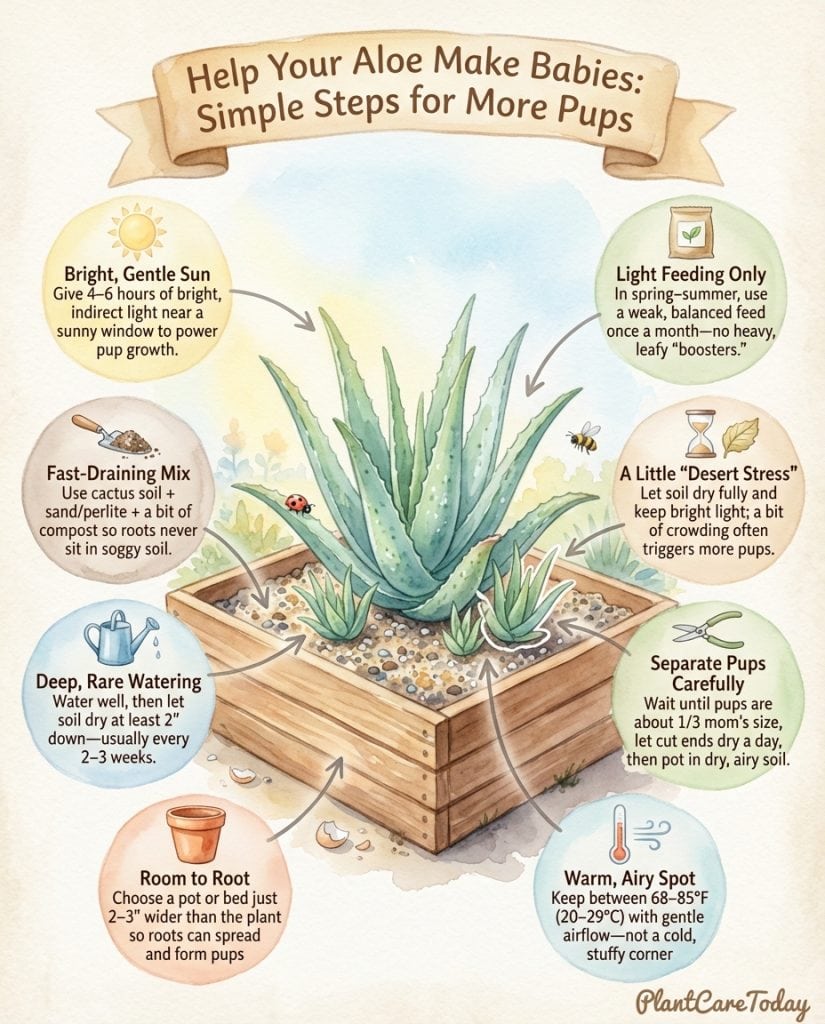
Imagine having an endless supply of one of nature’s most healing plants without spending another dime. That’s the magic of aloe vera propagation!
Your single aloe plant is actually a tiny factory waiting to produce dozens of baby plants (called “pups”). If you know how to trigger its multiplication mode.
I was shocked to discover that with just a few tweaks to your care routine, you can transform one lonely aloe into a thriving dynasty of medicinal succulents.
The Secret Life of Aloe Babies: What You Need to Know
Those little offshoots growing at the base of your aloe? They’re not just cute. They’re your plant’s natural cloning system.
Each pup is genetically identical to the mother and can grow into a full-sized aloe with the right care.
The game-changer for your aloe multiplication isn’t what you think. While most houseplants multiply when they’re pampered, aloe vera actually produces more babies when it experiences mild stress!
This desert survivor evolved to send out pups as a survival strategy when conditions get slightly challenging.
(Think of it as aloe’s version of survival insurance, when the going gets tough, it sends out reinforcements!)
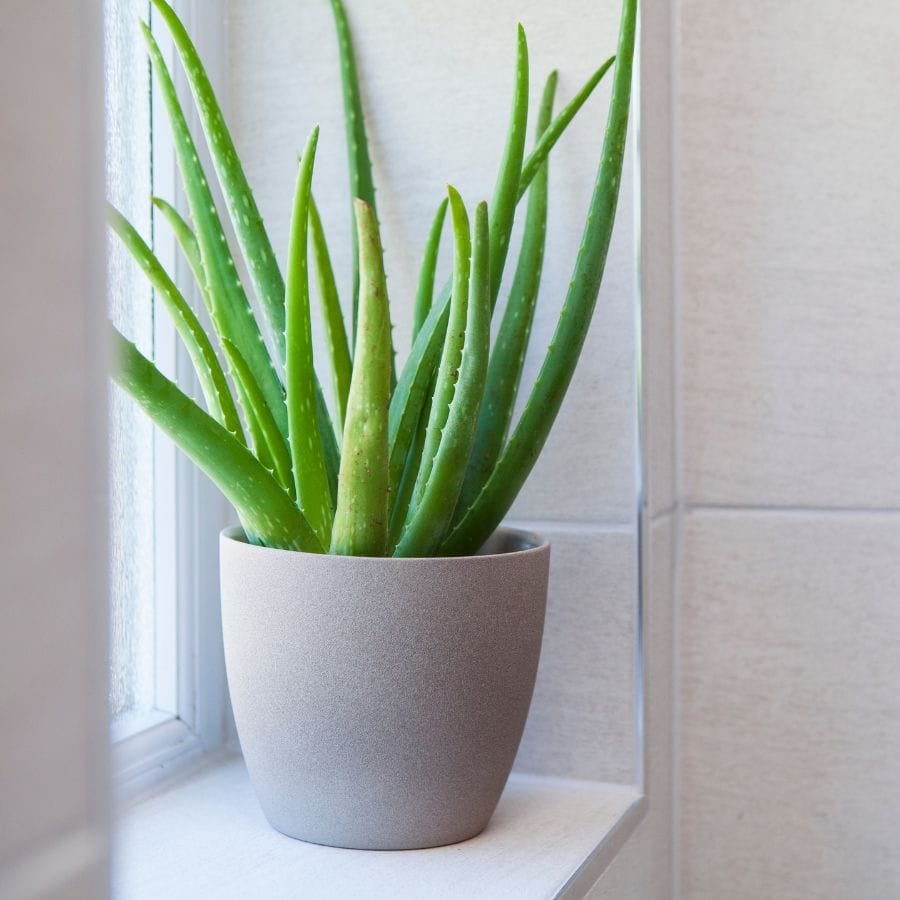
8 Power Moves to Make Your Aloe a Baby-Making Machine
1. Let There Be Light (But Not Too Much)
Your aloe is trying to tell you something important: without enough sunshine, it won’t make babies.
Place it near south or west-facing windows where it can bask in bright, indirect sunlight for 4-6 hours daily.
If your plant starts leaning dramatically toward the light source like a desperate sunbather, it’s begging for more brightness.
Move it closer to the window and watch its reproductive system kick into high gear!
2. Mix the Ultimate Desert-Inspired Soil
Forget what you’ve heard about standard potting soil. It’s Aloe’s worst nightmare. These plants need their roots to breathe, and soggy soil is a pup-production killer.
Create this power-packed mix that mimics aloe’s natural habitat:
- 1 part cactus/succulent soil
- 1 part coarse sand or perlite
- 1 part organic matter (compost or coco coir)
Pro tip: Sprinkle crushed eggshells at the bottom of the pot. They improve drainage AND provide slow-release calcium. It’s like a spa treatment for aloe roots!
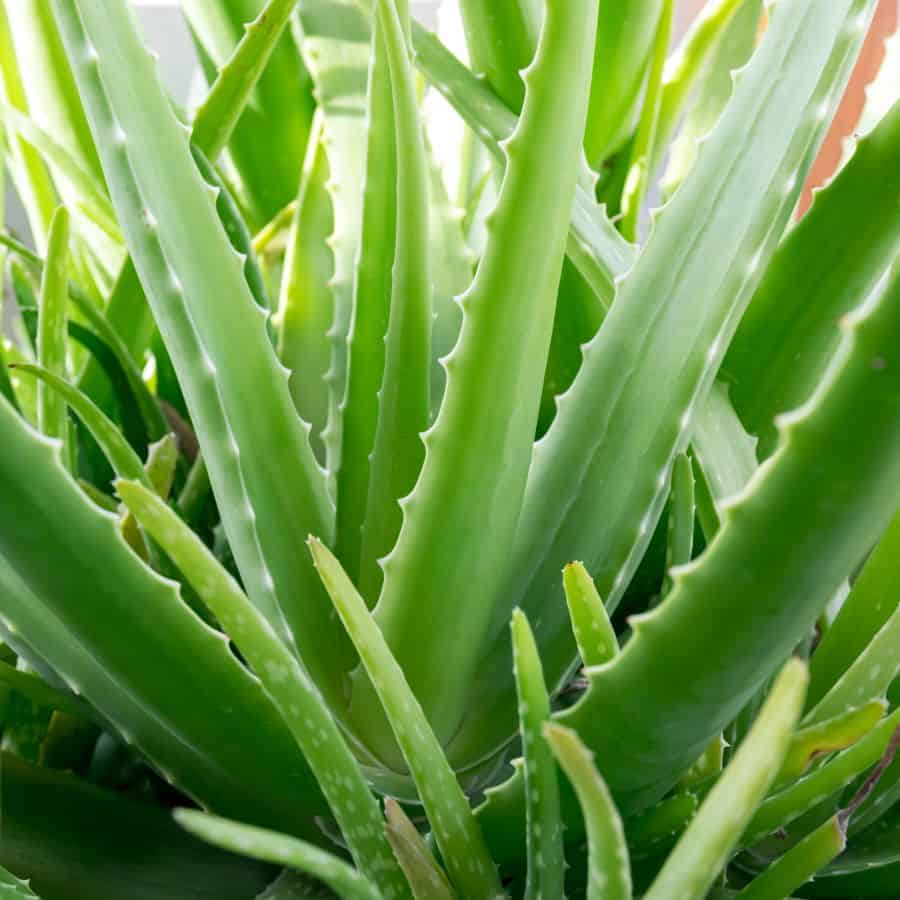
3. Master the Art of Strategic Underwatering
Most people make this mistake with their aloe: they kill it with kindness by overwatering.
Soggy soil is the fastest way to send your aloe to plant heaven with zero pups to show for it.
The difference between amateur and pro plant parents is simply water discipline. Water deeply but infrequently, every 2-3 weeks is perfect. Always check the top 2 inches of soil first; if it’s dry, it’s time to water.
Surprising fact: Slightly underwatering your aloe can increase pup production by up to 40%! When the plant senses water scarcity, it often responds by producing offsets as a survival mechanism.
4. Give Your Aloe Room to Grow a Family
Cramped pots = fewer babies. Period. Your aloe needs space for its root system to expand before it can start producing pups.
Choose a pot that’s 2-3 inches wider than your plant’s base. Terracotta pots are the gold standard. They breathe like desert soil and prevent the root-rotting moisture that stops pup production in its tracks.
Think of it like this: would you want to start a family in a tiny studio apartment? Your aloe feels the same way!
5. Feed Your Aloe (But Don’t Overstuff It)
Aloes are like that friend who barely eats but somehow maintains perfect energy—they need very little to thrive. However, a strategic nutrient boost during spring and summer can supercharge pup production.
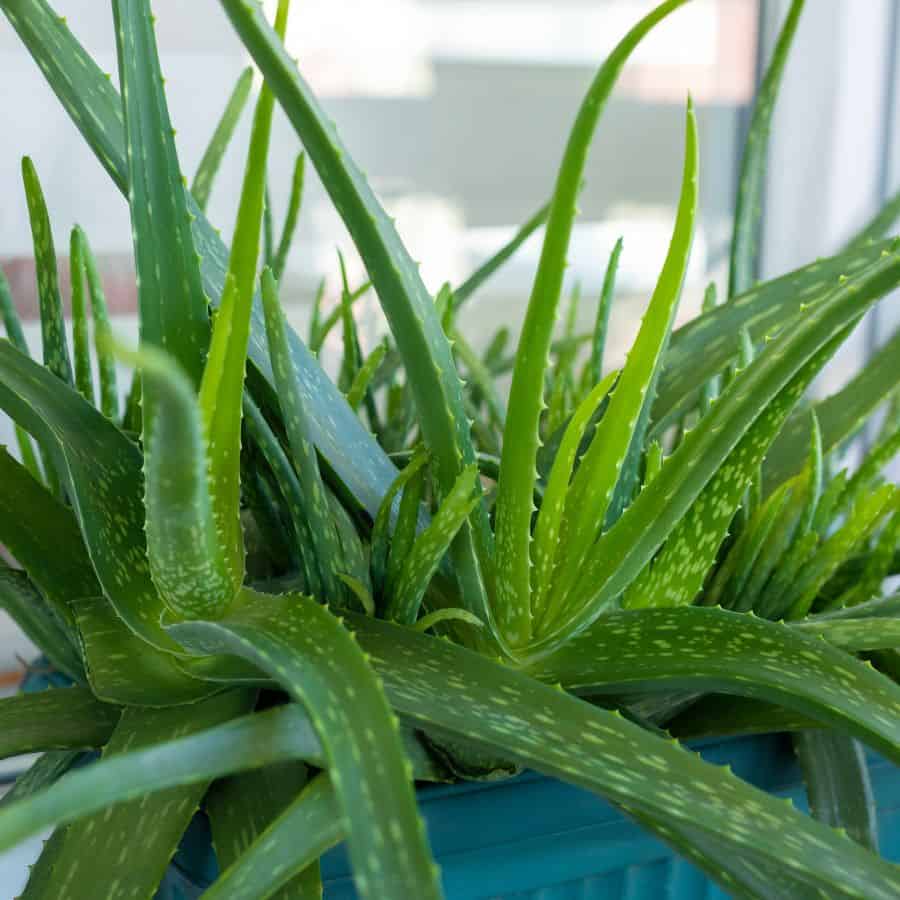
The secret most plant experts won’t tell you is that the type of fertilizer matters tremendously. High-nitrogen formulas will give you lush leaves but few pups. Instead:
- Use a balanced 10-10-10 fertilizer diluted to half strength
- Apply just once monthly during the growing season
- Try organic options like liquid seaweed for a gentle boost
6. Stress Your Plant (In a Good Way)
This sounds counterintuitive, but it’s pure plant genius: mild stress stimulates aloe reproduction. In nature, slightly challenging conditions trigger aloe’s survival instincts.
To recreate this effect:
- Let the soil dry completely between waterings
- Allow your plant to become slightly root-bound
- Maintain bright light conditions
It’s like sending your aloe to a plant boot camp. Just enough challenge to build character and babies!
7. Harvest and Replant Pups Like a Pro
When your pups reach about 1/3 the size of the mother plant (with at least 3-4 leaves), they’re ready for independence. Here’s how to separate them for maximum success:
- Remove the entire plant from its pot
- Gently brush away soil to expose the connecting roots
- Cut connections with a clean, sharp knife
- Let cut surfaces dry for 24 hours (this prevents rot—the #1 killer of baby aloes)
- Plant pups in well-draining soil in their own small pots
- Wait 2-3 days before watering lightly
8. Create a Desert-Like Climate
Aloe vera flourishes and multiplies in warm, airy environments. Aim for temperatures between 68°F and 85°F (20°C–29°C) with good air circulation.
Stagnant air is the enemy of vibrant aloe reproduction. If your indoor air feels stuffy, occasional open windows or using a small fan nearby can work wonders for pup production.
Troubleshooting: Why Your Aloe Isn’t Making Babies
If your aloe remains stubbornly single with no pups in sight, check for these common issues:
- Insufficient light: The #1 reason for pup failure
- Overwatering: Soggy roots can’t produce babies
- Too small a plant: Young aloes need time to mature before reproducing
- Poor drainage: Standing water is a pup production killer
- Too much fertilizer: Over-feeding creates leafy plants with few offsets
Beyond Beauty: Why Your Aloe Army Matters
Growing multiple aloes isn’t just about having pretty plants. It’s about creating a sustainable wellness resource.
A single mature aloe plant can provide enough healing gel to treat minor kitchen burns and skin irritations for an entire family.
Even more impressive: aloe plants can remove up to 90% of formaldehyde from indoor air in just 24 hours, making them powerful air purifiers for your home.
With these techniques, you’ll soon have enough aloe to use freely for skin treatments, to share with friends, or even to start a small side business selling starter plants.
One plant truly can transform into a lifetime supply of this spectacular healing succulent!