Think August means it’s too late for your veggie garden? Not at all. While your neighbors might be wrapping up, you could be setting up for a solid late-season harvest.
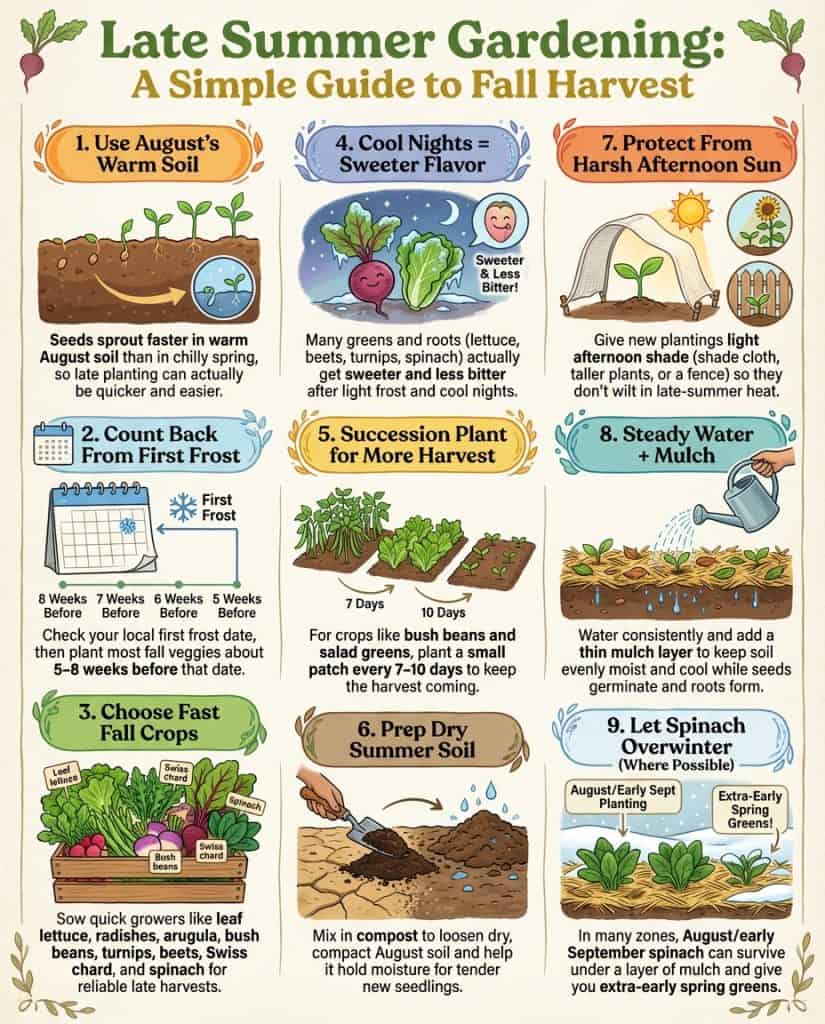
Here’s something helpful to know: August soil is actually warm and ready to go, which means seeds germinate faster than they do in chilly spring ground.
Why August Works Well for Planting
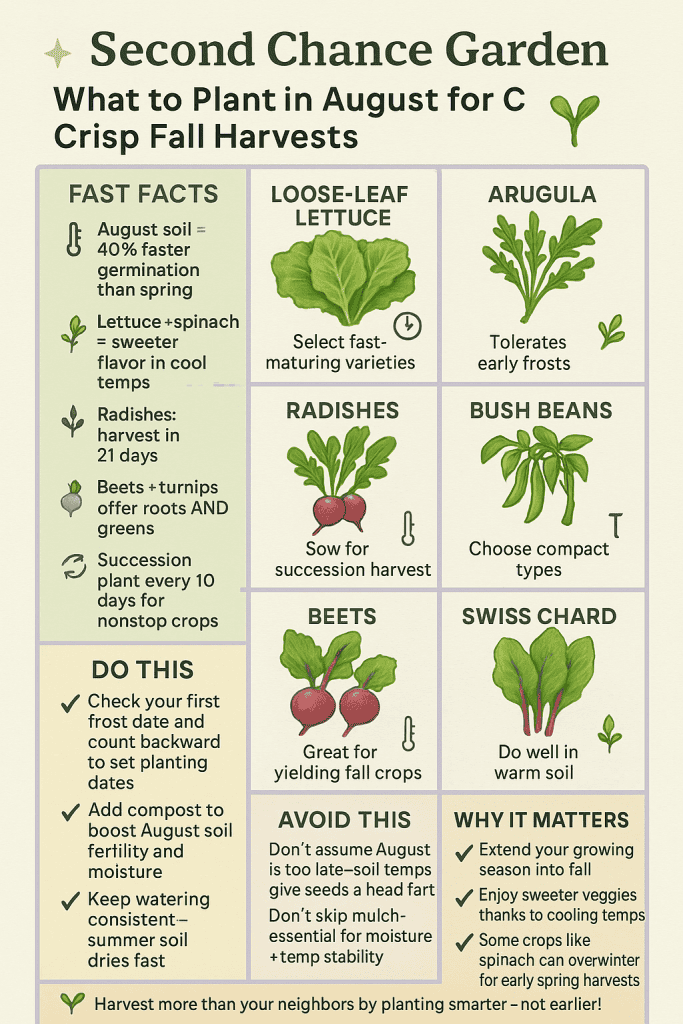
Don’t worry about August being too late for planting. That’s really not the case. Warm soil temperatures actually speed up germination. Seeds can sprout up to 40% faster than in cooler spring conditions.
Think of August soil like a warm blanket for your seeds. Spring planting often requires patience as seeds slowly wake up in cool earth. August planting moves things along much faster.
This is how market gardeners keep harvests going while everyone else thinks the growing season is done.
8 Vegetables That Do Well When Planted in August
1. Loose-Leaf Lettuce: The Cool Customer
Loose-leaf lettuce works great in zones 5-7 and actually develops a sweeter flavor when temperatures drop. Plant 6-8 weeks before the first frost, and these greens will keep producing.
The best part about lettuce is that it actually tastes better after exposure to light frost. That bitter taste many people complain about? It goes away after cool nights.
2. Radishes: The Speed Demons
Radishes thrive in zones 5-8 and are the fastest vegetables you can grow. Some varieties are ready to harvest in just 21 days, making them perfect for late-summer planting.
If your previous radish attempts yielded only leaves and tiny roots, planting in August often fixes this. Cooler weather helps with better root development.
3. Arugula: The Spicy Sophisticate
Arugula does well in zones 4-8, with zones 5-7 being ideal. Choose bolt-resistant varieties so your arugula doesn’t flower too early in the late summer heat.
August-planted arugula develops a more complex flavor than spring-planted ones. You’ll get that nice restaurant-quality spicy kick.
4. Bush Beans: The Rapid Producers
Bush beans are perfect for zones 5-8. Ready in as little as 55 days, they’ll produce plenty before frost arrives. Unlike pole beans, which need supports and take more time, bush varieties give you good results with less work.
Here’s a common mistake: planting once and calling it done. For a continuous harvest, plant a small patch every 10 days until early September.
5. Turnips: The Dual-Purpose Dynamos
Turnips are ideal for zones 4-8 (best in 5-7) and often overlooked for late-season gardens. Plant them 6-8 weeks before the first frost, and you’ll get both roots and greens.
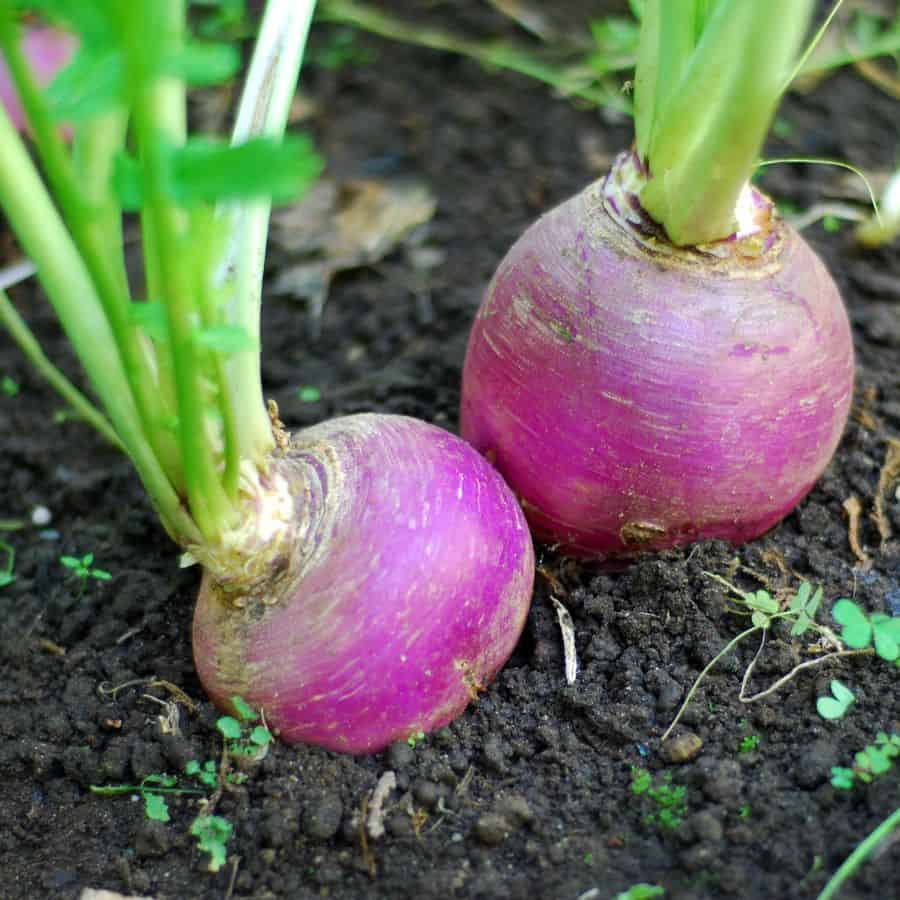
Turnip greens actually contain more vitamins and minerals than the roots. You’re basically getting two vegetables for the effort of growing one.
6. Beets: The Two-for-One Special
Beets thrive in zones 5-7 when planted in August. Choose fast-maturing varieties to ensure you’ll harvest both roots and greens before it gets too cold.
Beets planted in August often develop sweeter, more tender roots than those planted in spring. The cooling temperatures concentrate their natural sugars.
7. Swiss Chard: The Temperature Chameleon
Swiss chard adapts well to zones 4-9, handling both lingering heat and approaching cold. Baby leaves can be harvested in just 30 days, while full-sized leaves take 50-60 days.
Swiss chard maintains its bright color and flavor through temperature swings that would make other greens struggle.
8. Spinach: The Comeback Kid
Spinach prefers zones 4-7, but can work in zone 8 with enough shade. Plant 5-8 weeks before the first frost and watch this nutrient-packed green thrive as temperatures drop.
Here’s something useful to know: Spinach planted in August and early September often survives winter under mulch in many zones. This gives you the earliest possible spring harvest while your neighbors are just starting to plant.
Your Late Summer Planting Plan
Ready to make the most of your August garden? Here’s what to do:
• Check your first frost date: This helps you plan your timing
• Prep your soil: August soil can be dry and compact, so add compost for moisture retention
• Consider afternoon shade: A little protection from intense afternoon sun helps delicate seedlings get established
• Water consistently: Young plants in August heat need reliable moisture
• Mulch well: This is important for conserving moisture and keeping soil temperature steady
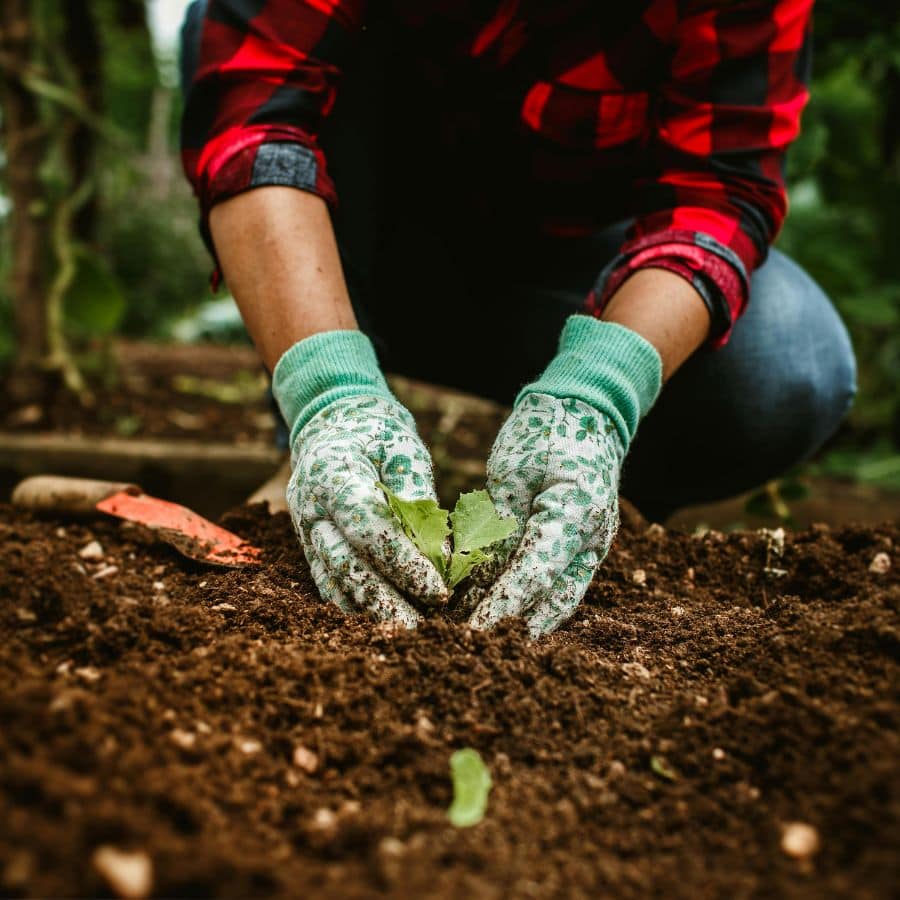
The difference between new and experienced gardeners is understanding that the growing calendar doesn’t end in July. While others watch their gardens wind down, you’ll be growing the next wave of fresh, homegrown produce.
So grab those seeds and get planting. August isn’t the end. It’s another good opportunity in your growing season.