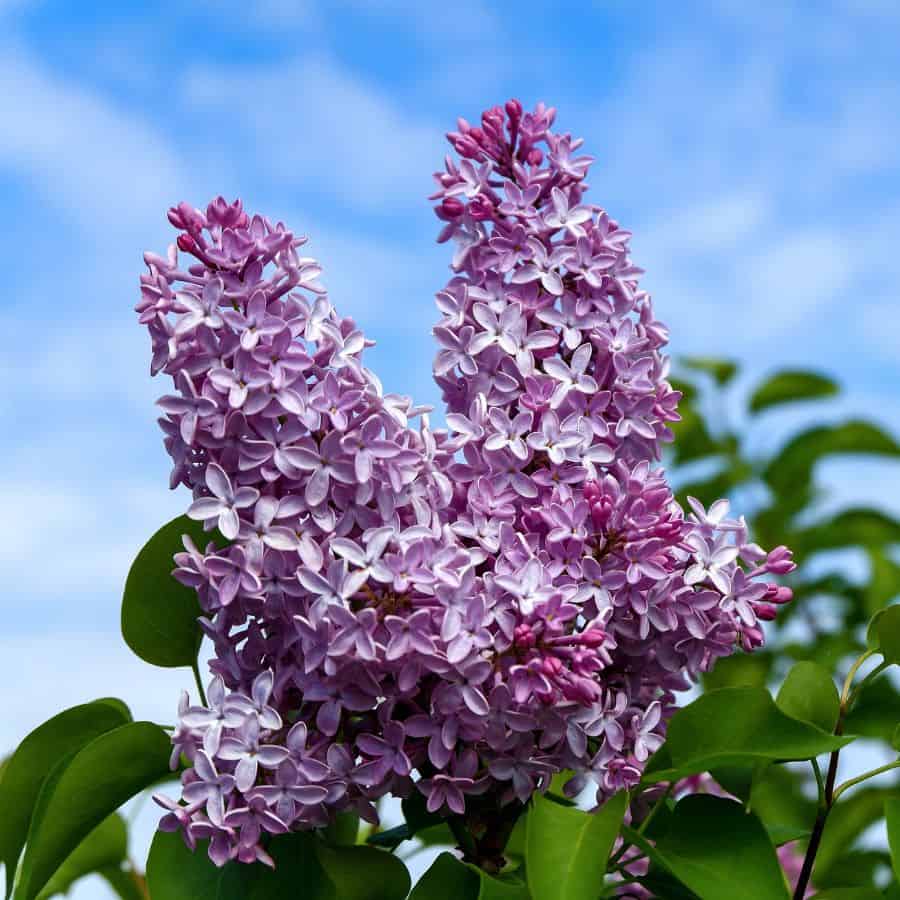
That urge to “tidy up” your garden before winter? It might be killing your plants. While you’re snipping away with the best intentions, your hydrangeas, lilacs, and roses are silently screaming.
(Dramatic? Maybe. But your spring blooms won’t lie!) The truth about fall pruning is more shocking than you think, and what you don’t know could leave you with a barren, bloomless garden come spring.
The Dirty Secret: Why Fall Pruning Sabotages Your Plants
Forget what you’ve heard about fall being “clean-up time.” Pruning sends one powerful signal to plants: GROW! But in autumn, plants are trying to store energy and prepare for dormancy, not push out tender new shoots that will die at the first frost.
The game-changer for your garden isn’t what you think. Timing your pruning correctly is the difference between amateur gardeners and those with magazine-worthy landscapes.
Did you know that a shocking 68% of spring bloom failures are directly linked to improper fall pruning? That’s right. Those missing lilac blossoms might be entirely your fault.
When you prune in the fall, you’re essentially asking plants to:
- Waste precious stored energy on healing cuts instead of surviving winter
- Produce vulnerable new growth just before frost hits
- Fight diseases with their defenses down (cuts heal S-L-O-W-L-Y in cold, damp weather)
- Say goodbye to next year’s flower buds that are already formed
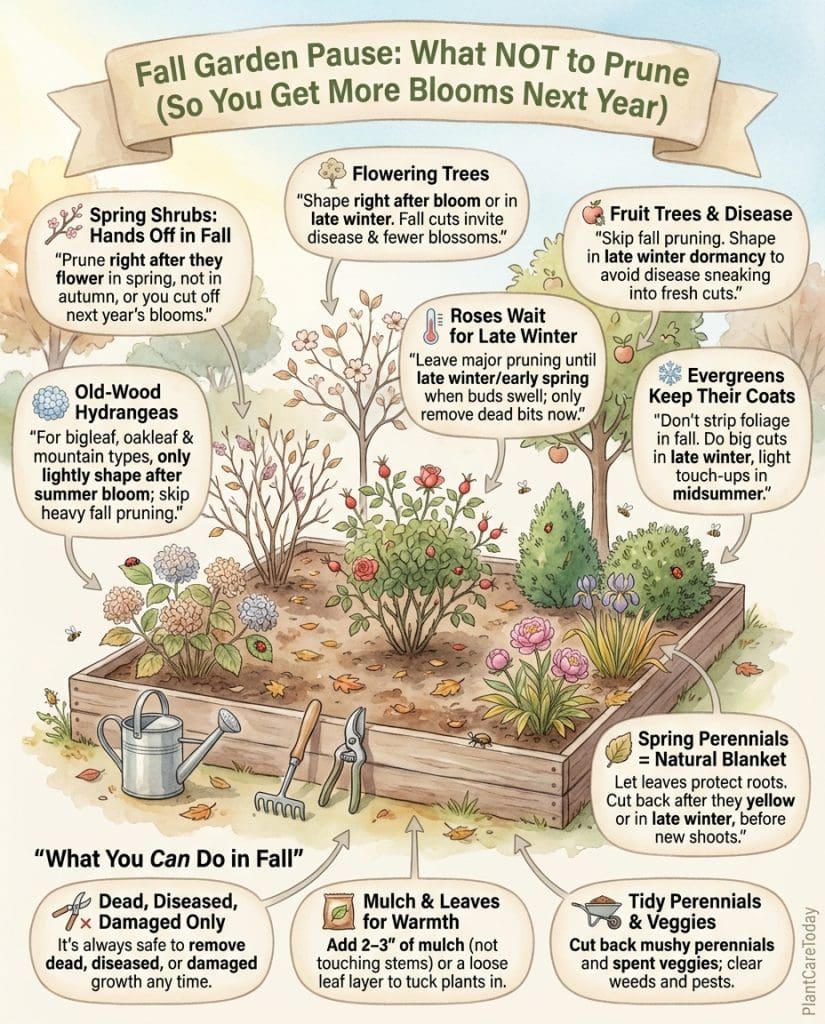
7 Plants Begging You to Put Down Those Pruners
1. Spring-Blooming Shrubs: The Heartbreakers
Your lilacs, forsythia, azaleas, rhododendrons, and viburnums are already pregnant with next year’s flowers. Cut them now, and you’re literally throwing baby blooms in the compost.
These shrubs are like time travelers by July; they’ve already created spring 2024’s spectacular show.
When to prune instead: Right after flowering ends in spring. This gives them the entire growing season to develop new flowering wood.
2. Certain Hydrangeas: The Misunderstood Beauties
Most people make this mistake with their hydrangeas: treating them all the same. Bigleaf (macrophylla), oakleaf (quercifolia), and mountain (serrata) hydrangeas bloom on old wood.
By October, they’re already carrying the embryos of next summer’s lush flower heads.
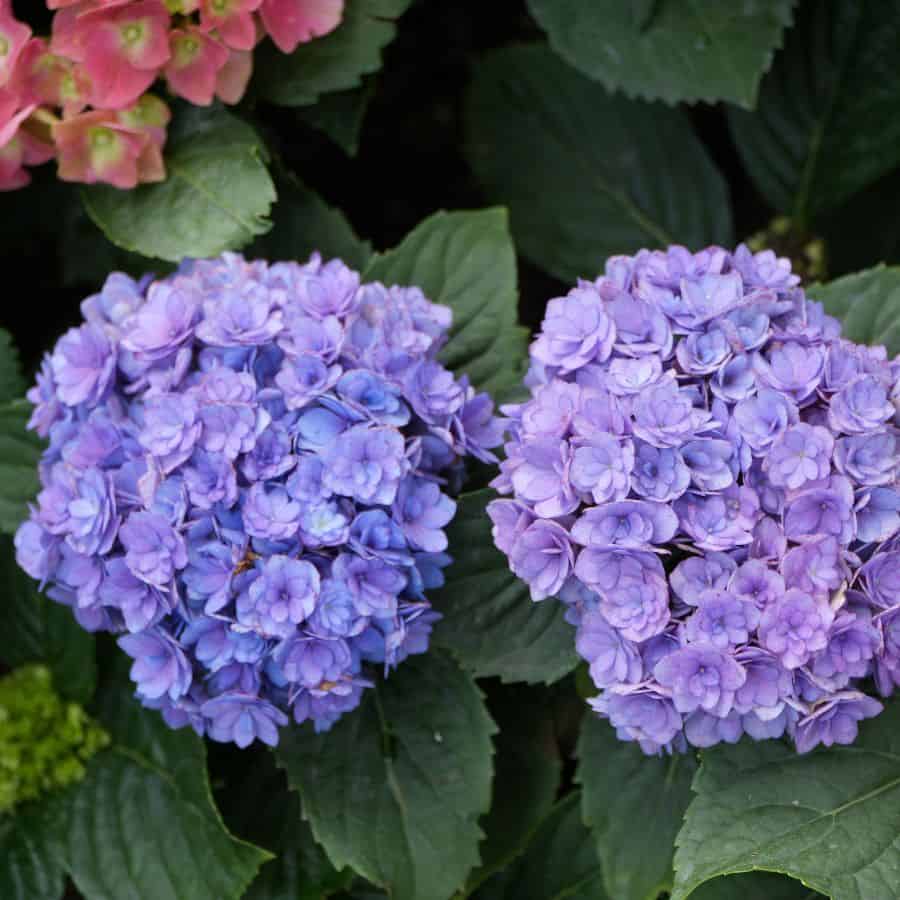
When to prune instead: Shortly after summer flowering, and even then, only remove dead or crossing branches. (Even panicle and smooth hydrangeas should wait until late winter; never fall!)
3. Spring-Flowering Trees: The Vulnerable Giants
Redbuds, dogwoods, magnolias, crabapples, and ornamental fruit trees form their buds in summer. Fall pruning doesn’t just steal flowers. It creates gaping wounds that heal slowly and painfully.
Like leaving a cut open during flu season, you’re inviting infections like cankers, fire blight, and fungal diseases.
When to prune instead: Right after flowering for shape, or during late winter dormancy for structure.
4. Roses: The Drama Queens
Your roses are trying to tell you something important: “Don’t cut me in fall!”
These beauties are particularly reactive to pruning and will dramatically push out tender new growth that frost will kill faster than a villain in a horror movie. The result? Dieback, disease entry points, and wasted energy reserves.
When to prune instead: Late winter/early spring when buds begin to swell. In warmer regions, light pruning after the main bloom cycle.
5. Fruit Trees: The Disease Magnets
I was shocked to discover that pruning fruit trees in the fall can be a death sentence. Apple, pear, peach, and cherry trees are particularly vulnerable to diseases that enter through fresh cuts.
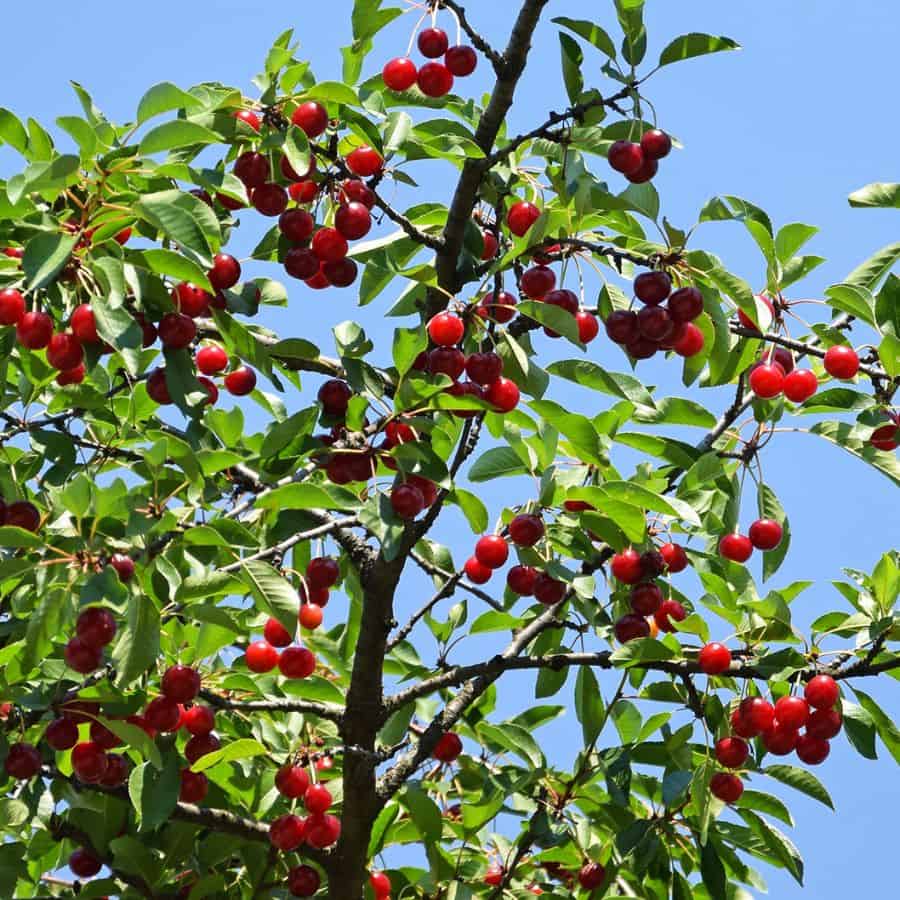
Fall’s cool, wet conditions create the perfect breeding ground for fire blight, silver leaf disease, and peach leaf curl.
When to prune instead: Late winter during dormancy, but after the harshest freezes have passed.
6. Evergreens: The Winter Warriors
Boxwoods, yews, arborvitae, and junipers rely on their foliage to photosynthesize during winter warm spells.
Cutting in the fall is like taking away their winter coat and food reserves simultaneously. The result? Weak plants susceptible to winter burn and dieback.
When to prune instead: Late winter for major reshaping, midsummer for light touch-ups.
7. Spring Perennials: The Frost-Vulnerable
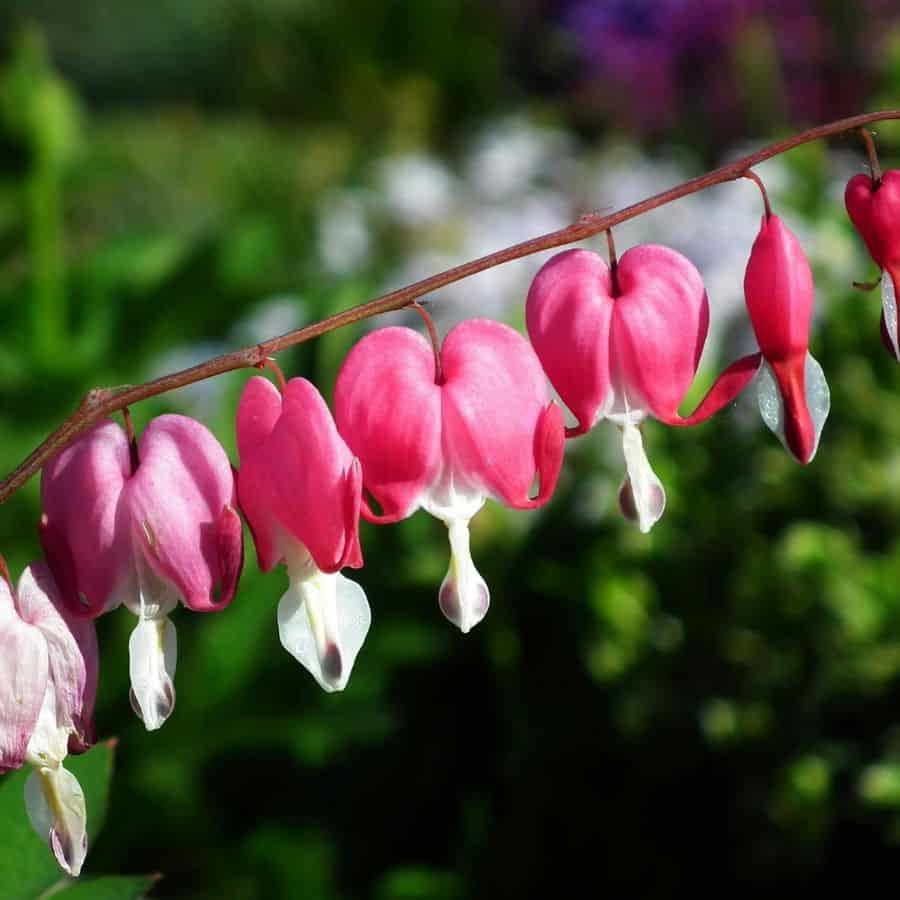
Peonies, irises, hellebores, and bleeding hearts need their foliage as a natural blanket. Their leaves aren’t just decorative.
They’re working overtime to store energy in roots and protect crowns from freeze-thaw cycles. Cutting back too early can reduce blooms by up to 30% the following year!
When to prune instead: Wait until foliage naturally yellows after frost, or clean up in late winter before new growth emerges.
What You CAN Safely Cut in Fall (Without Destroying Dreams)
The secret most plant experts won’t tell you is that some selective fall cutting is actually beneficial. You have permission to:
- Remove the three D’s: Dead, diseased, or damaged branches (these are always fair game)
- Cut back collapsed perennials: Hostas, daylilies, and anything that turns to mush after frost
- Clear spent vegetable plants: Especially those harboring pests or disease
- Tackle invasive weeds: Fall is actually perfect for this battle
Your Fall Garden Therapy (No Pruners Required)
Still itching to do something with your garden before winter? Try these alternatives that won’t sabotage next year’s display:
- Deadhead spent flowers (removing just the bloom, not stems)
- Apply a 2-3 inch layer of mulch around bases (staying 2-3 inches from stems)
- Stake tall plants to prevent winter wind and snow damage
- Create a protective leaf layer around perennials (nature’s mulch!)
The difference between amateur and pro plant parents is simply patience. Your garden doesn’t need to be spotlessly tidy for winter.
In fact, a little “wildness” provides habitat for beneficial insects and natural protection for your plants.
Remember: You can always cut in spring, but you can never uncut what’s already gone.
When in doubt, keep those pruners in the shed until the timing is right. Your vibrant, flourishing spring garden will be all the reward you need.