Did you know that plant propagation is like having a botanical ATM right in your living room?
That sad little leaf that just fell off your favorite houseplant isn’t trash. It’s literally a free plant waiting to happen!
I was shocked to discover that Americans throw away over $1.7 billion in potential plants each year by discarding fallen leaves.
Let’s turn that green waste into a lush jungle, shall we?
Why Your Trash Bin Might Be Eating Your Next Dream Plant
Before you toss another leaf, consider this: that single discarded cutting could become 10, 20, or even 50 new plants over time. That’s like throwing a $20 bill in the garbage, then watching it multiply!
Propagation isn’t just wallet-friendly. It’s a front-row ticket to nature’s most spectacular magic show. There’s something almost miraculous about watching a lone leaf sprout tiny roots, then unfurl new growth right before your eyes.
The game-changer for your indoor garden isn’t expensive fertilizer or fancy pots. It’s simply learning which leaves can transform into entirely new plants with minimal effort.
8 Plants With Leave-and-Learn Propagation Powers
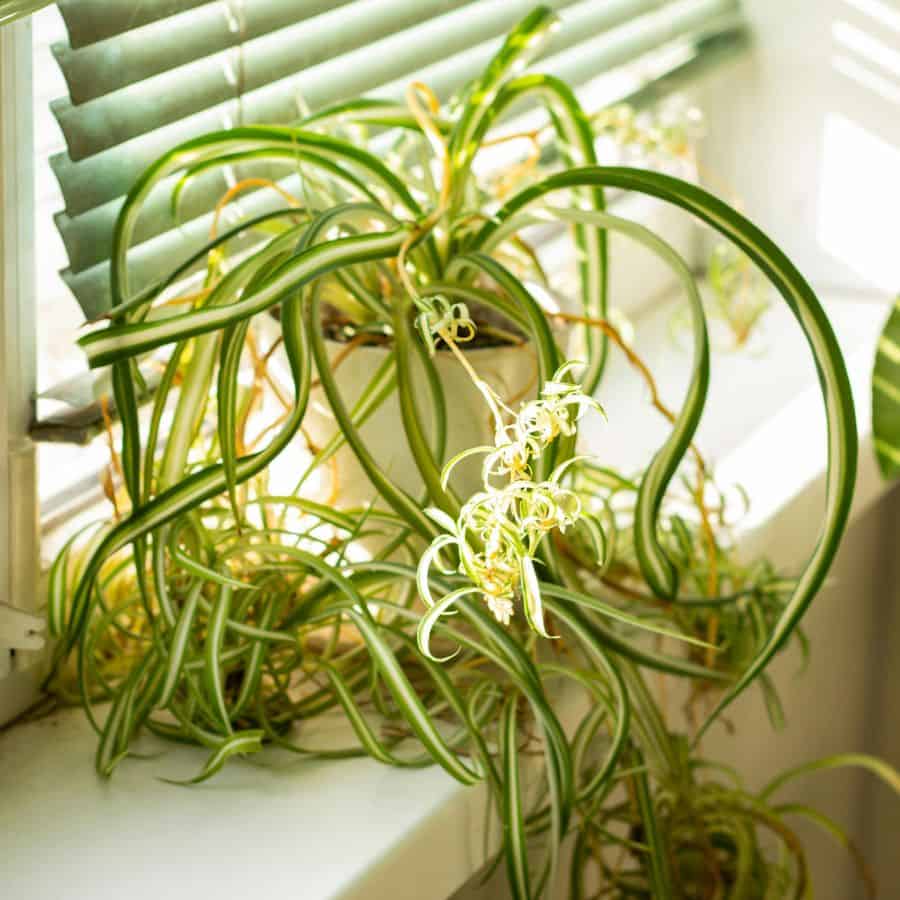
1. Spider Plant: Nature’s Easiest Cloning Machine
Spider plants are like that friend who’s always eager to introduce you to their extended family.
Those dangling “spiderettes” aren’t just decorative. They’re ready-made baby plants practically begging to start their own lives.
Here’s your move: Snip those baby offshoots, plant them in moist soil, and voilà! New spider plants faster than you can say “arachnid invasion.”
Fun fact: While multiplying your collection, these plants simultaneously scrub your air of toxins like carbon monoxide and formaldehyde; talk about a multitasking marvel!
2. Snake Plant: The Cut-and-Come-Again Succulent
Forget what you’ve heard about succulents being difficult to propagate!
Snake plants are the exception to the rule, turning single leaf sections into full plants with the determination of a botanical phoenix.
Here’s your move: Cut a leaf into 2-3 inch sections, let them callous, then plant upright in sandy soil. Just remember. Upside-down planting is a no-go!
Water sparingly. These drought-tolerant warriors prefer to be thirsty rather than drown.
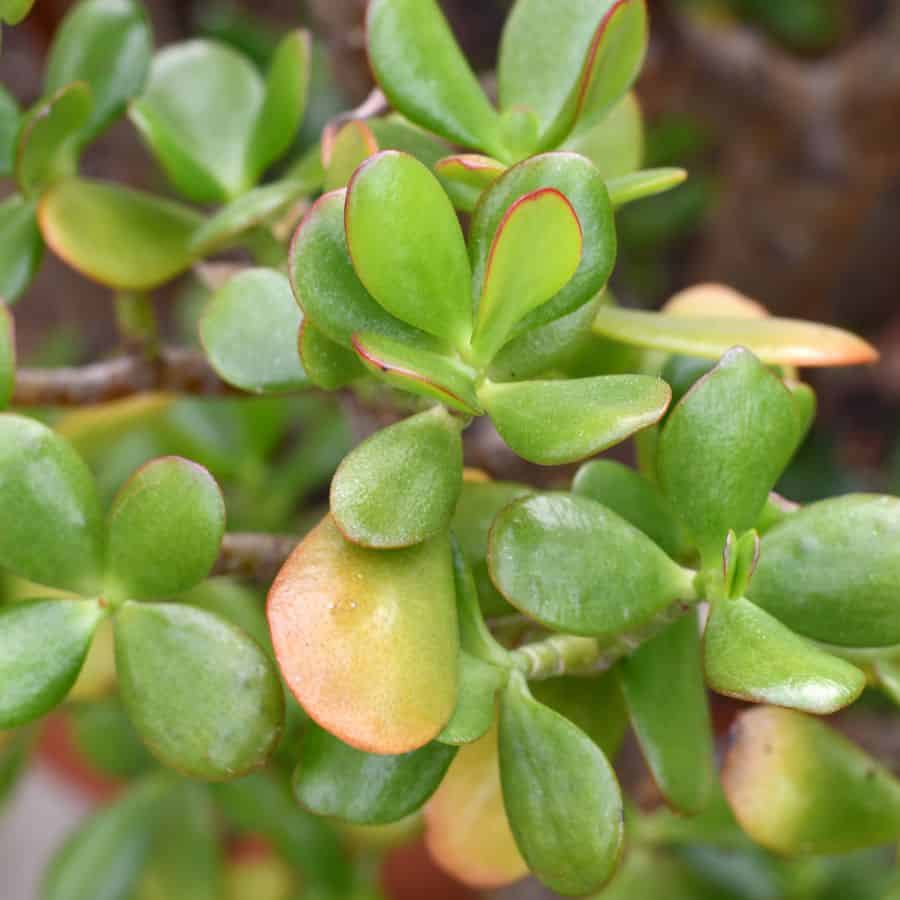
3. Jade Plant: Your Money-Growing Tree (Literally!)
The secret most plant experts won’t tell you is that jade plants, those symbols of prosperity, are actually prosperity multipliers!
Each fleshy leaf contains everything needed to create an entirely new plant.
Here’s your move: Gently twist a leaf from the stem, let it dry, then nestle it into well-draining soil.
The difference between amateur and pro plant parents is simply patience. Don’t water for a week after planting. Your restraint will be rewarded with tiny roots that eventually grow into a miniature tree!
4. African Violet: The Flowering Miracle Worker
Most people make this mistake with their African violets: tossing broken leaves instead of turning them into stunning new flowering plants! Unlike many flowering plants, these beauties propagate with surprising ease.
Here’s your move: Cut a healthy leaf, dip it in rooting hormone, and tuck it into violet-specific soil. Create a mini-greenhouse effect with a plastic bag.
Within weeks, you’ll notice tiny plantlets forming at the base, and each one will eventually produce those signature vibrant blooms!
5. Begonia: The Vein-to-Victory Propagator
Begonias might be the closest thing to plant sorcery in your home. Unlike most plants, they can regenerate from leaf fragments, as long as each piece contains a vein. It’s like growing trees from twigs!
Here’s your move: Cut a healthy leaf into sections, lay them vein-side down on moist soil, and lightly press in. Cover with plastic to create a mini tropical environment.
The transformation is dramatic, within weeks, each fragment awakens to become a completely new plant, often with unique pattern variations from the parent!
6. Pothos: The Practically Immortal Vine
Your pothos is trying to tell you something important: “I want to be everywhere!” These vining champions are so eager to grow that they’ll sprout roots from nearly any node given the chance.
Here’s your move: Snip a section with at least one node, pop it in water, and watch the roots explode. Once they reach 2-3 inches, transition to soil.
One pothos plant can literally transform into dozens of new ones each year. It’s the plant equivalent of compound interest!

7. Philodendron: The Node-Growing Ninja
Closely related to pothos, philodendrons are the unsung heroes of propagation simplicity. These tropical treasures root so readily that they practically jump at the chance to multiply.
Here’s your move: Cut a stem section with at least one node, place it in water or soil; either way, these plants are determined to survive and thrive.
Did you know? Philodendrons are among the most effective air purifiers in the plant kingdom, so each cutting becomes a new little air-cleaning station for your home!
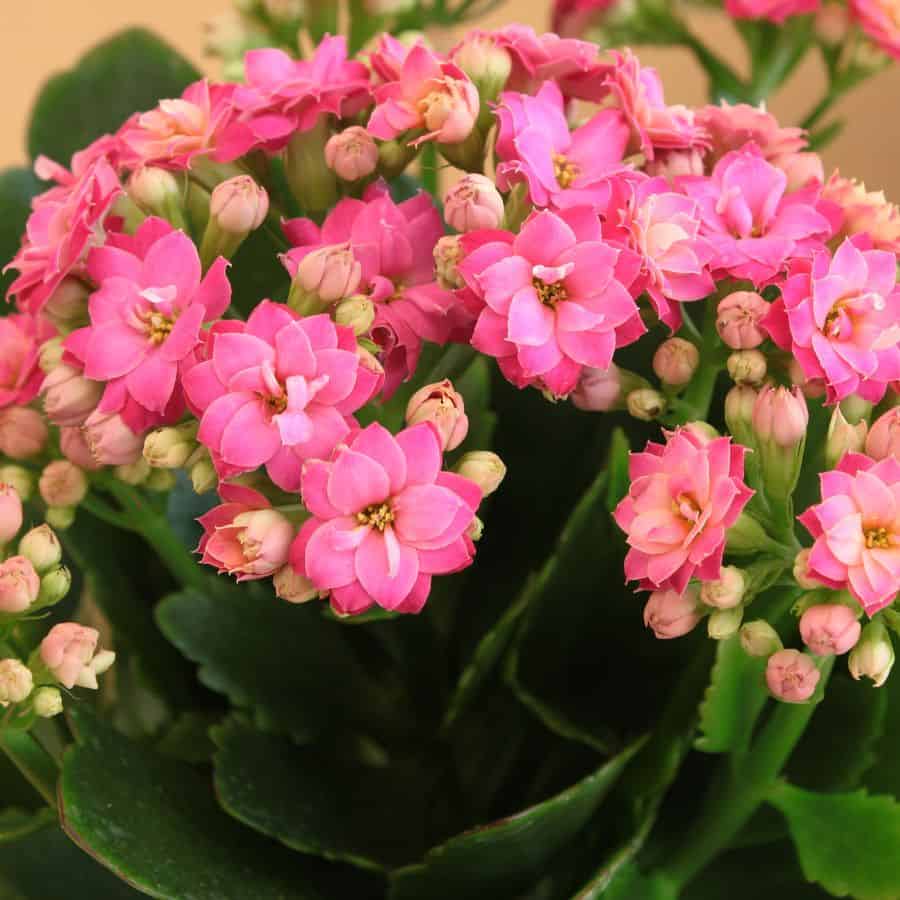
8. Kalanchoe: The Self-Cloning Succulent
Some kalanchoe varieties are so eager to reproduce that they grow baby plants directly on their leaf edges! These “mother of thousands” plants take propagation to a whole new level of spectacle.
Here’s your move: Remove a healthy leaf, let it dry, then place it on barely moist cactus soil. Resist the urge to overwater. These desert-adapted plants flourish with neglect.
The miracle happens when tiny roots and leaves emerge from the base of the mother leaf, creating a perfect miniature of the original plant!
Your Propagation Game Plan: 5 Steps to Plant Multiplication Magic
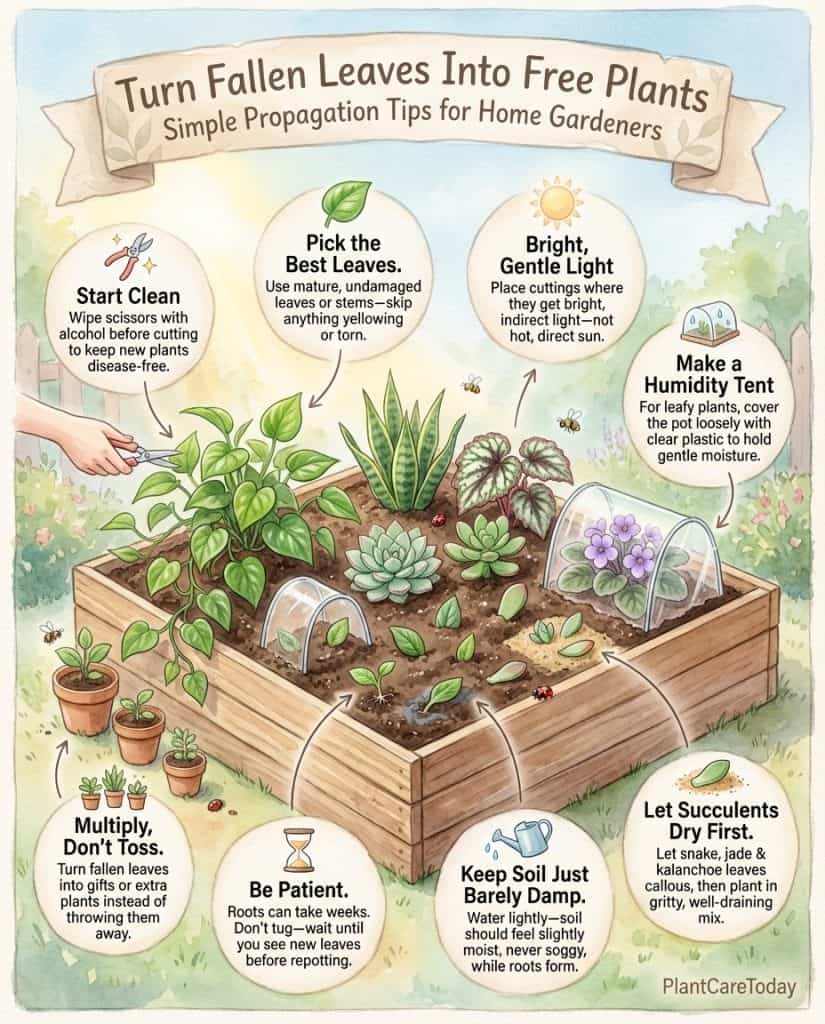
- Start clean: Always use sterilized scissors or knives (alcohol wipe works great) to prevent infections.
- Choose prime specimens: Select healthy, mature leaves without damage or disease.
- Create a humidity haven: Most cuttings love moisture. Cover with clear plastic to create mini-greenhouses.
- Light it right: Bright, indirect light encourages growth without stressing delicate new plants.
- Practice patience: The rooting process takes anywhere from 1 to 8 weeks. Great gardeners understand that green growth happens on nature’s schedule, not ours!
Remember: every discarded leaf represents a missed opportunity to expand your indoor jungle for free.
Next time you’re cleaning up fallen leaves or pruning your plants, look at those cuttings not as waste but as your next generation of green companions!
Your grandmother was right about waste not, want not, especially when it comes to plants. With these propagation techniques, you’ll never need to buy the same houseplant twice again.