Tired of sad, struggling herbs? Forget everything you thought you knew about container gardening.
The secret most plant experts won’t tell you is that herbs are social creatures that actually thrive better together than alone.
Like the perfect dinner party guests, certain herbs just click. enhancing each other’s growth, flavor, and pest resistance when paired correctly.
Why Your Herbs Are Begging for Companions
Did you know that companion planting can increase your herb yield by up to 25%? That’s right. Herb’s friendship is real, and it’s spectacular.
When the right herbs share a pot, they create mini-ecosystems that work like a well-oiled machine.
I was shocked to discover that herbs don’t just tolerate neighbors. They actively help each other in ways that seem almost… intentional. Think of them as the plant equivalent of roommates who actually do their dishes and pay rent on time.
- Space efficiency: Multiple herbs sharing real estate in one container
- Flavor enhancement: Certain pairings actually improve each other’s taste!
- Natural pest control: Strong-scented herbs confuse and repel unwanted insects
- Pollinator magnets: Flowering herbs attract beneficial bugs that improve overall garden health
- Simplified maintenance: Group herbs with similar needs for easier care
Container Herb Gardening 101: The Foundation
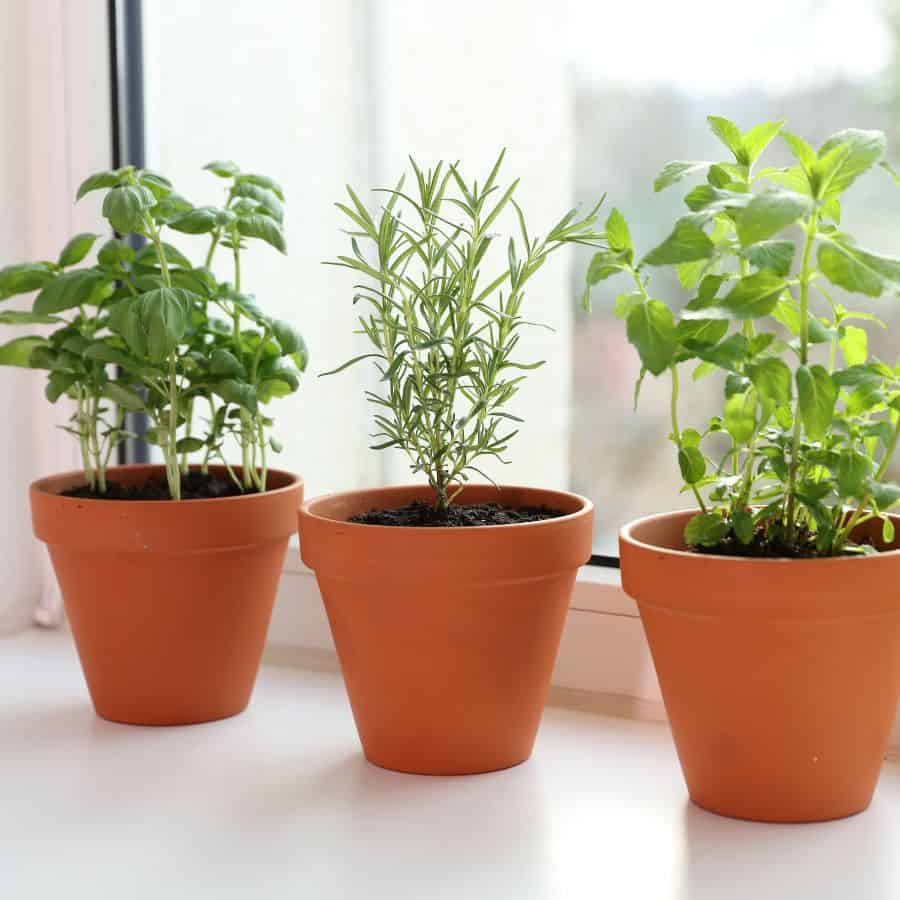
Before you start playing matchmaker with your herbs, let’s set them up for success. Just like any good relationship, herb companions need the right environment to flourish.
The game-changer for your herb containers isn’t what you think. It’s not fancy fertilizers or expensive pots. It’s understanding these basics:
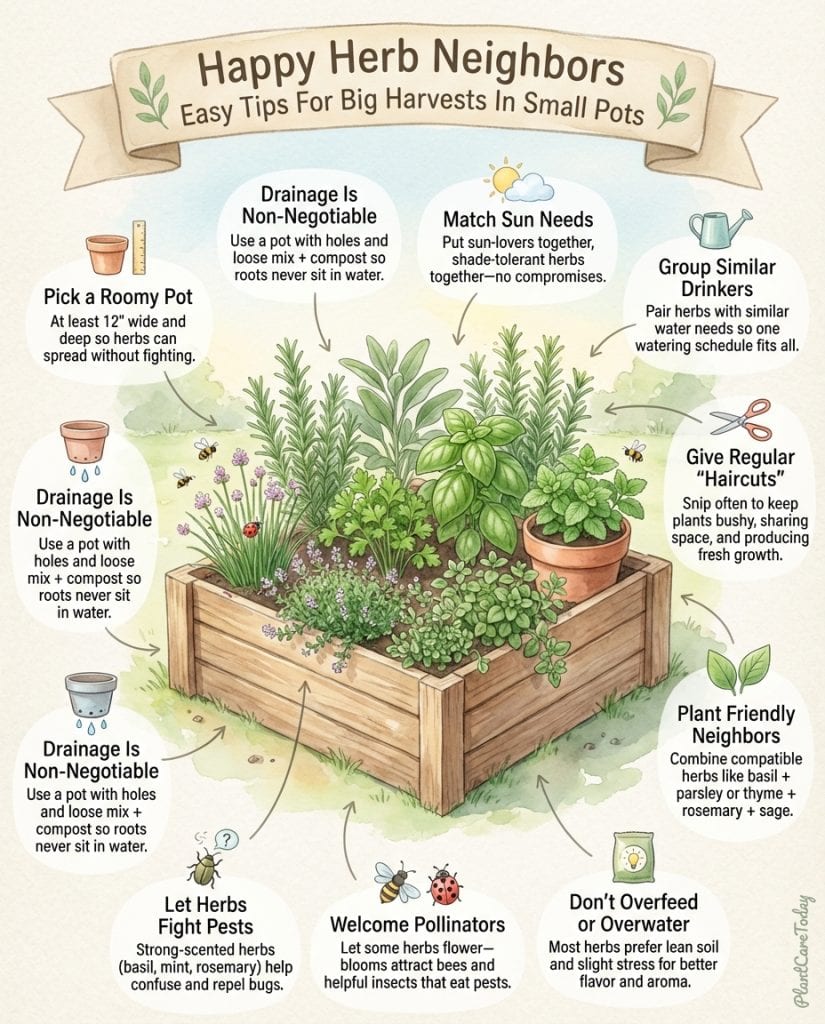
- Size matters: Choose pots at least 12 inches wide and deep. Herbs are deceptively ambitious spreaders
- Drainage is non-negotiable: No exceptions! Waterlogged herbs are doomed herbs
- Soil matters tremendously: Use loose, well-draining potting mix with 20-30% compost
- Light matching is crucial: Sun-lovers must live with sun-lovers, shade plants with shade plants
- Regular haircuts required: Frequent pruning keeps everyone playing nicely together
10 Herb Power Couples (and Trios) That Create Container Magic
Your herbs are trying to tell you something important: “Introduce me to my perfect match!” Here are the most successful herb relationships in the container world:
1. Basil & Parsley: The Balanced Partnership
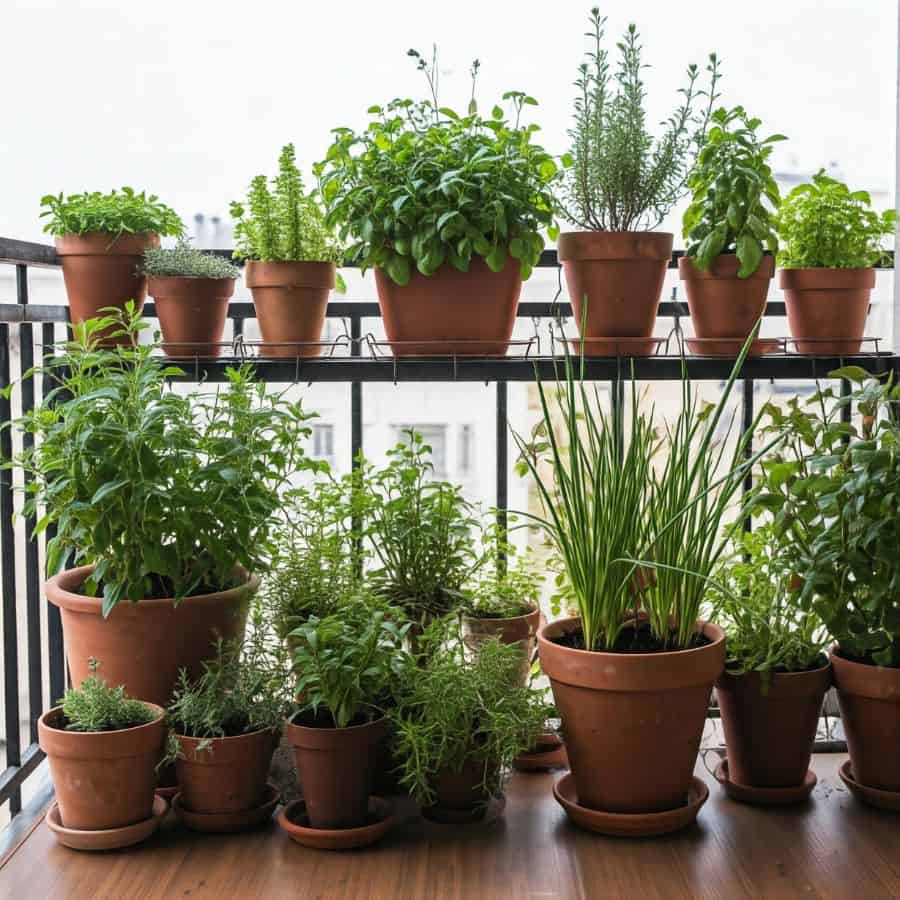
This duo works like yin and yang. Basil’s sun-worshipping height perfectly complements parsley’s cooler, compact nature.
They both crave consistent moisture, making watering a breeze. Basil acts as parsley’s bodyguard, repelling flies and mosquitoes with its intense fragrance.
Think of them as that couple with completely different personalities who somehow make it work beautifully.
2. Thyme, Rosemary & Sage: The Mediterranean Dream Team
This trio is the plant equivalent of a seasoned rock band. Each member plays a different role while creating harmony.
They all crave sun, hate wet feet, and produce oils that naturally repel pests. Rosemary grows tall, thyme spreads low, and sage fills the middle, creating a stunning multi-level display that’s as practical as it is beautiful.
Together, they transform ordinary roasts into restaurant-quality meals.
3. Cilantro & Dill: The Cool Season Companions
Both these herbs bolt quickly in heat but thrive together in cooler weather.
Their similar needs make them perfect roommates, while their deep taproots make them surprisingly drought-resistant once established.
Forget what you’ve heard about cilantro being difficult; paired with dill in a deep pot, it’s remarkably easy to grow. Their delicate flowers attract beneficial insects that eat aphids and other pests.
4. Mint & Lemon Balm: The Contained Chaos
These vigorous spreaders would take over your entire garden if planted in the ground. They’re the party animals of the herb world!
In a container, though, their enthusiasm is perfectly channeled into lush, aromatic growth.
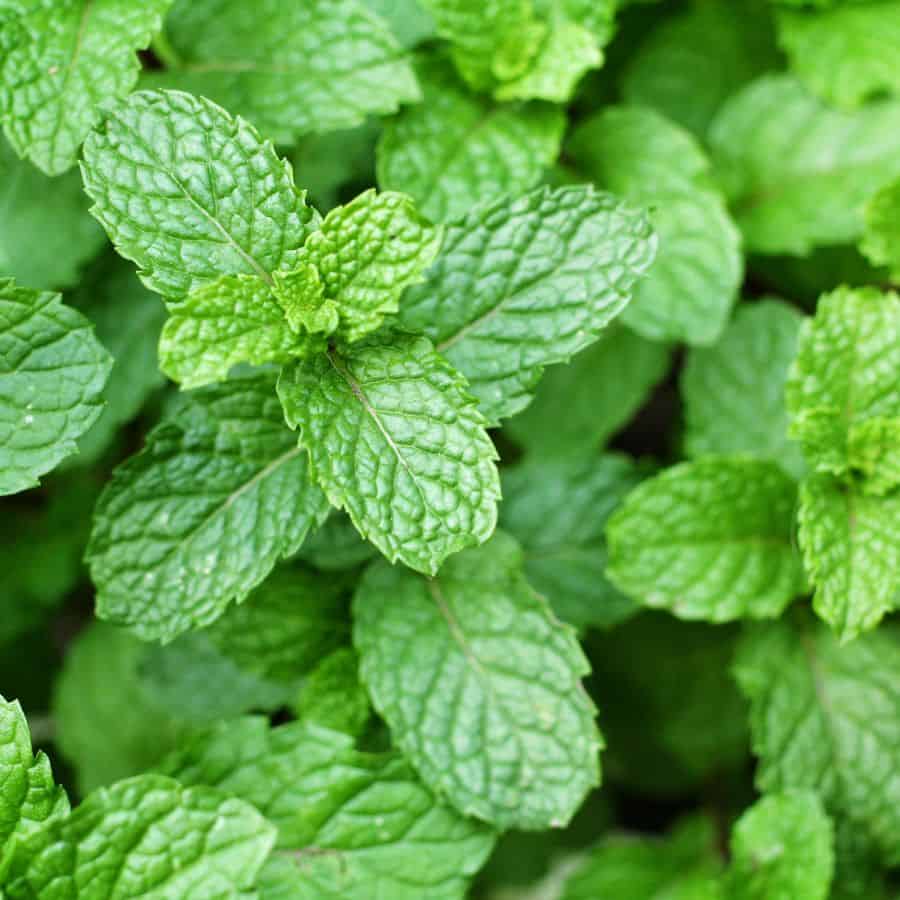
Both produce oils that naturally repel mosquitoes and flies, making their containers effective pest deterrents for your patio. Use a wide pot and harvest regularly to keep them in check.
5. Chives & Garlic Chives: The Allium Alliance
These cousins grow in tidy clumps with complementary flavors. Regular chives offer mild onion notes, while garlic chives deliver, you guessed it, a garlicky punch.
Their stunning purple and white blooms aren’t just beautiful; they’re edible and attract pollinators like crazy.
In one study, containers with flowering chives showed 40% fewer aphid problems on neighboring plants!
6. Oregano & Marjoram: The Look-Alike Cousins
These Mediterranean herbs are so closely related that they’re often confused for one another.
Both thrive in hot, sunny conditions with minimal water. Their sprawling growth habits mesh perfectly, creating a fragrant, cascading display perfect for container edges.
The difference between amateur and pro plant parents is simply knowing that marjoram is milder and more cold-sensitive than oregano, so harvest it first when fall approaches.
7. Tarragon & Chervil: The French Connection
These sophisticated herbs form the backbone of French cuisine and prefer cooler, partially shaded conditions.
Tarragon’s tall, slender stems provide gentle shade for chervil’s delicate, ferny leaves.
Most people make this mistake with their tarragon and chervil: overwatering and overfertilizing. These herbs develop more intense flavor when slightly stressed.
8. Lavender & Lemon Thyme: The Sensory Explosion
This pairing creates a container that’s a feast for all senses. Lavender’s stunning purple spikes rise above lemon thyme’s citrusy, spreading mat.
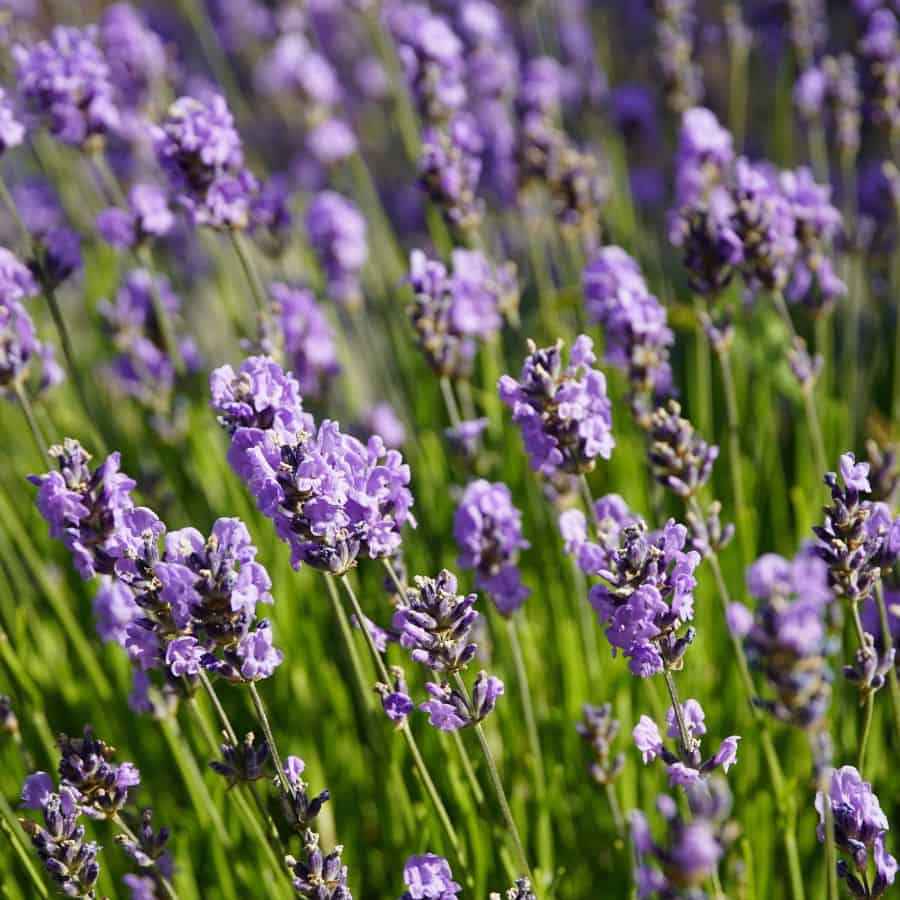
Both attract masses of pollinators while thriving in hot, sunny spots with minimal water. The secret to this dramatic combo is brutal drainage. Add extra perlite or coarse sand to your potting mix for spectacular results.
9. Basil, Oregano & Parsley: The Pizza Garden
This trio transforms any container into an instant Italian restaurant. With similar light and water needs, they’re easy to maintain together.
Plant the spreading oregano near the edges, tall basil in the center for height, and parsley filling in the middle ground.
Regular harvesting keeps them producing fresh leaves all season, just in time for homemade pizza night!
10. Sage, Thyme & Lavender: The Fragrant Powerhouse
This trio not only creates a stunning visual display with contrasting textures and colors but also produces such an intense fragrance that pests literally cannot detect your other plants.
Their drought tolerance makes them perfect for that container you sometimes forget to water. When dried together, these herbs create boutique-worthy potpourri and custom tea blends.
The 5-Minute Maintenance Plan for Thriving Herb Containers
Herb containers are like low-maintenance pets. They need regular attention but not constant fussing. Here’s your simple care routine:
- Morning watering: Always water early so leaves dry completely by evening
- Feed sparingly: Diluted organic liquid fertilizer every 4-6 weeks (herbs get bitter when overfed!)
- Harvest frequently: Regular pruning encourages bushier growth and prevents dominance battles
- Rotate weekly: Give all sides equal sun exposure for balanced growth
- Refresh annually: Repot every 1-2 years with fresh soil to revive nutrients
Companion planting isn’t just garden folklore. It’s backed by science. Studies show that aromatic herbs can reduce pest problems by up to 60% when grown together, while increasing essential oil content.
Your container herb garden isn’t just beautiful and practical. It’s a mini ecosystem working in perfect harmony.
So what are you waiting for? Grab a pot, some quality soil, and start introducing your herbs to their perfect companions. Your taste buds, garden, and Instagram feed will thank you.