Growing Grape Ivy: How To Care For Cissus Rhombifolia

Growing Cissus Rhombifolia

Grape Ivy, formerly known as Cissus rhombifolia, is a member of the grape family but with a shape similar to other ivy ornamental plants. The species is now called Cissus Alata (SIS-us a-LAY-tuh). “Cissus” from the Greek word “kissos,” means “ivy,” and “alata” means “winged” in Latin. Each core leaflet is surrounded by smaller leaflets … Read more

Growing Coin-leaf Peperomia: How To Care For Peperomia Polybotrya

Growing Peperomia Polybotrya

Peperomia polybotrya [pep-er-ROH-mee-uh pol-ly-BOT-ree-uh] is a herbaceous, compact evergreen in the peperomia genus. The peperomia genus has over 1,000 species, with the peperomia polybotrya just one of them. Peperomia means “resembling pepper,” and polybotrya means “many,” which is fitting since the family is Piperaceae, the pepper family. Native to the tropical regions of South America, … Read more

Growing White Velvet: How To Care For Tradescantia Sillamontana

Growing Tradescantia Sillamontana

Tradescantia sillamontana (trad-es-KAN-tee-uh see-yuh-MON-tah-nuh) is a species of the genus Tradescantia. This species is one of the most beautiful and succulent of the entire genus. This species used to be called Tradescantia pexata, so some gardeners use the names interchangeably. In the Commelinaceae family, the tradescantia sillamontana is native to Mexico, specifically the drier regions. … Read more

Growing String Of Pearls: How To Care For Senecio Rowleyanus

Growing Senecio Rowleyanus

Senecio rowleyanus (ro-lee-AH-nus), often called String-of-pearls, is a spreading, perennial, succulent vine endemic to southwest Africa’s arid regions. String-of-pearls is a member of the Asteraceae family, consisting of daisies. Senecio rowleyanus is also synonymous with Curio rowleyanus. In its native habitat, the plant grows vine-like, creeping and crawling along the ground and forming roots wherever … Read more

Growing Blue Echeveria: How To Care For Echeveria Elegans
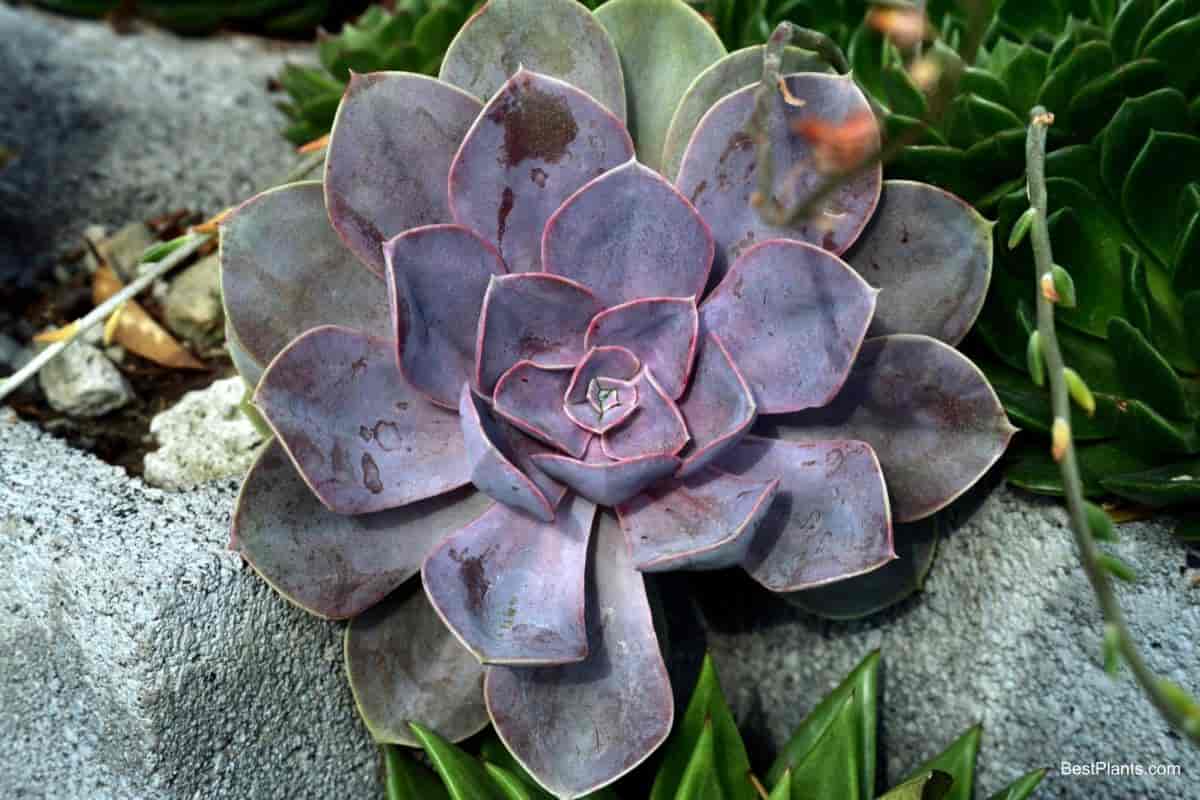
Growing Echeveria Elegans

Maybe you’ve seen these plants at your local garden center and been intrigued by their colorful rosettes. Echeveria Elegans are beautiful succulents that can add a pop of color to any garden. Echeveria Elegans is a succulent that belongs to the family Crassulaceae. It is native to Mexico and can be found in the wild … Read more
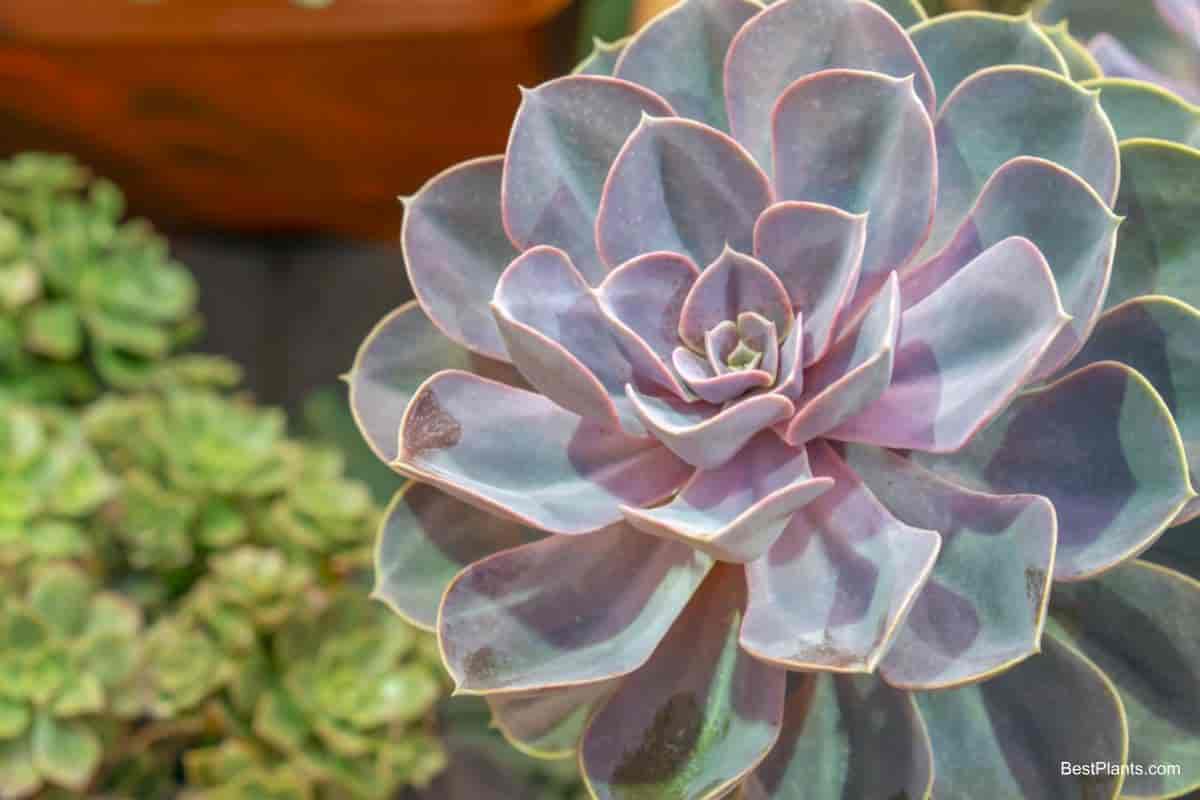
Growing Succulent Echeveria: How To Care For Echeveria

Growing Echeveria Succulent

You’ve likely seen echeveria (ECH-i-VEER-ee-uh) plants in succulent gardens, terrariums, and floral arrangements.  Native to Mexico, Central America, and South America, echeverias are among the more popular succulents. Echeverias are in the Crassulaceae family. They are unique because of their smooth, plump leaves in a beautiful rosette shape. Their popularity is partly due to their … Read more

Growing Succulent Burro’s Tail: How To Care For Sedum Morganianum

Growing Donkey's tail

Sedum (SEE-dum) morganianum (mor-gan-ee-AY-num) is an easy-to-maintain succulent houseplant. It is a member of the Crassulaceae family. It is also known as the following common names: Donkey’s tail Burro’s tail It has waxy green leaves and colorful pink or red flowers. While it is strictly an indoor houseplant in almost all of the United States … Read more

Growing Succulent Jade Plants: How To Care For Crassula Argentea

Growing Crassula Argentea

If you have ever seen a jade stone, then you have seen Crassula Argentea. This beautiful succulent is native to South Africa and Mozambique. It is a member of the stonecrop or the Crassulaceae family and is related to Sedum and Sempervivum. The leaves of Crassula Argentea are thick and fleshy, with a jade green … Read more

Growing Guzmanias: How To Care For Colorful Guzmania Plants

Growing Guzmania Bromeliad

If you’re looking for an interesting plant to care for, you might want to consider getting a guzmania. Guzmania, of which there are many varieties is a plant that belongs to the bromeliad family. It’s an evergreen perennial native to countries like Costa Rica, Panama, Colombia, Venezuela, Ecuador, Peru, and Bolivia. The plant gets its … Read more