Your hydrangeas are desperate for a meal, and you’re tossing their perfect menu in the trash. That’s right.
While you sip your morning coffee and crack eggs for breakfast, you’re literally throwing away the secret ingredients to the most spectacular blooms on the block.
(And your wallet will thank you for rescuing these scraps from landfill destiny!)
Your hydrangeas need food, and you’re probably throwing away exactly what they need. While you drink your morning coffee and make breakfast, you’re tossing out ingredients that could give you the best blooms on your block.
Plus, you’ll save money by keeping these scraps out of the trash.
Why Your Hydrangeas Are Secretly Starving
Those big, beautiful blooms don’t just happen on their own. They need consistent nutrition to look their best. Without it, you’ll start to notice the signs pretty quickly.
Here’s the thing about store-bought fertilizers: they often contain up to 70% filler material. You’re paying for a lot of fluff you don’t actually need.
When hydrangeas aren’t getting proper nutrition, they’ll show you:
• Yellow leaves (like nutritional anemia for plants)
• Slow, stunted growth
• Flower drop (they’ll shed blooms to conserve energy)
• Spotted leaves that indicate stress
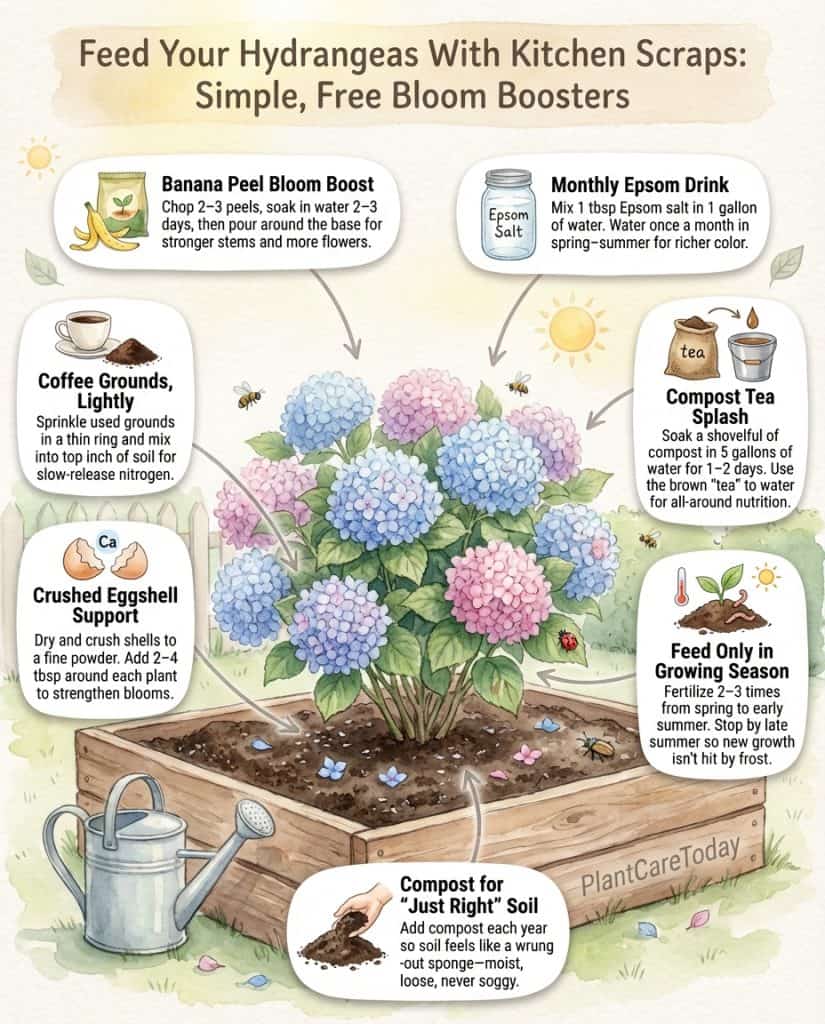
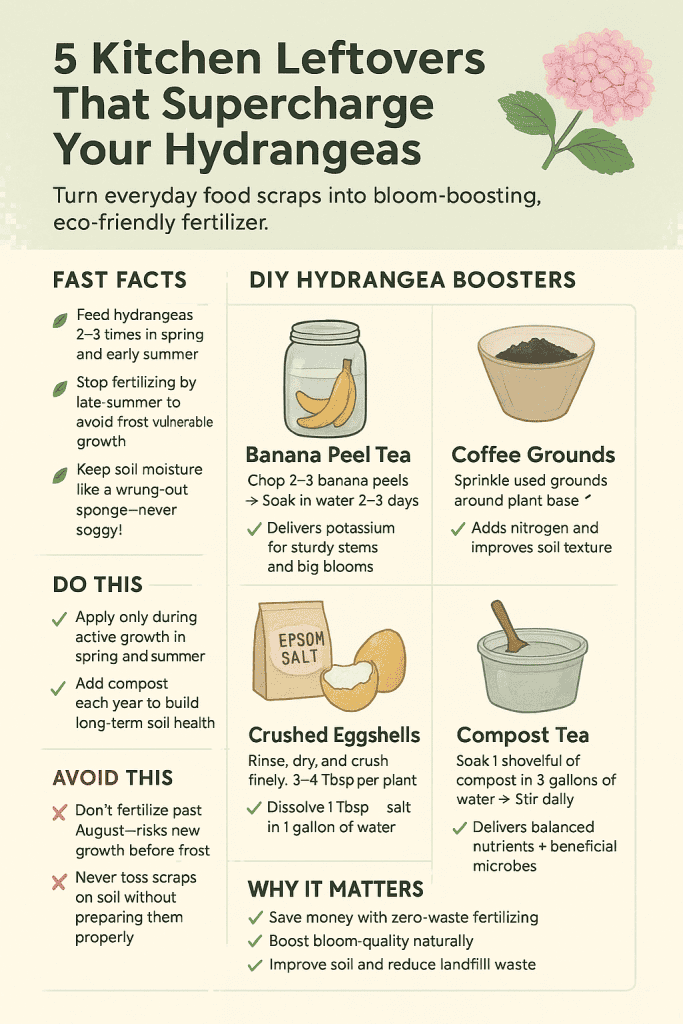
The best time to feed them is 2 to 3 times during spring and early summer, when they’re actively growing. Stop feeding by late summer, though. You don’t want to encourage new growth right before frost hits.
5 Free Fertilizers Hiding in Your Kitchen Right Now
Your kitchen scraps can do just as much for your hydrangeas as expensive fertilizers. Here’s what actually works.
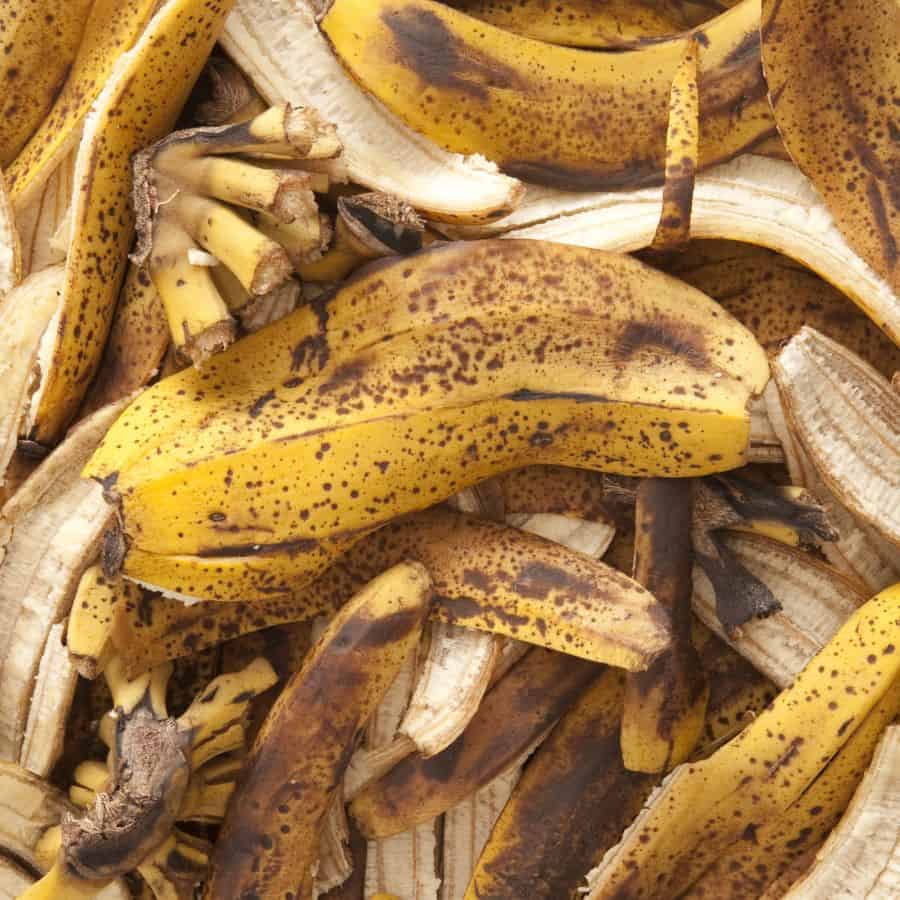
1. Banana Peel Brew: Potassium Powerhouse
Banana peels are packed with potassium, which strengthens stems and helps produce more flowers.
The recipe: Chop 2-3 banana peels and steep them in water for 2-3 days until the water turns light brown. For a stronger mix, dry the peels completely and blend them into powder before soaking.
A single banana peel contains up to 42% potassium, making it one of the best natural sources of this nutrient.
2. Coffee Grounds: The Morning Boost Plants Crave
Used coffee grounds deliver nitrogen in a slow-release form that works well for hydrangeas. Your morning routine becomes their growth boost.
Two ways to use: Sprinkle grounds directly around the base of plants and work them lightly into the topsoil. Or add them to your compost pile. Both methods improve soil structure while providing nitrogen.
Think of coffee grounds as a steady drip of nutrients rather than a quick hit.
3. Eggshell Powder: Calcium That Builds Bloom Strength
Eggshells improve soil structure and bloom quality, but most people just toss them.
How to prepare: Rinse, dry, and crush shells into a fine powder. The finer you grind them, the faster your plants can absorb the calcium. Sprinkle 2-4 tablespoons around each mature plant, then gently work it into the soil.
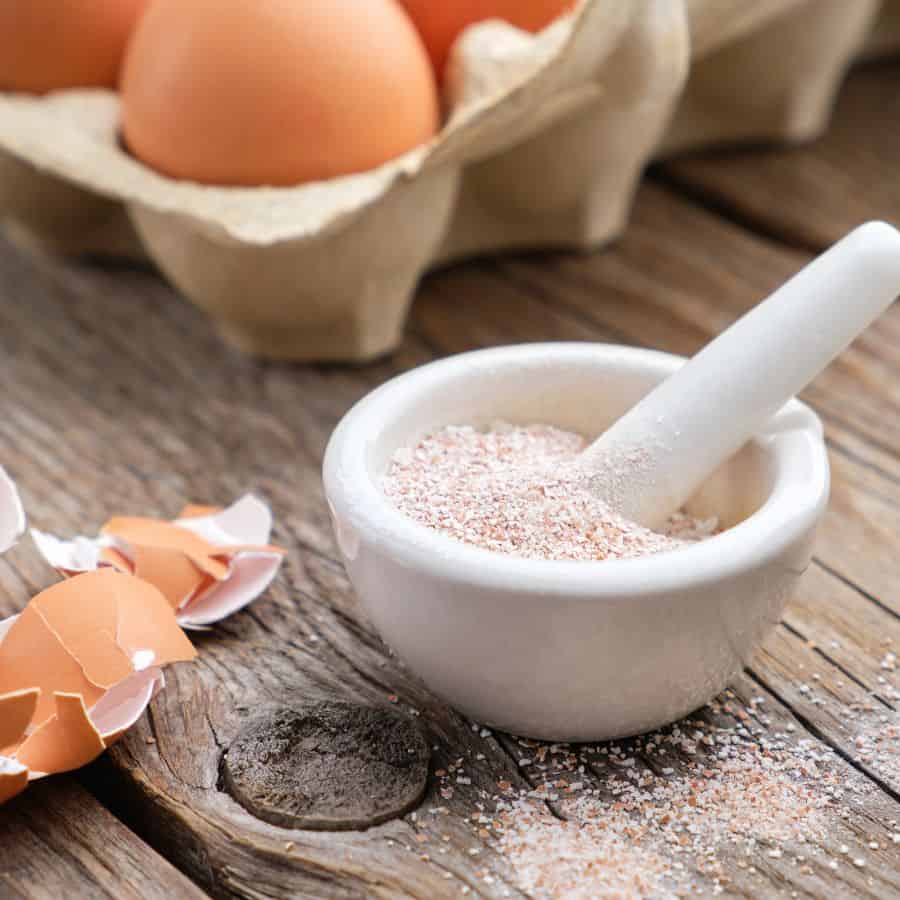
Calcium strengthens cell walls the same way it builds strong bones. Your blooms will hold up better, even after heavy rain.
4. Epsom Salt Solution: The Magnesium Magic
The real trick, as experienced gardeners know, is knowing when to use magnesium. This nutrient is essential for chlorophyll production, which keeps your hydrangeas green and healthy.
The formula: Dissolve 1 tablespoon of Epsom salt in one gallon of water. Apply this solution monthly during the growing season for better color.
Magnesium works behind the scenes, but without it, your plants struggle to perform basic functions.
5. Compost Tea: Liquid Gold for Luxurious Growth
Commercial fertilizers can’t match the benefits of homemade compost tea. This living brew delivers balanced nutrition plus beneficial microorganisms that help create healthy soil.
Brewing instructions: Put a shovelful of mature compost in a breathable bag (an old pillowcase works). Soak it in 5 gallons of water for 1-2 days, stirring occasionally. The brown liquid you get is rich in nutrients and beneficial bacteria.
The Goldilocks Method: Creating Bloom-Perfect Soil
What matters most is balance. Hydrangeas don’t like extremes in their soil conditions.
The ideal soil should feel like a wrung-out sponge: moist but never soggy, loose but not unstable.
Adding compost annually is one of the best things you can do for serious hydrangea care. It creates the soil structure these plants need to thrive.
When you recycle your kitchen scraps into these five fertilizers, you’ll get a garden display that has neighbors asking what products you use. They won’t know your blooms come from items they throw away every day.
Your hydrangeas don’t need expensive store-bought solutions. They just need you to stop throwing away their perfect food. Save those banana peels from the trash and see what happens.