
Imagine picking fresh fruit from your own tree… while standing in your apartment. It might sound impossible, but it’s not.
You can grow a nice little orchard even if you don’t have much space. These 7 potted fruit trees can actually thrive indoors or on a small balcony.
Why Growing Fruit Trees in Pots Makes Sense
Growing fruit trees in containers works really well for people in apartments or homes with small yards.
A single dwarf citrus tree can produce up to 30 pounds of fruit a year in just a 15-gallon container. That’s a lot of fruit from something that fits on a patio.
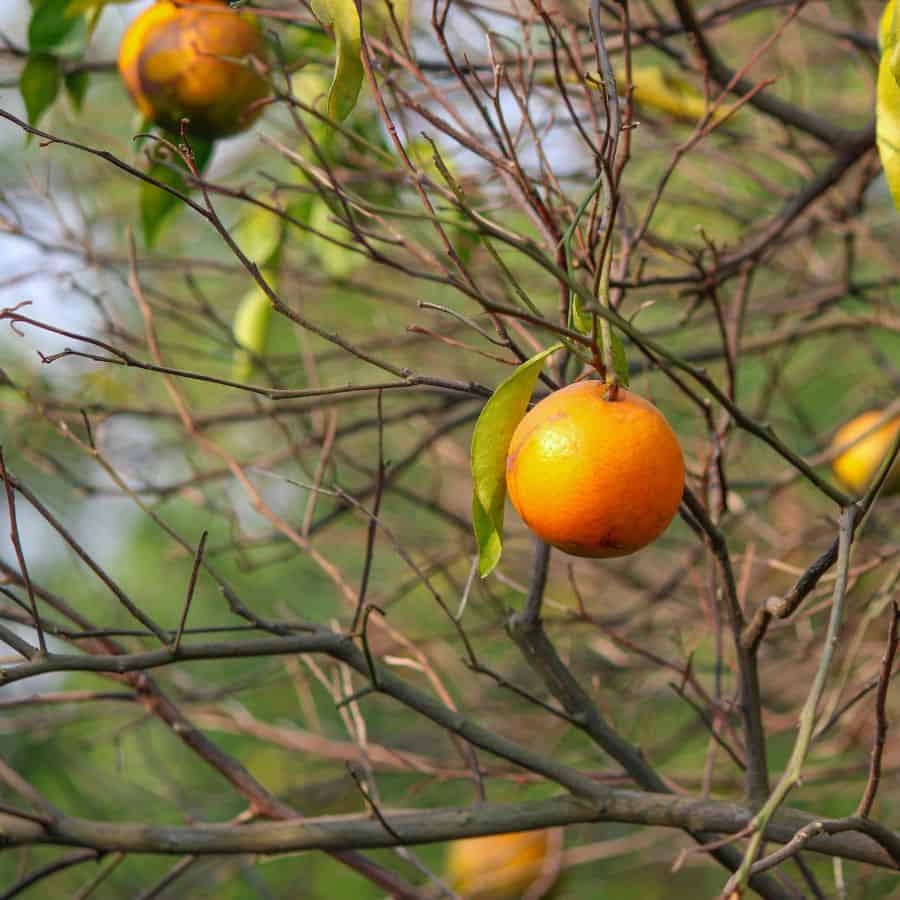
Here are some practical benefits:
• Free fruit right by your kitchen
• You control the size through pruning and pot selection
• More variety in less space
• Move trees around to get the best light or temperature
I was surprised to learn that my small balcony could actually support a wider variety than my friend’s large garden, because I could move my potted trees around to give them what they needed.
7 Fruit Trees That Grow Well in Pots
1. Pomegranate: The Sun-Loving Superfood Factory
Pomegranates love sunshine and do really well in containers. They produce fruits packed with antioxidants that taste better than what you’ll find at the store.
The real trick: Put them in your sunniest spot and use well-draining soil. These Mediterranean plants hate sitting in water.
2. Surinam Cherry: The Vitamin C Powerhouse
These bright red fruits look like tiny pumpkins and have a tropical flavor. They actually contain more vitamin C than oranges.
The real trick: Keep it warm, moist, and in plenty of sunshine. It needs tropical conditions—warmth and humidity.
3. Dwarf Peach: The Container-Loving Stone Fruit
You really can grow peaches in pots. These compact varieties do great in containers:
• Bonanza
• Pix Zee
• Honey Babe
The real trick: These trees need cold temperatures in winter to produce fruit. A lot of people keep them too warm year-round.
Give them a cool period (32-45°F) in your garage or basement for 6-8 weeks, and they’ll bloom in spring and give you peaches in summer.
4. Meyer Lemon: The Low-Maintenance Citrus Star
Meyer lemons are adaptable and forgiving. Their juice is sweeter and less acidic than regular lemons.

The real trick: These citrus trees love sunshine but can handle some neglect. They’re a good first fruit tree if you sometimes forget to water your plants.
5. Dwarf Apple: The Patient Producer
Dwarf apple trees start slow but produce well over time. They adapt to whatever container space you give them.
The real trick: Sunlight matters a lot here. A minimum of 6 hours daily makes a big difference. The good news is that many dwarf varieties are self-pollinating, so you only need one tree to get fruit.
6. Calamondin Orange: The Indoor Citrus Champion
These small citrus trees produce tangy fruits that taste like a cross between a mandarin and a kumquat. They also look nice year-round with their bright little oranges.
The real trick: Yellow leaves usually mean you’re watering too much or too little. Keep the soil consistently moist (not soggy) and give it 6-8 hours of bright light daily. It does best in temperatures between 65-85°F.
7. Fig Tree: The Prune-and-Prosper Producer
Fig trees need a bit more attention, but they’re worth it. Their dramatic leaves and sweet fruits bring a Mediterranean feel to any space.
The real trick: You need to prune them annually. Pruning keeps the tree manageable and actually helps it produce more fruit. The difference between new and experienced gardeners often comes down to being willing to make those cuts.
Pot-to-Plate Success: Your Container Orchard Basics
Here’s what will help your trees do well:
• Size matters: Start with a pot at least 12-15 inches deep and wide
• Drainage is key: Make sure water can drain out (add rocks at the bottom)
• Good soil: Use quality potting mix with added organic matter
• Consistent watering: Water when the top inch of soil feels dry
• Regular feeding: Container plants need fertilizer since they can’t search for nutrients
Troubleshoot Like a Pro: Container Fruit Tree Problems
Is your fruit tree struggling? Here’s what to check:
• Yellow leaves: Usually means overwatering or poor drainage
• Leaf drop: Often from sudden temperature changes or drafts
• No fruit: Could need more sun, pollination help, or winter chill (depending on variety)
• Pests: Wipe leaves with mild soapy water or neem oil

Remember that container fruit trees depend completely on you for their needs. A quick daily check can catch problems early.
From Dream to Reality: Your First Potted Orchard
Harvesting your own Meyer lemons in December or picking fresh figs in summer doesn’t require a lot of land, just a sunny window and some care. Start with one tree that fits your light conditions, then add more as you get comfortable.
Your small-space orchard isn’t just about the fruit. It connects you with nature’s cycles and brings life into your home. And honestly, there’s nothing that impresses dinner guests more than picking dessert straight from your living room tree.
Ready to give it a try? Pick your first tree, grab a pot, and see what happens.