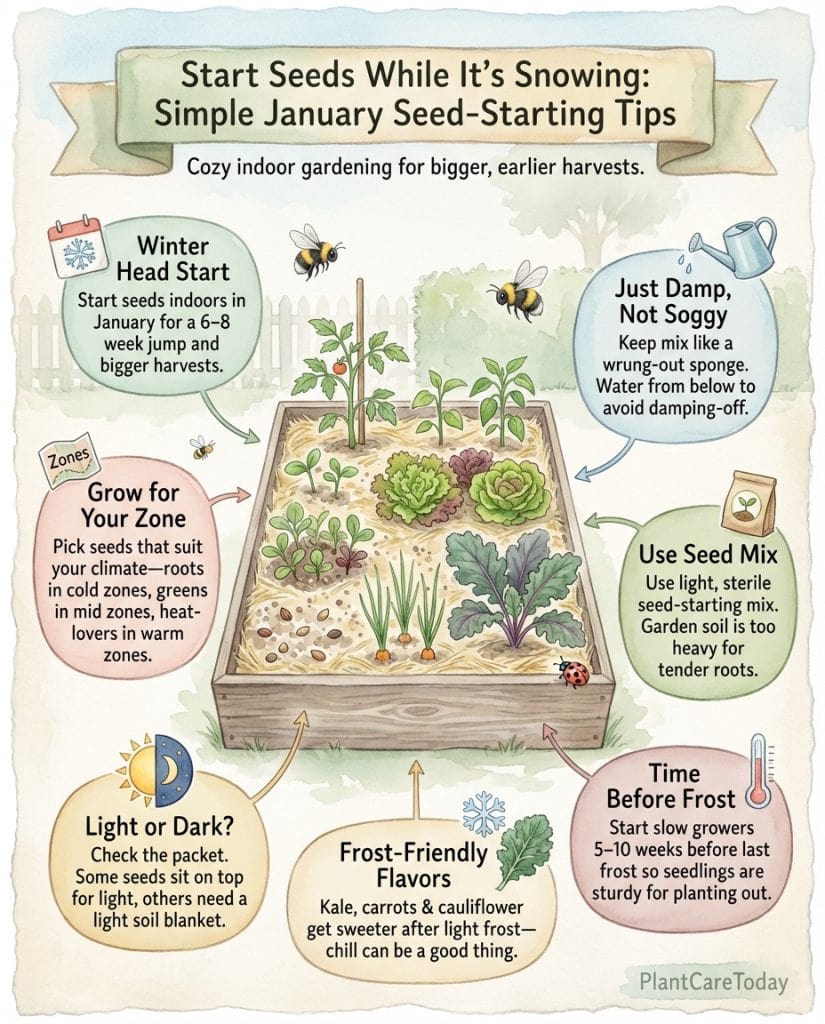
While winter settles in outside your window, something interesting is happening on windowsills across the country. You don’t need to wait for spring.
The best summer harvests often begin in January, with seeds started indoors even if you’re surrounded by snow.
Why Start Seeds Indoors in January
Here’s what makes a real difference: starting seeds indoors in January gives you a 6-8 week head start on your growing season. This simple step can extend your harvest times and increase what you get from your garden.
According to Cornell University research, plants started indoors can yield up to 40% more than direct-sown varieties in many regions.
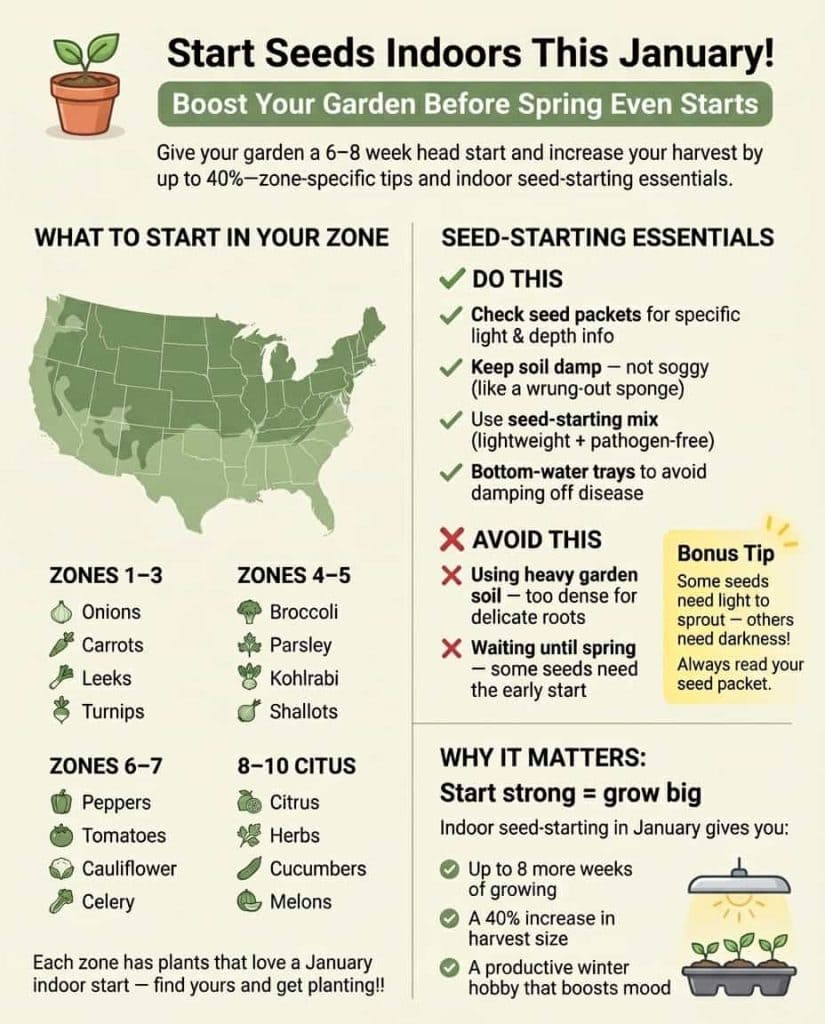
Zone 1-3: Hardy Plants for Cold Climates
Living in a cold climate doesn’t mean you can’t start growing now. These plants do well when started indoors in January:
• Onions: Start these now instead of waiting for onion sets. They’re slow to mature but worth the wait.
• Turnips: These root vegetables are cold-tolerant and ready to transplant outdoors by March or April.
• Leeks: Start now for longer, more developed stalks that add depth to fall and winter dishes.
• Carrots: Start them mid-to-late January. They actually get sweeter after exposure to frost.
Zone 4-5: Cool-Season Crops for Early Harvests
These zones are perfect for getting a jumpstart on leafy greens that do best before summer heat arrives:
• Spinach: January indoor starting means harvesting weeks before direct-sown plants are ready.
• Lettuce: Start seeds in late January for tender, non-bitter leaves before summer heat strikes.
• Kale: This becomes sweeter after frost exposure. Start indoors now for plants that will produce for months.
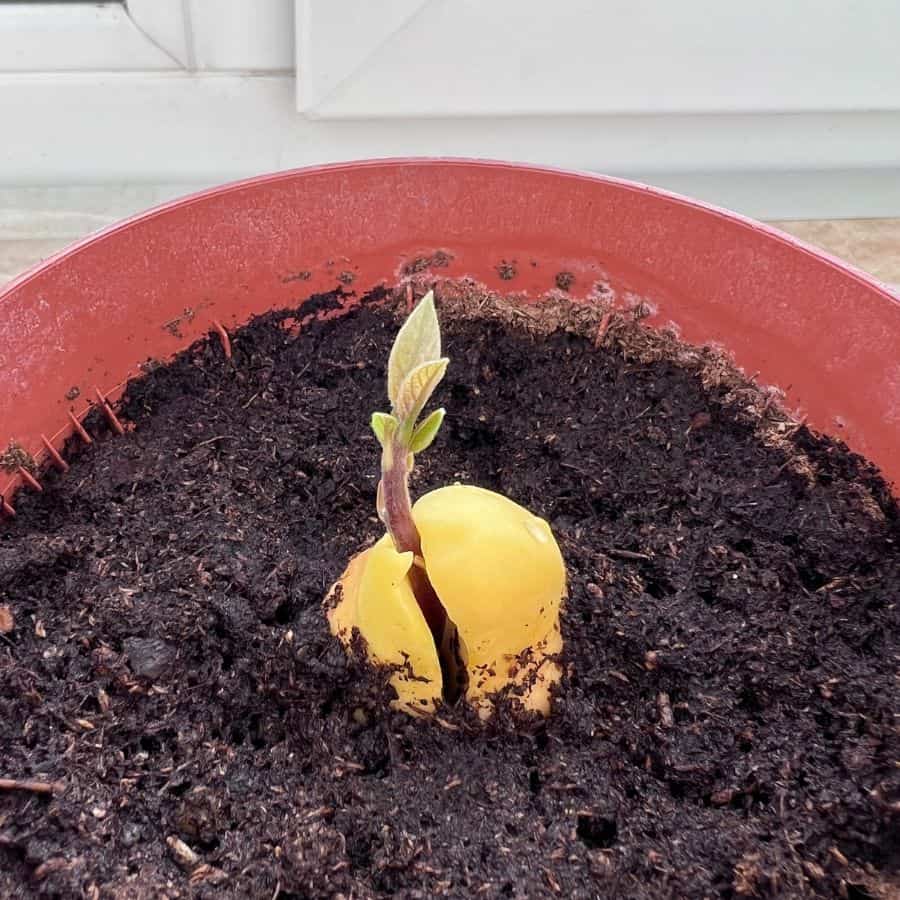
Zone 6-7: The Transition Zone
These zones let you grow both cool- and warm-season crops. Starting these plants in January can lead to harvests up to a month earlier:
• Peppers: These heat-lovers need a 5-8 week indoor headstart before the last frost.
• Tomatoes: Start indoors now, and they’ll be ready to transplant when soil temperatures consistently hit 60°F.
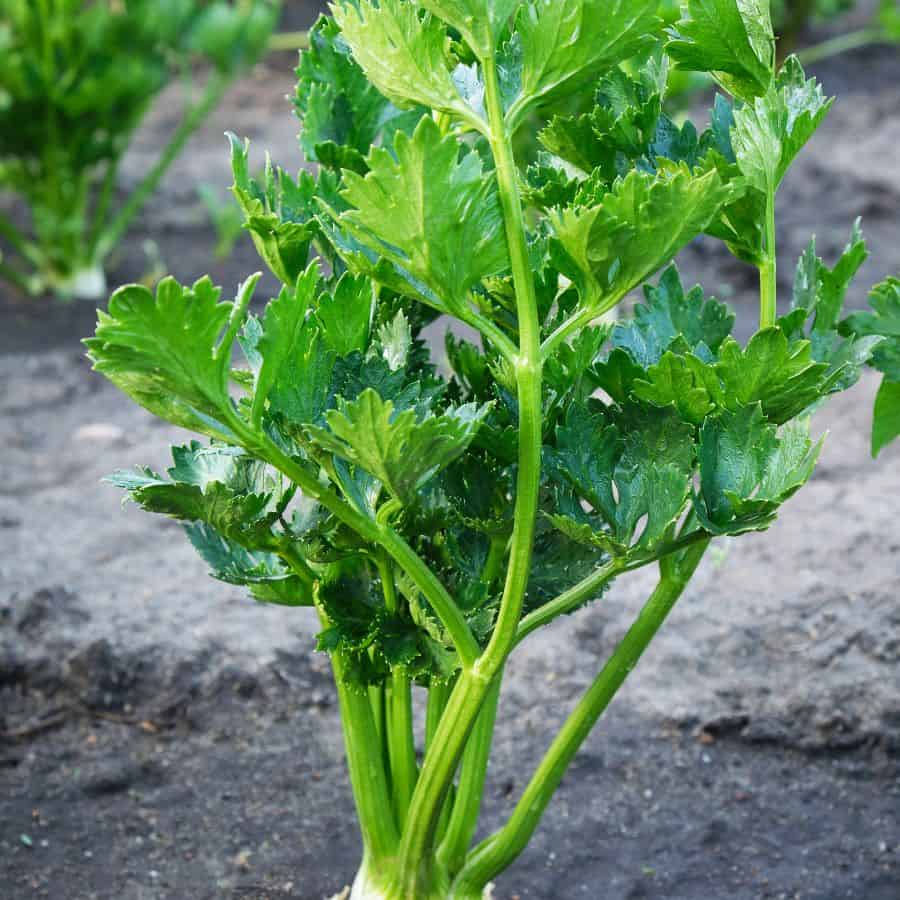
• Celery: This slow grower needs 6-10 weeks indoors before the last frost. Start in January for better results.
• Cauliflower: Another cool-temperature plant that develops more complex flavor after light frost exposure.
Zone 8-9: Extended Season Specialties
Your milder winters are ideal for seedlings. Take advantage of your extended growing season with these January starters:
• Squash: Start late January indoors for early harvests. The real trick is to start them now rather than wait for spring.
• Parsley: Start in early January. It’s slow to germinate but ready to harvest in just 4-6 weeks.
• Mint: This herb actually prefers starting in cooler weather. Your zone’s mild winter works perfectly.
Zone 10: Warm Climate Options
Your winter stays warm while northern zones freeze. You can start these plants now:
• Rosemary: Begin indoors for stronger root development before moving to their permanent home.
• Thyme: For healthy, compact growth, give these seeds plenty of light from day one. January starting means spring harvests.
• Grapefruit: This citrus can be started from seed in late January. It takes patience, but you can grow your own citrus.
3 Seed-Starting Basics That Make a Difference
The difference between new and experienced gardeners often comes down to these fundamentals:
1. Light Requirements
Some seeds need darkness to germinate, others require light. Your seed packet will tell you which. For light-lovers, press seeds gently into the soil without covering. Seeds that need darkness should be buried at the depth specified.
2. Watering
Most struggling seedlings are overwatered, not underwatered. Water thoroughly but sparingly. The soil should feel like a wrung-out sponge, damp but not soggy. Bottom watering (placing trays in shallow water) helps prevent damping off disease.
3. Soil Mix
Seedlings need loose, light soil. Use a seed-starting mix for best results. Garden soil is too heavy and may contain pathogens that harm young plants.
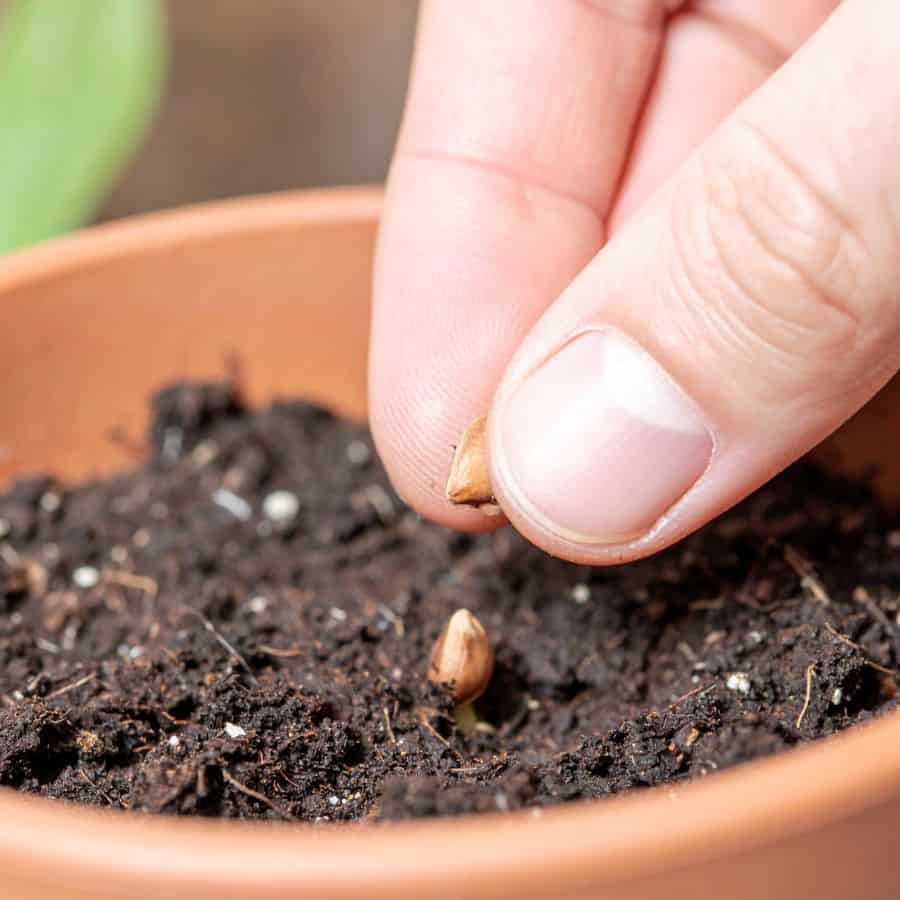
Your January seed-starting isn’t just about growing plants. It’s about taking control of your growing season and experiencing the satisfaction of nurturing life while winter happens outside.
Those tiny seeds contain everything needed to become food for your table. They just need the right conditions.
While others wait for spring, you can watch seeds germinate on your windowsill. One small seed at a time.