What Is The Bottlebrush Buckeye (Aesculus Parviflora)?
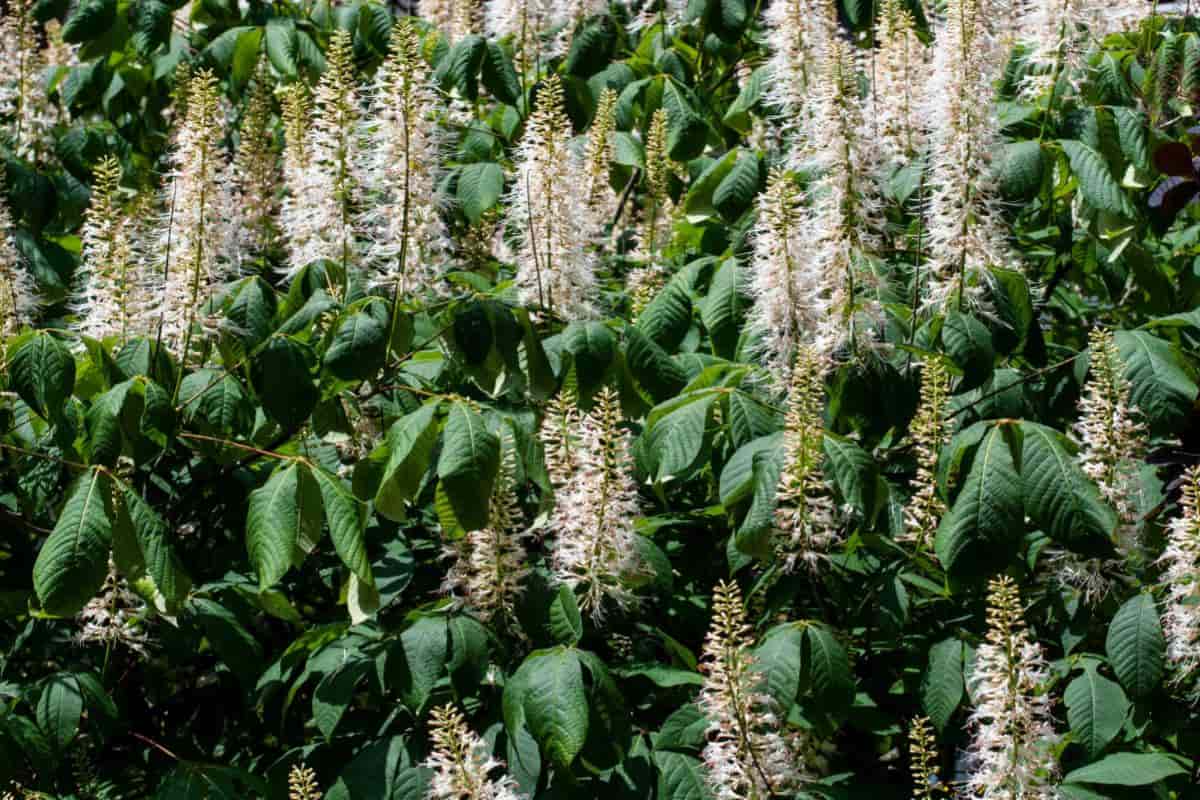
Whoever named the bottlebrush buckeye hit the nail squarely on the head, for the plant’s showy flower clusters look like the tapering brushes used for washing bottles. Aesculus parviflora has
Whoever named the bottlebrush buckeye hit the nail squarely on the head, for the plant’s showy flower clusters look like the tapering brushes used for washing bottles. Aesculus parviflora has
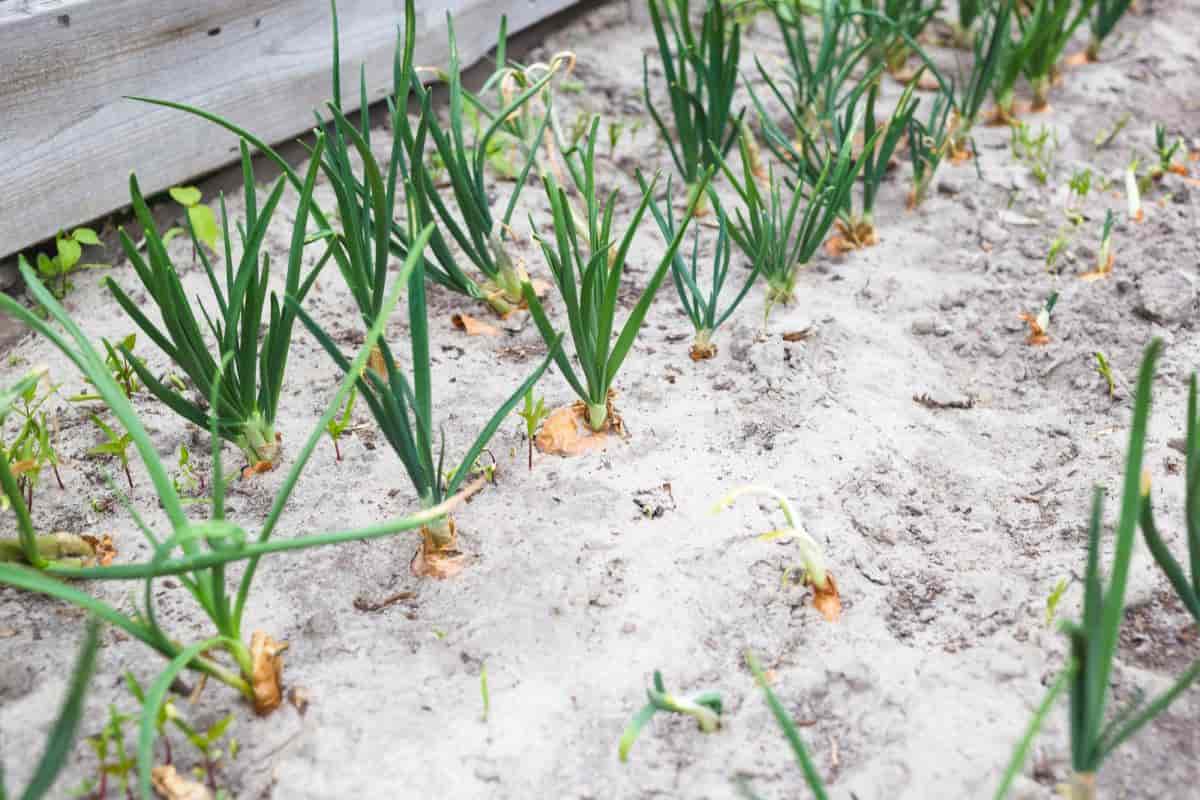
Sandy soil certainly has its advantages. You can start spring planting earlier than most people, for the soil becomes workable much sooner. And even during a wet spring, the water
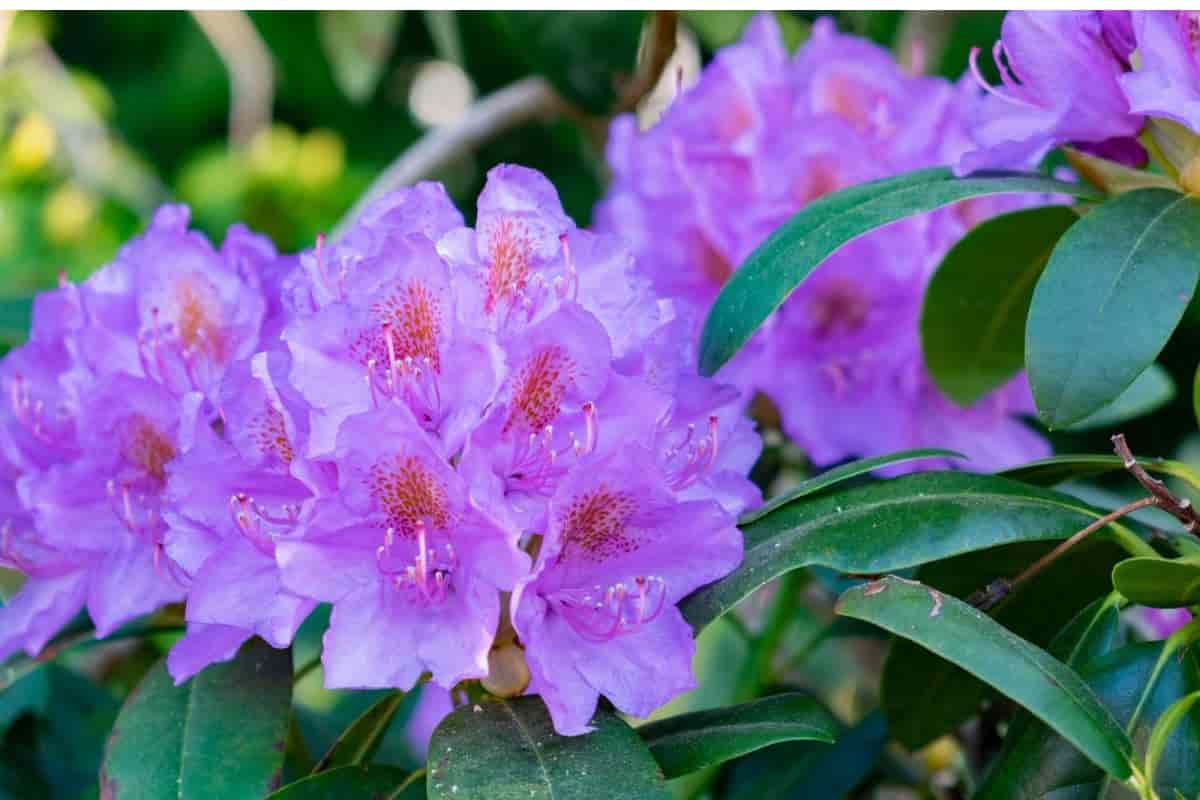
There are only broadleaf evergreens that I would want to recommend with qualifications for the North. The varieties listed have been grown successfully by a small number of gardeners with
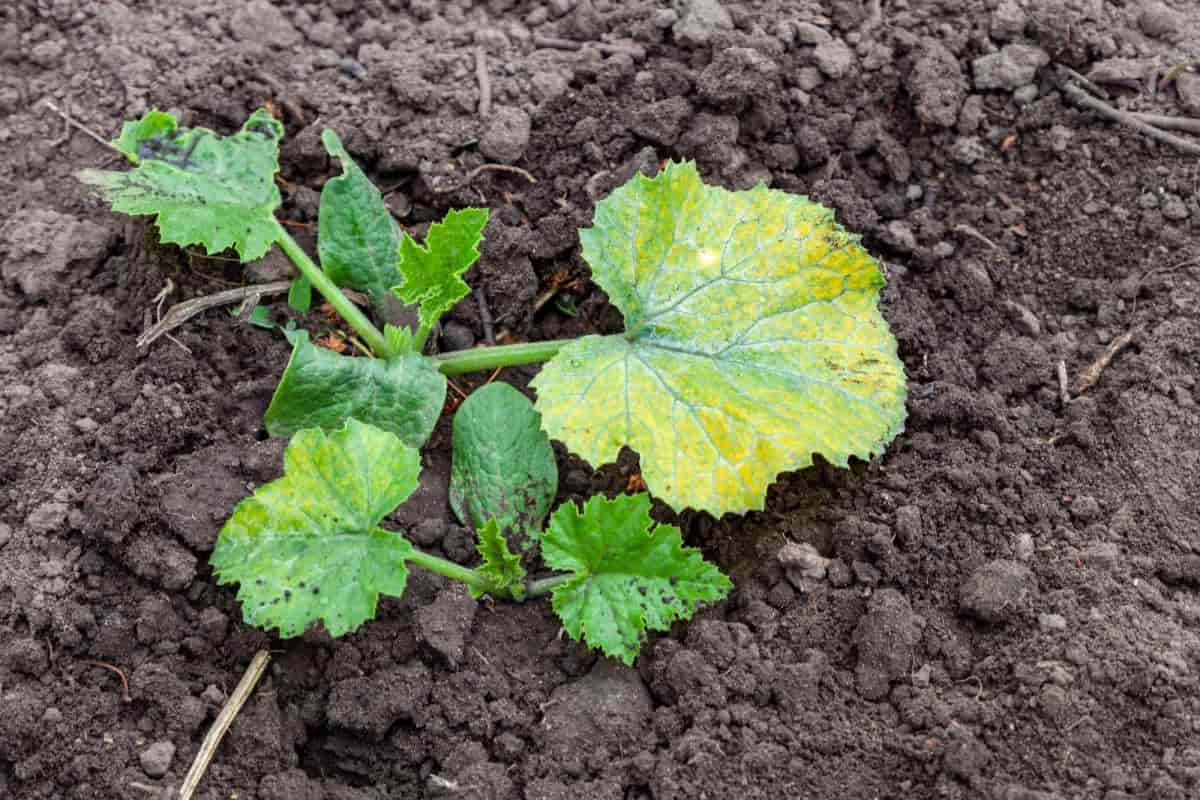
Someone recently lamented: “I’m tired of ‘tired blood,’” referring, of course, to the well-known commercial directed at anemic humans. I’ll go one step further: “I’m tired of plants suffering from
Economic laws apply in the plant world. Unless you demand unusual varieties, growers will not supply them. So why let these charmers disappear? Profitless Plants To Growers Unless gardeners ask
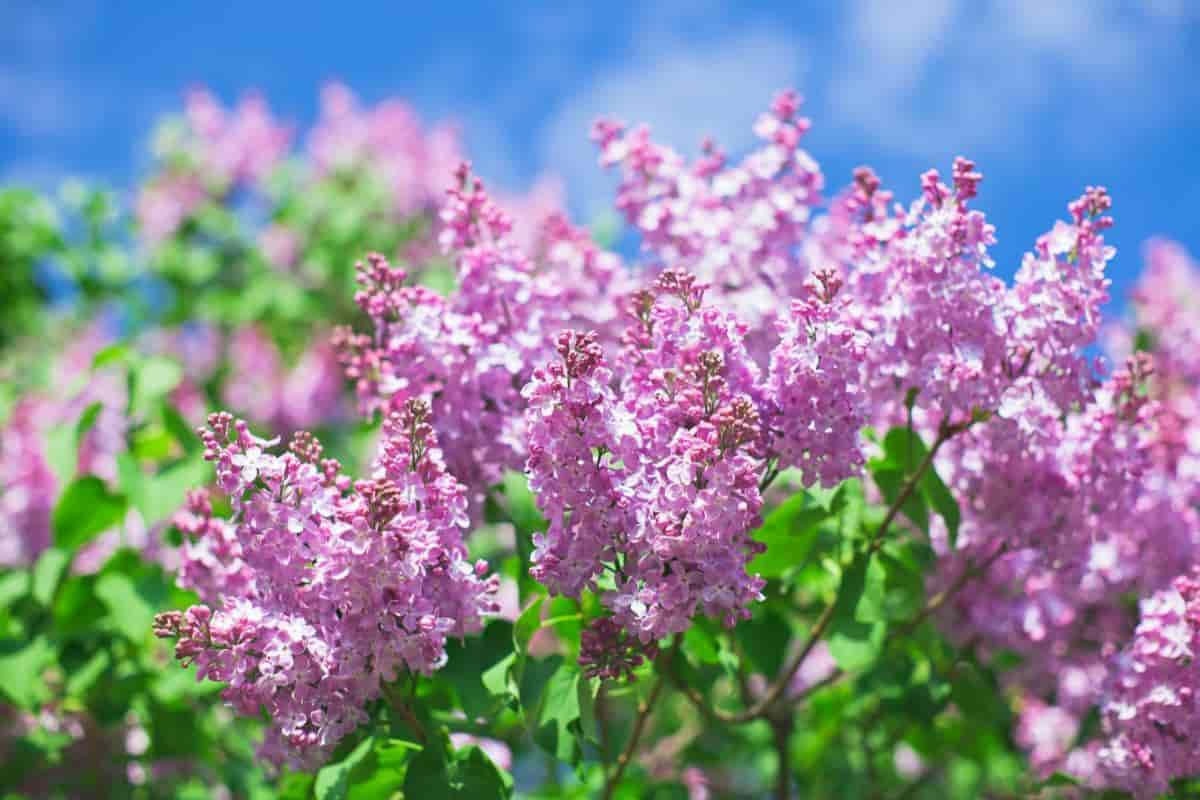
With building lots growing smaller and houses shrinking closer to ground level every day, it’s time the Japanese lilac tree (Syringa amurensis japonica) came into its own. This little-known member

Four excellent possibilities are presented here when planting in containers: succulents, carissa, and holly leaf osmanthus, and for an oddity, the scouring rush or equisetum. Pertinent Suggestions For Potted Plants

The roof garden at the Garden Center of Greater Cleveland, designed and constructed in 1940 by the Garden Club of Cleveland in conjunction with the City’s sesquicentennial celebration, has become

Never in the history of gardening have so many kinds of flowering plants been as easy to obtain as they are today. The assortment is so rich and varied that

Among the small secondary trees, few, if any, bloom in as great profusion as the redbud. The best-known species is Cercis canadensis, native from southwestern Ontario to New York, New