Forget what you’ve heard about boring garden boundaries. While everyone focuses on showy flowers and fancy vegetables, they often overlook the real garden MVPs: native privacy shrubs.
These plants create nice living walls while supporting local wildlife, all without the invasive tendencies that make some shrubs spread where you don’t want them.
The right privacy shrub can attract up to 4 times as many beneficial insects as non-native varieties.
Why Native Shrubs Are Worth Your Attention
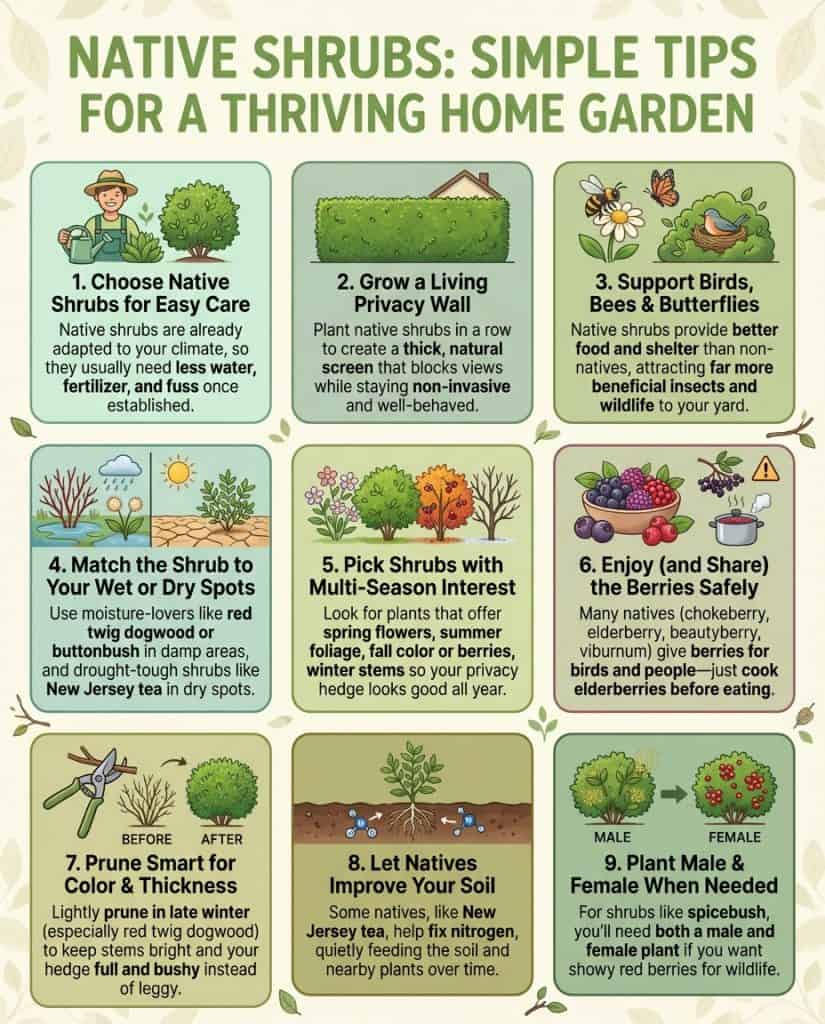
Native shrubs aren’t just pretty plants. They’re actually well-suited to your region’s conditions because they evolved there.
Think of native shrubs as the locals who already know everyone. They’ve built relationships with native birds, bees, and butterflies over thousands of years. Non-natives are like newcomers who haven’t quite figured out how to fit in yet.
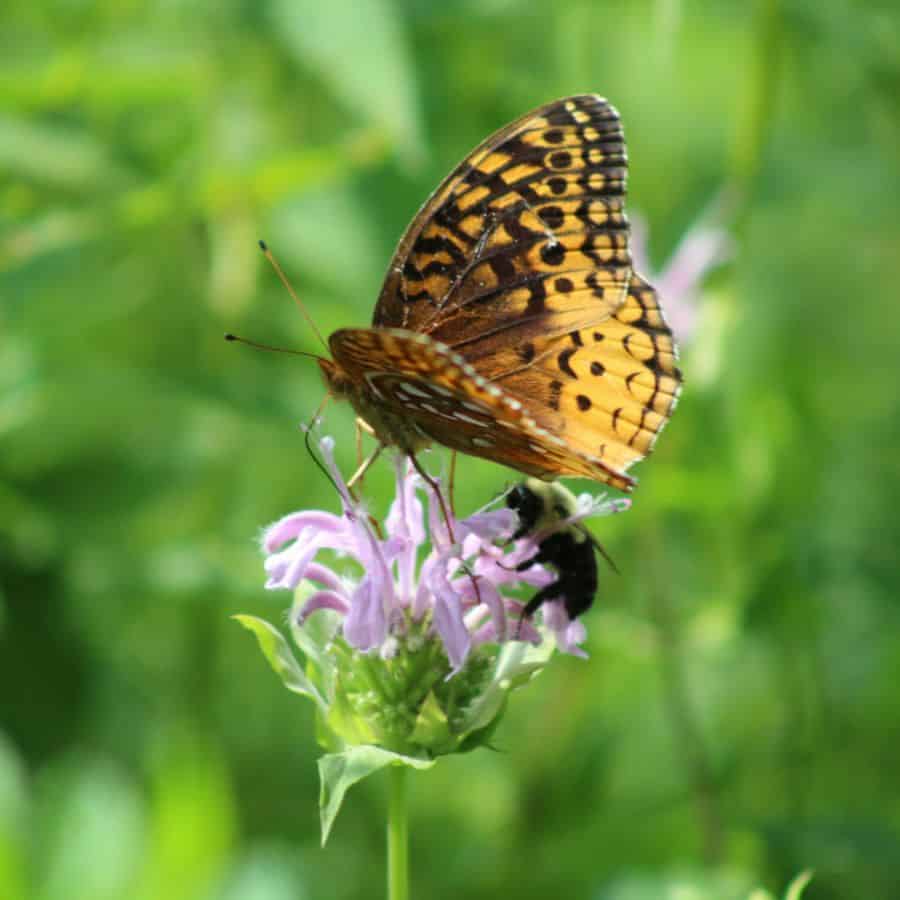
• Support local wildlife: Native shrubs provide food and habitat for up to 14x more wildlife species than non-natives
• Handle drought better: These plants evolved in your climate and often need less water once established
• Need less maintenance: They typically require less fertilizer, fewer pesticides, and minimal fussing
Most of these privacy shrubs do well in Zones 3 to 9, making them workable for the majority of North American gardens.
And unlike those aggressive plants that jump property lines and invade natural areas, these stay where you plant them.
9 Native Privacy Shrubs That Grow Quickly
1: Red Twig Dogwood (Zones 2-7)
This native of the northern and western U.S. gives you year-round interest. Those bright red stems look great in winter when everything else is bare.
It handles wet soil well and grows pretty fast. For the best winter display, prune in late winter to encourage those colorful red stems.
2: Buttonbush (Zones 5-9)
Native to eastern and southern wetlands, this shrub has interesting, round blooms that pollinators love.
Don’t worry if it dies back in colder zones. It bounces back every spring. It’s perfect for those wet spots where other plants struggle.
3: Black Chokeberry (Zones 3-8)
This northeastern U.S. native does a little of everything. Glossy leaves, spring flowers, and berries that feed both you and the birds.
These shrubs provide good privacy while producing nutritious berries rich in antioxidants.
4: New Jersey Tea (Zones 4-8)
This compact eastern U.S. native might be smaller than others on our list, but it has a real benefit.
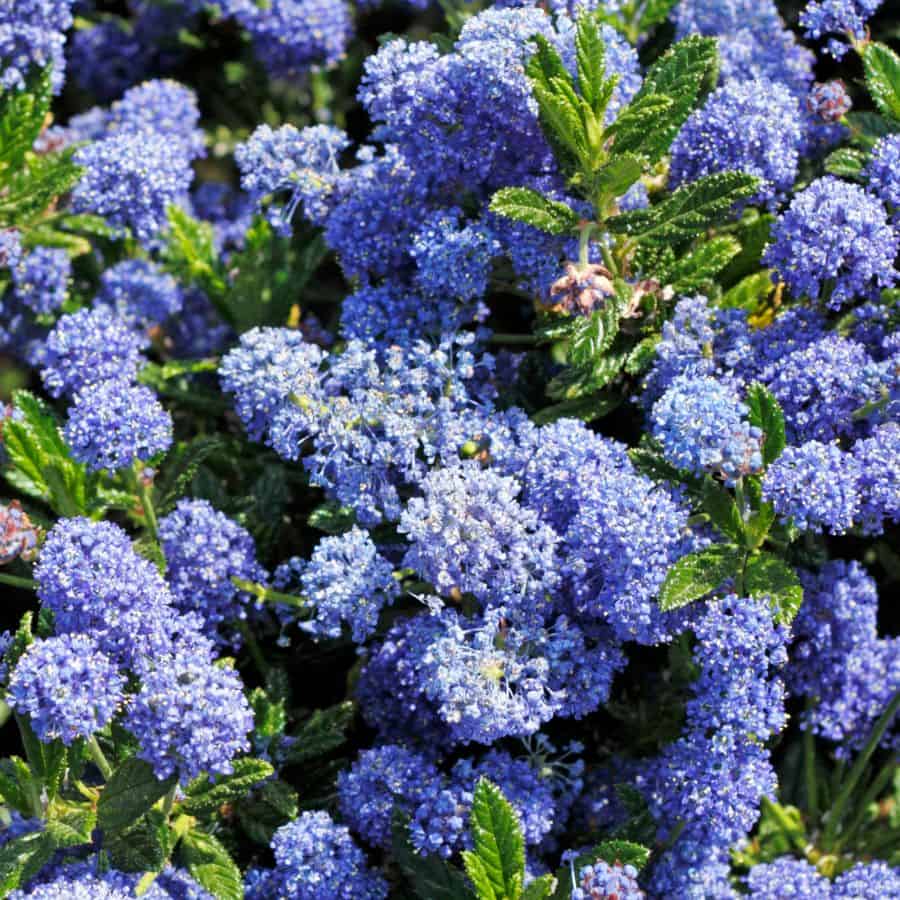
It actually fixes nitrogen in the soil, which helps nearby plants. Its white flowers attract pollinators, and it handles drought well.
5: American Beautyberry (Zones 6-10)
This southeastern native has clusters of bright purple berries that really stand out. It grows in both sun and part shade, making it pretty flexible.
Birds love those berries, which brings more wildlife to your yard.
6: Elderberry (Zones 3-9)
This North American native grows quickly and produces useful berries. Just remember: always cook the berries before eating.
Raw ones can make you sick. The flowers make nice aromatic syrups, too.
7: Arrowwood Viburnum (Zones 3-8)
This eastern U.S. native creates thick privacy screens. Its white spring flowers and blue-black fall berries look good through the seasons.
The best part is how it grows in poor soil where other plants struggle.
8: Spicebush (Zones 4-9)
This eastern woodland native smells great; crush a leaf, and you’ll see why it’s called spicebush.
It’s one of the first to bloom in spring, with small yellow flowers appearing before the leaves. If you want those red berries, you’ll need both male and female plants.
9: Ninebark (Zones 2-8)
This native of the northeastern and central U.S. has peeling bark that adds winter interest.
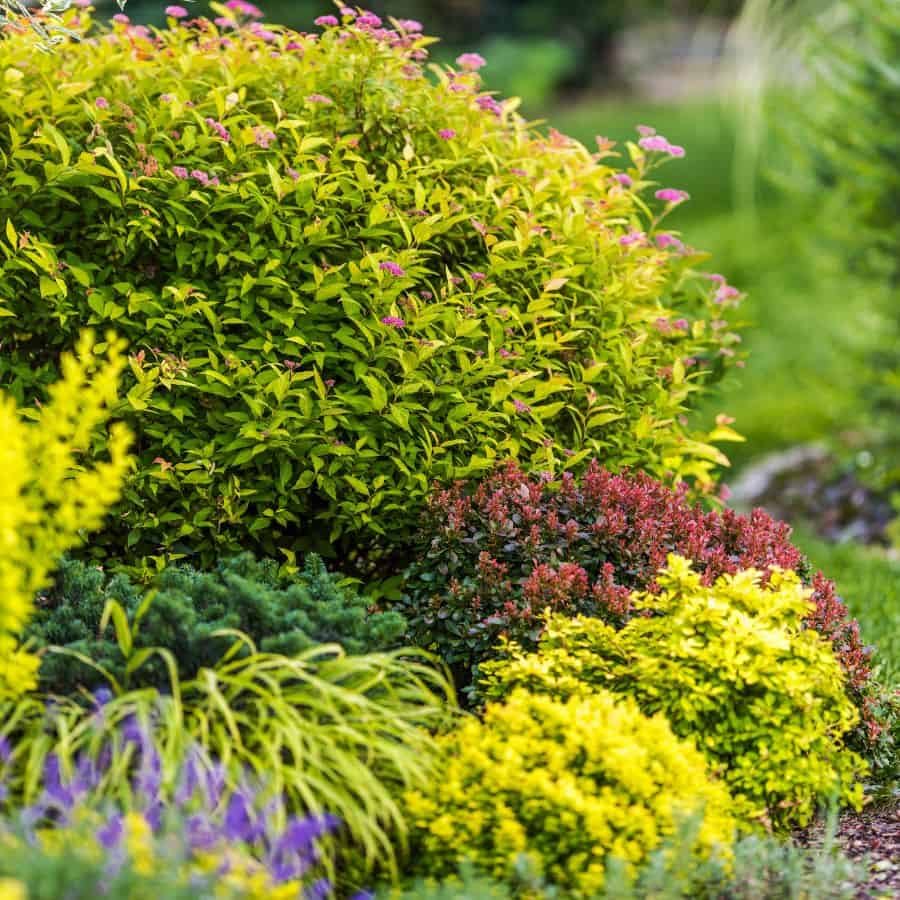
With varieties that have burgundy, gold, or green foliage, it’s a versatile privacy option that grows well even in harsh urban conditions.
Planting and Care Tips That Actually Matter
The biggest mistake people make with shrubs is planting without thinking it through first.
Even though these native plants are tough, giving them the right start makes a real difference in how they grow.
• Match the shrub to the spot: Check your planting location’s sun exposure and soil moisture before choosing
• Space them properly: These grow fast, so leave room for their mature width (usually listed on plant tags)
• Prune strategically: Each type has specific pruning needs; some bloom on old wood, others on new
• Share with wildlife: Leave some berries for the birds. They’ll help control garden pests
While these shrubs can handle some neglect, they’ll do better with occasional attention.
Think of them as low-maintenance friends who don’t need constant contact but appreciate a check-in now and then.
Getting Started with Your Privacy Screen
Why settle for a plain fence when you could have a living boundary that changes with the seasons and supports local wildlife?
My grandmother understood this. Her garden was entirely enclosed by native shrubs that created a real sense of privacy while attracting birds and pollinators.
These nine native privacy shrubs offer a good combination of fast growth, ecological benefits, and well-behaved growth habits. They work well for you, your garden, and the environment.
Start with just one of these native plants and see how your garden changes from exposed to more secluded, one shrub at a time.