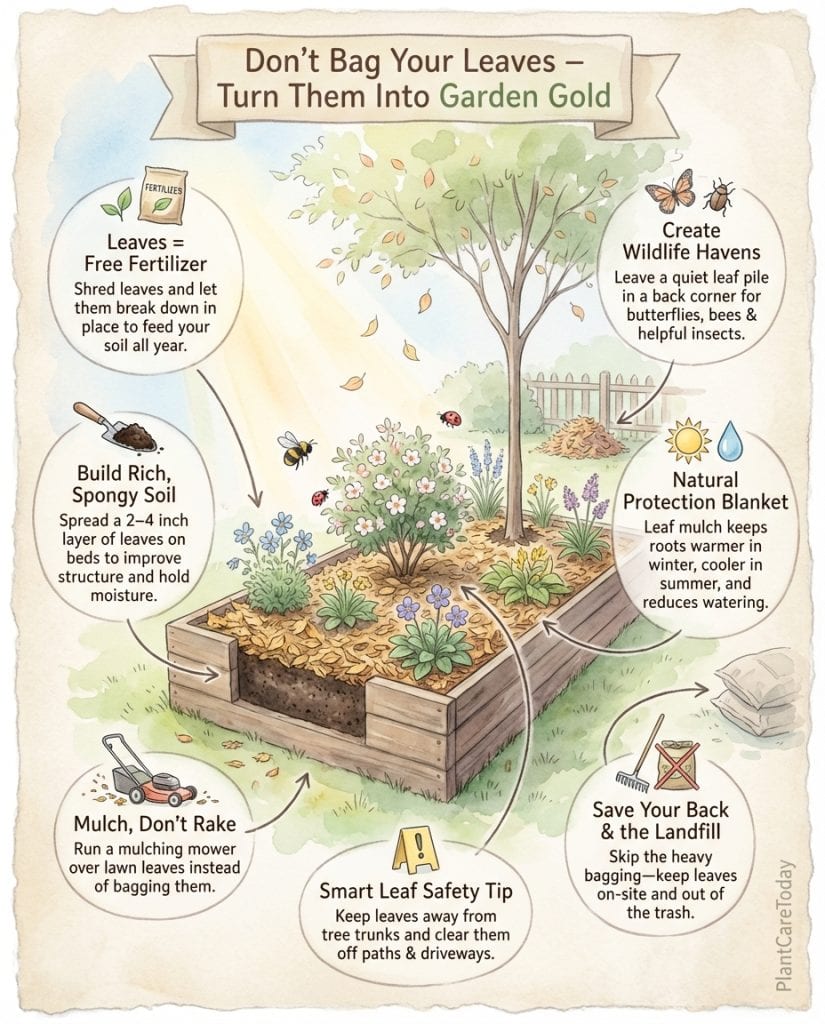
I was shocked to discover that those leaves you’re desperately trying to bag up and haul away?
They’re actually your garden’s most valuable asset, and you’re treating them like trash!
Every autumn, millions of us engage in this bizarre ritual of raking, bagging, and tossing nature’s perfect soil food. It’s time to stop the madness and let those leaves work their magic instead.
The Leaf-Bagging Tragedy: What You’re Really Throwing Away
Forget what you’ve heard about “clean” lawns being the goal. When you send those bags to the curb, you’re literally throwing away garden gold.
Those leaves contain calcium, magnesium, nitrogen, phosphorus, and potassium, basically the exact nutrients you’ll buy in bottles come spring!
Here’s the eye-opening truth: yard waste (including leaves) makes up a whopping 13% of municipal solid waste, according to the EPA. That’s millions of bags stuffed with what could be transforming your soil right now.
(And between us? The neighbors with those pristine, leaf-free lawns are actually creating more work for themselves while making their soil poorer every year. But you didn’t hear that from me.)
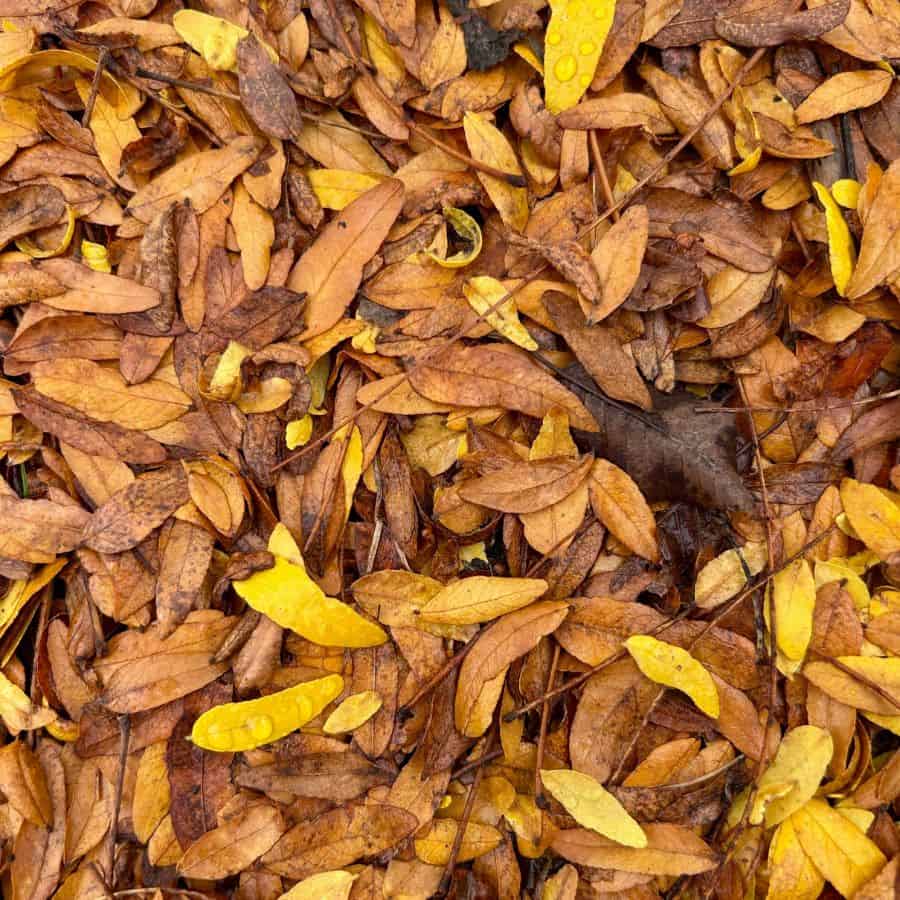
5 Game-Changing Benefits of Keeping Leaves Where They Fall
1. Your Soil Becomes a Nutrient Powerhouse
Think of leaves as nature’s slow-release fertilizer. As they break down, they deliver a steady stream of nutrients that commercial fertilizers can’t match. They’re not just food. They’re a five-star meal for your soil.
- They create humus, that dark, spongy material that makes soil fertile
- They improve soil structure, helping roots breathe and grow
- They boost water retention, reducing your need to water
2. You’re Fighting Climate Change (For Real)
When leaves end up in landfills, they decompose without oxygen and produce methane, a greenhouse gas 28 times more potent than carbon dioxide.
By keeping leaves in your yard, you’re literally fighting climate change from your garden.
Plus, you’re saving all the emissions from leaf blowers, collection trucks, and processing equipment. Your garden is becoming a carbon sink instead of a carbon source!
3. You’re Creating a Wildlife Paradise
Your leaves aren’t just feeding soil. They’re supporting an entire ecosystem. Those leaf piles are like five-star hotels for beneficial creatures:
- Butterflies, moths, and native bees overwinter in leaf litter as eggs or pupae
- Birds feast on the insects hiding in your leaves
- Frogs, salamanders, and small mammals use leaves for shelter during cold months

The difference between amateur and pro plant parents is simply understanding that a living garden needs these creatures as much as it needs plants!
4. Your Garden Becomes Naturally Protected
Leaves act like a protective blanket for your soil, just like the forest floor they came from. This natural mulch:
- Regulates soil temperature (warmer in winter, cooler in summer)
- Reduces moisture evaporation, keeping plants hydrated
- Suppresses weeds naturally by blocking light
It’s like giving your garden a cozy, protective comforter that also feeds it. What store-bought product can do all that?
5. You’ll Save Time, Money, and Your Back
Let’s be honest. Raking is exhausting, and those leaf bags aren’t free. The game-changer for your autumn routine isn’t a better rake or a stronger back. It’s realizing you don’t need to do most of that work in the first place!
Busting the Big Leaf Myths That Keep You Raking
Your leaves are trying to tell you something important: “Let us stay!” But myths keep many gardeners reaching for the rake:
Myth: “Leaves will kill my grass!”
Truth: Thick, soggy mats might smother grass, but shredded leaves actually feed your lawn. A mulching mower turns this “problem” into free fertilizer in minutes.

Myth: “Leaves attract pests!”
Truth: They primarily attract beneficial insects and the birds that eat garden pests. Your garden’s pest problems likely come from elsewhere.
Myth: “My yard will look messy and neglected!”
Truth: There’s a massive difference between “abandoned” and “intentionally natural.” Strategic leaf placement in beds looks rich and professional, not lazy.
How to Be a Leaf Pro: Smart Ways to Use This Free Resource
The secret most plant experts won’t tell you is that you don’t need to leave leaves exactly where they fall. Here are the pro moves:
- Shred them first: Run over leaves with a lawn mower to speed decomposition and prevent matting
- Create magical leaf mold: Pile leaves in a corner, keep moist, and in 6–12 months, you’ll have the most spectacular soil amendment that garden centers can’t even sell
- Make garden beds lush: Move leaves from lawns to garden beds in a 2–4 inch layer around trees, shrubs, and perennials
- Supercharge your compost: Mix leaves with food scraps and green materials for balanced, rich compost
- Create winter wildlife havens: Leave untouched piles in back corners as hibernation spots for beneficial creatures
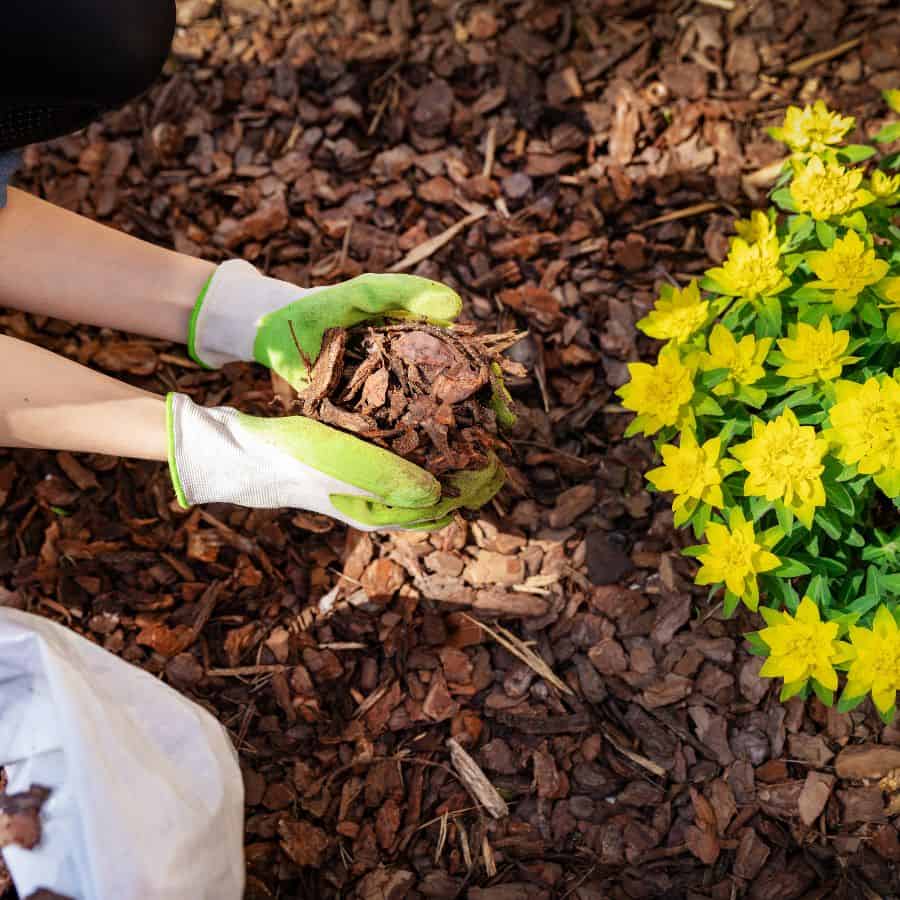
Your garden beds will absolutely flourish with this approach. Imagine being the gardener whose plants thrive while spending less time doing back-breaking work!
Quick Pro Tips for Leaf Success
- Don’t pile leaves directly against tree trunks (can trap moisture and cause disease)
- Do clear leaves from driveways and sidewalks, but relocate them to beds instead of bags
- For thick oak or walnut leaves, shred them first, as they decompose more slowly
- Be patient—leaf breakdown is a slow miracle that rewards those who wait
By working with fallen leaves instead of against them, you’re not just saving time and money.
You’re transforming your garden into a self-sustaining ecosystem that gets better every year. Nature has perfected this system over millions of years. Maybe it’s time we stopped fighting it and started leveraging it instead.
So this fall, put down that rake (at least partly), and watch your garden thank you with vibrant growth, fewer pests, and dramatic improvement year after year.