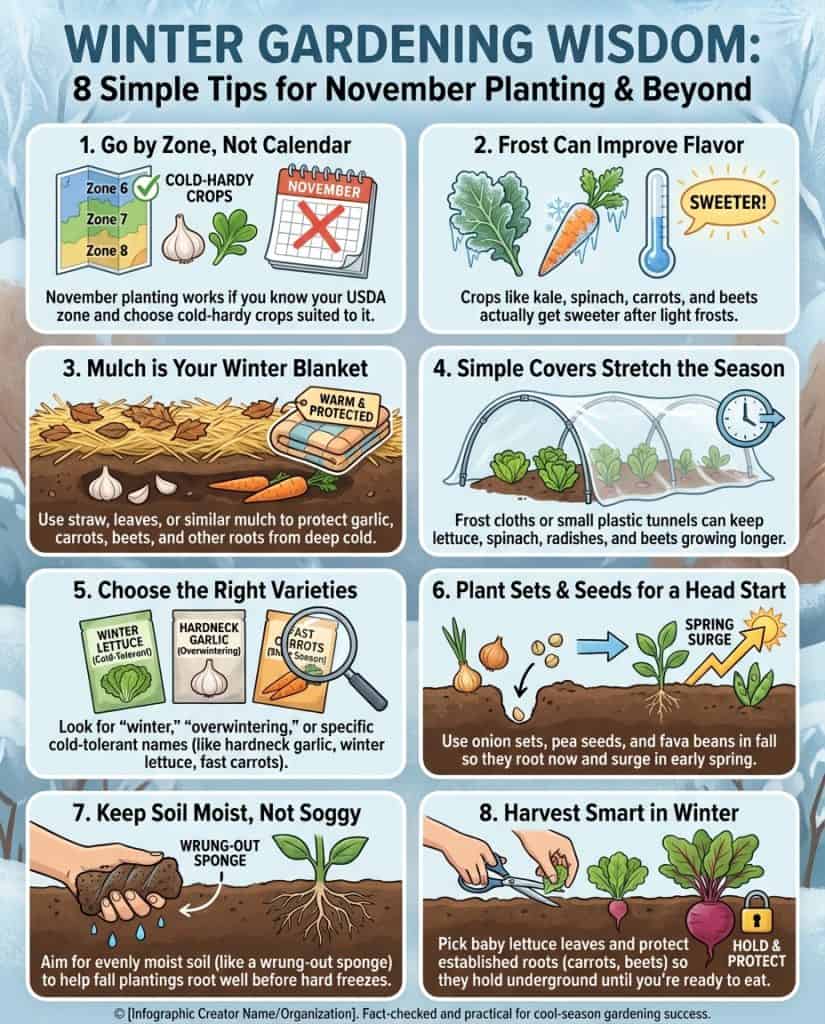
Think garden season is over? Think again! While your neighbors are putting their gardens to bed, you could be planting the seeds of a spectacular spring harvest.
I was shocked to discover that November isn’t just for raking leaves and eating leftover Halloween candy.
It’s prime planting time for cold-hardy vegetables that will transform your garden from dormant to vibrant!
Yes, You CAN Plant in November (And Those Who Say Otherwise Are Missing Out!)
Forget what you’ve heard about November being too late for planting! That myth is as outdated as dial-up internet.
The secret most plant experts won’t tell you is that November plantings often face fewer pests, need less watering, and can develop stronger root systems than their fair-weather counterparts.
Your gardening potential is determined by your USDA growing zone, not the calendar date.
Did you know that some vegetables actually develop better flavor after being kissed by frost? It’s like they’ve been waiting all summer for the cool weather to show off their best qualities!
Ready to be the gardener who harvests while others hibernate? Let’s dig into the vegetables that are practically begging to be planted this month.
11 Vegetables That Will THRIVE When Planted in November
1. GARLIC (Zone 3-9) – The Underground Superhero
Plant this vampire-repelling powerhouse 2 inches deep and 6 inches apart about 2-3 weeks before your ground freezes. Zone matters here:
- Zones 3-6: Choose hardneck varieties (they’re the winter warriors of the garlic world)
- Zones 7-9: Go with softneck types (the more laid-back, warm-weather lovers)
Mulch heavily in colder zones. Think of it as tucking your garlic in with a cozy winter blanket. Your patience will be rewarded with bulbs that are light-years better than store-bought versions.
2. ONIONS (Zone 5-9) – The Foundation of Flavor
For November planting, onion sets are your best friends. They’re like the preschoolers of the onion world, already past the delicate baby stage and ready to take on challenges. Choose short-day or overwintering varieties specifically.
Keep the soil consistently moist (think wrung-out sponge, not soggy cereal) and protect with straw if temperatures plummet.
Your future self will thank you when you’re harvesting fresh onions while others are still browsing seed catalogs.
3. SPINACH (Zone 5-9) – The Cold-Weather Champion
Spinach isn’t just cold-tolerant. It practically thrives on frost! Direct sow in November and watch this nutritional powerhouse flourish.
Varieties like ‘Bloomsdale Long Standing’ are particularly resilient, standing tall when lesser greens have long surrendered to winter’s grip.
For extra protection during cold snaps, a simple frost cloth can significantly extend your harvest.
Unlike humans, spinach actually gets sweeter after experiencing frost, turning winter lemons into lemonade!
4. LETTUCE (Zone 6-9) – The Salad Bowl Staple
Cold-tolerant varieties like ‘Winter Density’ and ‘Arctic King’ (their names say it all!) can be direct-sown or started under simple protection.
The game-changer for your lettuce isn’t what you think; a basic plastic tunnel can transform your growing season, extending it by weeks or even months.
Focus on harvesting baby leaves before hard freezes hit. They’re more tender and regrow quickly anyway. Your winter salads will be the envy of the neighborhood.
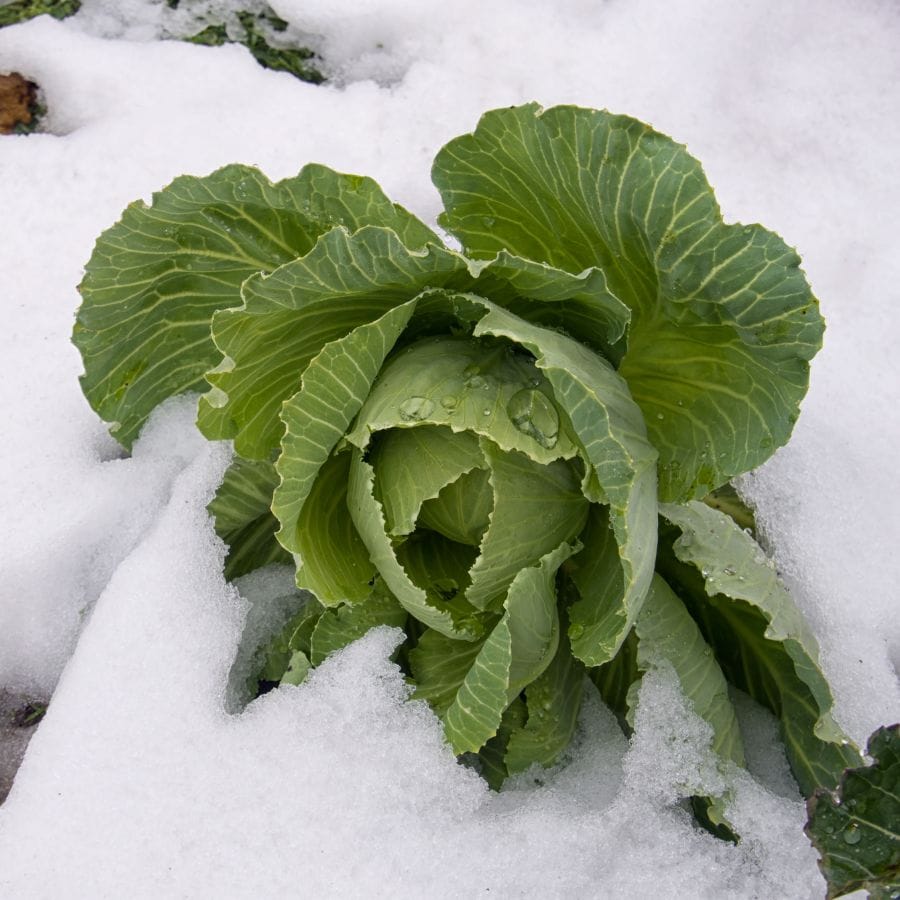
5. KALE (Zone 5-9) – The Frost-Kissed Wonder
Kale isn’t just tough. It’s the botanical equivalent of that friend who goes swimming in January and calls it “refreshing.” Direct sow in well-drained soil and mulch around the base.
Here’s the miracle: frost actually improves kale’s flavor by converting starches to sugars.
What other vegetable actually gets tastier when the temperature drops? It’s like kale was designed specifically for November planting!
6. CARROTS (Zone 6-9) – The Underground Sweethearts
For November planting, faster varieties like ‘Napoli’ or ‘Little Finger’ are your best bet.
Sow these gems near the soil surface and blanket them with a thick mulch layer. They’ll continue developing all winter, becoming sweeter by the day.
While new seeds might not germinate once the soil gets too cold, established roots will stay firm and delicious under their mulch blanket. They’re like nature’s candy, patiently waiting underground for you to discover them.
7. BEETS (Zone 6-9) – The Two-for-One Crop
Beets demand good drainage, so raised beds are ideal for these November treasures. Varieties like ‘Chioggia’ and ‘Detroit Dark Red’ are particularly reliable for late-season planting.
Protect established plants with frost cloth during harsh weather, and you’ll be rewarded with both nutritious roots AND delicious greens. Talk about maximizing garden space!
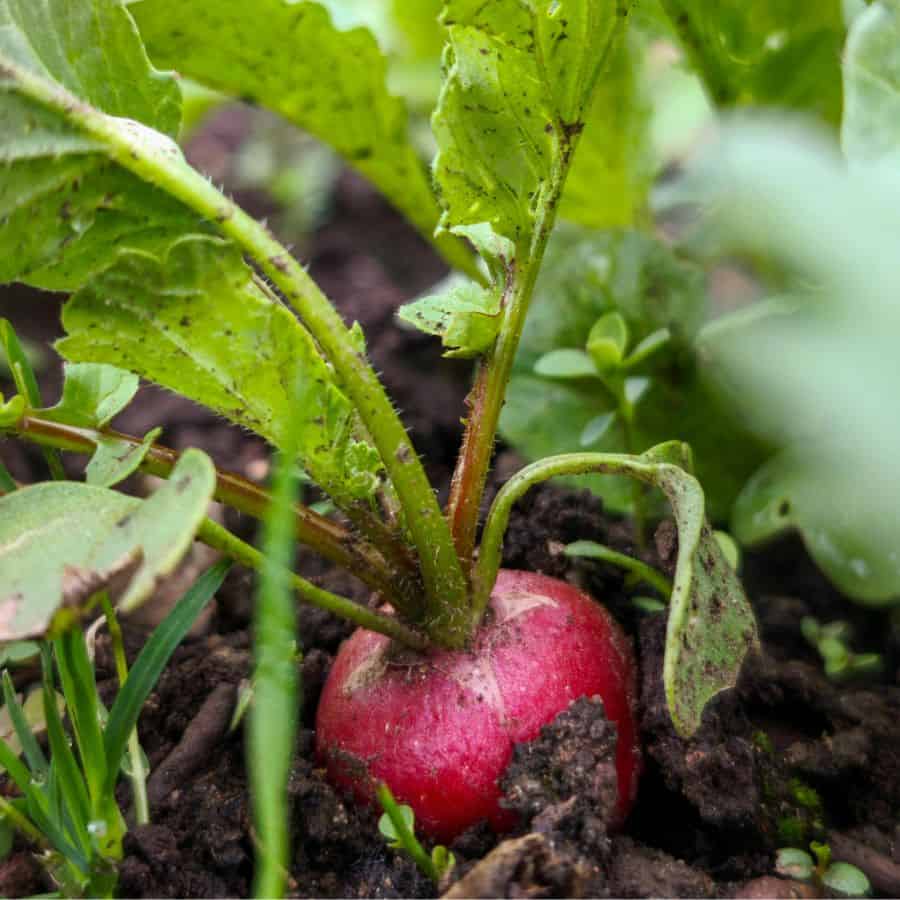
8. RADISHES (Zones 6-9) – The Speedy Satisfiers
Radishes are the sprinters of the garden world, maturing in just 3-4 weeks. Their quick turnaround makes them perfect for succession planting. Sow a small batch every 1-2 weeks to maintain a continuous harvest.
While they can handle light frosts without complaint, a simple cover during harder freezes will keep them producing longer. These peppery jewels provide nearly instant gratification when other garden rewards seem months away.
9. PEAS (Zones 8-9) – The Early Spring Head Start
In warmer zones, November-planted peas are like setting a timer for spring excitement.
Plant them now in well-drained soil, provide something to climb on, and they’ll get established before winter, then explode with growth at the first hint of warming weather.
Pro tip: Use inoculated seeds for healthier roots and better yields. Young pea plants are surprisingly tough against frost.
They’re the kindergartners wearing shorts in winter and somehow staying perfectly comfortable.
10. FAVA BEANS (Zones 7-9) – The Soil-Improving Superfood
Plant these nutritional powerhouses 2-3 inches deep and let them work their magic through winter.
Not only will they provide an early spring harvest, but they’ll also enrich your soil by fixing nitrogen; they’re literally fertilizing while they grow!
Fava beans are the multitaskers of the winter garden, providing food for you and food for your soil simultaneously. Now that’s efficiency!
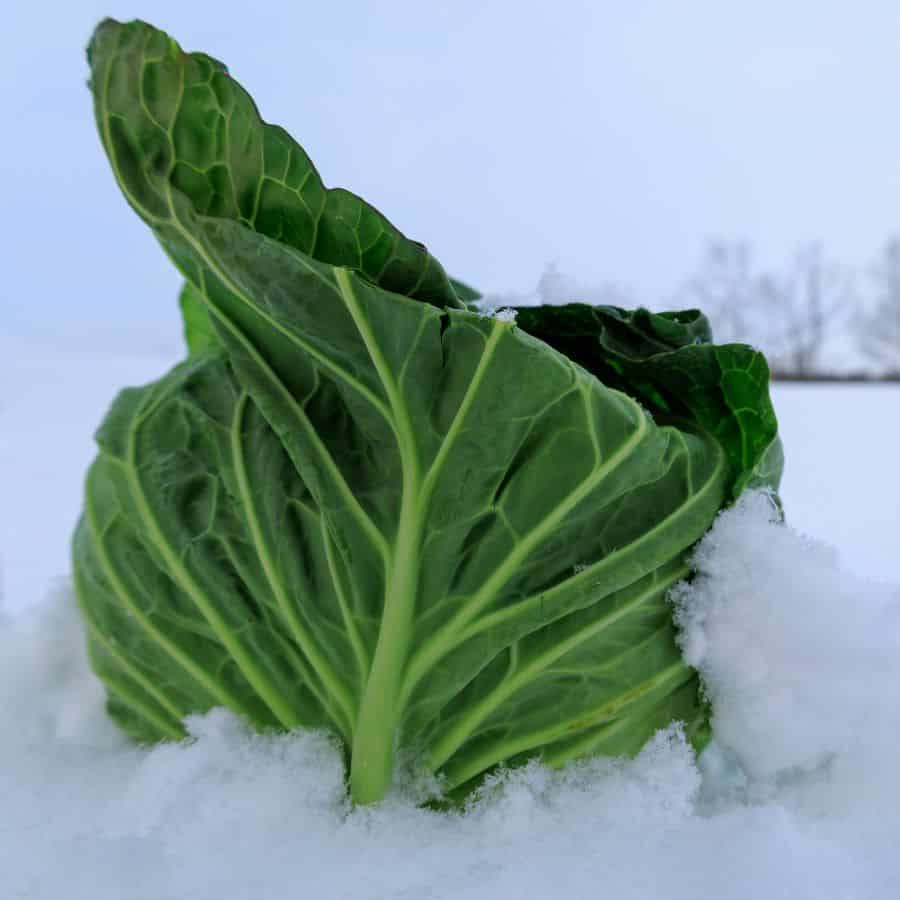
11. COLLARD GREENS (Zones 6-9) – The Southern Classic
No winter garden is complete without these nutritional giants. Direct sow into November soil and watch them stand proud through frost and cold.
While they’re naturally tough, an occasional protective cover during severe weather will keep them producing beautiful leaves throughout the season.
Did you know that a light frost makes collards taste less bitter and sweeter? Mother Nature’s own flavor enhancement system is at work!
Cold Soil, Hot Results: What Makes These Veggies Special?
The vegetables on this list aren’t just surviving winter. They’re thriving in it! Cold soil actually triggers special adaptations in these plants.
When temperatures drop, many convert starches to sugars (nature’s antifreeze), making them both more cold-resistant AND tastier.
The difference between amateur and pro plant parents is simply understanding that raised beds make a tremendous difference in winter growing success.
The slightly warmer soil and improved drainage can mean the difference between plants that struggle and those that flourish.
To Cover or Not to Cover? Protection Strategies by Zone
Your protection strategy depends on your USDA zone:
- Colder Zones (5-6): Row covers and frost cloth are essential tools—think of them as winter coats for your vegetables. Have them ready before sudden temperature drops!
- Warmer Zones (7-9): A light mulch is usually sufficient, but keep covers handy for unexpected cold snaps. Better safe than sorry!
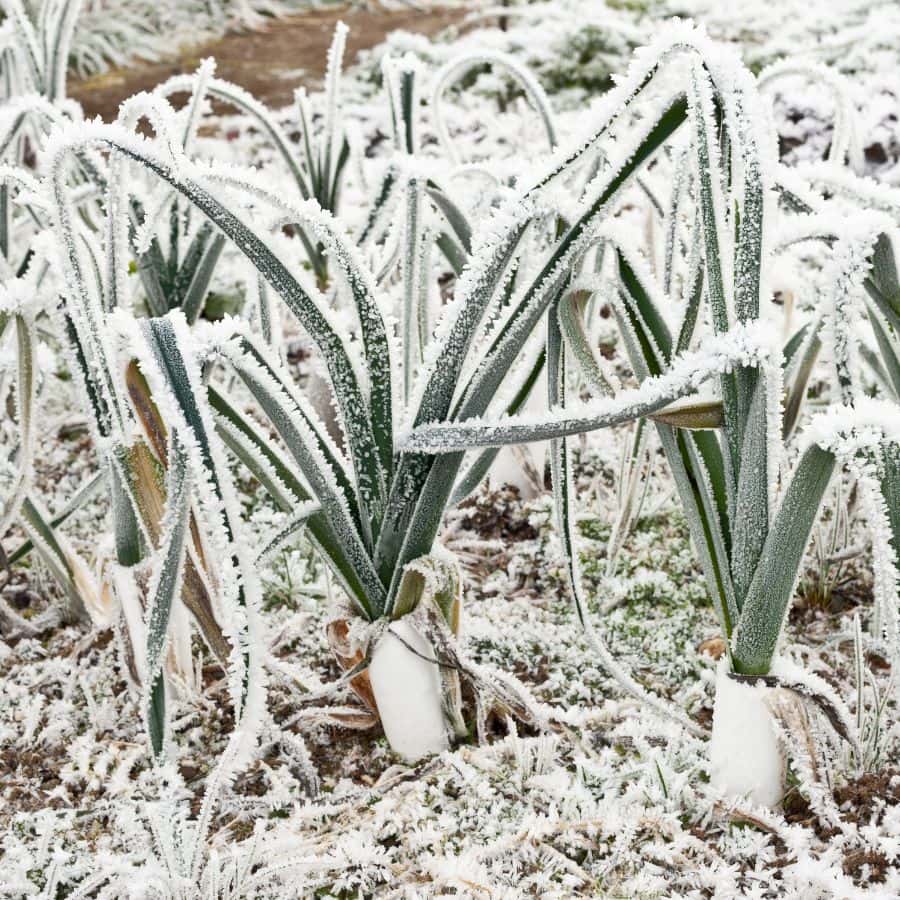
Most people make this mistake with their winter plants: they cover them and forget to check on them. I regularly peek under my covers on sunny winter days.
It’s amazing to discover how vibrant and alive these plants remain while the rest of the garden sleeps.
The Last Word: November is Just the Beginning
November isn’t the end of your gardening year. It’s the beginning of a new growth journey.
While your neighbors’ gardens sit empty, yours will be quietly working, developing strong roots and preparing for spectacular spring growth.
Starting these cold-hardy vegetables now puts you weeks or even months ahead when spring arrives.
Plus, there’s something deeply satisfying about harvesting fresh vegetables during the darkest, coldest months. It’s like having a secret superpower.
So grab your trowel, pick your favorites from this list, and get planting! Your winter-defying garden awaits.