
October isn’t just about pumpkin spice and Halloween decorations. It’s a make-or-break month for your spring garden’s future.
While everyone else is ignoring their perennials, savvy gardeners know that strategic October pruning is the key to stunning spring results.
I was shocked to discover that proper fall pruning can increase flowering by up to 30% in certain perennials!
Ready to transform your garden with just a pair of pruners? Let’s dive in.
Why October Pruning Is Your Garden’s Game-Changer
Forget what you’ve heard about leaving everything until spring! October pruning isn’t just busywork. It’s like giving your perennials a strategic head start while their competitors are still snoozing.
Think of it as clearing your desk before a big project. Your plants can focus all their energy on what matters most.
The difference between amateur and pro plant parents is simply knowing which plants need attention now. October pruning delivers four massive benefits:
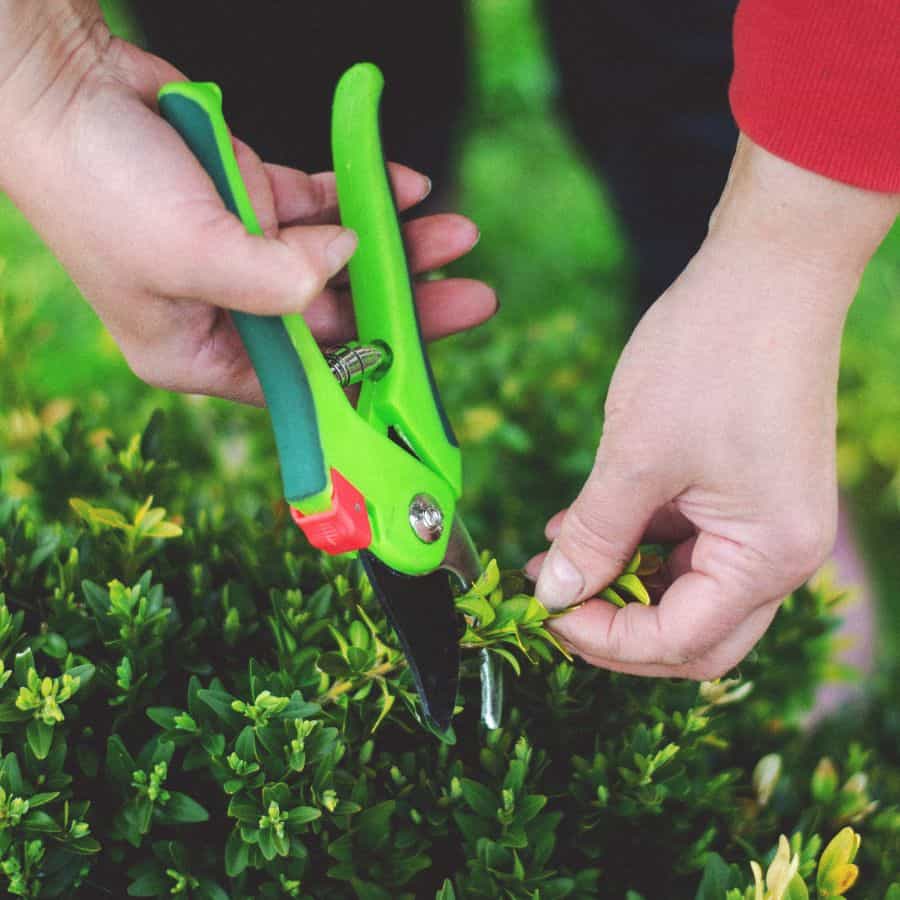
- Energy redirection: Forces plants to focus on root development rather than maintaining spent foliage
- Disease prevention: Eliminates hiding spots for fungal issues like mildew and botrytis
- Pest control: Removes overwintering sites for destructive insects
- Crown protection: Creates tidier plants less likely to rot from winter moisture
Your perennials are trying to tell you something important: “Help me ditch this old growth so I can come back stronger!”
Cold Climate Champions (Zones 3-5)
If you’re gardening where winter hits hard and early, these perennials are practically begging for your pruners this October:
- Hostas: Cut all leaves to ground level after the first frost. Those mushy, frost-damaged leaves are like an all-you-can-eat buffet for slugs and snails. Don’t give them the satisfaction!
- Peonies: Trim all stems to the ground after frost. This isn’t just for looks. It’s a powerful defense against botrytis, which can devastate next year’s blooms if it overwinters.
- Daylilies: Reduce foliage to 2-3 inches above the crown. Like clearing a landing zone, this prevents crown rot and keeps your clumps ready for spectacular liftoff in spring.
- Bee Balm: Cut completely to the base. These are highly susceptible to powdery mildew. Pruning now is like slamming the door in mildew’s face before it can move in for winter.
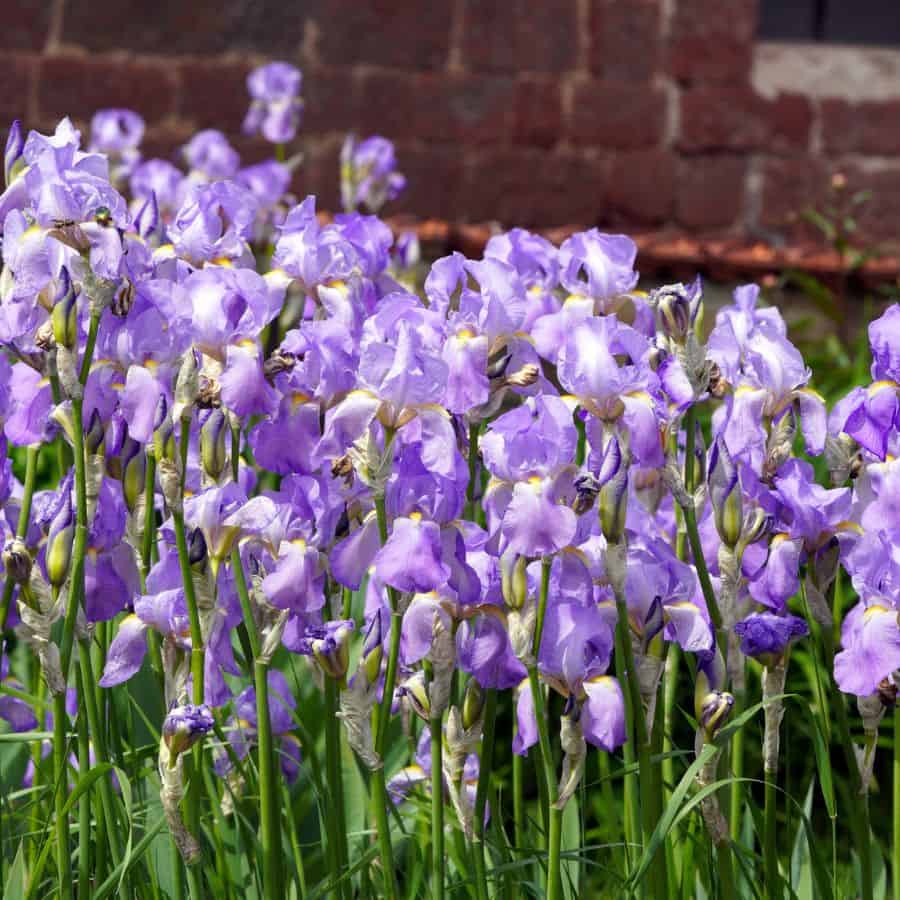
- Bearded Iris: Trim leaves to about 6 inches. This simple cut reduces iris borer infestations by up to 80% in some gardens! Now that’s return on investment.
Moderate Climate Musts (Zones 6-7)
The game-changer for your moderate climate garden isn’t more fertilizer. It’s strategic October pruning. Your longer fall season means these perennials need attention now:
- Garden Phlox: Cut to the ground after the first frost. These are like mildew magnets if left standing. Give them a fresh start by removing all that fungus-prone foliage.
- Catmint: Trim stems to a few inches above the base. Think of this as a reset button for these prolific growers. They’ll reward you with more compact, floriferous growth in spring.
- Yarrows: Cut spent stems down to basal growth. These enthusiastic self-seeders will take over your garden faster than gossip at a garden club if you don’t show them who’s boss.
- Columbine: Remove all foliage to prevent leaf miners from overwintering. It’s like evicting unwanted tenants before they can trash your property.
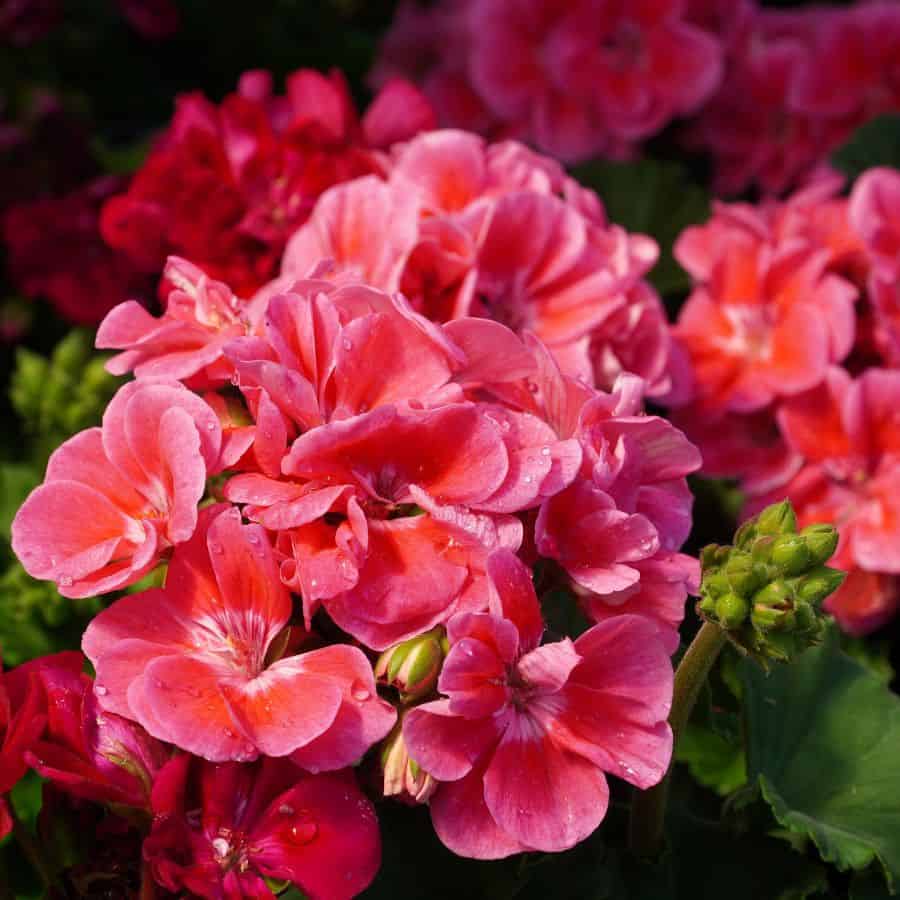
- Hardy Geranium: Get ragged growth back to fresh basal leaves. By October, these look like they’ve been through a tornado. A good trimming is like a spa treatment for exhausted plants.
Mild Winter Wonders (Zones 8-10)
Lucky you with your extended growing season! But don’t get complacent. These perennials still need your October attention:
- Perennial Salvias: Trim back hardy varieties to stimulate fresh basal growth. The secret most plant experts won’t tell you is that October-pruned salvias often bloom weeks earlier than their neglected neighbors.
- Coreopsis: Cut old stems back to tidy the crown. These workhorses will produce up to 40% more flowers next season with this simple maintenance.
- Shasta Daisy: Remove brown stalks but leave basal rosettes. Think of those green rosettes as solar panels that generate energy year-round.
- Veronica: Trim back to prevent mildew. In mild winters, these can look deceivingly healthy while harboring fungal problems. Don’t be fooled!
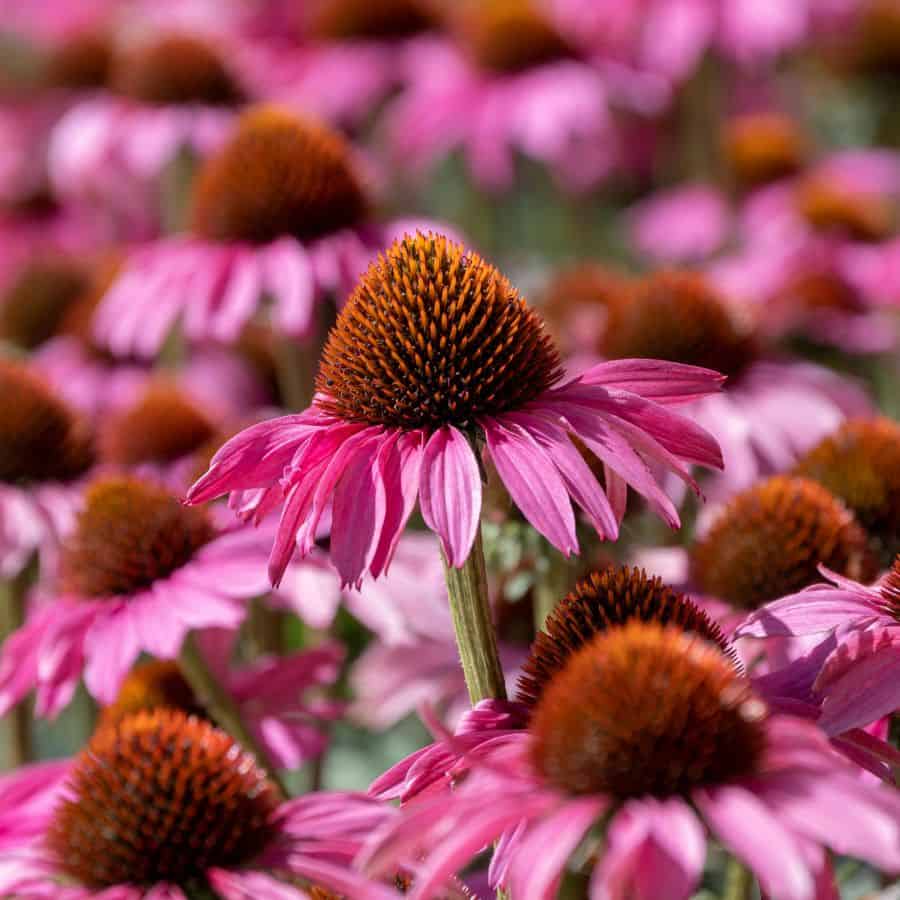
- Coneflowers: If you notice any fungal issues, cut them back. Otherwise, consider leaving them for the birds. They’re like natural bird feeders during the winter months!
The “Hands-Off” Squad: What NOT to Prune
Most people make this mistake with their fall garden cleanup: they get scissor-happy and cut EVERYTHING down. Some perennials actually suffer from October pruning and perform better when left alone until spring:
- Sedums: Their sculptural seedheads transform into winter artwork when frosted; nature’s own garden ornaments.
- Black-eyed Susans: Those seedheads feed finches and chickadees all winter. (Did you know a single plant can feed birds for up to 3 months?)
- Russian Sage: Their silvery stems add dramatic winter interest when everything else looks dead. Plus, cutting now can stimulate vulnerable new growth.
- Lenten Roses: Their evergreen foliage protects the crown like a living blanket. Wait until early spring to remove only damaged leaves.

October Pruning: Your 3-Step Action Plan
Ready to revive your spring garden with strategic October snipping? Here’s how to do it right:
- Time it perfectly: Prune after the first light frost but before the deep freeze hits. This sweet spot signals to plants it’s time to redirect energy to roots.
- Use clean tools: sanitize pruners with 70% alcohol between plants to prevent disease spread. Your plants will thank you!
- Cut with purpose: Remove stems at the appropriate height for each plant type (ground level for most, a few inches above ground for others). Precision matters!
Remember: October pruning isn’t just garden maintenance. It’s an investment in spring’s spectacular show. Your future self will be amazed at how this simple task transforms your garden from merely surviving to absolutely thriving.
Now grab those pruners and get to work—your perennials are desperately waiting for this rescue mission!