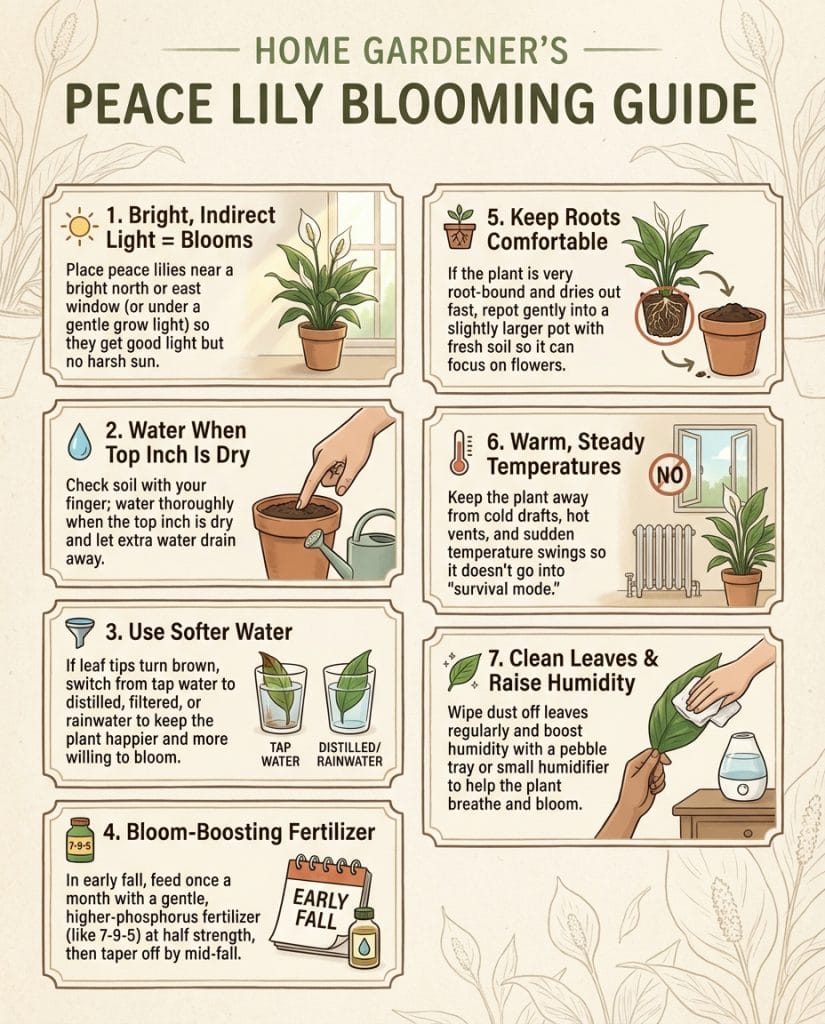
Is your peace lily giving you the silent treatment? You know the frustration. Lush green leaves for days, but those elegant white “flowers” are nowhere to be found.
I was surprised to learn that most peace lily owners experience this bloomless disappointment, yet the solution might be simpler than you think.
Here’s how to get your plant flowering this fall.
The Truth About Peace Lily “Flowers” (They’re Not What You Think)
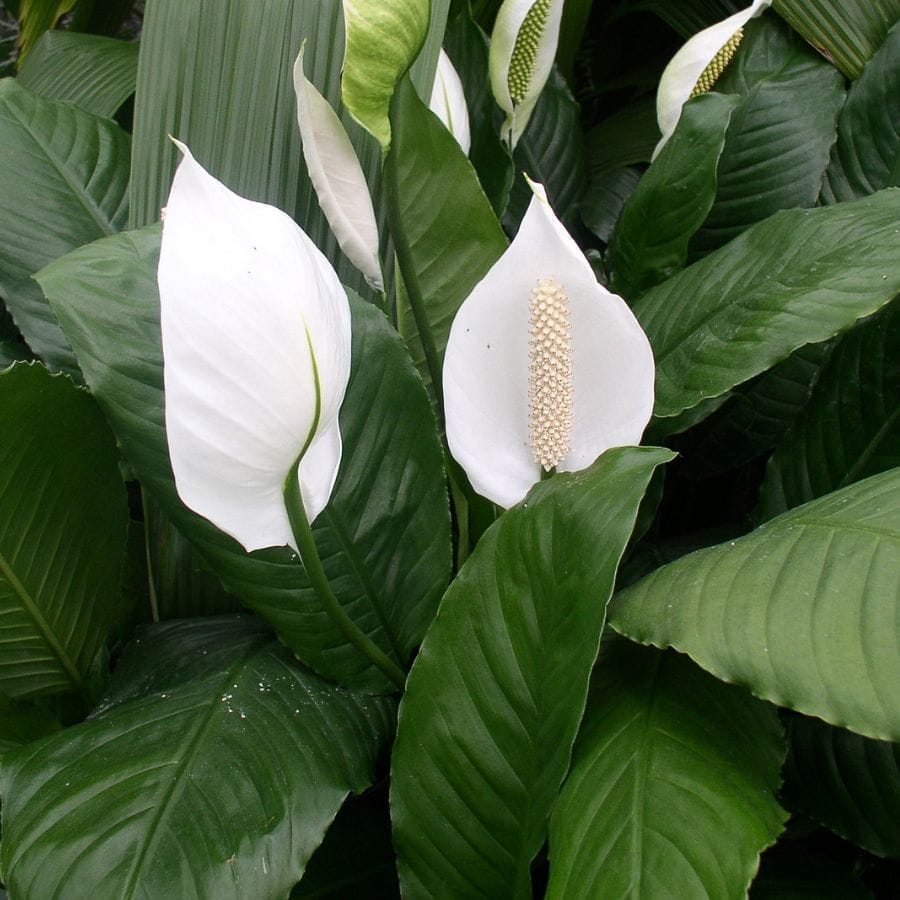
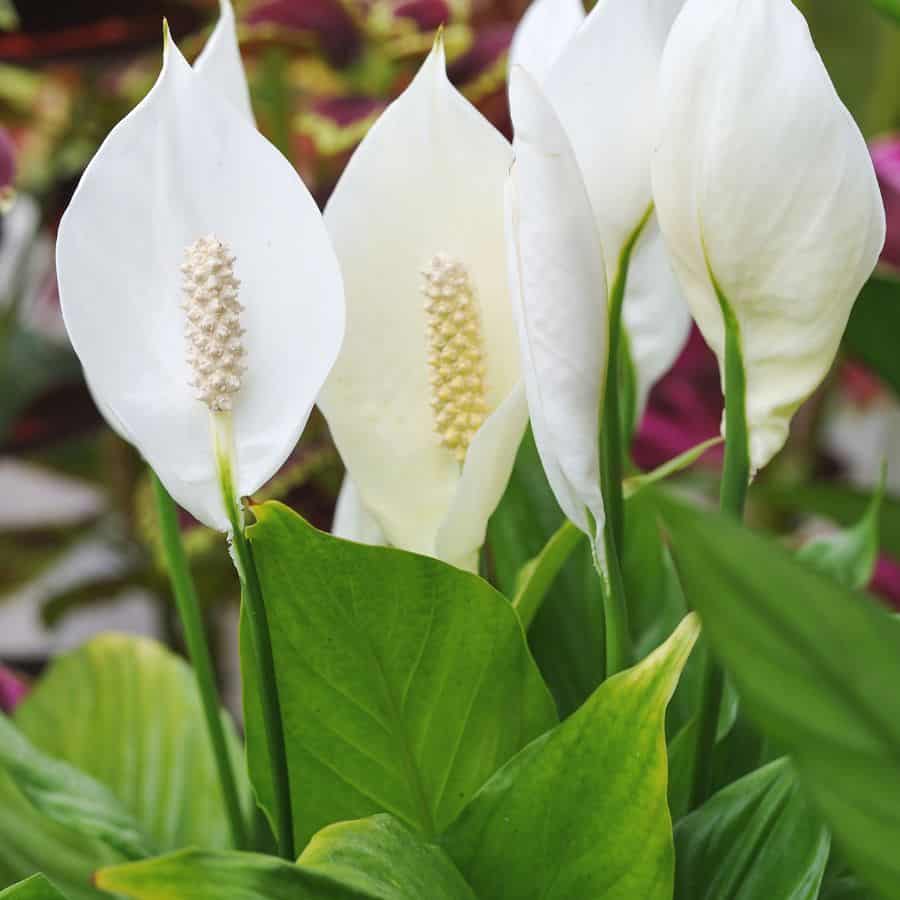
Let’s get something straight. That white flag isn’t actually a flower. It’s a specialized leaf called a spathe, with the true flowers hiding on that central spike (the spadix).
Peace lilies are native to the tropical rainforests of Central and South America. They evolved to grow in filtered light beneath tall canopies.
This explains why your peace lily can be pretty dramatic: drooping when thirsty, then perking up within hours after watering.
Understanding where they come from is your first step toward getting blooms.
Why Your Peace Lily Is Holding Back Its Blooms
The real trick is that peace lilies can actually bloom year-round with the right care. If yours is all leaves and no action, here’s what’s likely happening:

• Light Starvation: That dark corner might keep it alive, but it won’t trigger blooms.
• Watering Issues: Too much or too little water sends your lily into survival mode, not blooming mode.
• Wrong Fertilizer: Using nitrogen-heavy fertilizer gives you lots of leaves but no flowers.
• Temperature Problems: Heat vents or cold drafts stress the plant and shut down blooming.
• Root Bound: Plants with severely crowded roots focus on survival, not reproduction.
The Light Secret That Triggers Blooming
Forget what you’ve heard about peace lilies being low-light champions. While they won’t die in dim conditions, they won’t flower either. Think of light as their blooming fuel.
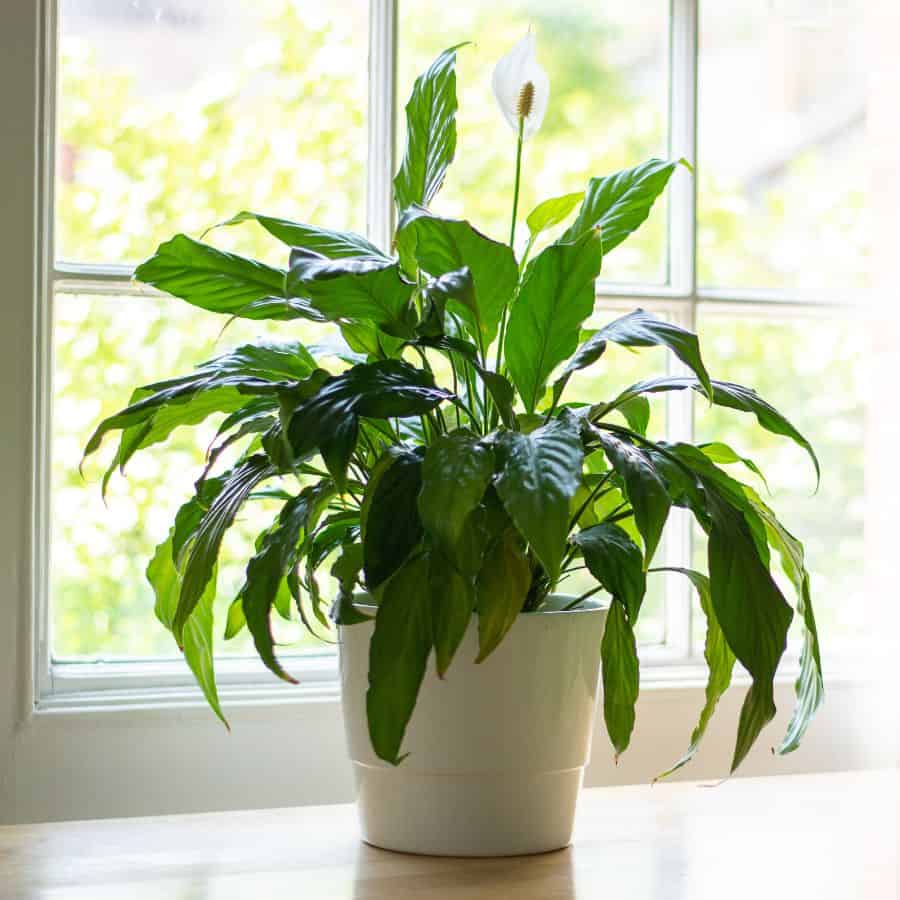
The ideal spot is near a north or east-facing window where bright, indirect light filters through. If you can comfortably read a book there without turning on a lamp, it’s good.
For fall blooming specifically, this becomes even more important as daylight hours shorten.
Helpful tip: As fall progresses, consider adding a full-spectrum grow light positioned 12-18 inches above your plant for 10-12 hours daily.
This can make the difference between no blooms and multiple flowers when most houseplants are shutting down for winter.
The Watering Method That Wakes Up Sleeping Blooms
Peace lilies are pretty dramatic: wilting when thirsty, then bouncing back within hours. But here’s the thing: letting them repeatedly collapse from drought is stressful and damaging in the long term.
Instead, water when the top inch of soil feels dry. Always let excess water drain completely – their roots should be moist, not swimming.
Most people make this mistake: using tap water loaded with chemicals. These sensitive plants don’t like chlorine and fluoride, which can prevent blooming.
Switch to distilled, filtered, or rainwater if you notice brown leaf tips. Your lily will reward this simple change with more blooms.
The Fall Fertilizing Formula That Encourages Flowers
Think of fertilizer as your peace lily’s bloom-boosting smoothie. But timing and ingredients matter. During fall, what works best for your peace lily is using a fertilizer with higher phosphorus content.
Look for a 7-9-5 formula and apply at half-strength once monthly through early fall. The phosphorus (the middle number) is the flowering nutrient, while too much nitrogen (first number) creates lots of leaves with no blooms.
By mid-fall, taper off feeding to allow your plant its natural rest cycle. This dormant period is important for energy conservation and future flowering.
5 Quick Bloom Triggers You Can Try Today
Clean Those Leaves: Wipe dust off with a damp cloth weekly. Dusty leaves photosynthesize poorly.
Boost Humidity: Place on a pebble tray with water or use a small humidifier nearby. Fall heating systems create dry conditions that peace lilies don’t like.
Prune Old Blooms: Cut spent flower stalks at the base. This redirects energy to new bloom production.
Check For Root Binding: If roots are circling densely, repot into a container just 1-2 inches larger with fresh, chunky soil mix.
Stable Temperatures: Keep between 65-85°F (18-29°C) and away from drafts, vents, and cold windows. Temperature fluctuations shut down blooming.
The Seasonal Peace Lily Calendar (Fall Focus)
Your peace lily’s needs change with the seasons. For fall specifically:
• Early Fall (September): Last chance for fertilizing. Increase light exposure as days shorten.
• Mid-Fall (October): Reduce watering slightly. Move the plant closer to the windows or add grow lights.
• Late Fall (November): Stop fertilizing completely. Maintain consistent temperatures as heating systems activate.
This seasonal approach works with your plant’s natural rhythms rather than forcing it to perform year-round without rest.
Benefits Beyond Beauty
Your peace lily is also cleaning your air. NASA’s Clean Air Study ranked them among the top plants for removing toxins like benzene, formaldehyde, and carbon monoxide. A single mature peace lily can purify air in a 100-square-foot space.
They’re helping you breathe easier while adding tropical style to your home.
When to Seek Help
If you’ve tried everything and your peace lily still won’t bloom, look for these warning signs of deeper issues:
• Yellow leaves that aren’t old (potential overwatering)
• Stunted growth or no new leaves for months
• Visible pests or sticky residue on leaves
• Roots that appear brown, mushy, or smell bad
These symptoms suggest your lily needs care before it can focus on flowering. Address these health issues first, and the blooms will follow naturally.
A peace lily can live for 5+ years, producing dozens of flowers throughout its lifetime if properly cared for. Your patience and attention to its needs will transform it from a basic foliage plant into one that blooms when other houseplants have stopped for the season.
Try these techniques and see what happens this fall.