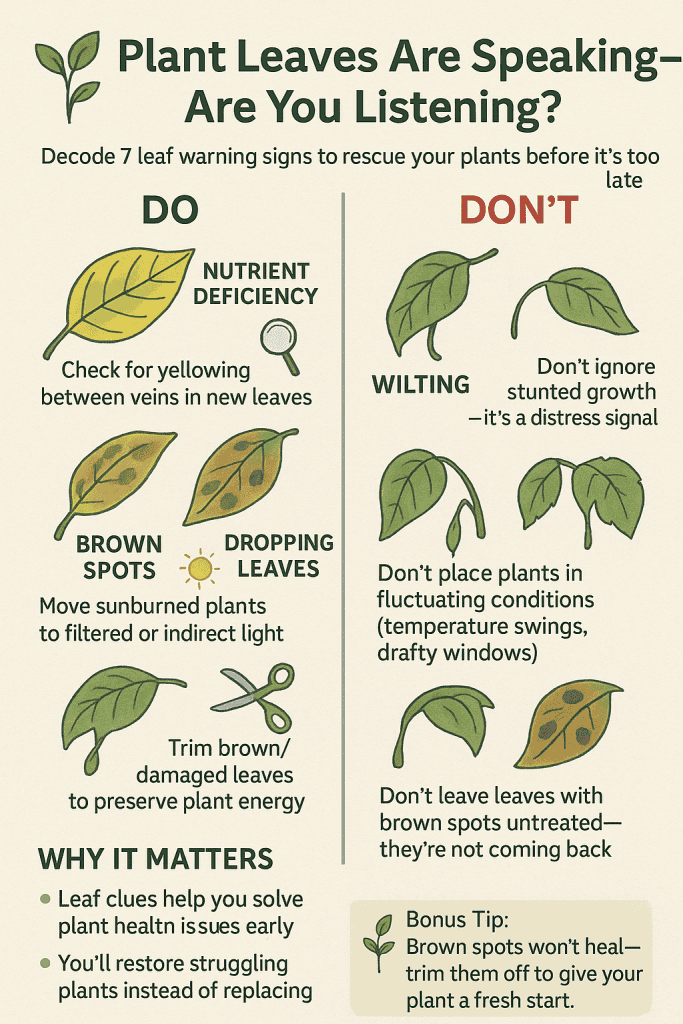
Your plants show you what they need through their leaves. The trick is knowing what to look for.
After years of working with plants, I’ve learned to spot the early warning signs of common problems.
Here’s what different leaf changes actually mean and how to fix them.
Yellow Leaves: The Silent Scream for Nutrients
When leaves turn from green to yellow, your plant needs help. This usually means it’s not getting enough nutrients, especially iron.
Yellow leaves signal an iron deficiency that stops chlorophyll production. That’s what makes plants green and helps them create energy.
Plants with severe chlorophyll problems can lose up to 80% of their ability to produce energy.
The best part? Yellowing often starts between the veins of newer leaves. If you catch this pattern early, you can fix the problem before it spreads to the whole plant.
Crispy Edges: Your Plant’s Desperate Thirst Signal
Brown, crispy edges mean your plant has a moisture problem. It’s either too dry or, surprisingly, too wet.
This happens when there’s a serious moisture imbalance. Either your plant needs water, or its roots are waterlogged and can’t move moisture up to the leaf tips properly.
Brown Spots: The Sunburn Nightmare
Brown spots are usually plant sunburns. Some houseplants can get seriously burned in just one afternoon of direct summer sun.
These spots appear when your plant gets too much light. Just like your skin, plant tissues can literally cook under intense sun.
The fix is simple: move your plant to a spot with filtered or indirect light where it can recover.
Dropping Leaves: The Mass Exodus Warning
A few fallen leaves are normal. But if you suddenly find a carpet of leaves under your plant, something’s wrong.
When plants drop lots of leaves quickly, they’re in survival mode. They’re trying to conserve energy by eliminating parts they can no longer support. This usually happens because of:
• Overwatering (drowning roots)
• Temperature shock
• Sudden environmental changes
Wilting: The Collapse Before Death
When leaves that used to stand up straight start drooping, your plant is under serious stress.
Here’s what surprises most people: wilting is often caused by overwatering, not underwatering. Soggy roots can’t breathe. In fact, overwatering kills more houseplants than any other cause.
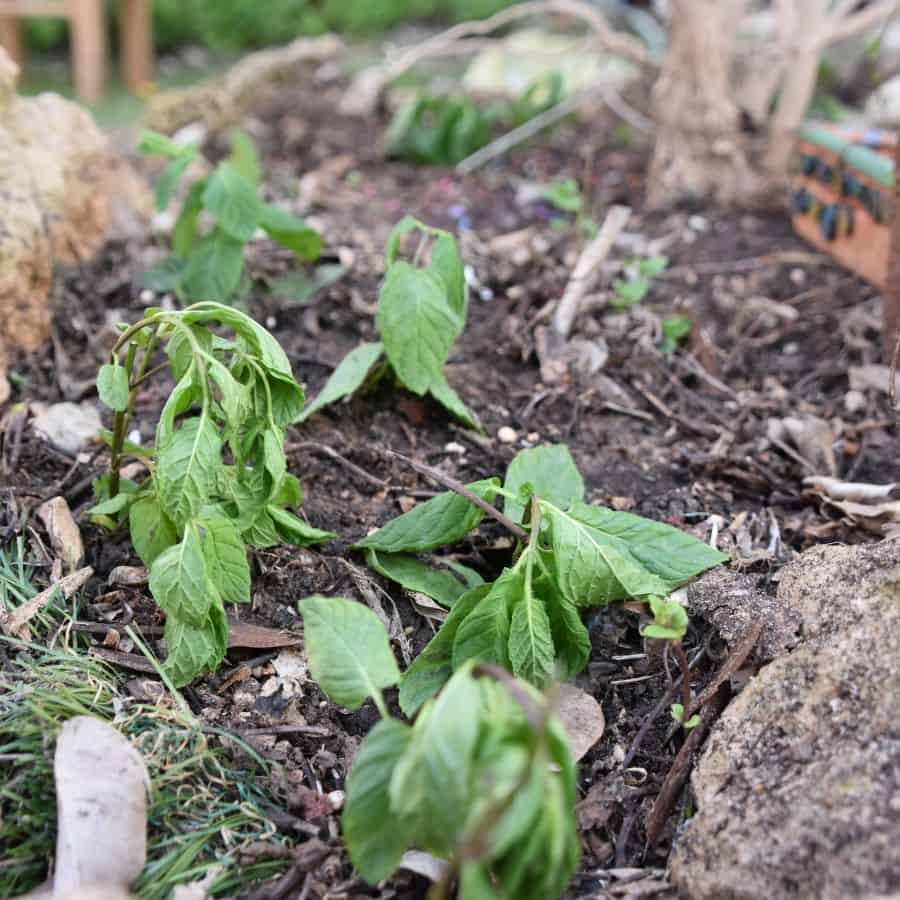
The fix? Step away from the watering can. Let the soil dry out so the roots can breathe again.
Damaged Leaves: The Point of No Return?
When leaves show serious damage like tears, holes, or extensive browning, you’ve likely missed the earlier warning signs.
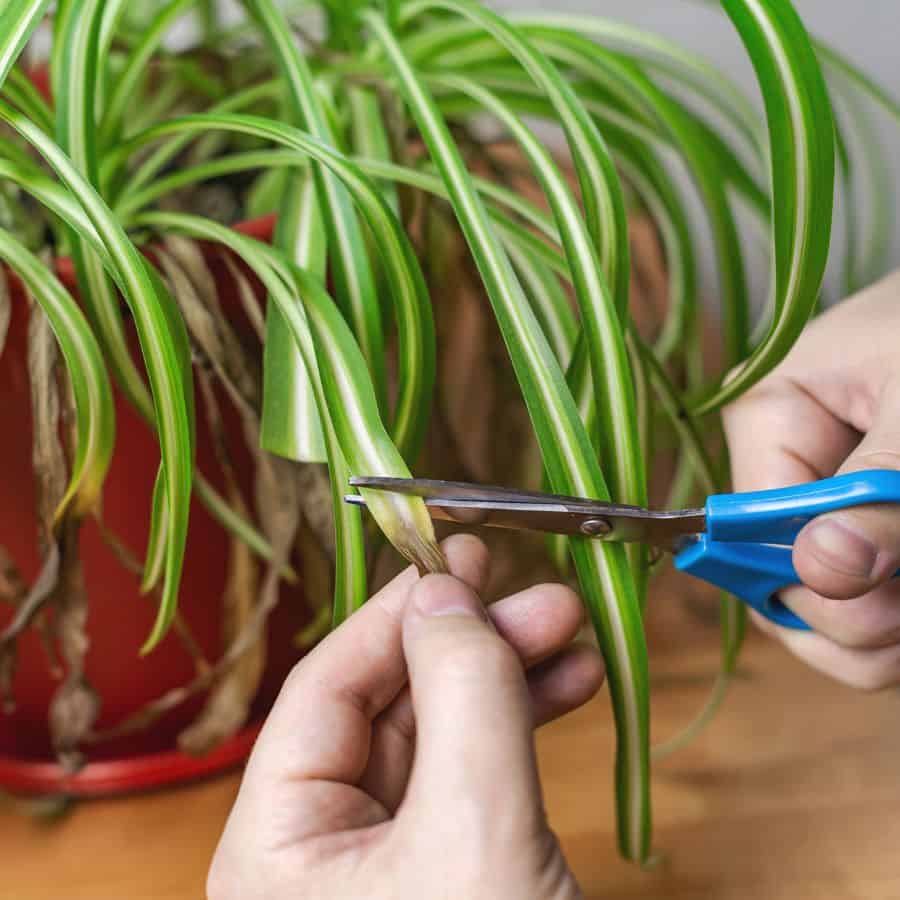
Heat stress often causes this kind of damage, literally cooking your plant. The real trick that experienced gardeners know is this: damaged leaves won’t heal on their own, but the plant can still recover.
What to do: Move your plant to a shadier spot right away. Then trim off the most damaged leaves so your plant can focus energy on new, healthy growth.
Stunted Growth: The Silent Suffering
If your plant hasn’t grown in months, it’s not lazy. It’s struggling.
Stunted growth is easy to miss because it’s about what’s not happening. Your plant is using all its energy just to survive. This happens when multiple problems combine: poor soil, not enough light, watering issues, or pests.
You’ll need to do some detective work. Check the soil condition, light exposure, and watering routine. Look closely for tiny pests. Once you find and fix the problem, your plant can start growing again.
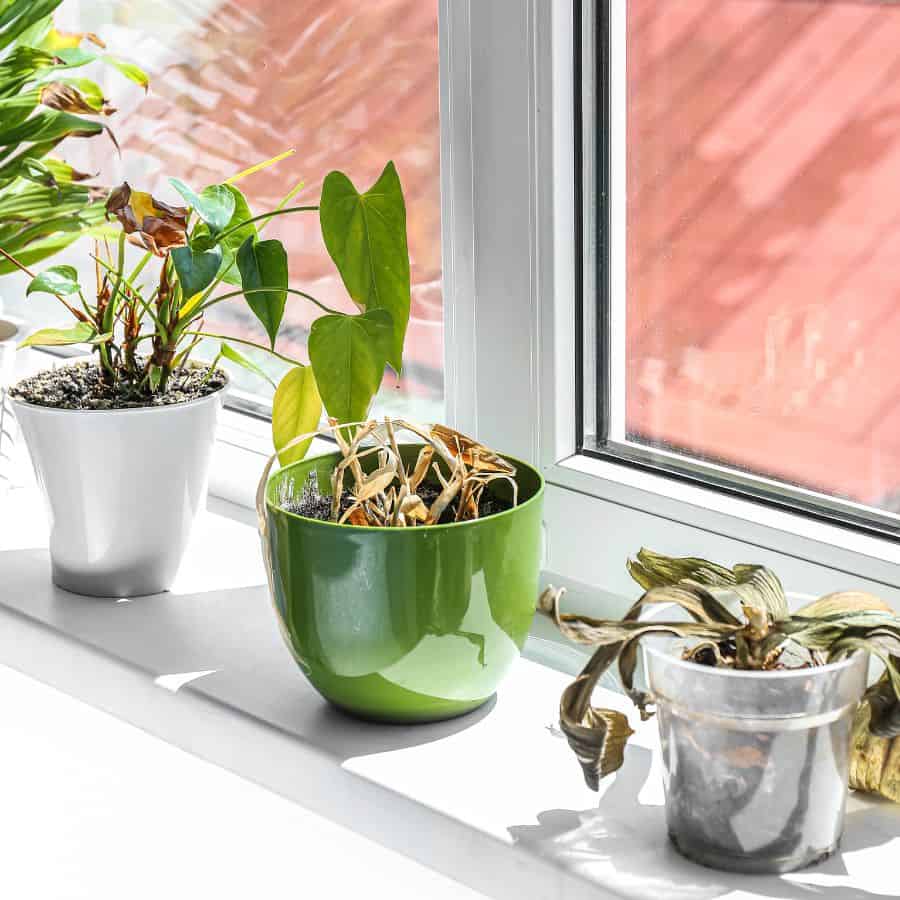
Your Plant Rescue Action Plan
Here’s what to do when your plant shows signs of trouble:
1. Look at the symptoms – Which changes do you see?
2. Check the watering – Both too much and too little water cause many problems
3. Check the light – Too much or too little light creates stress
4. Look for pests – Small bugs can cause big damage
5. Consider fresh soil – Repotting often helps struggling plants
Remember: plants are tougher than you think. Even plants that look mostly dead can often bounce back with the right care.