
That herb you put on roasted potatoes? It has a history that goes way beyond the kitchen.
For thousands of years, people have planted rosemary by their doors for reasons unrelated to cooking. This fragrant shrub was considered a protector and blessing for the home.
Nature’s Guardian: Why Rosemary Earned Its Doorway Status
Picture this: you’re living in medieval Europe. Disease is everywhere, and protection for your family matters most. What do you plant by your door? Rosemary.
This wasn’t just superstition. Rosemary’s strong aromatic oils actually repel mosquitoes and harmful insects, a real benefit before modern medicine. Its antimicrobial properties helped purify the air around entrances where visitors brought germs.
The tradition spread across cultures:
• Egyptians placed it in tombs to ensure eternal life
• Greeks wore it during exams to boost memory (science now confirms this works)
• Romans included it in weddings as a symbol of fidelity
• Medieval Europeans hung it on doors to ward off evil spirits and disease
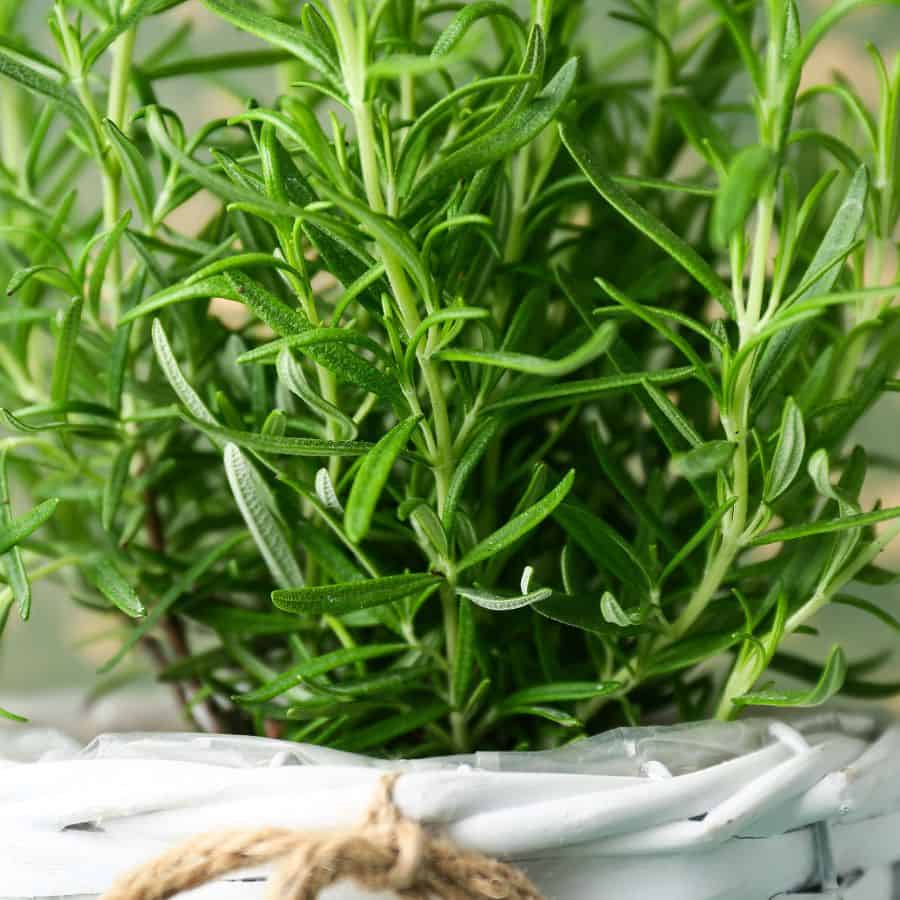
In many European villages, a healthy rosemary by the door wasn’t just decorative. It was considered valuable protection. It promised safety, prosperity, and peace to everyone who crossed the threshold.
The Brain-Boosting Benefits You Might Not Know About
Forget expensive supplements for brain health. What you need might grow right outside your door.
Rosemary contains compounds such as carnosic acid and rosmarinic acid, which support brain function. One study from Northumbria University found that simply inhaling rosemary aroma improved memory by 75% compared to control groups.
Every time you brush past your doorway rosemary, you’re giving your brain a little boost.
What Science Says About Rosemary
Modern research supports what traditional healers have known for centuries. This Mediterranean plant offers real benefits:
• Fights inflammation: Packed with antioxidants that combat chronic inflammation
• Supports immunity: Antimicrobial properties help fend off colds and infections
• Aids digestion: Stimulates bile production for better digestion
• Helps circulation: Supports cardiovascular function
• Reduces stress: Its aroma lowers cortisol levels (your stress hormone)
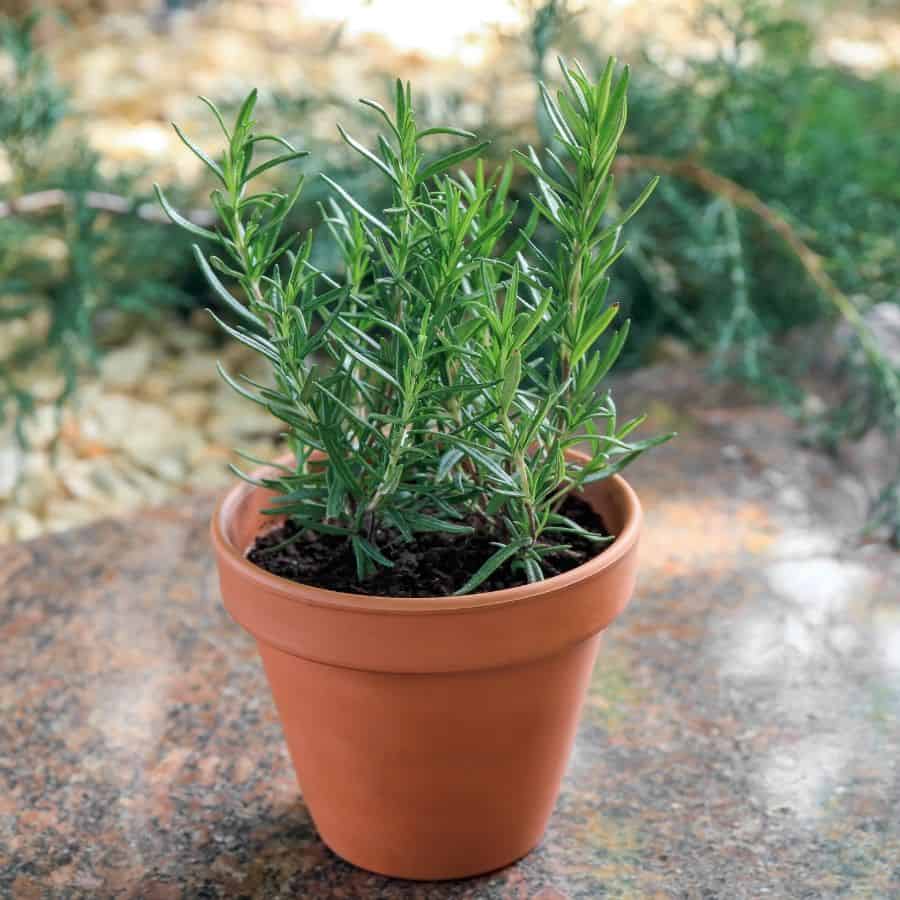
Most people only use rosemary for cooking. But having it by your door means you can snap off a sprig anytime for tea when you feel a cold coming on, or crush a leaf between your fingers when stress hits.
The Easiest Herb to Grow
If you’ve ever killed a houseplant, here’s good news. Rosemary is practically indestructible.
This plant barely needs care. Native to rocky Mediterranean hillsides, it actually prefers being left alone:
• Loves full sun (6-8 hours daily)
• Prefers well-draining, sandy soil
• Needs minimal watering (let it dry between waterings)
• Rarely needs fertilizing
• Can survive drought once established
The difference between new and experienced gardeners is knowing which plants are worth the effort. Rosemary gives you maximum benefits with minimum work.
From Garden to Table
Having rosemary by your door makes cooking easier. Just snip and use.
This herb goes with almost everything:
• Roasted potatoes become restaurant-quality with a few sprigs
• Plain chicken turns into something special
• Homemade bread gets better with rosemary-infused olive oil
• Even chocolate desserts gain depth with a hint of this herb

When people ask what makes your food taste so good, you can say it’s that plant by your door.
5 Creative Uses Beyond Cooking and Medicine
Your doorway rosemary can do more than you think:
1. Natural air freshener: Brush against it when entering for an instant mood lift
2. DIY hair care: Infuse water with rosemary for a growth-stimulating rinse
3. Homemade cleaning spray: Steep in vinegar for a natural disinfectant
4. Aromatic fire starter: Dried stems add a nice scent to fireplaces
5. Holiday decorations: Create wreaths and garlands that smell great
This humble herb does more than most gadgets in your home.
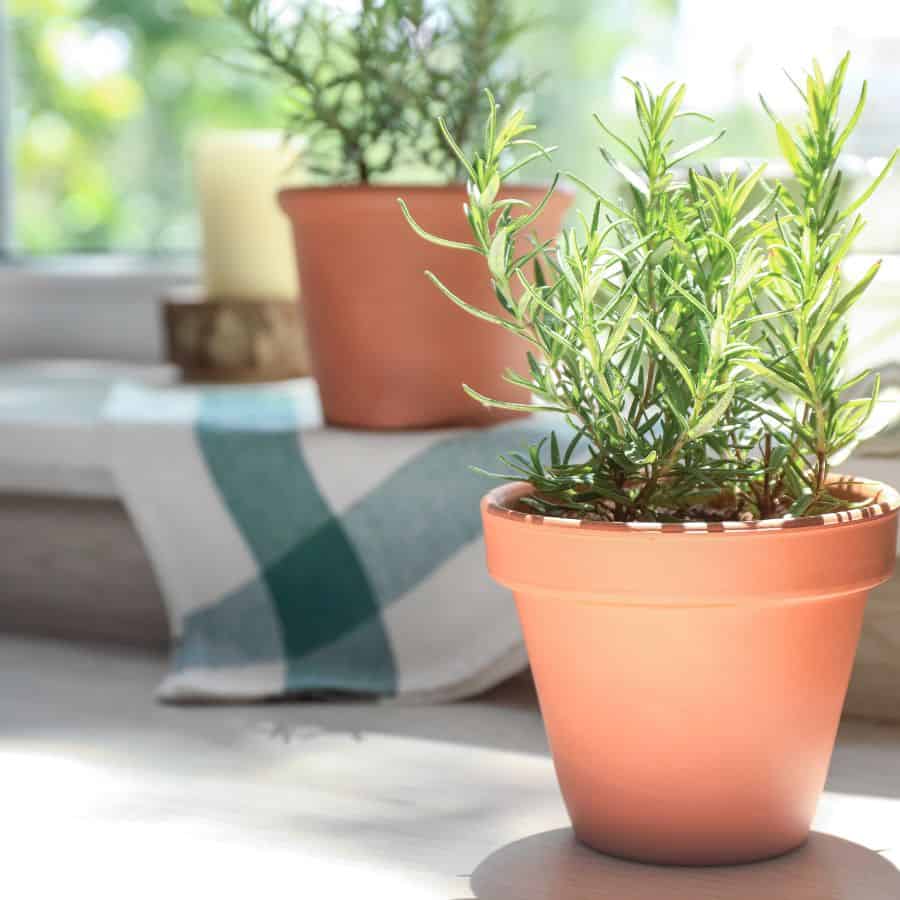
How to Plant Your Rosemary (In 3 Simple Steps)
Ready to add this protective plant to your doorway? Here’s what to do:
1. Choose your spot: Find a sunny location by your door (south or west-facing is ideal)
2. Prepare the soil: Mix regular garden soil with some sand for drainage
3. Plant and water: Set your rosemary slightly higher than the soil line, water thoroughly, then let it dry between waterings
That’s it. In Mediterranean climates, your rosemary will grow year-round. In colder areas, consider planting in a large pot you can move indoors during harsh winters.
The healthiest rosemary plants are often the ones that get left alone. Give it space, sun, and occasional water, and it will reward you with years of service.