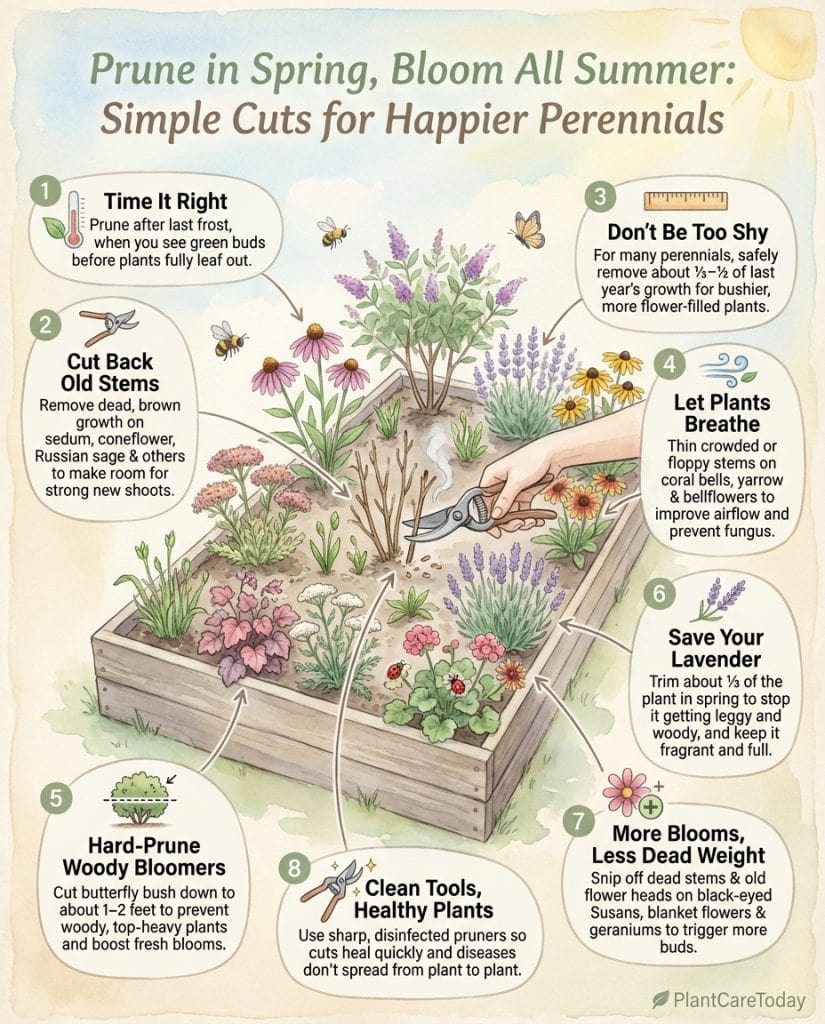
Forget what you’ve heard about pruning being complicated. Your spring garden needs those pruning shears.
That cluster of dead stems and old foliage? It’s hiding perennials just waiting to bloom.
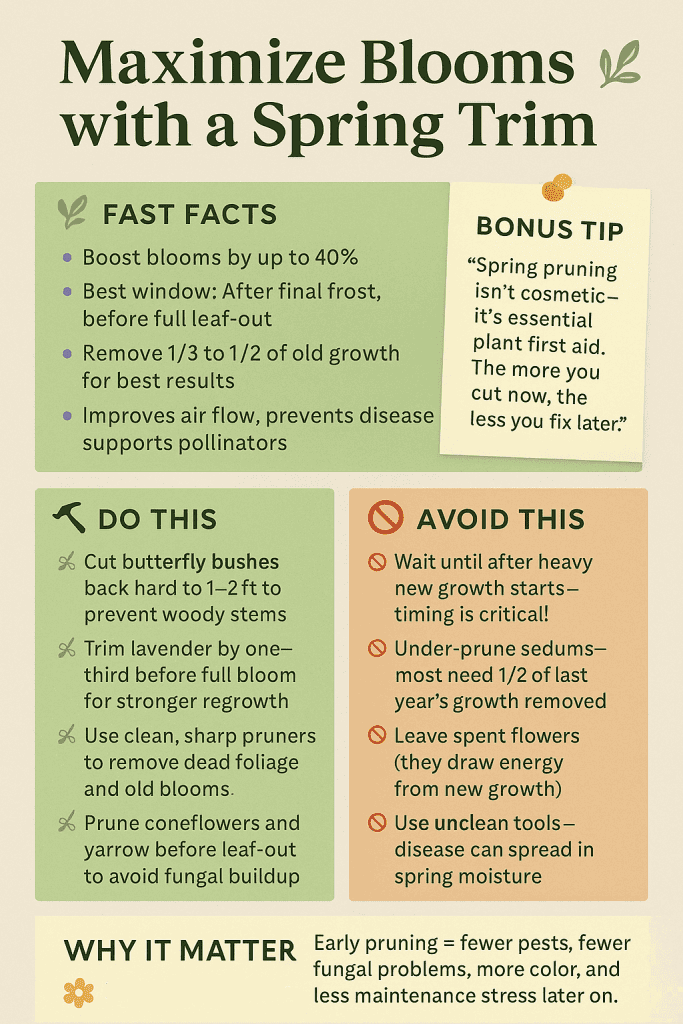
Properly pruned perennials can produce up to 40% more blooms. The real trick is timing, and early spring is the best window for these 11 plants.
Your Pruning Superheroes: Meet the Magnificent 11
1. Sedums: The Fungus Fighters
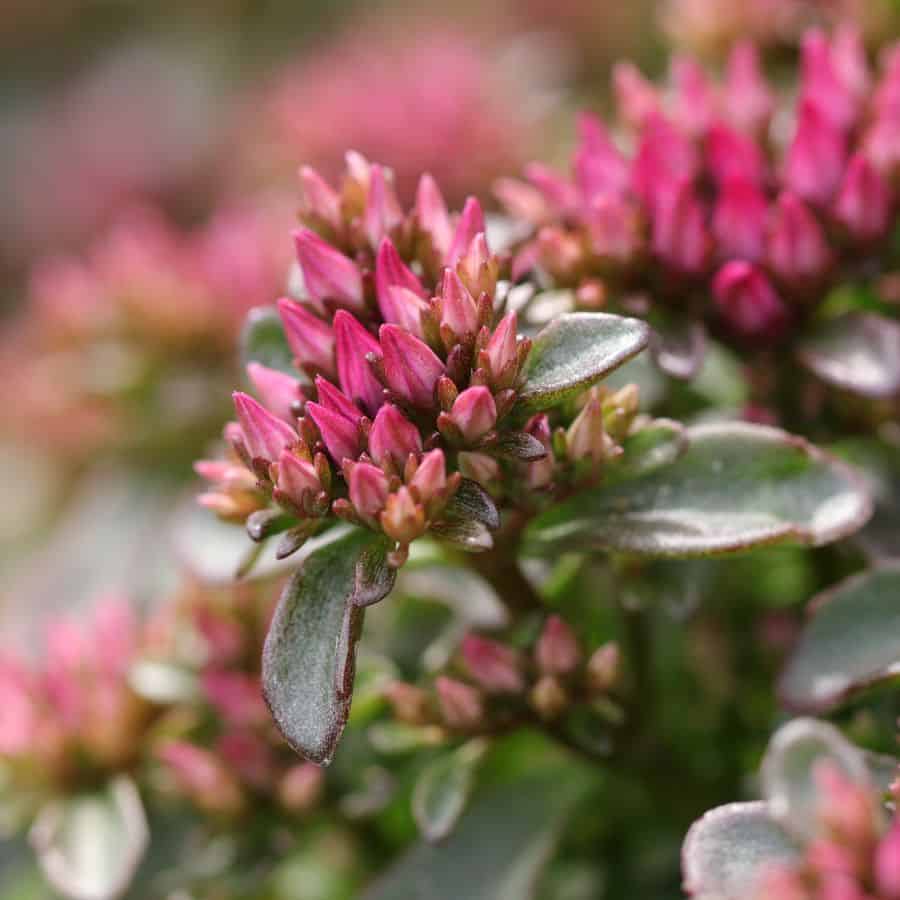
Those purple, blue, red, and green flower clusters aren’t just nice to look at. These succulents can develop airflow problems without spring pruning.
Snip away dead growth now and watch these drought-tolerant plants transform into pollinator magnets.
The mistake most people make? Waiting until they’re already growing, which limits their summer display.
2. Bellflowers: The Adaptable Beauties
These hardy purple, pink, and blue bell-shaped bloomers are the chameleons of your garden. They’ll grow almost anywhere, but they do best with early-spring pruning.
Clear out those weak branches and watch these plants ring in summer with bright color.
3. Black-Eyed Susans: The Rejuvenation Champions
Your Black-Eyed Susans need to be cut back now. These golden favorites become bushier with early spring pruning.
Remove dead foliage and spent flowers to lighten their load. Think of it as getting them ready before the growing season starts.
4. Butterfly Bush: The Pollinator Party Host
The best thing for your butterfly bush isn’t fertilizer. It’s your pruning shears. These nectar-rich magnets for butterflies and ladybugs need serious spring cutbacks.
I’m talking about taking them down to about 1-2 feet tall. This hard cut promotes fresh growth and prevents that woody, top-heavy look nobody wants.
5. Coral Bells: The Airflow Addicts
Those distinct leaves look pretty in your garden, but can create fungal problems without proper pruning.
The difference between new and experienced gardeners is understanding that these plants need space to breathe.
Early spring pruning improves air circulation and prevents those frustrating leaf diseases.
6. Lavender: The Leggy Lounger
I was surprised to learn that more than 60% of lavender plants die early from poor pruning. This fragrant pest-repeller becomes weak and leggy without spring care.
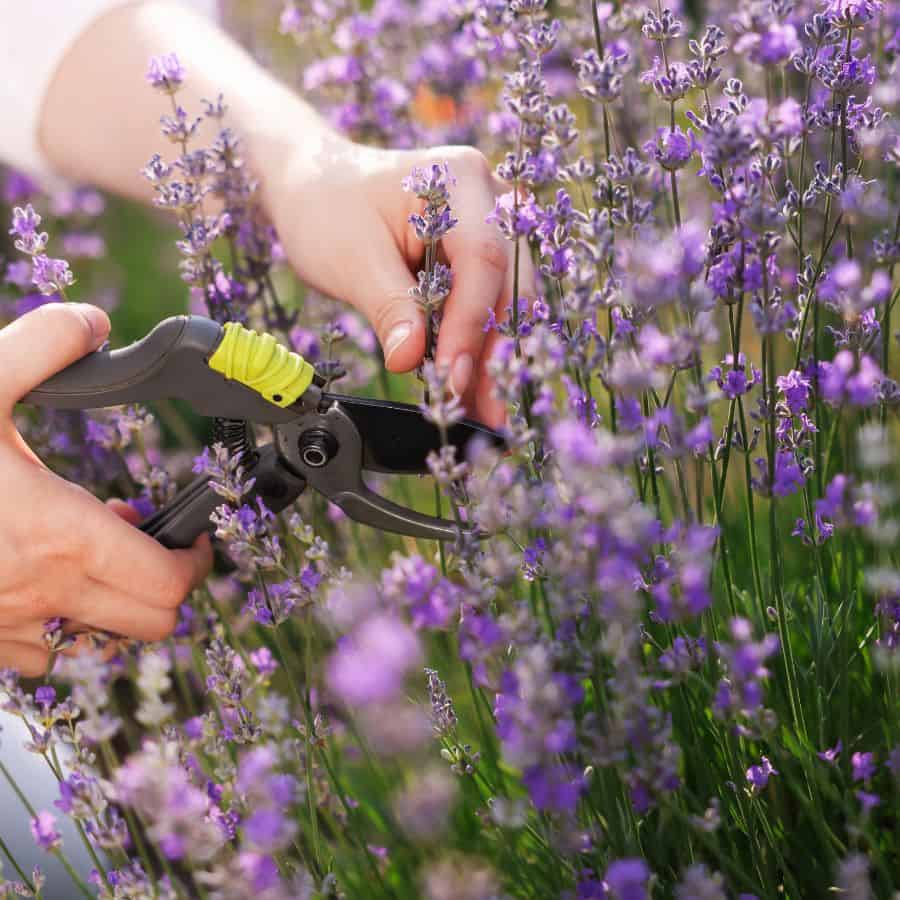
Give it a good third-of-the-plant trimming now, and you’ll save it from the woody fate of so many neglected lavenders. Your summer dishes (and nose) will thank you.
7. Coneflowers: The Pressure Relievers
Those distinctive cone centers need your help now. Cut back dead growth in early spring, and you’ll lift the weight of winter right off these bloomers.
Think of it as clearing their runway for a strong summer performance.
8. Russian Sage: The Drought Warrior
Don’t let those lavender lookalikes fool you. Russian sage is the tough guy of your garden, tolerating conditions that would make other perennials struggle. But even tough guys need haircuts.
Cut back dead wood now to prevent leggy, weak growth and help those blue-purple spikes that make summer gardens pop.
9. Blanket Flowers: The Dead Weight Ditchers
Last year’s growth is holding back these colorful blooms. Spring pruning is like setting them free.
Snip away all that dead weight, and watch them reward you with a blanket of bright color in your summer landscape.
10. Yarrows: The Underrated Superstars
Yarrows deserve more attention. These hardy, densely growing perennials need your pruning care now. Their compact growth can become a breeding ground for fungi without help.
A good spring trim improves air circulation and prevents disease, letting these often-overlooked plants finally shine.
11. Geraniums: The Versatile Crowd-Pleasers
Garden geraniums play well with everything, and here’s the thing: they respond really well to pruning. The more you cut, the denser they grow.
Remove spent flowers, dead stems, and tired leaves in early spring for uniform, tidy plants that will burst with summer color. Think of it as training an athlete for peak performance; every snip builds strength.
Your Spring Pruning Power Plan
Ready to give your garden an upgrade?
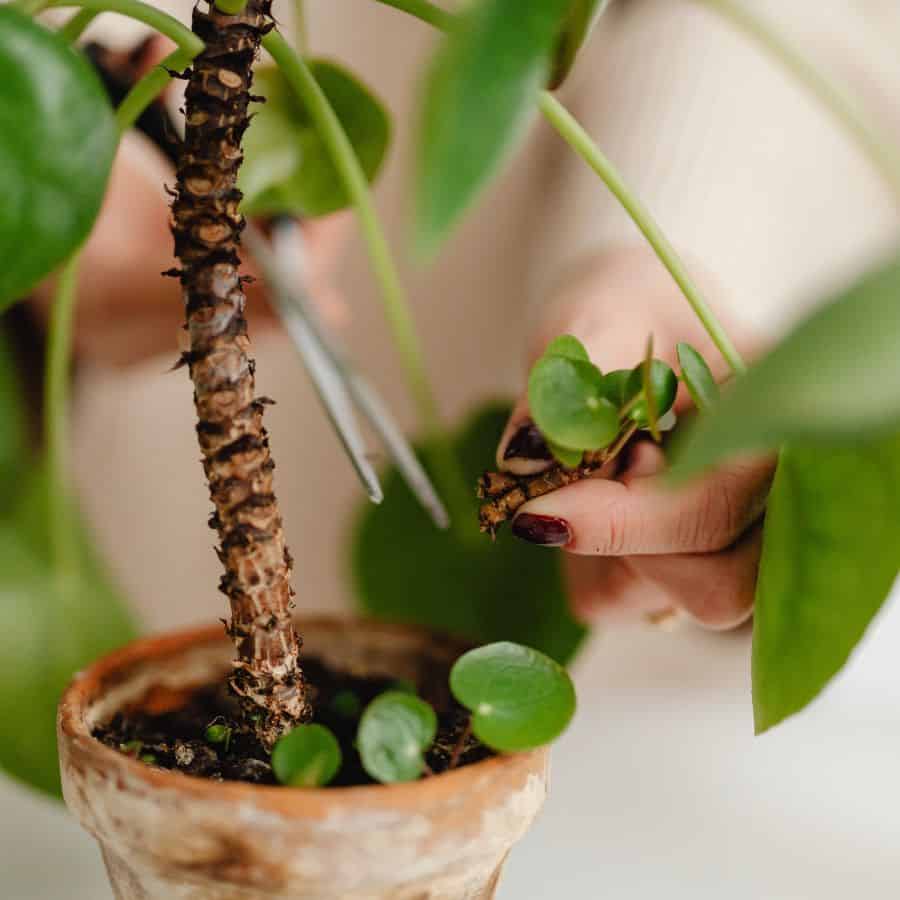
Here’s your three-step plan:
• Timing matters: Prune after the last frost but before significant new growth appears, usually when you can see green buds forming but before they fully leaf out.
• Use good tools: Use clean, sharp pruners to prevent disease spread and make clean cuts that heal quickly.
• Don’t be timid: Most gardeners under-prune out of fear. For most perennials on this list, removing 1/3 to 1/2 of old growth is the sweet spot for reviving tired plants.
Spring pruning isn’t just about tidiness. It’s about airflow, disease prevention, and redirecting your plant’s energy where it matters most. Your scissors really do work wonders when used at the right time.
So grab those pruners and start snipping. Your summer garden’s transformation is just a few cuts away.
As one experienced gardener told me, “Spring pruning is the difference between a garden that merely grows and one that truly flourishes.“