
Forget what you’ve heard about spring being the only time for plant propagation. September and October are actually great months to divide your indoor plants.
Your houseplants have been growing all summer, building strong root systems that are now ready for division.
Why let them get crowded when you could be doubling your collection for free?
Why Fall Division Works So Well
Most people wait until spring to divide their houseplants. But the fall division has real advantages. Your plants are naturally slowing down but not dormant yet, which makes it easier on them.
Plants divided in early fall have 4-6 weeks to settle in before winter. They get comfortable in their new pots while they still have some growing energy left.
- Stronger root systems after summer’s growth
- Less water stress thanks to cooler temperatures
- Recovery time before winter dormancy begins
- Lower shock factor than dividing during active growth
I was surprised to learn that plants divided in the fall often do better than those divided in the spring. They seem to appreciate the extra space right before their winter rest.
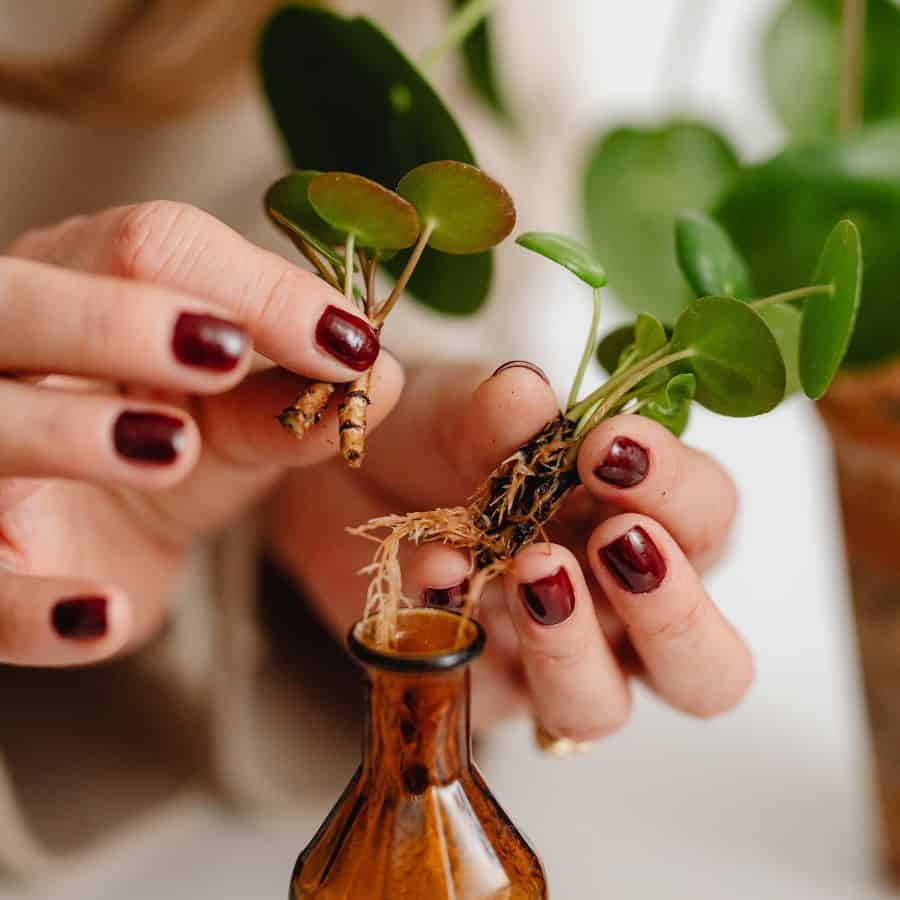
Signs Your Plant Needs Division
Your plant will show clear signs when it’s outgrown its pot. These are the main things to watch for:
- Roots circling the pot’s edge or poking through drainage holes
- Growth has stalled despite proper care
- Wilting or yellowing leaves, even with regular watering
- Multiple crowns or shootsare forming in the pot
- Once-flowering plants have stopped producing blooms
If you spot even one of these signs, your plant is ready for division.
How to Divide Your Plants: Step-by-Step
The difference between new and experienced plant parents is knowing when and how to divide. Here’s the basic process:
- Pre-water: Water thoroughly 24 hours before dividing to reduce stress
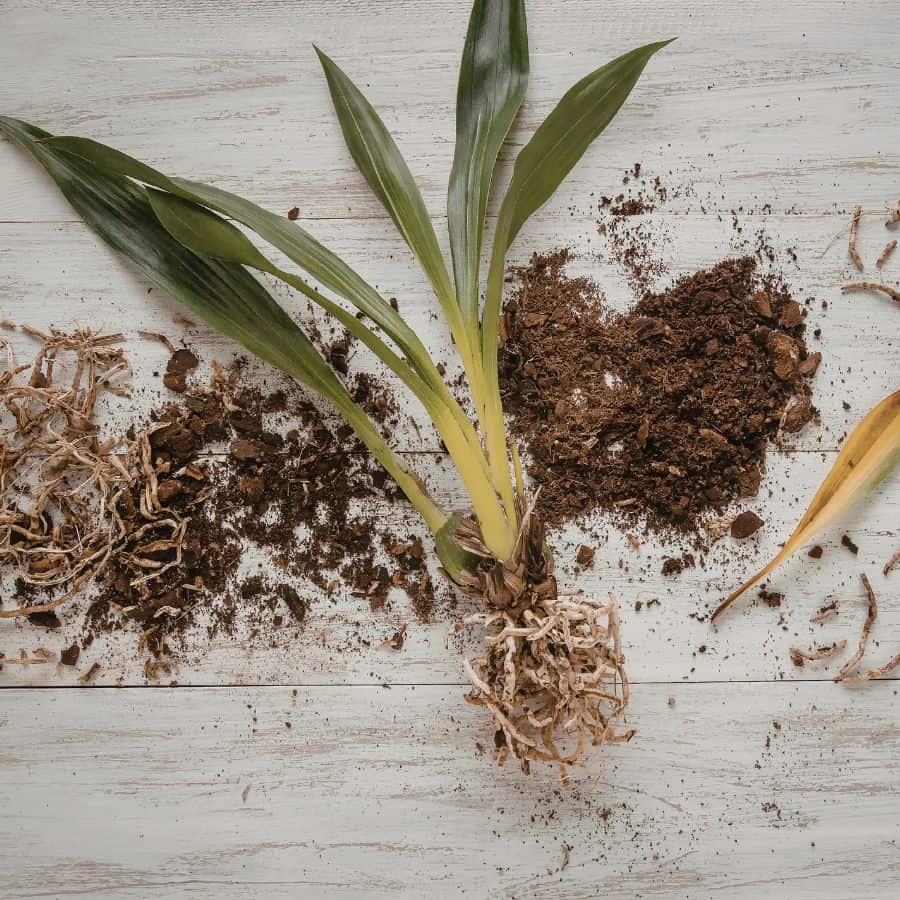
- Remove from pot: Gently tip the pot sideways and ease the plant out
- Loosen roots: Shake off excess soil and gently loosen the root ball with your fingers
- Make the split: Divide at natural separation points using clean hands or a sharp knife
- Repot: Plant each division in fresh potting mix at the same depth as before
- Water in: Water thoroughly and mist leaves to help everything settle
One tip: clean cuts heal better than tears. Use a sharp knife when needed, rather than forcing roots apart.
12 Indoor Plants That Do Great When Divided in Fall
Not all houseplants love being divided, but these varieties actually do better after a fall division. They respond with strong new growth.
1. Spider Plant: The Easy Multiplier
Spider plants divide easily. Simply separate those baby offshoots and watch your collection grow. Each new division also helps clean your home’s air.
2. Peace Lily: From One Plant to Many
When peace lilies get crowded, they produce fewer flowers. Division brings them back to life. Gently split the clumps, making sure each section has 2-3 leaves and roots. Keep them out of direct sunlight while they recover.
3. Snake Plant: Nearly Indestructible
Snake plants are perfect for first-time dividers. Cut the rhizomes with a sharp knife, making sure each section has both roots and leaves. They’re hardy enough that division barely slows them down.
4. ZZ Plant: Slow and Steady
ZZ plants develop underground rhizomes that can be separated to create new plants. They grow slowly but reliably. Dividing every 3-4 years is plenty for these low-maintenance plants.
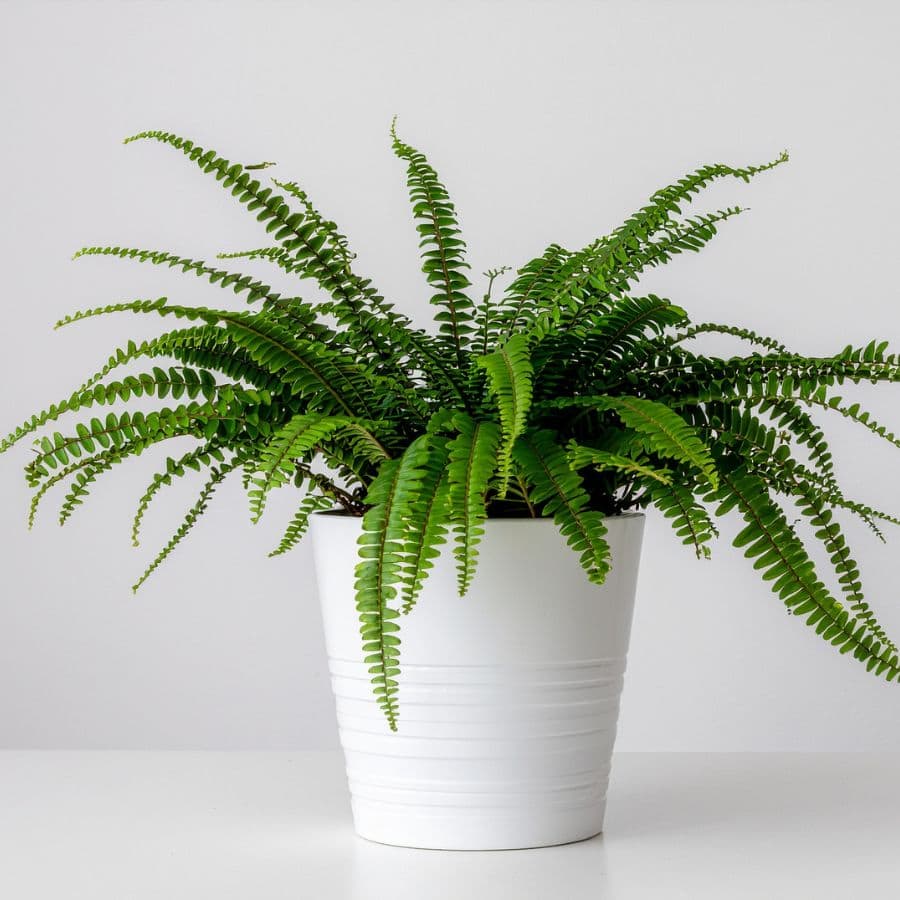
5. Boston Fern: Gets Fuller After Division
Ferns become lush and full after division. Split the root ball into quarters, making sure each section has fronds. The real trick? High humidity during recovery. Mist these plants daily for the first two weeks.
6. Pothos: Easy to Multiply
Pothos can be divided and propagated from cuttings. Separate the root mass into smaller chunks, replant, and watch them grow. These plants are eager growers and bounce back quickly.
7. Prayer Plants (Calathea/Maranta): Beautiful Dividers
These tropical plants with their patterned leaves form multiple crowns over time. Gently pull them apart for division, keeping humidity high during recovery. Their leaves still fold up at night even after division.
8. Anthurium: More Blooms After Division
Division actually encourages more of those waxy flowers, anthuriums are known for. Separate the crowns with a sharp knife and replant in fresh soil. These tropical plants will reward you with blooms year-round.
9. Clumping Philodendrons: Big Impact Plants
Large philodendrons like the Selloum develop multiple growth points, making them ideal for division. Each new plant will eventually grow into a nice statement piece.
10. Elephant Ear Plants (Alocasia/Colocasia): Dramatic Foliage
These plants grow from tubers that multiply underground. Division creates more plants and encourages larger leaves in the following season.
11. Chinese Evergreen (Aglaonema): Simple Division
These hardy plants form natural clumps over time. Separation keeps their growth balanced and prevents them from becoming pot-bound. Their colorful foliage makes each division a nice addition to your collection.
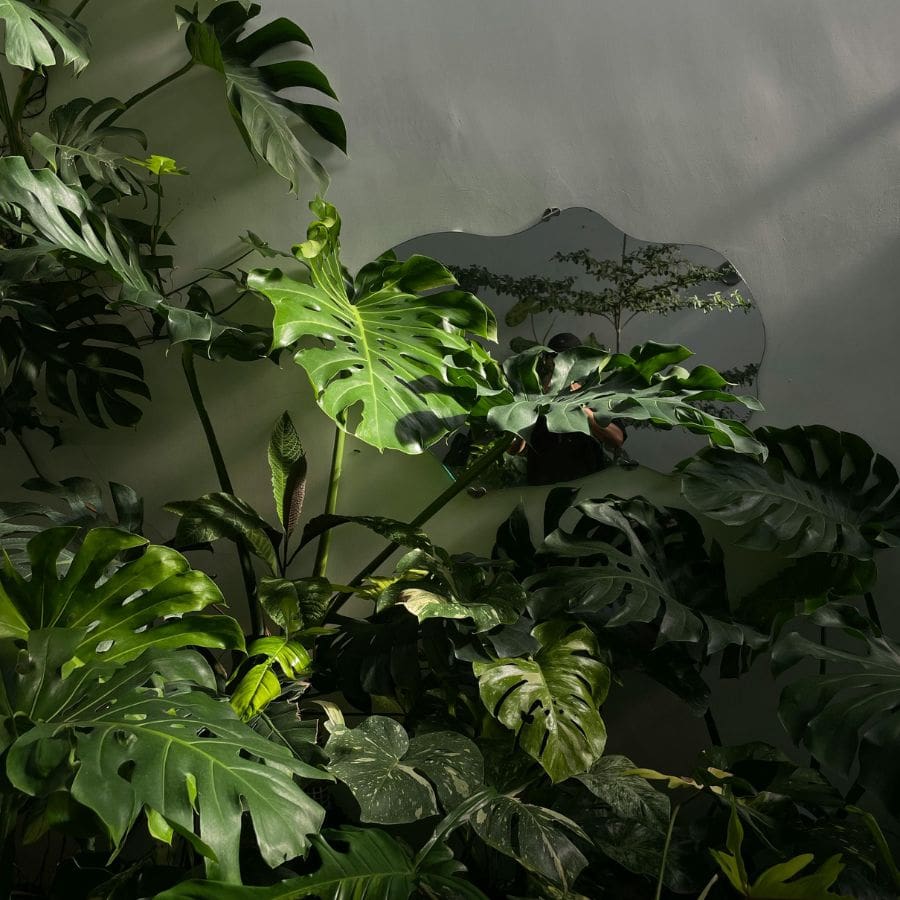
12. Monstera: Popular and Easy
Large monstera plants often develop multiple stems that can be carefully separated. Each division quickly develops those split leaves everyone loves. A mature monstera division can be worth $50-100.
Caring for Plants After Division
The first month after division matters most. Your newly divided plants need some extra care:
- Water wisely: Keep soil slightly moist but never soggy
- Light matters: Bright indirect light only, no harsh sun
- Humidity helps: Mist humidity-loving varieties daily
- Skip fertilizer: Wait 4-6 weeks before feeding
- Watch closely: Some leaf yellowing is normal, but excessive wilting needs attention
Within 2-3 months, your divided plants will bounce back, often looking better than before.
What to Do With Your New Plants
Your newly divided plants give you lots of options:
- Create themed plant groupings (a tropical corner, an air-purifier collection)
- Gift divisions to friends
- Start a plant-swapping circle with other enthusiasts
- Sell rare divisions online
- Fill empty spaces in your home with free plants
One healthy, mature plant can often become 3-5 new plants. That’s a pretty good return on your original investment.