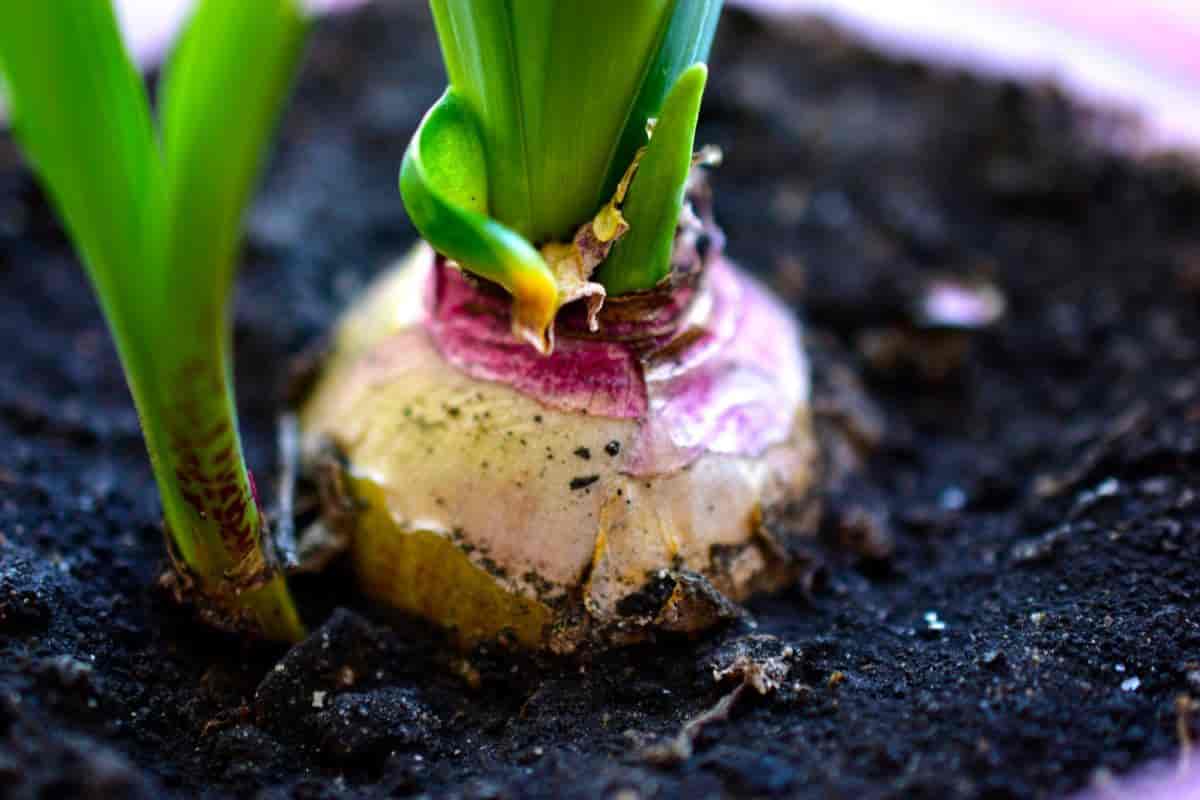
How To Have Continuing Bloom With The Colorful Bulbs of Summer
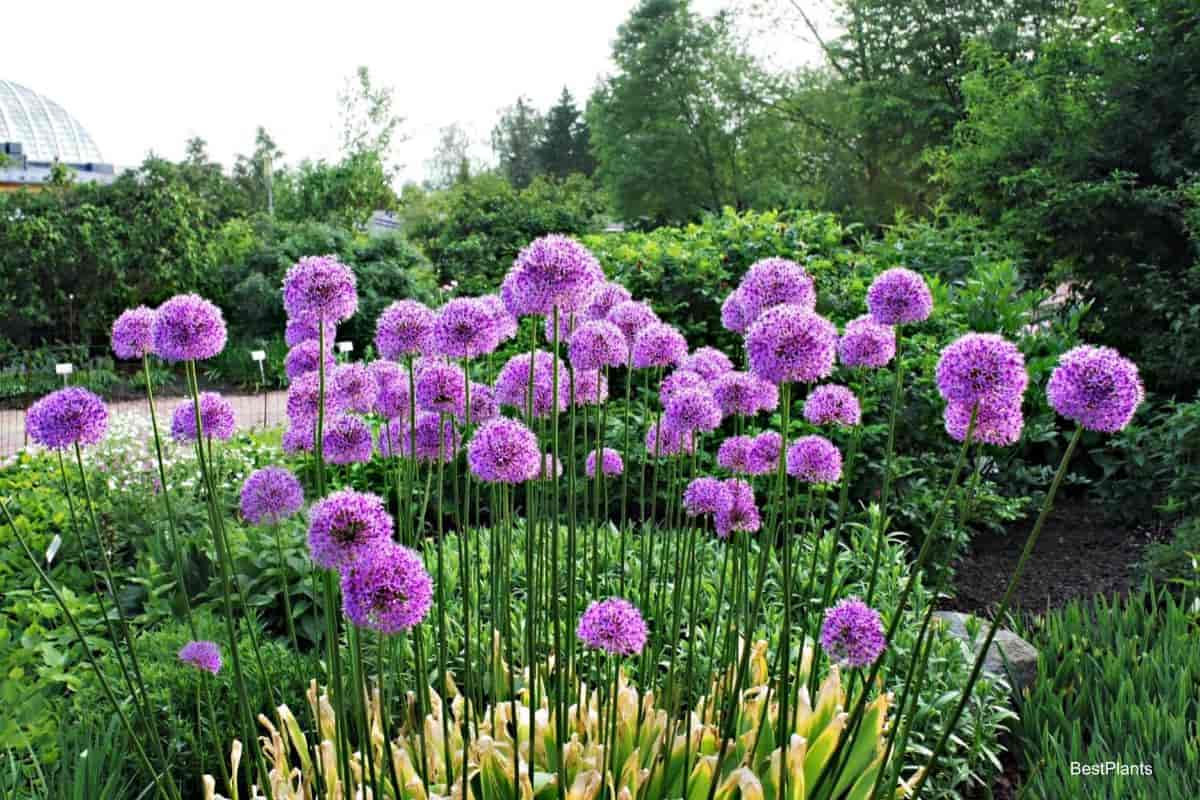
Colorful Bulbs in Full Bloom

Midseason color in the garden may be amply provided from a storehouse of plants that are too seldom used. These are the ones that arise from bulbs or tubers. We are accustomed to the brilliant displays of tulips and narcissus in early spring. If we like, we can have continuing colors from bulbs through the … Read more

February Pointers: Northern Plant and Garden To Do’s

Midwinter is a favorable time to repot house plants. But do not move the plants to larger pots unless their roots are so crowded that they really need more room. Often it is possible to merely top-dress the plants. To do this, scrape away as much as possible of the surface soil without injuring the … Read more

January Pointers: Northern Plant and Garden To Do’s

January

We are already looking ahead to spring. Former disappointments are forgotten, and they should be, except insofar as they keep us from repeating the same mistakes. Soon, the flower catalogs will be arriving.  Although we know very well that we won’t grow all the intriguing things they offer, nor really believe all the glowing descriptions, … Read more

Forcing Bulbs Indoors: Tips On How To Force Flower Bulbs

Question: I want to know about – how to force bulbs indoors. Recently, I inherited my grandmother’s bulb forcing containers and vases. I remember her forcing bulbs of grape-hyacinth, daffodils, tulips, crocuses, and amaryllis indoors every Christmas.  Unfortunately, my grandmother never shared her bulb forcing secrets. I would like to get an early splash of spring. … Read more

December Pointers: Northern Plant and Garden To Do’s

month of December text

Mulching Be sure plants are completely dormant and the soil frozen to a depth of at least 2″ inches before applying mulches. Wind and sun do more harm than cold. Screen your evergreens wherever practical, especially your flowering kinds: Camellia Azalea Rhododendron Remember also that good drainage in the soil is the most essential item … Read more

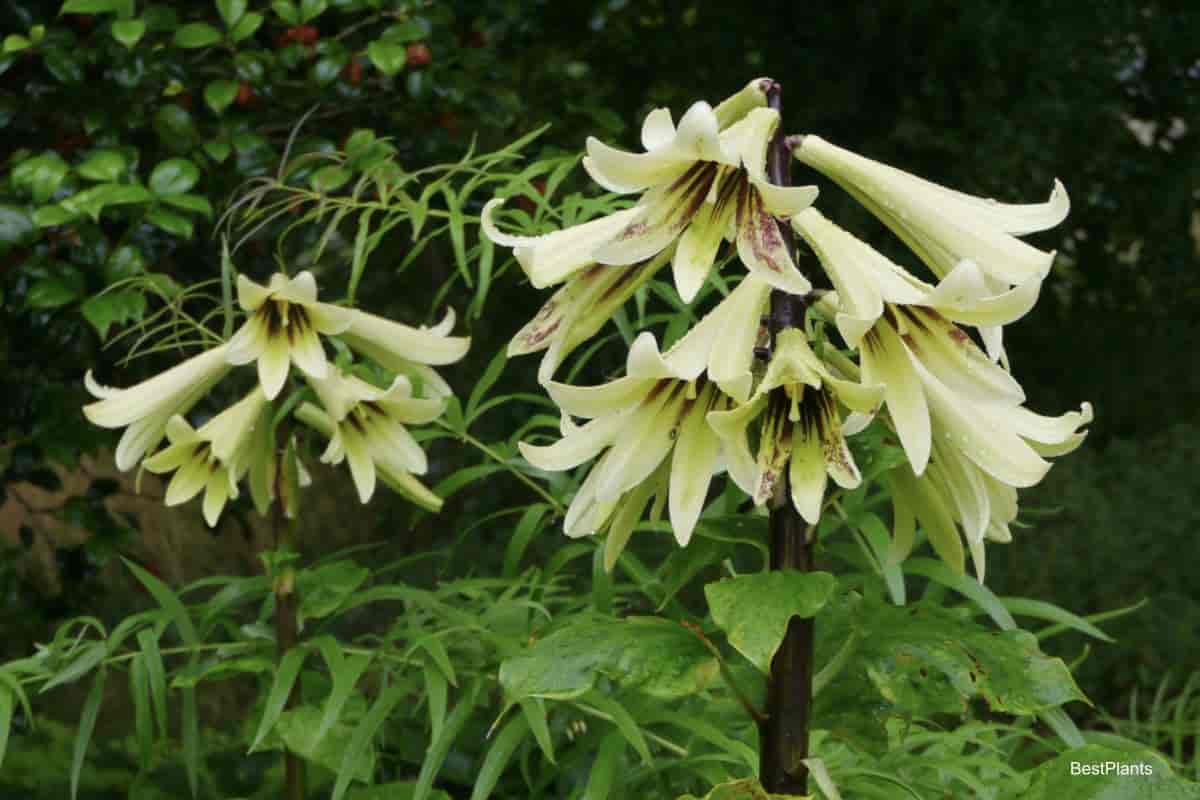
Cardiocrinum Giganteum Care: How To Grow The Giant Lily

Flowering Cardiocrinum Giganteum

Cardiocrinum giganteum is one of the largest and most spectacular of all lilies. It grows to 10’ feet or more and bears as many as 20 to 30 blooms to the stem. The flowers are semi-pendulous trumpets, about 8” inches long, white with purplish-red striping inside.  The large glossy leaves average about 15” inches across. … Read more

November Pointers: West Coast Plant and Garden To Do’s

November pumpkins

Tulips If you bought tulip bulbs early in the season and placed them on the bottom shelf of the refrigerator (not the freezing compartment), they are ready to plant now. Two to three weeks of chilling helps to give larger, longer-stemmed flowers. There is still time to buy tulip bulbs and refrigerate them properly before … Read more

November Pointers: Midwest Plant and Garden To Do’s

November pumpkins

Get Ready for Winter By November first, either we’ve had “it,” or we are waiting for “it.” “It,” of course, is the first hard freeze. One fact we do know – we never escape November without a freeze. If delayed, it is usually harder than if it comes early. Now is an excellent time to … Read more

October Pointers: West Coast Plant and Garden To Do’s

October

Autumn color Sometimes, trees in the Southwest lack fall color, but this is only true where no provision is made in the garden for plants with bright autumn hues. Sweet gum, Liquidambar styraciflua, is a blaze of color every year. Leaves turn a mottled red-yellow, and orange color that puts a maple to shame. Ginkgo, … Read more

October Pointers: Midwest Plant and Garden To Do’s

October

Fall Lawns This is a good time to kill next year’s crop of common chickweed, Poa annua, and crabgrass. First, apply a pre-emergence crabgrass control after October 15. This will kill tiny seedlings of winter annuals like Poa annua and common chickweed (now germinating), and next spring will work equally well on crabgrass. Fall-seeded lawns … Read more