Become a Breeder: How to Hybridize Your Own Irises

Hybridize Iris

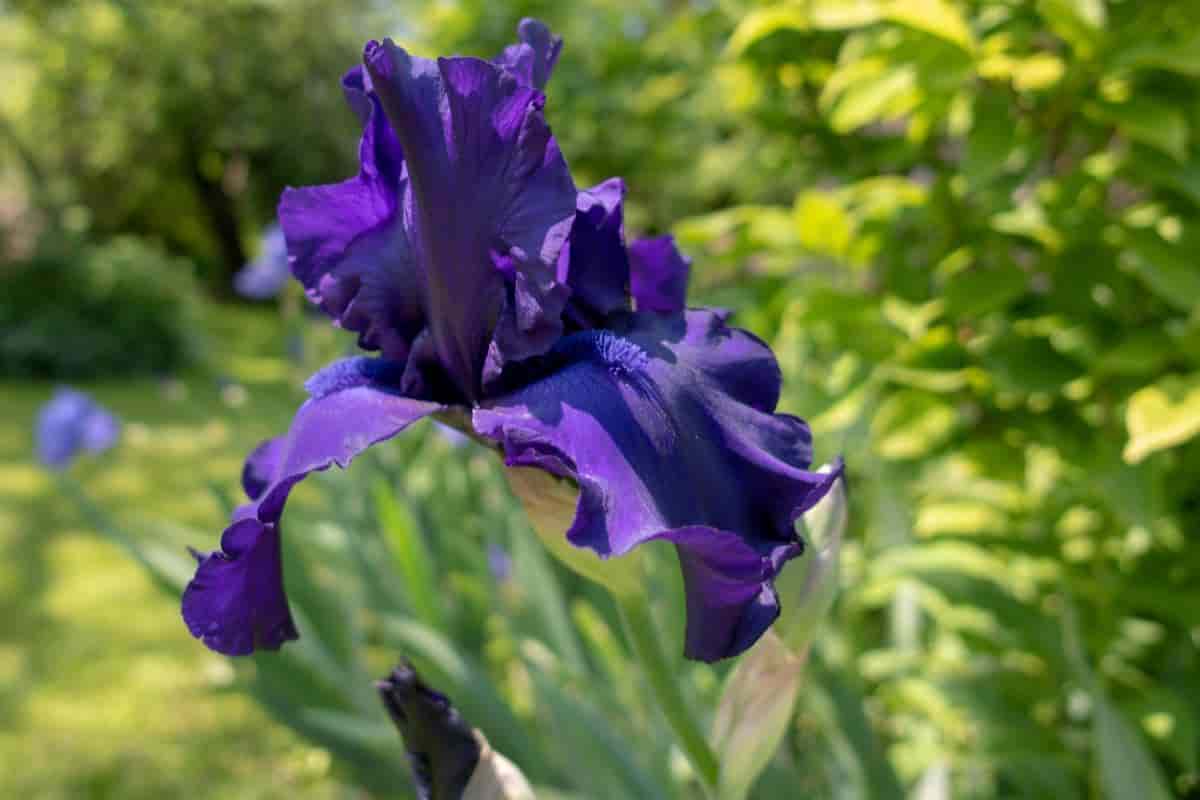
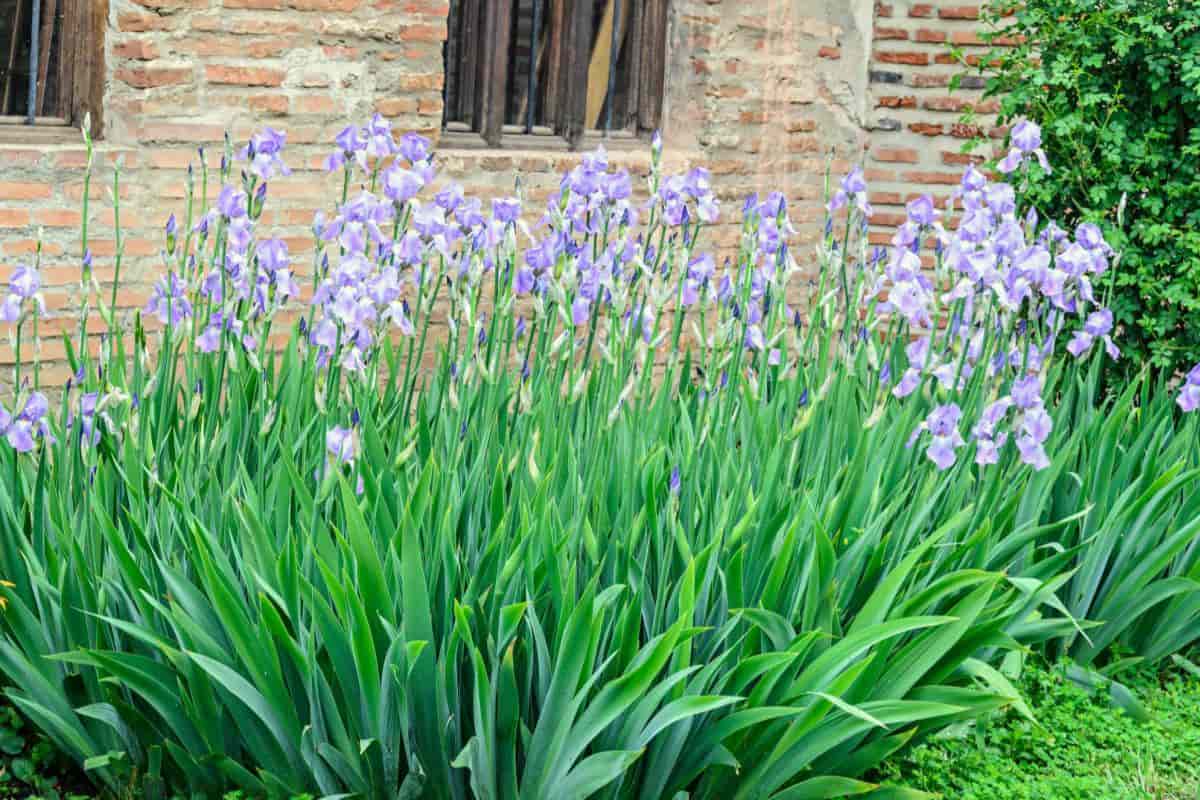
Fred W. Cassebeer, a well-known iris hybridizer, shares what to select for in your breeding and how to make the cross. If the average gardener were suddenly asked, “What does a hybridizer do?”  He might think first of the development of the fuzzless peach or, perhaps, the plum tomato, but he would probably be at … Read more

Pest Alert: Keep Your Garden Safe from the Iris Borer
Iris Borer

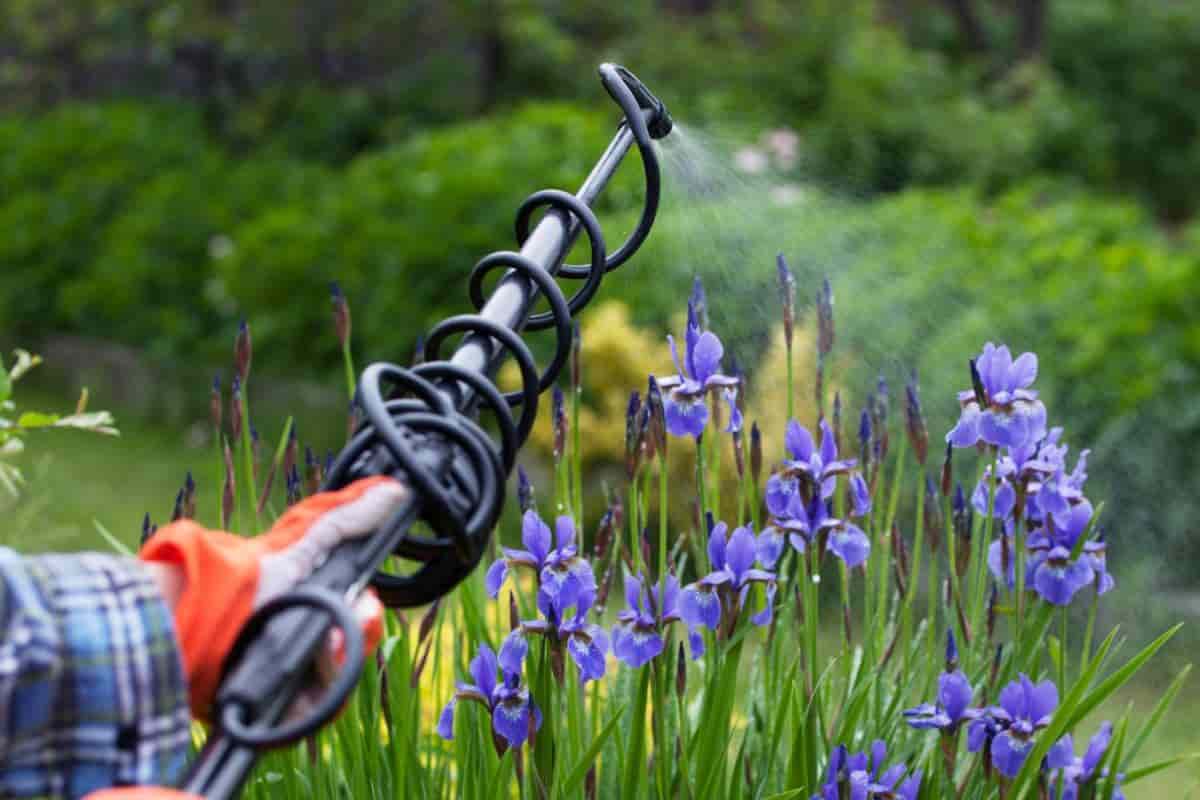
Wherever iris are found there, the iris borer prospers.  An annoying pest considered repulsive by iris fanciers, the adult moth is a drab violet brown with black markings, while the borer at first is slender and pale pink.  As it progresses down the leaf blade and into the rhizome, it becomes fat and darker. How … Read more
Exotic Beauty: Meet the Aril Iris

Aril iris

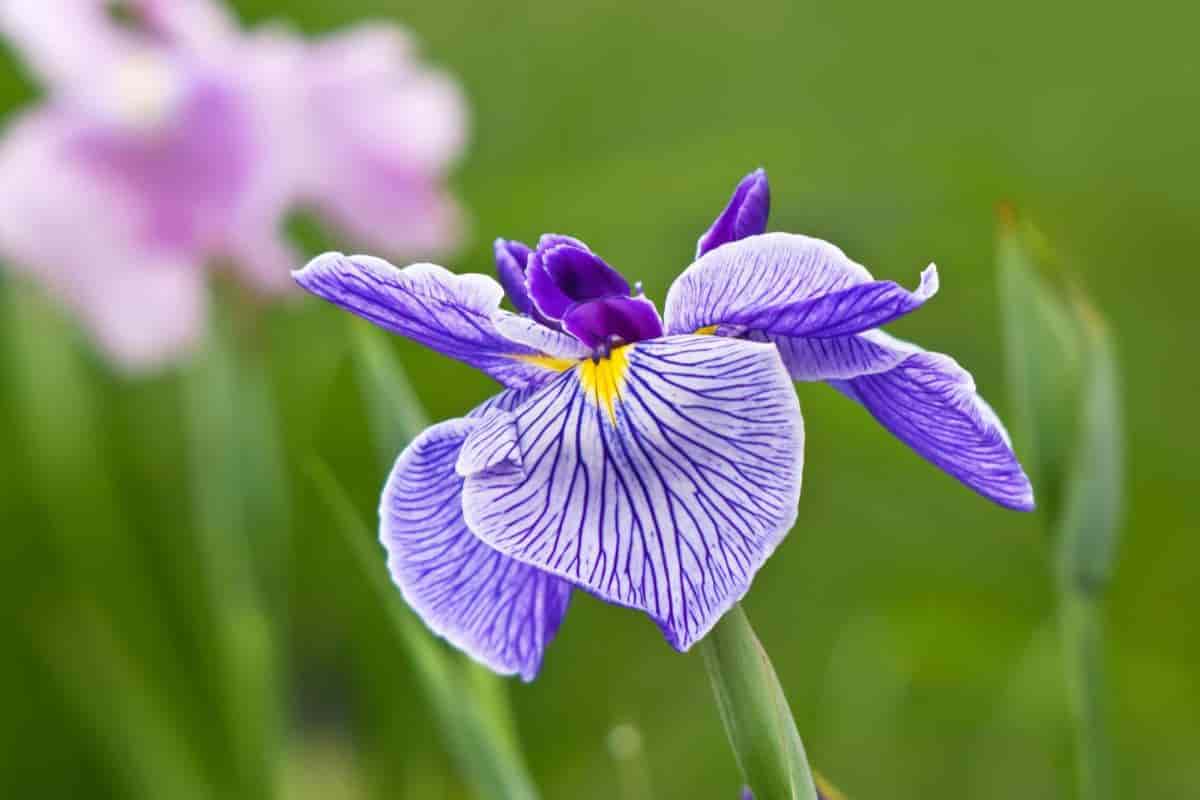
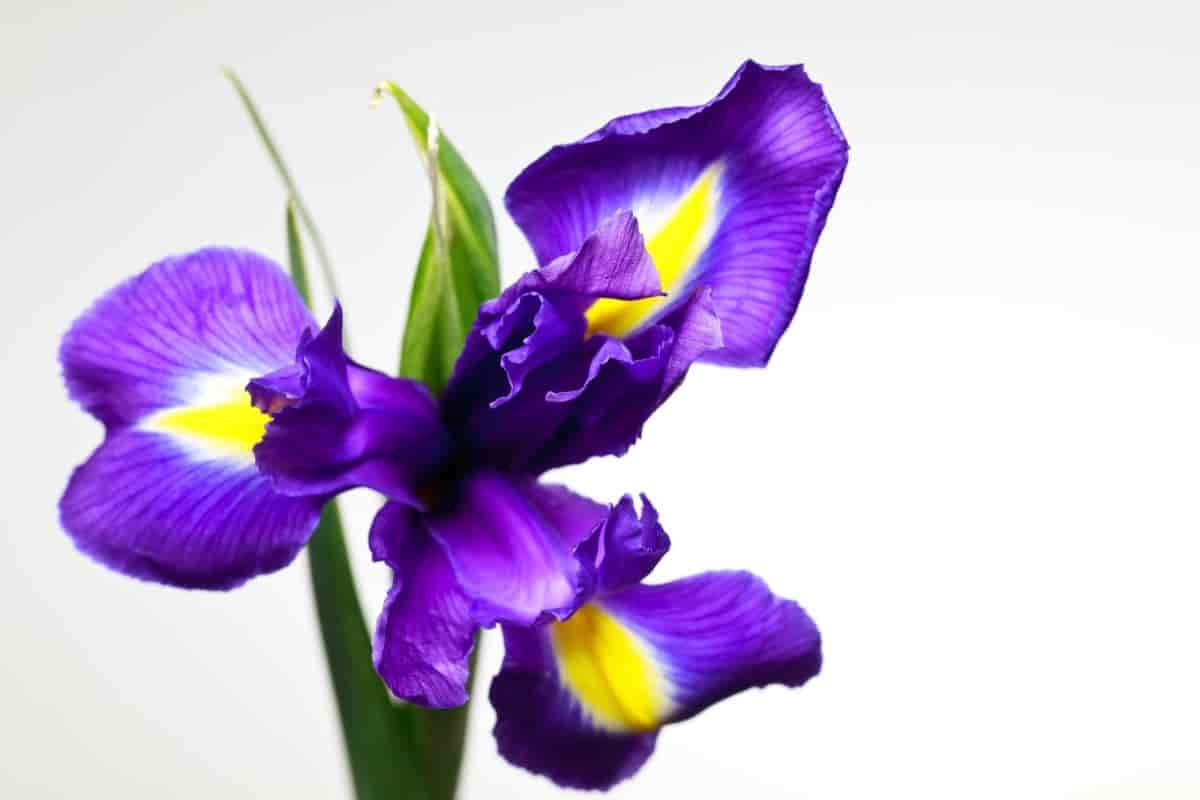
They’ll bring to your garden the enchantment of exotic storybook lands of the Far East. As the iris season nears its peak, our 11-iris garden, Shangri-La, near Kent, Washington, in the foothills of the mighty Cascade range, is in its full glory.  On clear days Mt. Rainier looks close enough to reach out and touch.  … Read more

Thriving in the Desert: Growing Irises in Dry Arizona

Iris Lover

No true gardener will let a dry climate and concrete-like soil stymie him.  Take the case of the P. H. Sanfords who moved, some years ago, to Tucson, Arizona, where the soil is as near like concrete as any substance I know.  It is called caliche, and practically nothing but cactus will grow in it. … Read more

The Envy of the Neighborhood: How to Grow the Best Irises in Town

Grow Best Iris

Not so long ago, every note on the cultivation of tall bearded irises insisted that three things were necessary to grow them successfully, and one thing should be avoided.  The three “essentials” of growing irises were a sunny position, sharp drainage, and lime. Are these golden rules true today? Only partially. It is quite true … Read more

Designing for Beauty: A Garden Dedicated to Irises

Iris Garden

In the last decade or so, gardeners have made the tall bearded iris one of the most spectacular plants in the garden.  Out of stocky kinds with small, dull blooms, they’ve evolved large, sumptuous, long-stemmed hybrids, well-branched, floriferous, and glorious in the landscape.  They’ve also prolonged the tall bearded season. Iris time can last from … Read more

The Total Package: Bearded Iris, the Flower that Has Everything

Bearded Iris

There is no universal rule to apply in growing tall bearded irises. One must take into consideration the type of garden, the soil, the climate, and the incidence of disease in the area. Planting Irises Iris grows well if planted alone in rows or in a designed bed. When growing in a mixed bed, do … Read more

Picture Perfect: Landscaping with Irises

Iris Landscape

Color range and long flowering make irises one of the American gardens’ most important landscape materials. In most parts of the country, a wise selection of growing iris will give continuous bloom from mid-March through October.  The earliest species, planted in drifts in sheltered, well-fed, well-drained nooks, provide a delightful spring picture. Earliest Iris Species … Read more

The Perfect Pick: A Guide to Choosing the Best Irises

Choosing Iris

Choosing the right iris varieties of an unfamiliar flower can be as much of a riddle for the experienced gardener as for the beginner.  Happily, so far as the spectacular tall bearded iris is concerned, the annual symposium of the 100 favorite iris constitutes an excellent guide for the would-be grower. This popularity poll is … Read more

A Sea of Blue: Create a Spectacular Garden with Japanese Irises

Blue Japanese Iris

Japanese irises possess a bold beauty unmatched by any other herbaceous perennial, yet for years they have been overlooked by many gardeners.  This neglect is caused by confusion about the names of varieties and misconceptions about the cultural requirements of the species. Developing And Perfecting Irises For more than 150 years, Japanese gardeners have been … Read more