How To Grow A Thriving Good Old Gaillardia

Blooming Gaillardia

Gaillardia must surely be the most agreeable, easy-to-have the plant in cultivation. Like Topsy, it “just grows.”  It thrives and faithfully produces bushels of flowers in the severest drougth when all the “sissy” flowers – yea, even weeds – dry up and blow away. Then it does even better when the rains come. Features Of … Read more

What Perennials To Plant In The Fall In The Mid-South
perennials plant

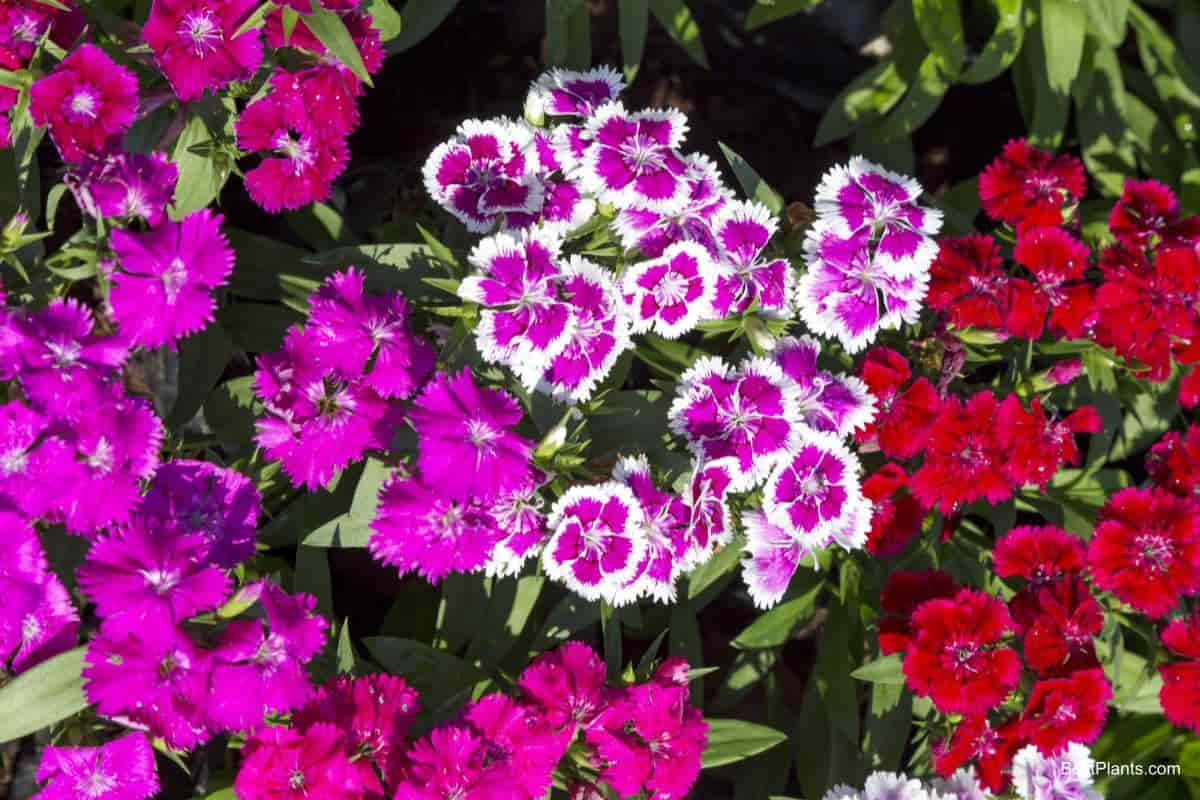
It’s time to think of perennials, to brighten next year’s garden. Stokesia, blooming frilly sky blue daisies in May and June, is not only easily grown, but lovely and dependable. Veronicas in shades of dark and lighter blue bloom in spikes from May until frost. The older veronica, ‘Blue Spire,’ has royal blue blooms and … Read more
How To Grow and Care For Blue Plumbago Plants

Growing Plumbago

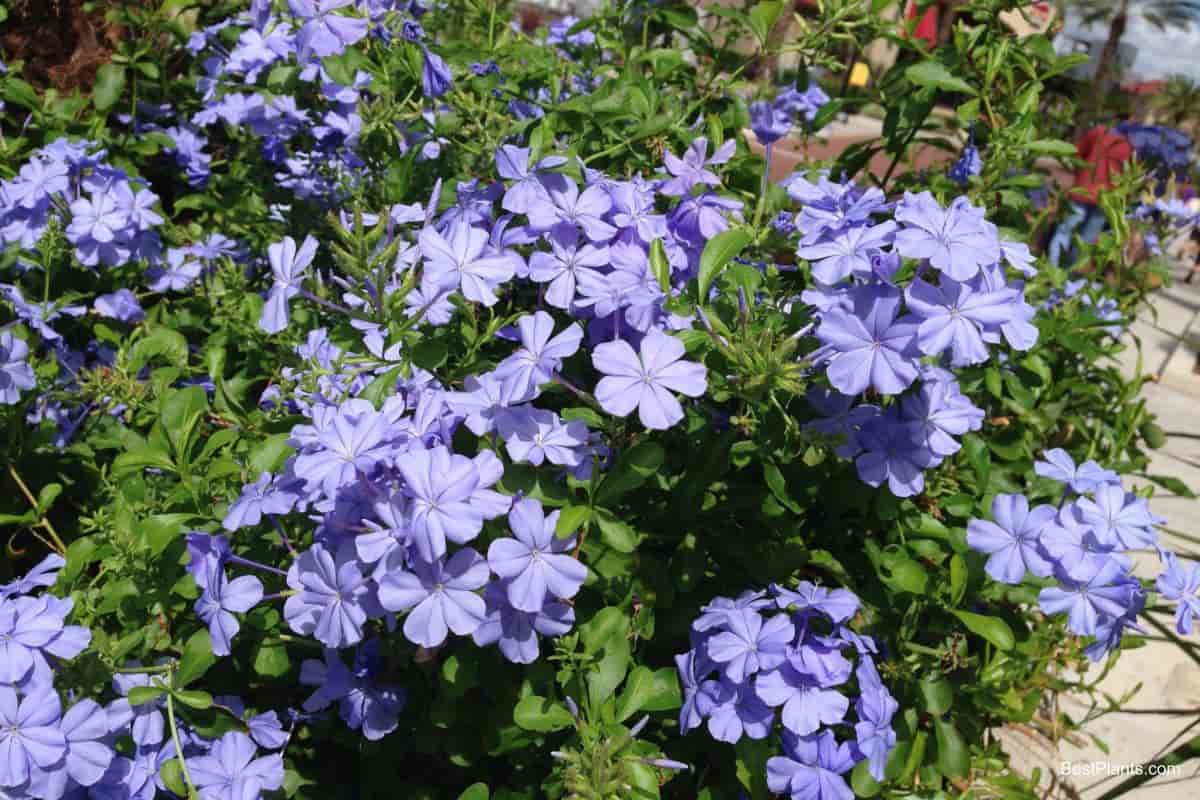
Plumbago (plum-BAY-go) is a genus of flowering plants in the Plumbaginaceae family with 10 to 20 species. It is native to South Africa and grows year-round in the southernmost areas of Texas and Florida because of the similar climates.  The name plumbago derives from the Latin word plumbum, which means lead.  According to Pliny the … Read more

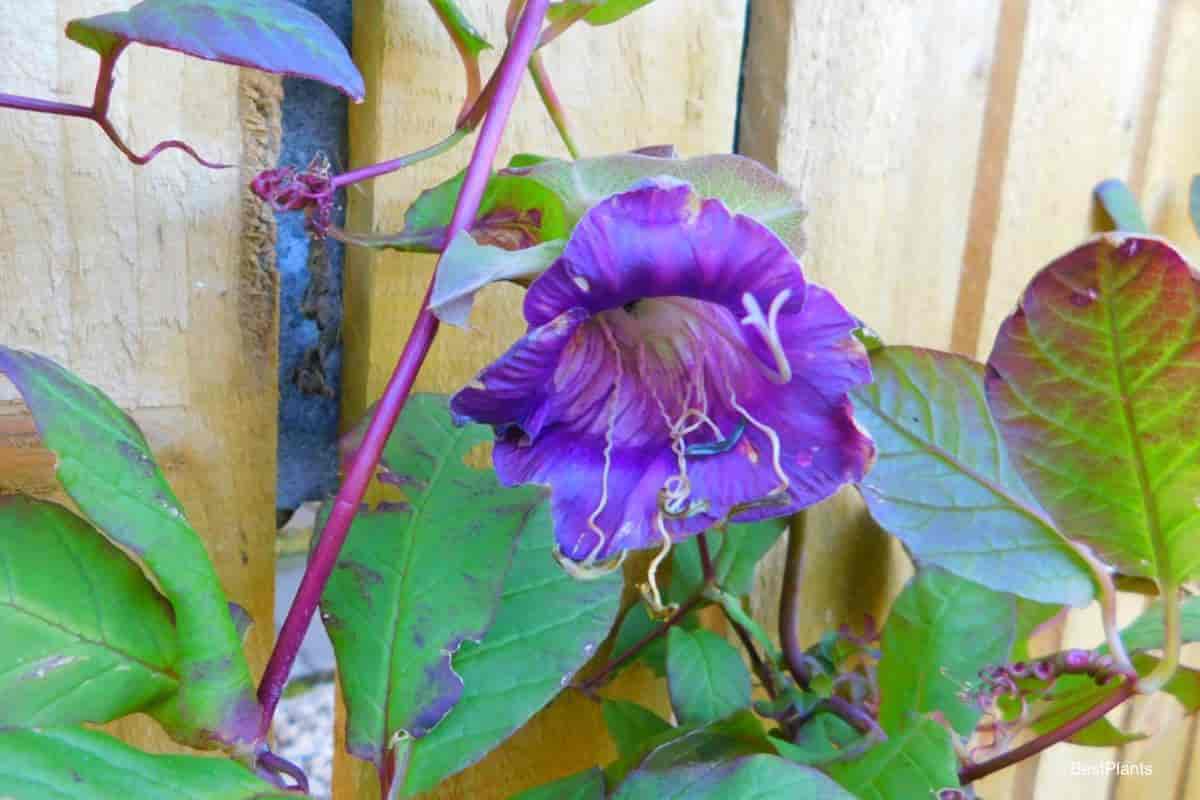
Growing Cobaea Scandens Plants: How To Care For The Cup And Saucer Vine

Growing Cobaea Scandens

The cobaea scandens (ko-BEE-uh SKAN-dens) is a perennial vine with purple cup-shaped flowers. The cabaea scandens is a phlox plant in the Polemoniaceae family. It is native to Mexico and has been sighted in other tropical areas in South America.  Cobaea scandens is also known as the cup and saucer vine due to the shape … Read more

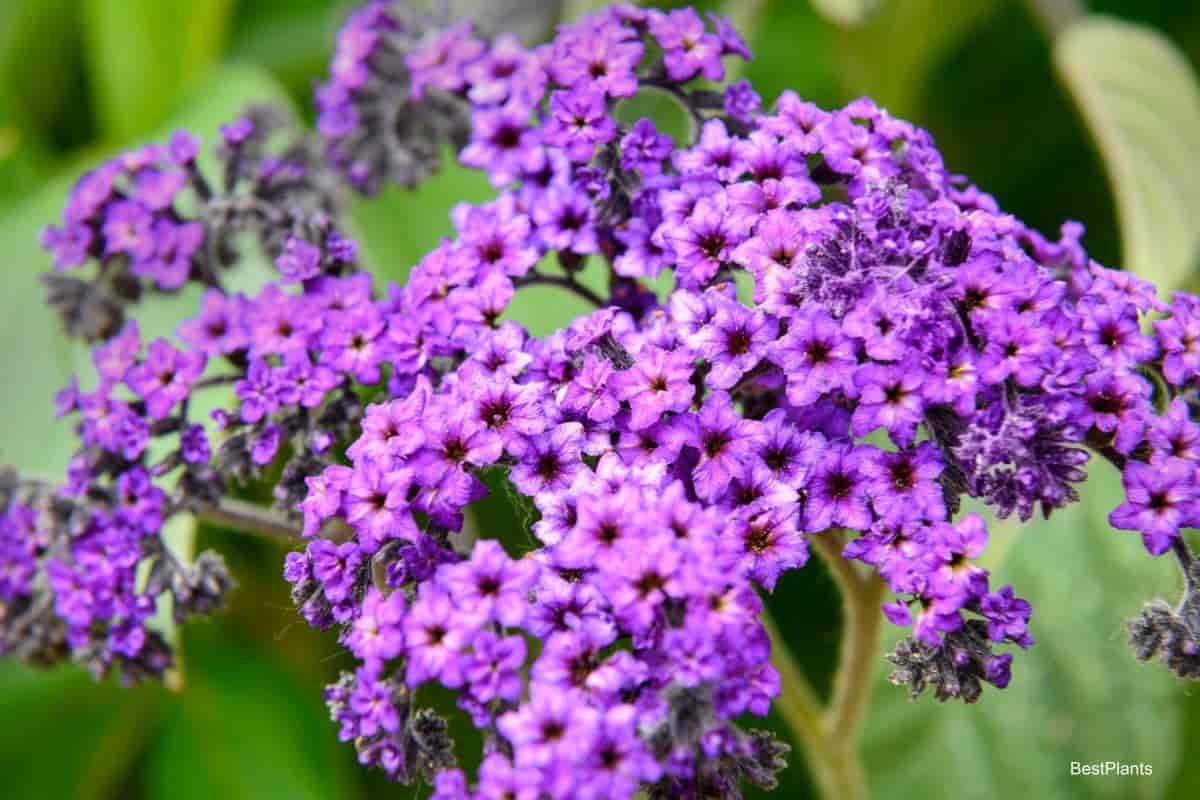
How To Care For and Grow Heliotrope Plants

Growing Heliotrope

Heliotrope (Genus name: Heliotropium) is a seasonal flowering plant producing clusters of blue or purple blooms punctuating its dark green foliage. These small plants are named after a Grecian plant that may or may not still exist, known for turning its flowers to track the Sun. Though the Heliotrope described here does not follow the … Read more

Growing Exacum: How To Care For The Persian Violet

Growing Exacum Affine

Exacum affine (EKS-uh-kum uh-FEE-nee), more often known as the Persian violet, is a lovely flowering house plant, but it isn’t a genuine violet. Instead, it belongs to the Gentianaceae family and more closely resembles the impatiens of the garden type. It is native to Yemen but has become a common greenhouse plant because of its … Read more

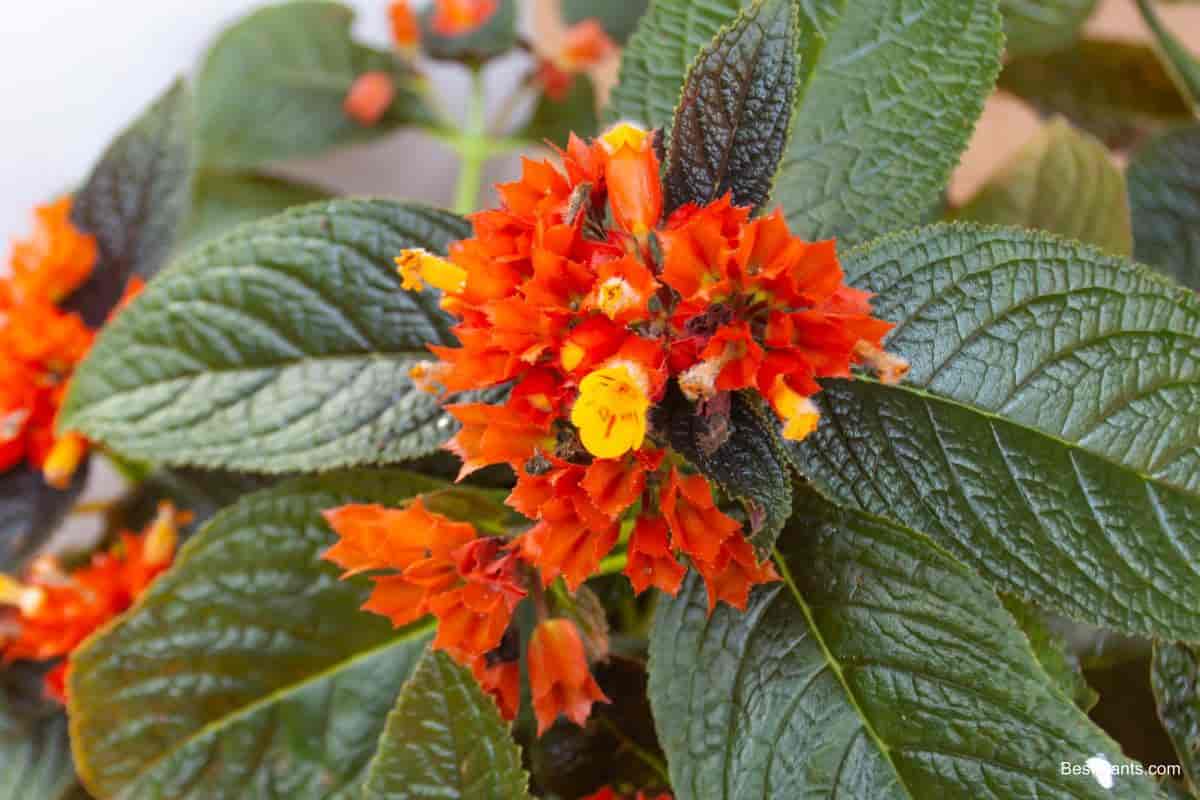
Growing Sunset Bells Plants: How To Care For Chrysothemis Pulchella

Growing Chrysothemis Pulchella

Chrysothemis pulchella (kry-so-THEE-mis pul-KEL-uh) is a tender tropical perennial plant belonging to the genus Chrysothemis and the Gesneriaceae, most commonly known as the Gesneriad family (along with Achimenes, African violets, and Gloxinias). It’s also one of the most widespread and widely cultivated Chrysothemis species. The genus name Chrysothemis was believed to have originated from the … Read more

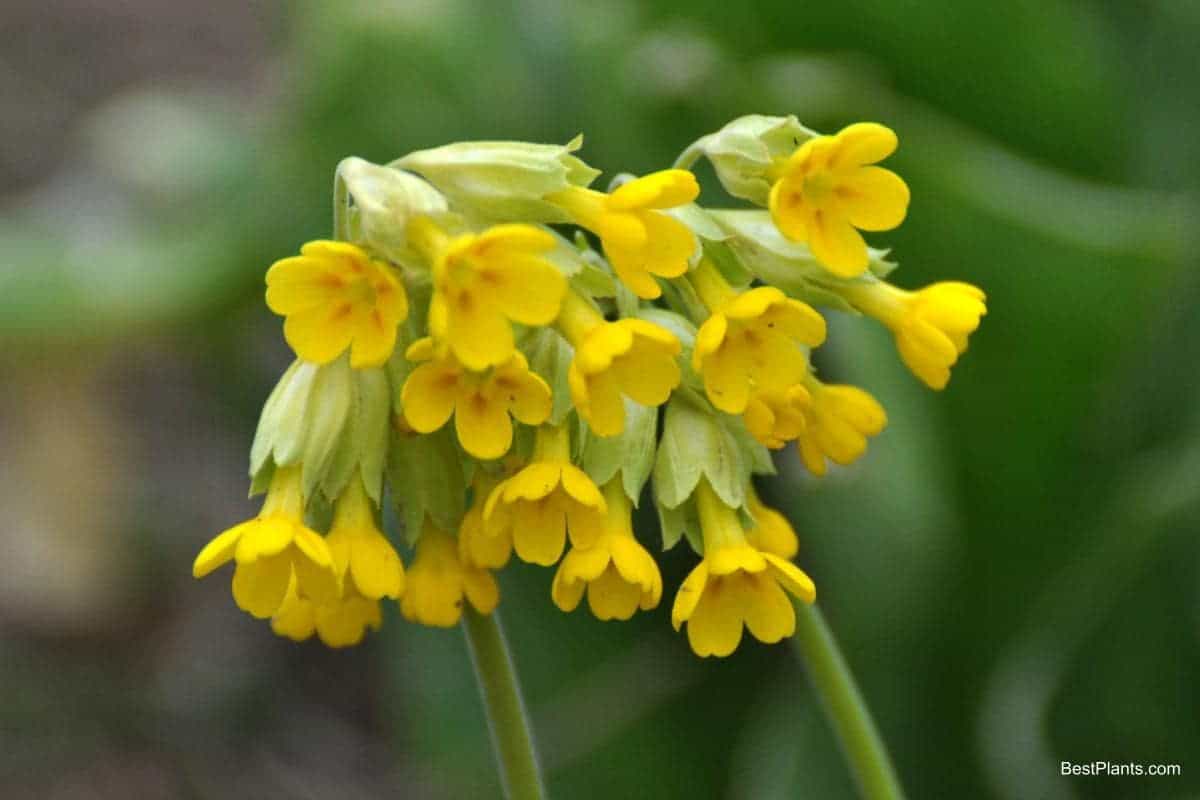
What Are Cowslips

yellow cowslips

Many years ago, we transplanted a clump or two of marsh marigolds to the banks of our brook. Today, they cover the banks with gold and spread into an old alder swamp and the damp woods beyond. They are a joy to our eyes, hungry for color after the long winter. Cowslip is another name … Read more

Flowers of The Nations

Flowers of the Nation

Flowers of peace. Flowers of war. Flowers of history. Flowers of hope! National flowers are rarely deliberately chosen. Instead, they spring from the history, tradition, and living of a people. They are brought into a country by the conqueror, like the tulip of Turkey, and assimilated and nationalized over the centuries. Or they are honored … Read more

What To Do In Midsummer In The Perennial Border

midsummer perennial border

August usually represents the lowest point in the pictorial success of perennial borders. Still, it begins in July and runs through to the middle of September, mainly if the weather has been unfavorable. Anyone who has established a collection of perennials knows what the ideal border should be. It should start the spring with low-growing … Read more