How We Live With 150 Camellias

living with 150 camellias

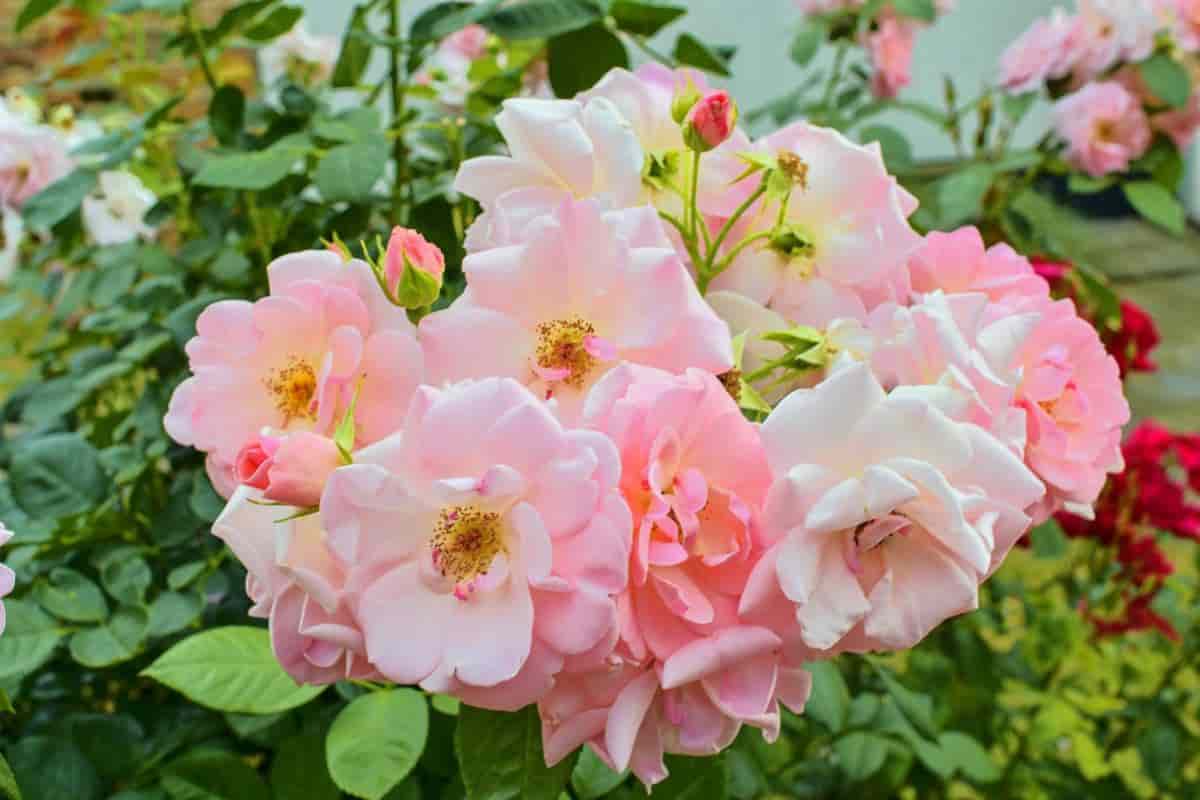
In the one-acre garden of Mrs. G. C. Shackelford at Columbus, Georgia, there are over 150 camellias that have been collected and cared for over the years. Some older plants are 6’ to 7’ feet tall and as much as 6’ feet through. They are planted along Mrs. Shackelford’s property’s boundaries and balanced along the … Read more

Growing Dwarf Azalea Plants: How To Care For Rhododendron Atlanticum

Growing Dwarf Azalea

Rhododendron atlanticum or Dwarf Azalea is a species of Rhododendron from the Ericaceae, commonly known as the Heaths or Heather family. The Ericaceae family has over 4,000 species of flowering plants in 126 genera distributed virtually worldwide, ranging from small alpine herbs and shrubs to large tropical trees. This makes Rhododendron atlanticum closely related to … Read more

What Is The Western Chokecherry?

Western Chokecherry

If you are an old-time, conservative horticulturist, you will probably choke at the thought of the native western chokecherry. Prunus virginiana demissa, is a very worthwhile shrub or small tree. You’ll say, “Oh no, not that, chokecherry takes the place.” I do not think it does. After five years of observing several clumps of 15-year-old … Read more

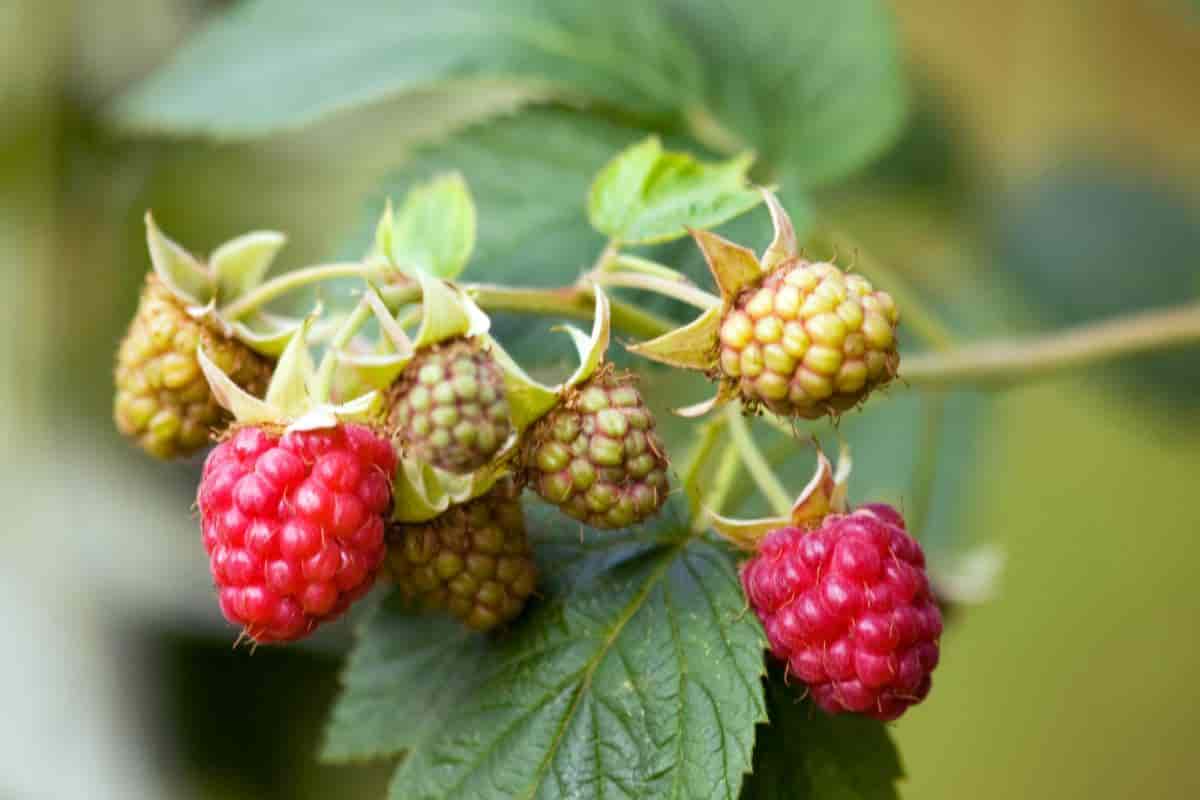
These Were The New Autumn Fruiting Raspberries

Fruiting Raspberries

Autumn-fruiting raspberries are a boon to home gardeners because they produce a crop in the fall and the usual one during early summer. The term “everbearing” is often applied to them; however, it is unsuitable.  They do not bear fruit continuously but bear the usual crop over 3 or 4 weeks in July and then … Read more

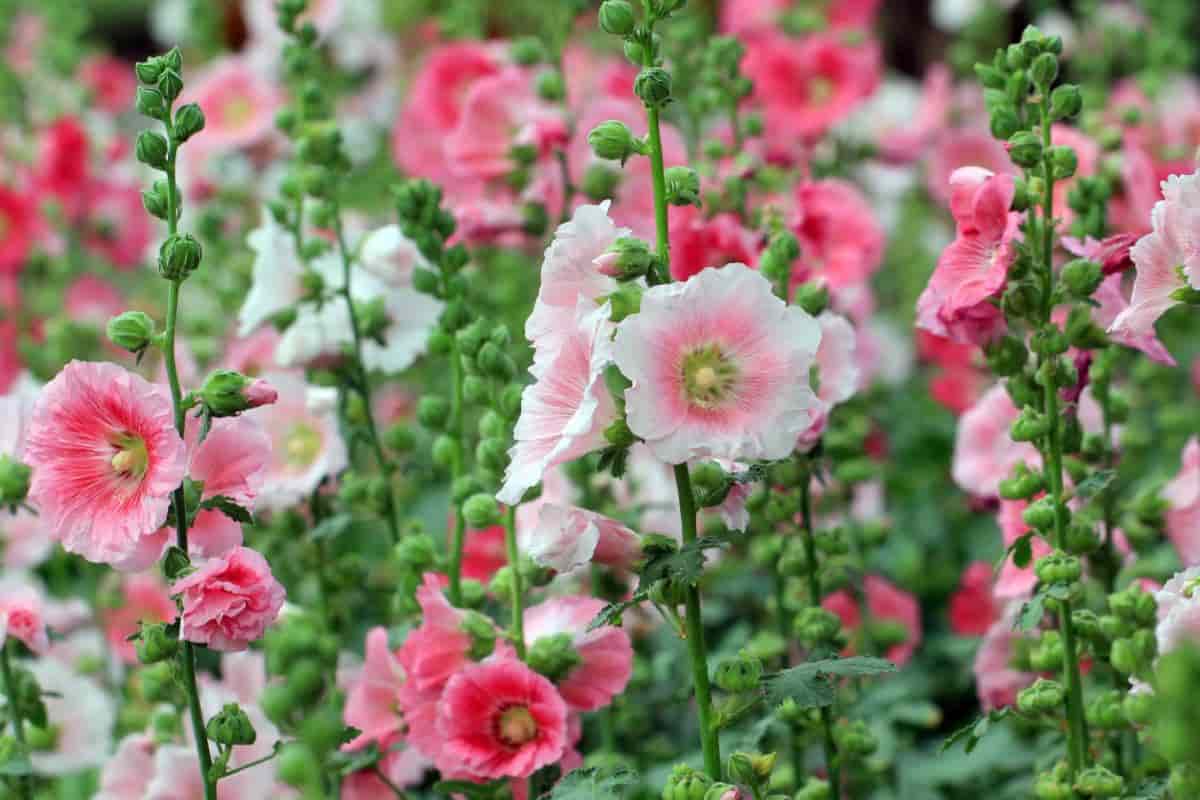
They Look Like Hibiscus – The Hollyhock Old But Charming

Charming Hollyhocks

“Why does it look like a hibiscus,” said an admirer of the tropical-looking bloom. But when she had observed it more closely, she said, “But it’s only an old hollyhock.” That’s the reaction many of us have to this familiar flower. Nimble-fingered people use the beautiful florets for very “dressy” corsages. Flower arrangers float them … Read more

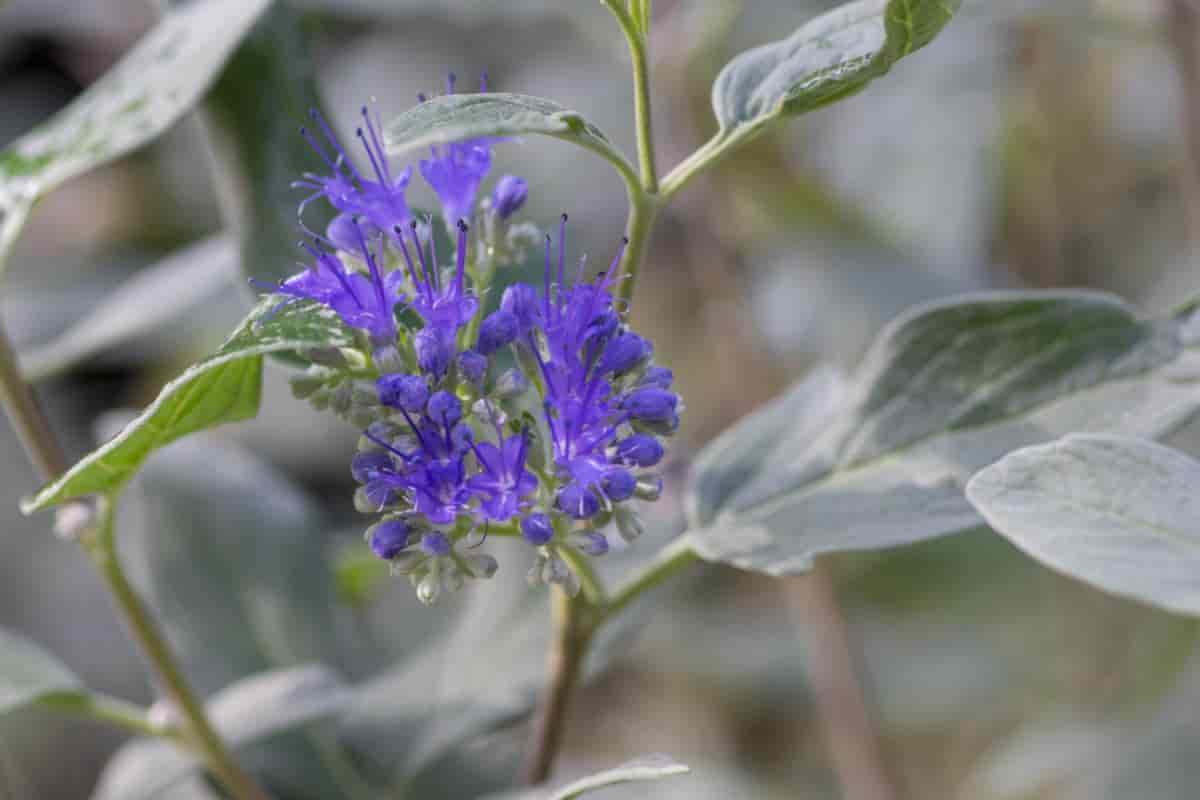
Caryopteris Or Is It Blue Spirea?

Caryopteris

Unfortunately, some unimaginative horticulturists coined the common name “blue spirea” for this excellent small shrub.  In so doing, he unwittingly did the plant a disservice, and the name immediately identified it with the ubiquitous Spiraea x Vanhouttei, which is, perhaps, the most common shrub to be found in the garden and landscape plantings of America. Blue … Read more

Growing Camellias By The Dozen

Growing Camellias

I was first bitten by the insidious camellia bug 16 years ago. My wife was responsible. She asked me to drive her to Charleston, S.C., to get a debutante. Until then, I had thought a debutante was a well-bred young woman about to make her bow to society.  As our son was just 2 years … Read more

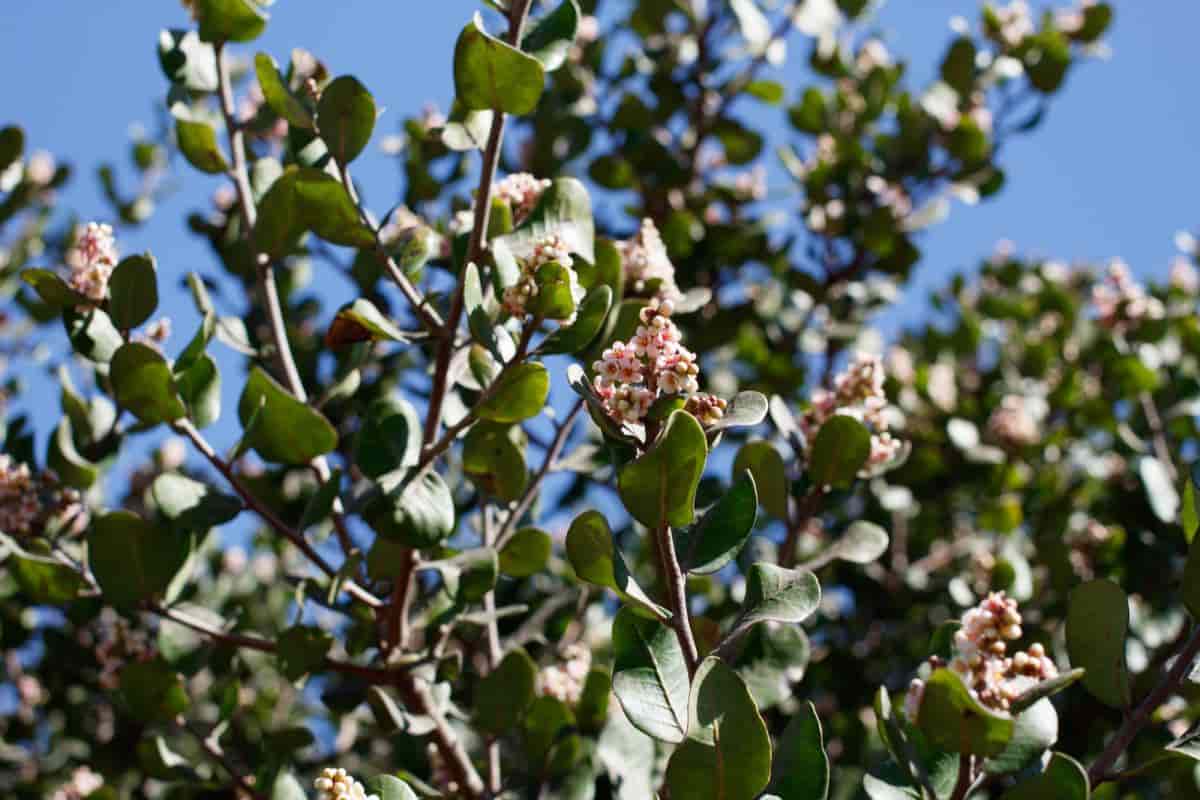
What Is A Lemonade-Berry Bush?

Lemonade Berry

In January, the first pink buds open on the large crowded clusters at the tips of Rhus integrifolia, commonly known as the lemonade-berry bush or sour-berry bush. The flowers are white, tinged with red.  By early spring, the ovule of each bloom will become flattened, round-edged berries covered with pale green flesh. This soon develops … Read more

The Charm and Usefulness of Camellias

Camellias Charm

Camellias cannot be surpassed by any of the broadleaved evergreen shrubs in all those areas where they may be grown as garden plants.  Any garden in which they are used freely is lifted out of the commonplace, and even a single specimen improves its own surroundings. Various Uses Of Camellias Camellias make good specimen plants … Read more

Some Flowers, Shrubs In Fall Plans

flowers shrubs fall plans

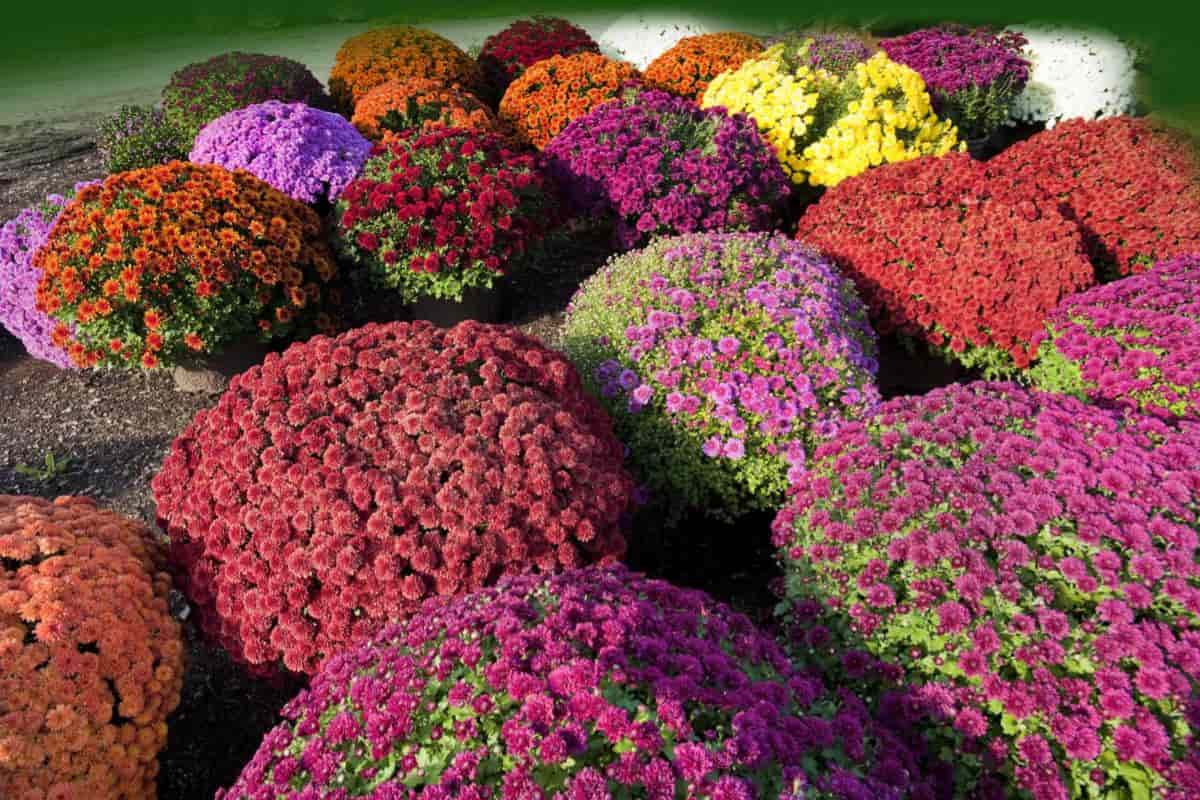
Mums dominate this month in our gardens. There is much work to be done—plant daffodils at once in the well-prepared ground. Bone meal is the safest fertilizer. Thrifty buys are Dutch iris, Roman hyacinths, and the graceful little candy stick tulip Clusiana, for these stay with us and multiply. Other tulips and exhibition hyacinths are … Read more