Growing Living Rock: How To Care For Pleiospilos Nelii
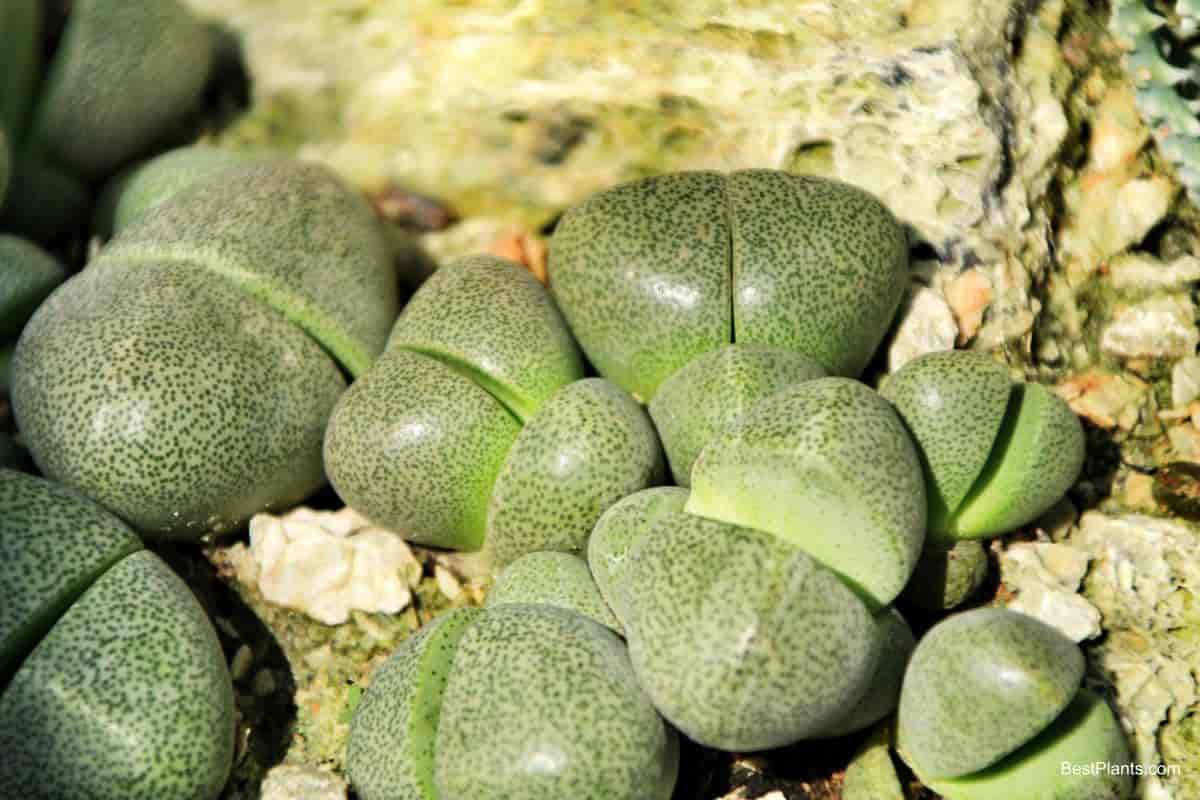
Growing Pleiospilos Nelii

You’ve probably seen succulents like Aloe vera, cacti, and echeveria, but have you heard of Pleiospilos nelii?  Pleiospilos nelii, commonly known as split-rock or living stone, is a succulent plant native to the Western Cape province of South Africa. It is one of only two species in the Pleiospilos and closely related to the better-known … Read more
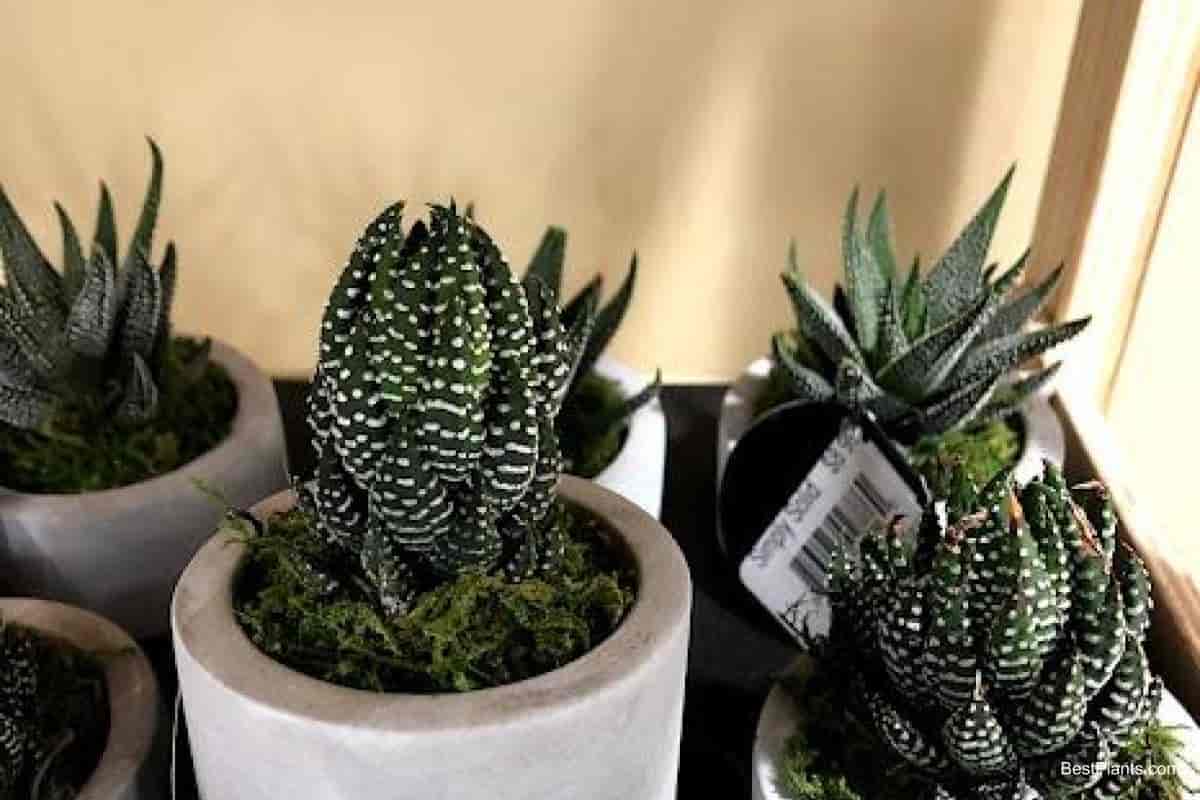
Growing Haworthia Succulents: How To Care For Haworthia

Growing Haworthia

Haworthia is a perennial succulent native to South Africa and part of the Asphodelaceae family. It is similar to the Aloe plant for maintenance and was previously in the Lily family.  They are often planted as houseplants, but you can grow them outdoors in USDA zones 9-11. The most apparent differences between the variations of … Read more

Growing Hatiora: How To Care For Hatiora Bambusoides

Growing Hatiora Bambusoides

If you like to have plants in your home, you may want to get a hatiora bambusoides. A Hatiora bamcusoides is a succulent, which means that it stores water in its leaves. This makes the plant ideal for people who regularly forget to water their plants. It is native to Brazil and can be found … Read more

Growing Necklace Plant/String Of Beads: How To Care For Crassula Perforata

Growing Crassula Perforata

Crassula perforata is a succulent plant that originates from South Africa. This plant is a member of the Crassulaceae family, which includes over 1,400 different species of succulents. For example, it is closely related to other succulents such as: Echeveria Sedum Kalanchoe It is found in the country’s coastal regions and typically grows in sandy … Read more

Growing Inchworm Plant: How To Care For Senecio Stapeliiformis

Growing Senecio Stapeliiformis

If you’re like me, you love spending time in nature. Gardening is a great way to get close to nature while enjoying the fruits of your labor. I always feel accomplished after tending to my garden and watching everything grow. But if you’re new to gardening, it can be tough to know where to start. … Read more

Growing Cocoon Plant: How To Care For Senecio Haworthii

Growing Senecio Haworthiii

If you’re like me, you love spending time outdoors surrounded by beautiful plants. And if you’re also like me, you’re always looking for new plants to add to your collection.  So when I learned about senecio haworithii, I knew I had to get one. Senecio haworithii, also known as African daisy or blue chalk sticks, … Read more

Growing October Plant: How To Care For Sedum Sieboldii

Growing Sedum Sieboldii

Sedum sieboldii, synonymous with Hylotelephium sieboldii, is one of the most popular perennials in American gardens. Native to Japan, this beautiful flowering plant is happy as an indoor or outdoor plant. Often referred to by its common name, October Plant, Sedum sieboldiiis is drought-resilient due to its thick, succulent leaves that can retain water. As … Read more

Growing Elephant Bush: How To Care For Portulacaria Afra

Growing Portulacaria

Portulacaria afra is a succulent plant native to South Africa. It is also known as the “elephant’s food” or “pork bush.” This is because this plant’s leaves are a food source for elephants and other animals.  Portulacaria afra is a small shrub that can grow up to 15′ feet tall. The leaves are green and … Read more

Growing Houseleek/Hen And Chicks: How To Care For Sempervivum Tectorum

Growing Sempervivum Tectorum

Sempervivum tectorum, also known as houseleeks, is a type of succulent plant that is commonly used as an ornamental plant in gardens. These plants are native to the mountainous regions of Europe and Asia and have been cultivated for centuries for their unique appearance and ability to thrive in harsh conditions. The name Sempervivum tectorum … Read more

Growing Mistletoe Cactus: How To Care For Rhipsalis Baccifera

Growing Rhipsalis Baccifera

Rhipsalis baccifera is native to tropical regions of South America and grows in rainforests. They are epiphytic cacti, which means they thrive on other plants or trees instead of directly in the ground. Rhipsalis baccifera have long, slender stems that can grow up to 3′ feet tall. The stems are covered in small spines and … Read more