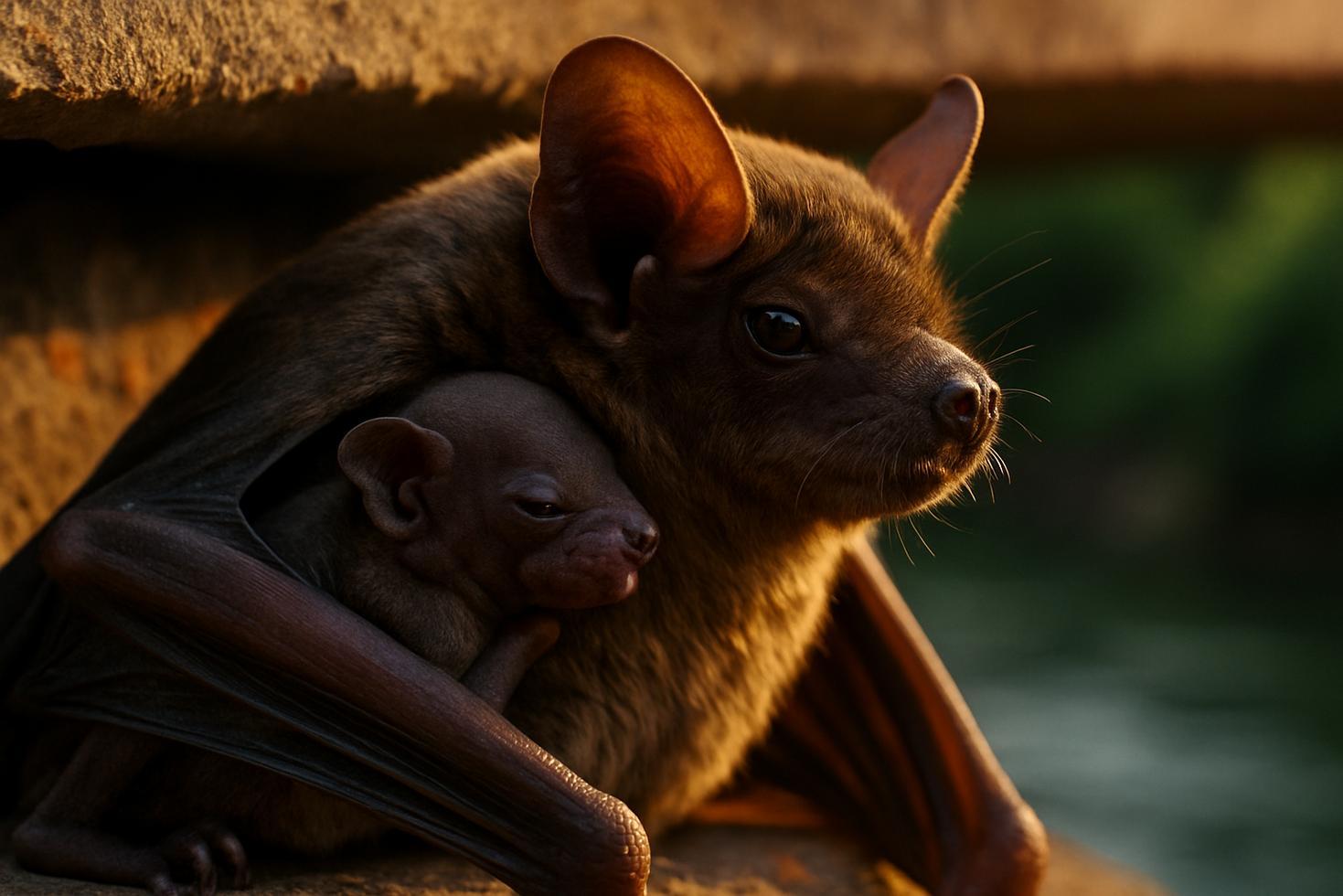
Austin’s Congress Avenue Bridge shelters roughly 1.5 million Mexican free-tailed bats — the largest urban bat colony in North America. TxDOT now schedules concrete work around nursing pups that can’t yet fly.
The Congress Avenue Bridge in Austin shelters approximately 1.5 million Mexican free-tailed bats during maternity season, making it the largest urban bat colony in North America. That number belongs to a single bridge. Bracken Cave, not far away, adds an estimated 15 to 20 million more.
The concrete expansion joints and crevices of highway bridges replicate the narrow cliff-face gaps and cave ceilings this species roosted in long before roads existed. Females arrive around March, give birth in late spring, and nurse pups through summer. Those pups cannot fly for several weeks after birth.
That biological fact is exactly what reshaped TxDOT’s construction calendar.
How TxDOT’s EPIC Process Embeds Bat Biology Into Bridge Construction
TxDOT’s Environmental Permits, Issues, and Commitments (EPIC) program places species-related commitments directly into project plans, specifications, and estimates. Contractors are required to adhere to these as binding contract obligations.
Bat-specific Best Management Practices appear in TxDOT’s Tier I Site Assessment forms. The permitted exclusion window runs September 1 through March 31 — sidestepping the core maternity period entirely. Exclusion devices must also remain in place at least seven days when nighttime temperatures exceed 50°F, ensuring roosting bats leave on their own rather than being trapped.
If a project team encounters signs of bat use — guano staining, grease marks at entry points — work stops until surveys and permits are completed.
Why Sealing a Bridge Roost During Summer Kills the Colony
The mechanism is straightforward. Non-volant pups depend entirely on mothers returning to nurse. Seal the roost entrance while pups are inside and the mothers cannot re-enter. The pups starve.
This is why the seasonal window matters more than the specific method. Starvation of non-volant pups is the primary mortality risk from mistimed exclusion, not direct contact with construction equipment.
TxDOT’s response to projects that would permanently remove crevice habitat has expanded to include artificial roost installation. At the Walnut Creek Bridge along I-35, TxDOT planned 18 bat boxes to offset habitat lost during reconstruction of two bridges with known colonies.
The Pest-Control Consequence of Protecting Bridge Colonies
Each bat consumes roughly half its body weight in insects nightly. At colony scales of one to several million individuals, that represents tons of insects removed per season from surrounding landscapes. Bat Conservation International and TPWD both document that Mexican free-tailed bats target agricultural pest moths, reducing crop losses and pesticide costs across the region.
Texas hosts 32 bat species. The Mexican free-tailed bat’s preference for narrow crevices in bridges and culverts means highway infrastructure has become an unplanned but functional component of the species’ statewide habitat network.
The bridge was built for cars. The gap between two slabs turned out to be something else entirely.
Frequently Asked Questions
When are Mexican free-tailed bats present under Texas bridges?
Females typically arrive around March, give birth in late spring, and remain through approximately October before migrating south.
What does TxDOT’s EPIC process actually require for bat colonies?
EPIC embeds bat BMPs as binding contract requirements, including biological surveys and seasonal timing restrictions that prohibit exclusion work during maternity season.
Why can’t contractors just net or seal a bridge roost during summer repairs?
Non-volant pups cannot escape a sealed roost. Mothers locked out cannot nurse them, causing starvation. TxDOT bat BMPs restrict exclusion to September 1 through March 31 for this reason.
Is the Congress Avenue Bridge colony really the largest urban bat colony in North America?
Yes. Multiple sources, including TxDOT’s own educational materials and Bat Conservation International, consistently cite approximately 1.5 million Mexican free-tailed bats at peak season.