
Feeling guilty about your untamed September garden? Put down those pruners! That “messy” garden of yours might actually be the wildlife sanctuary your local ecosystem desperately needs.
(Did you know a single finch can eat up to 2,000 seeds from your garden during the winter months?)
It turns out, the difference between amateur and pro plant parents is simply knowing when to act and when to let nature take the wheel.
The September Deadheading Dilemma: Cut or Keep?
Let’s shatter a gardening myth right now: a perfect garden isn’t always a tidy one. September deadheading isn’t about following rules.
It’s about strategic intervention. Like a good parent knowing when to step in and when to step back, your plants need you to make the right call.
The game-changer for your fall garden isn’t what you think. Sometimes, the most loving thing you can do is… absolutely nothing.
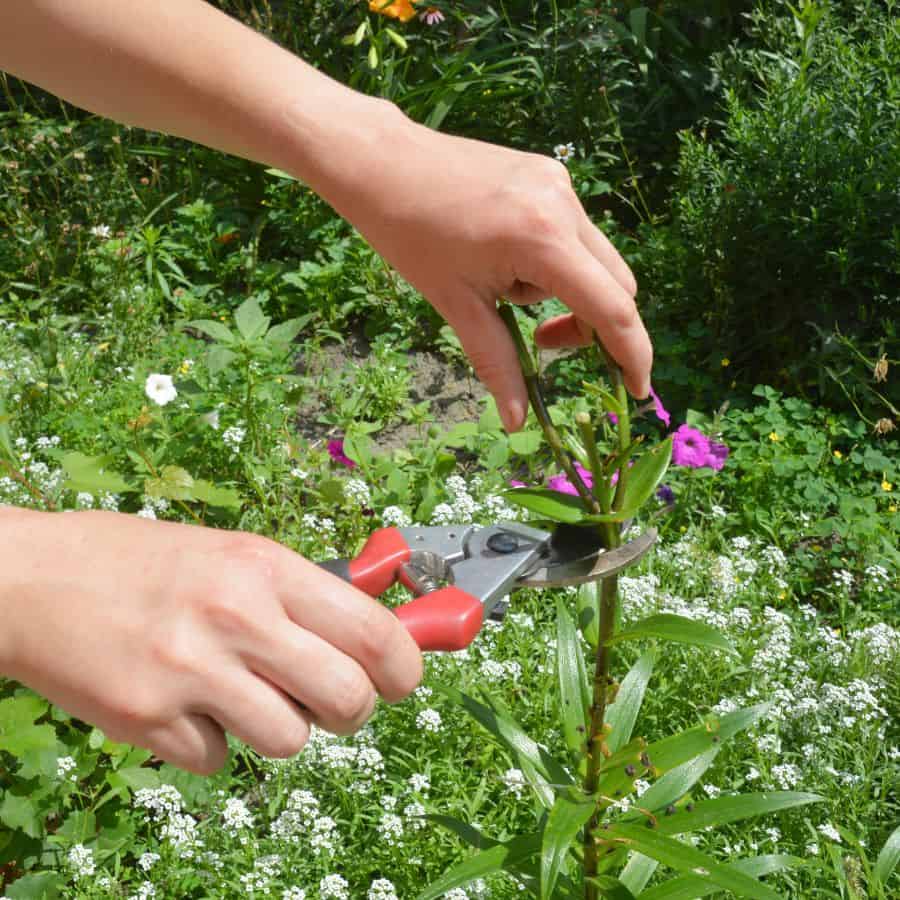
Yes! These Plants Are BEGGING for One Last Trim
Some plants are like those friends who just won’t admit the party’s ending. These drama queens will reward your September snipping with a spectacular final performance:
- Dahlias: These divas will give you an encore of vibrant blooms with minimal effort. Remove spent flowers or entire stems if they’re the last bloom. Your small act of care will transform your garden with weeks of additional color.
- Marigolds, Zinnias, and Cosmos: These annuals are botanical overachievers. A quick snip above a leaf node is all it takes to keep them blooming until frost crashes their party. They’re like marathon runners who just need a sip of water to keep going.
- Repeat-Blooming Roses: A light deadheading now can trigger one final flush of blooms. But be warned. Zones 2-4 must stop by month’s end so roses can form hips and winterize. Zones 5-9 can continue into October. (Be warned: your roses are trying to tell you something important. They need to prepare for winter!)
- Salvia, Nepeta, and Coreopsis: A gentle trim in early September might coax these perennials into a modest encore. Don’t expect miracles, but even a few fresh blooms can be worth the minimal effort.
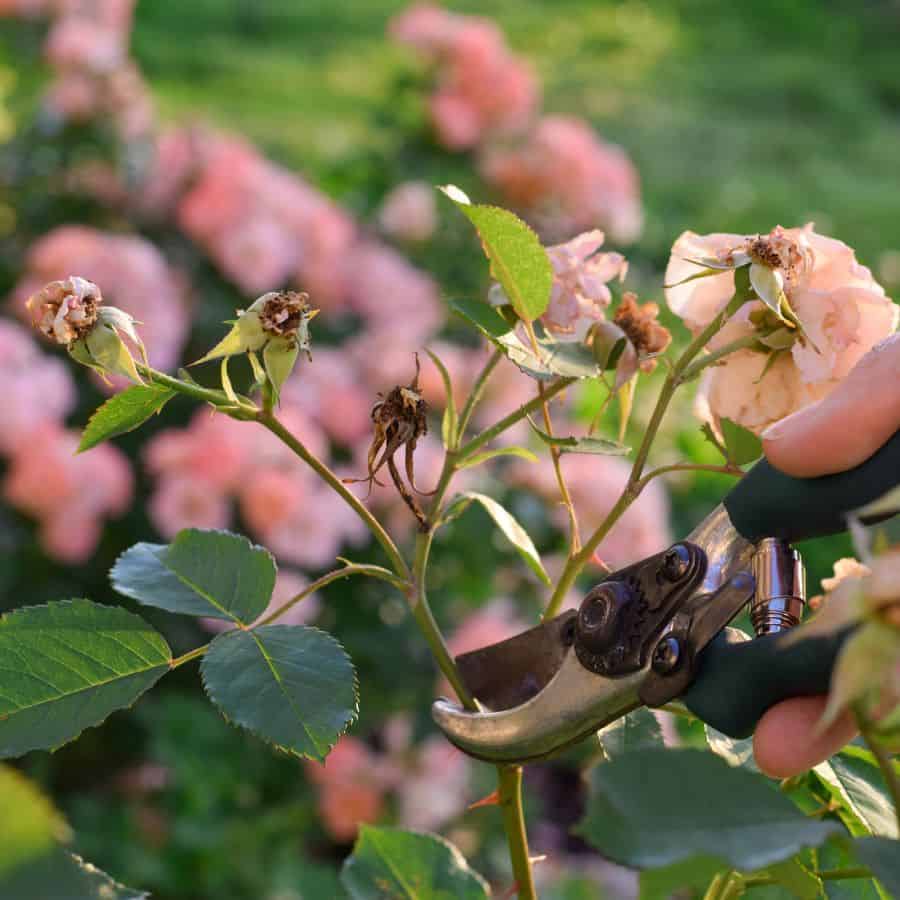
I was shocked to discover that properly deadheaded dahlias can continue producing flowers for up to 4 additional weeks compared to those left untrimmed. That’s an entire month of extra beauty from just minutes of work!
HANDS OFF! Plants That Deserve Their September Rest
Forget what you’ve heard about keeping everything pristine. These plants have earned their retirement, and wildlife depends on their natural decline:
- Sedum (Autumn Joy): Those fading blooms aren’t a sign of failure. They’re transforming into stunning coppery-pink masterpieces. Like fine wine, they only get better with age. Your “neglect” is actually perfect care.
- Coneflowers and Rudbeckia: Those seed heads are nature’s bird feeders! Standing through winter, they’ll feed finches and create dramatic silhouettes against the snow. Cutting them back isn’t tidiness. It’s creating a food desert for wildlife.
- Bee Balm and Anise Hyssop: The secret most plant experts won’t tell you is that these “messy” plants are ecological powerhouses. Their seeds feed birds while their hollow stems become winter homes for beneficial insects. Messy? No. They’re wildlife condominiums!
- Perennials Going Dormant: Hostas, daylilies, and peonies have flipped their “closed” sign. They’re busy directing energy to their roots, and your interference is like interrupting someone’s meditation. Just let them do their thing.
The Shocking Truth About “Neglected” Gardens
Your “lazy” September garden isn’t a failure. It’s a revelation in ecological gardening.

Those fading blooms and seed heads? They’re not eyesores; they’re bird buffets and butterfly nurseries.
Most people make this mistake with their fall garden: they strip it bare right when wildlife needs it most.
A single chickadee can eat up to 1,000 seeds per day during the winter months. Your untrimmed garden isn’t messy; it’s a lifesaving resource.
Think of your September garden like a 401(k) for local wildlife. You’re investing in next spring’s biodiversity by letting some plants stand now.
And those self-seeded volunteers that pop up next year? Free plants! That’s not neglect. It’s nature’s dividend payment.
The Bottom Line: Strategic September Laziness
The most flourishing gardens balance intervention with restraint. Deadhead those dahlias and zinnias for a final colorful hurrah, but let those coneflowers and sedums stand proud through winter.
Your September garden doesn’t need perfection. It needs permission to complete its natural cycle. So put your feet up, sip that pumpkin spice whatever, and congratulate yourself.
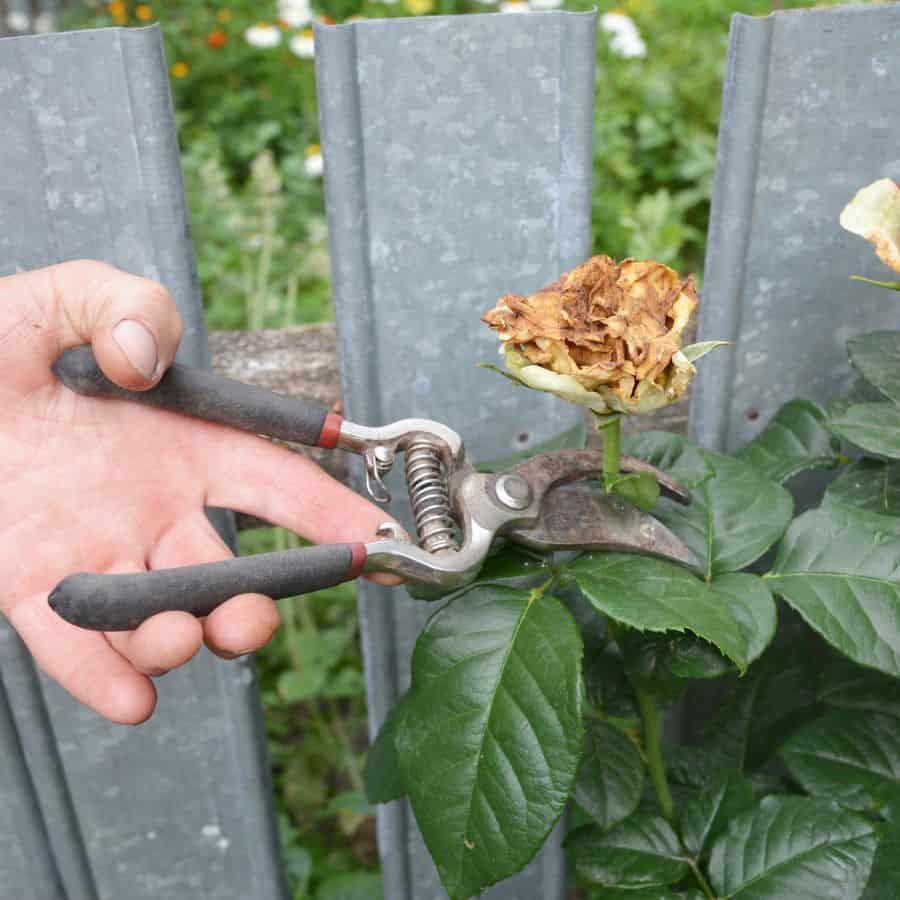
That strategic “laziness” isn’t just easier on your back. It’s exactly what your garden ecosystem needs to thrive.
Remember: the most vibrant spring gardens are born from thoughtfully “neglected” fall ones. Sometimes, the most nurturing thing you can do is simply step back and let nature work its magic.