You’ve probably noticed your neighbor’s lavender looking great while yours struggles to keep up. The thing is, you don’t need to buy more plants. You can multiply the ones you already have.
Here’s something helpful to know: a single lavender plant can produce dozens of new plants through cuttings.
Lavender propagation has about a 90% success rate when done right, but some common mistakes trip people up.
How to Propagate Lavender (It’s Easier Than You Think)
Lavender isn’t as difficult as people say. Like most gardening tasks, it’s really about technique and timing. The best part is that lavender propagation is pretty straightforward once you know the steps.

You can turn one plant into many plants. And you’ll save a lot of money. Propagating from cuttings costs just pennies compared to buying new plants.
What You’ll Need
Before you start, gather these basic tools:
• A healthy, mature lavender plant (not yellowing or stressed)
• Sharp scissors or pruning shears (dull cuts can hurt your chances)
• Small pots with drainage holes
• Well-draining potting mix (lavender doesn’t like wet soil)
The biggest mistake people make is using an unhealthy parent plant. Your cuttings will reflect the health of their parent, so choose stems that look strong and healthy.
How to Take Cuttings
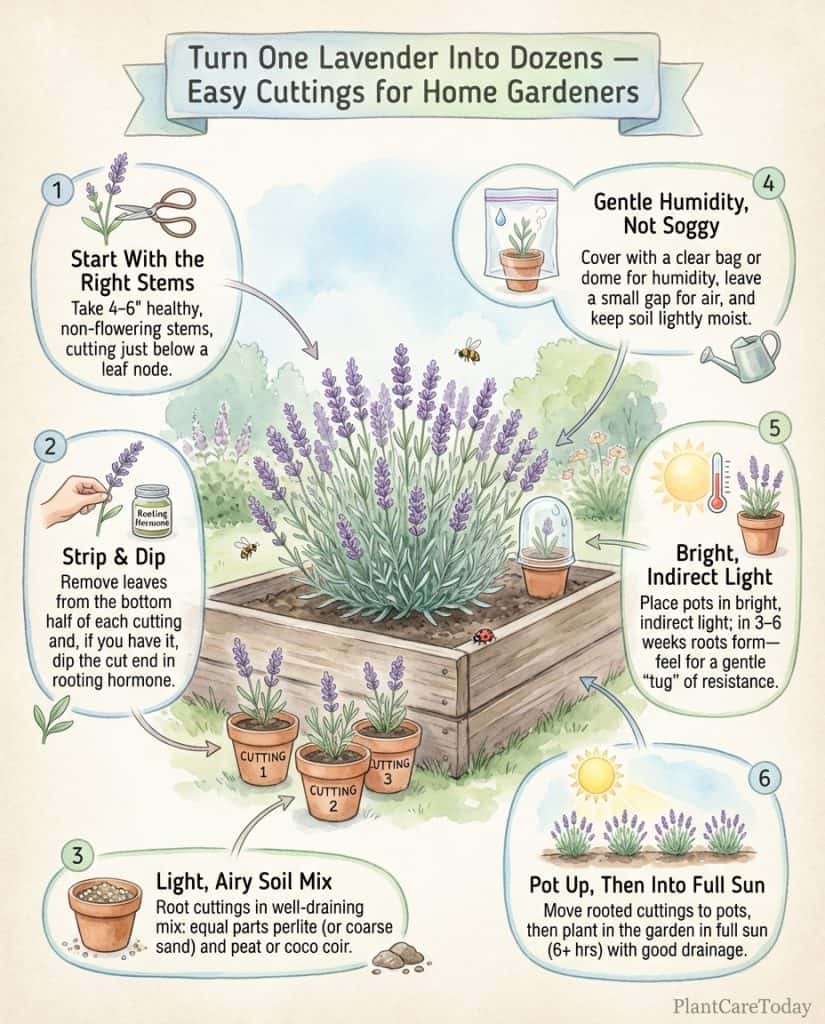
Picking the right stems matters. Look for semi-woody stems that aren’t too young (too soft) or too old (too hard and woody).
Make clean cuts just below a leaf node. Aim for stems that are 5-7 inches long. Remove the leaves from the bottom half of each cutting. They would rot under the soil anyway.
Your cutting should look like a small lavender stem with the bottom half bare.
Quick tip: Take more cuttings than you need. Even experienced gardeners expect some not to make it.
Two Ways to Root Your Cuttings
New gardeners and experienced ones often get different results simply because there are two good ways to do this:
Option 1: Plant Directly in Soil
Fill your pots with a well-draining mix and poke small holes with your finger. Dip the cut end in water, then in rooting hormone if you want (it’s optional).
Push cuttings about 2 inches deep and press the soil around them so they stand up straight.
Option 2: Start in Water
Sometimes it helps to see roots develop before moving to the soil. Place cuttings in a clear glass of water, making sure only the leafless part is underwater. Change the water every few days to keep it fresh.
After 10-15 days, you’ll see roots starting to grow. Then you can move them to the soil.
The water method can improve success rates by around 30% for beginners. Plus, it’s pretty cool to watch those white roots appear.
Taking Care of New Cuttings
Think of your newly planted cuttings as delicate for the first few weeks. They need some extra attention.

Cover pots with clear plastic bags to create humidity, but leave some room for air to move. This keeps cuttings from drying out while they’re working on growing roots.
• Watering: Keep soil moist but not waterlogged
• Light: Bright but indirect sunlight (direct sun is too harsh)
• Temperature: 65-75°F works best for root growth
• Patience: Roots usually develop in 3-4 weeks (don’t pull on them to check)
Moving Plants to Their Permanent Spot
When roots are at least 1-2 inches long, and you see new growth on top, your plants are ready to move. This usually takes 4-6 weeks total.
Move them to larger pots or directly into your garden in a sunny spot with good drainage. Space plants 18-24 inches apart. They’ll fill out more than you expect.
It takes about 3-4 months to go from cutting to flowering plant. By next season, you’ll have multiple lavender plants from just one parent.
What You Get with More Lavender
Your new lavender plants aren’t just lovely to look at. They naturally help keep mosquitoes away (reducing backyard pests by up to 40%), create a calming environment, and smell great without needing to buy candles.
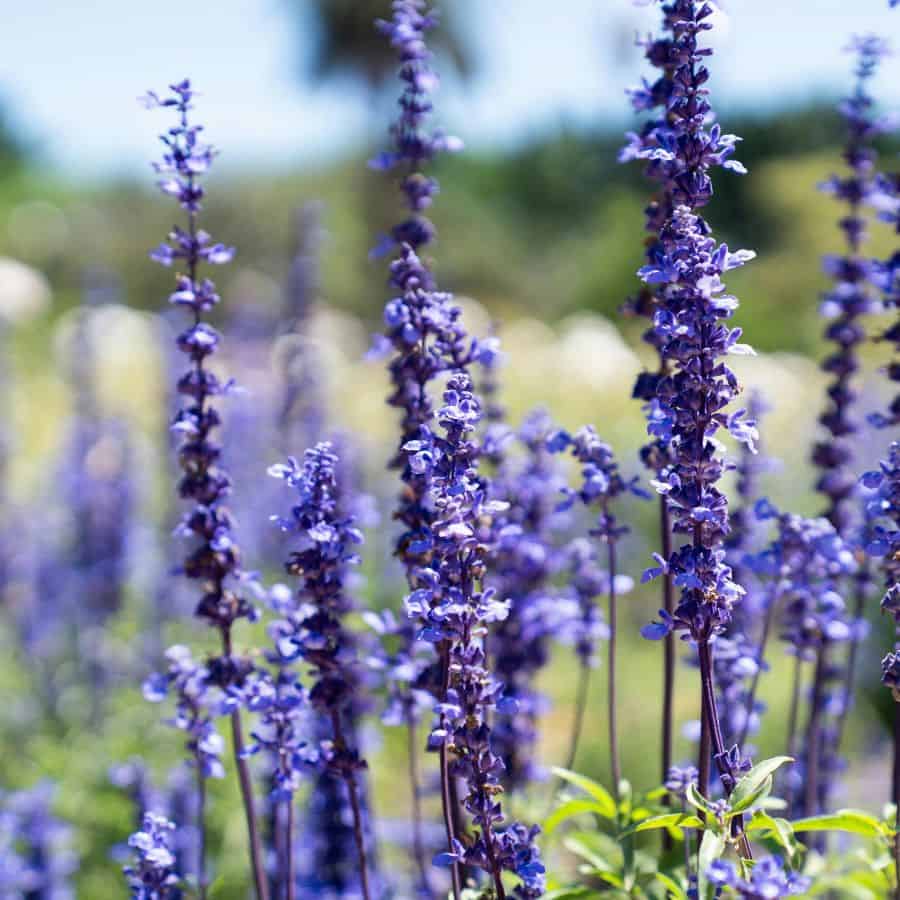
When you propagate your own plants, you keep the exact traits of the parent plant you already love. You can’t always count on that with store-bought seedlings.
The difference between having one lavender plant and having seven? Better fragrance throughout your garden, more pollinators visiting, and the satisfaction of growing something abundant from almost nothing.