
Think all gardening happens in spring? Think again! The secret most plant experts won’t tell you is that fall might actually be the BEST time to sow certain flowers.
While everyone else is putting their gardens to bed, you could be planting the seeds (literally) for the most spectacular spring display your yard has ever seen.
And I’m about to show you exactly how to do it, customized for YOUR growing zone.
Yes, You CAN Plant Flower Seeds in Fall (And Should!)
Forget what you’ve heard about waiting until spring to sow seeds! Many hardy annuals, biennials, and perennials not only survive fall planting.
They absolutely THRIVE from it. That touch of winter chill isn’t a death sentence; it’s actually nature’s perfect germination trigger.
But won’t they sprout too early and die in winter? Not if you time it right. The game-changer is sowing immediately after the first hard frost in colder zones. This keeps seeds dormant until spring temperatures signal the all-clear for growth.
Did you know? Studies show that fall-sown flowers often develop stronger root systems and produce up to 50% more blooms than their spring-planted counterparts. Talk about a dramatic difference!
Cold Winter Warriors: Best Flowers for Zones 3-5
Living where winters bite hard doesn’t mean you can’t play the fall-planting game. These tough bloomers can handle the chill:
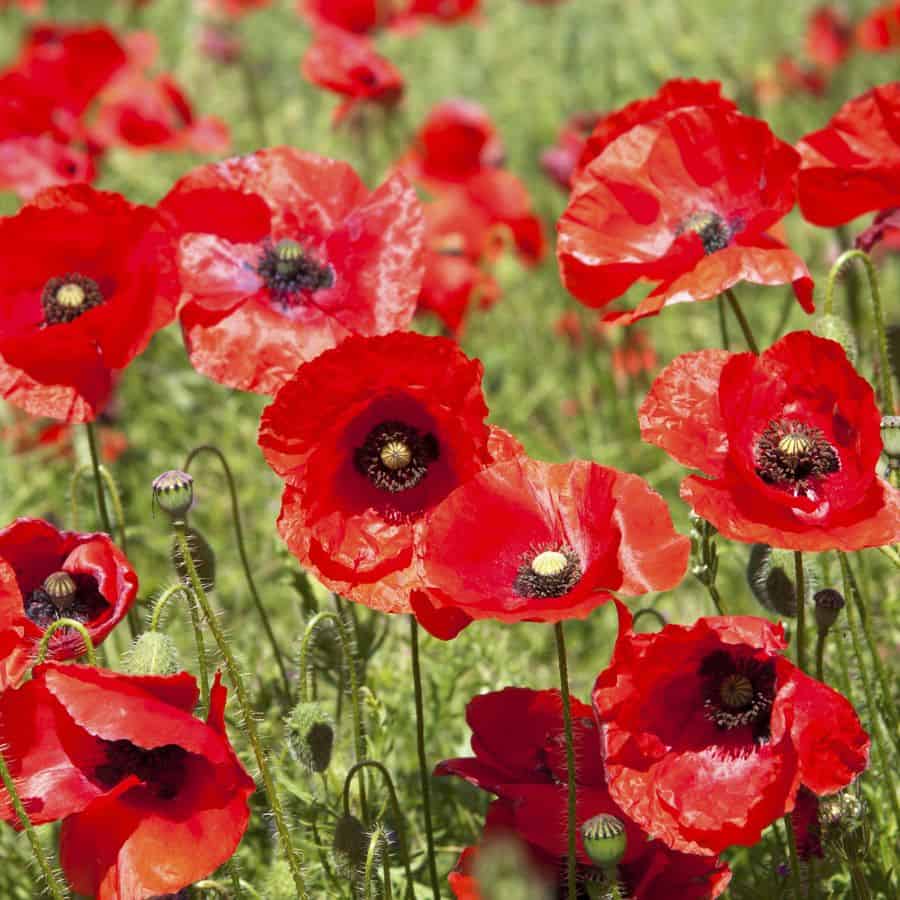
- Poppies: Scatter these tiny seeds in late fall and watch for vibrant blooms when spring soil warms. They’re like Sleeping Beauty. Just waiting for the right moment to wake up and dazzle!
- Sweet Peas: Fall-planted sweet peas often produce earlier, larger flowers. Add a thin layer of mulch to protect young roots in especially cold areas.
- Cornflowers: These incredible hardy annuals overwinter like champions and reward you with early spring color.
- Larkspur: For spectacular spikes in purple, pink, red, and blue, fall sowing is your ticket. These beauties perform like Broadway stars after a winter rest.
Pro Tip: In zones 3-5, plant immediately after your first hard frost. This is like hitting the perfect “pause” button until spring.
Goldilocks Zones: Perfect Flowers for Zones 6-7
With moderately cold winters, these zones offer the “just right” conditions for an impressive range of fall-sown flowers:
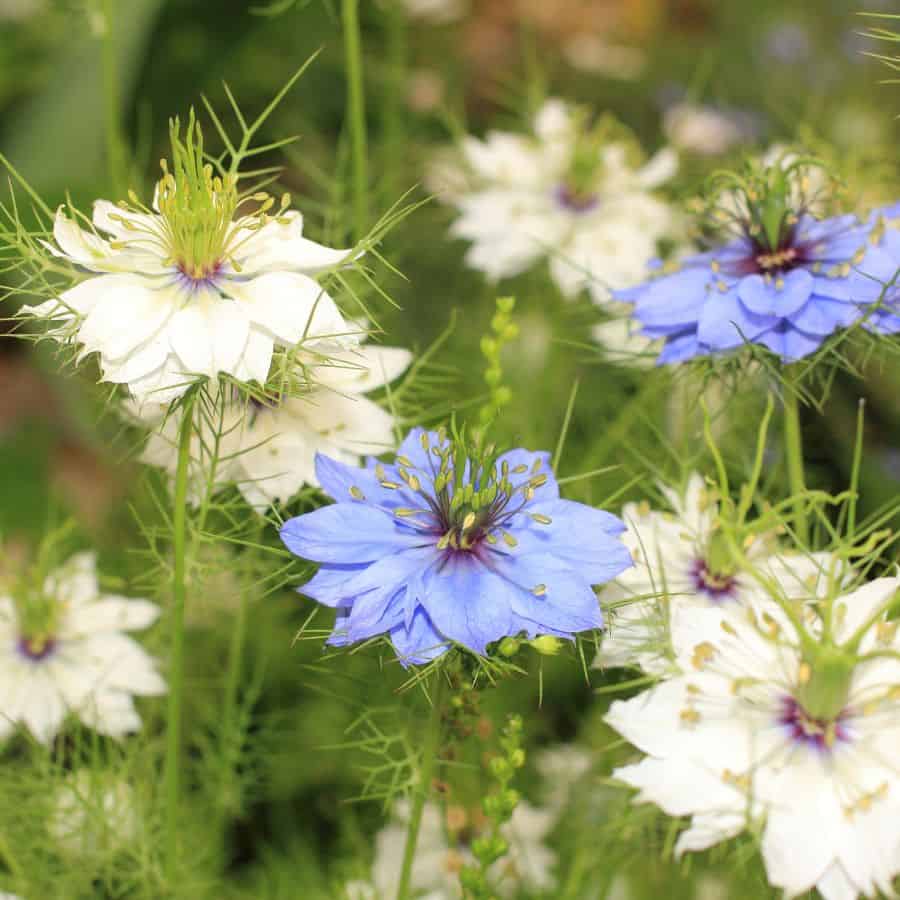
- Nigellas: These delicate blue beauties (also called Love-in-a-Mist) thrive when scattered in fall. Their tiny seeds are like magic dust for your spring garden.
- Foxgloves: These biennial show-stoppers actually need winter’s chill to bloom properly. Without it, they’re all dress rehearsal and no performance!
- Shasta Daisy: Fall planting lets these classics develop root systems that would make bodybuilders jealous; stronger roots mean more spectacular blooms.

I was shocked to discover that a simple layer of mulch around these plants can increase winter survival rates by nearly 80% in these transitional zones. That’s the difference between amateur and pro plant parents!
Mild Winter Marvels: Stars for Zones 8-10
Warm-winter folks, you’re not left out of this fall planting party! Your mild conditions create the perfect extended growing season for:
- Calendula: These sunny bloomers grow all winter and flower early in spring. They’re like that friend who’s always annoyingly energetic, even in the morning.
- Snapdragons: They absolutely flourish in cool winter conditions, producing stunning spring displays that spring-planted versions can only dream about.
- Delphiniums: Fall sowing ensures those jaw-dropping flower spikes develop their full potential. If an unexpected cold threatens, a simple frost cloth works like a cozy winter blanket.
- Hollyhocks: These towering beauties need cool establishment time. Spring sowings often struggle when summer heat arrives too quickly, like trying to run a marathon without training!
Your garden is trying to tell you something important… In zones 8-10, fall is often your absolute BEST planting window, as spring sowings can quickly become stressed by rapidly rising temperatures.
Beginner-Friendly Fall Flowers Anyone Can Grow
New to fall sowing? Start with these no-fail options that germinate like champions:
- California Poppies: These golden treasures practically sow themselves
- Calendulas: So reliable they should be called “Can’t-Kill-Me-If-You-Try” flowers
- Cornflowers: Tough as nails with a soft, beautiful side
- Nigellas: Require almost zero gardening skill to produce fairy-like blooms
5 Game-Changing Tricks for Fall Sowing Success
Most people make this mistake with their fall-sown seeds: they plant and forget! Follow these simple hacks instead:
- Prep the soil properly: Loosen and rake smooth before scattering seeds. Think of it as fluffing the pillow before a long winter’s nap.
- Label EVERYTHING: Trust me, winter has a way of erasing your memory of what you planted where!
- Water once, then hands off: Give seeds a light drink to settle them in, then let Mother Nature take over.
- Master the mulch: Add a thin protective layer; not too thick! You’re creating a blanket, not a burial mound.
- Try succession sowing: In zones 7-10, plant batches a few weeks apart to extend your spring bloom window. It’s like scheduling flower fireworks to go off in waves!

The miracle of fall flower sowing isn’t just some gardening trend. It’s a strategic move backed by plant biology.
That transition from lingering warmth to winter’s chill creates the perfect environment for these seeds to thrive.
So while your neighbors are packing away their gardening tools, grab your seed packets and get sowing.
Your spring garden will be so vibrant, they’ll be wondering what magical fertilizer you discovered over winter!