The Perfect Pick: A Guide to Choosing the Best Irises

Choosing Iris

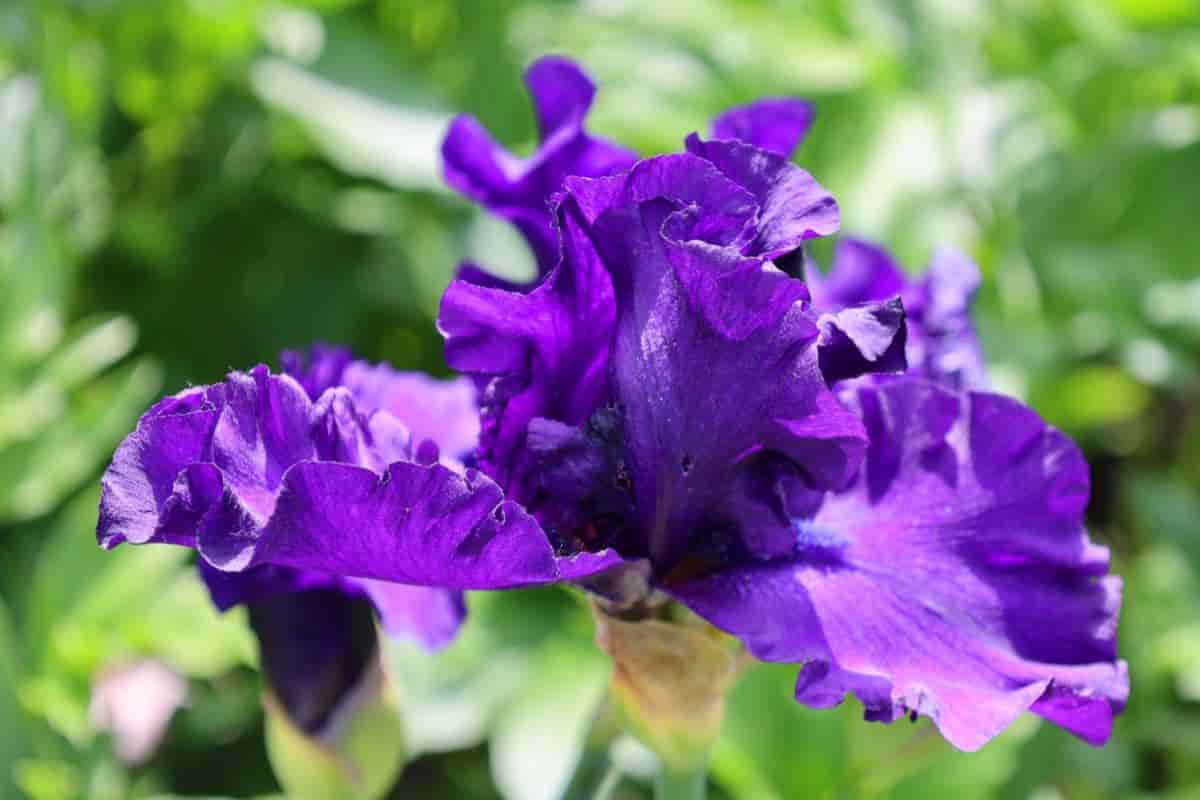
Choosing the right iris varieties of an unfamiliar flower can be as much of a riddle for the experienced gardener as for the beginner.  Happily, so far as the spectacular tall bearded iris is concerned, the annual symposium of the 100 favorite iris constitutes an excellent guide for the would-be grower. This popularity poll is … Read more

A Sea of Blue: Create a Spectacular Garden with Japanese Irises

Blue Japanese Iris

Japanese irises possess a bold beauty unmatched by any other herbaceous perennial, yet for years they have been overlooked by many gardeners.  This neglect is caused by confusion about the names of varieties and misconceptions about the cultural requirements of the species. Developing And Perfecting Irises For more than 150 years, Japanese gardeners have been … Read more

Beauty in Bloom: Using Iris for a Stunning Landscape Effect

Iris Landscape

Tall bearded irises, dwarf and cristata, Siberian irises, Japanese irises, Louisiana irises, and bulbous are the main types of iris you can grow in your garden, and all of them can be planted from July until September.   In The June issue of FLOWER GROWER they were featured in the “Home Garden Guide to the Iris.” … Read more

From Down Under to Your Garden: Charms of New Zealand Irises

New Zealand Iris

Fortunate breaks in hybridizing irises rarely occur. But, at some time during experimentation, if the breeder keeps growing irises at it diligently enough, a mutation or break comes up, which adds something distinctly new and exciting to the floral pattern. Such an event took place 12 years ago in the tiny iris garden of Mrs. … Read more

Blooming Beauty: Mid-West’s Garden Iris Takes Center Stage

Garden Iris

This series of articles is written especially for those who live in the midwest, though others interested in the Iris may find much helpful advice in it also.  It is surprising how little is commonly known about the care of the Garden Iris, also called the German Iris.  Most people think that all you have … Read more

When Did Pink Daylilies Become New?

the new pink daylilies

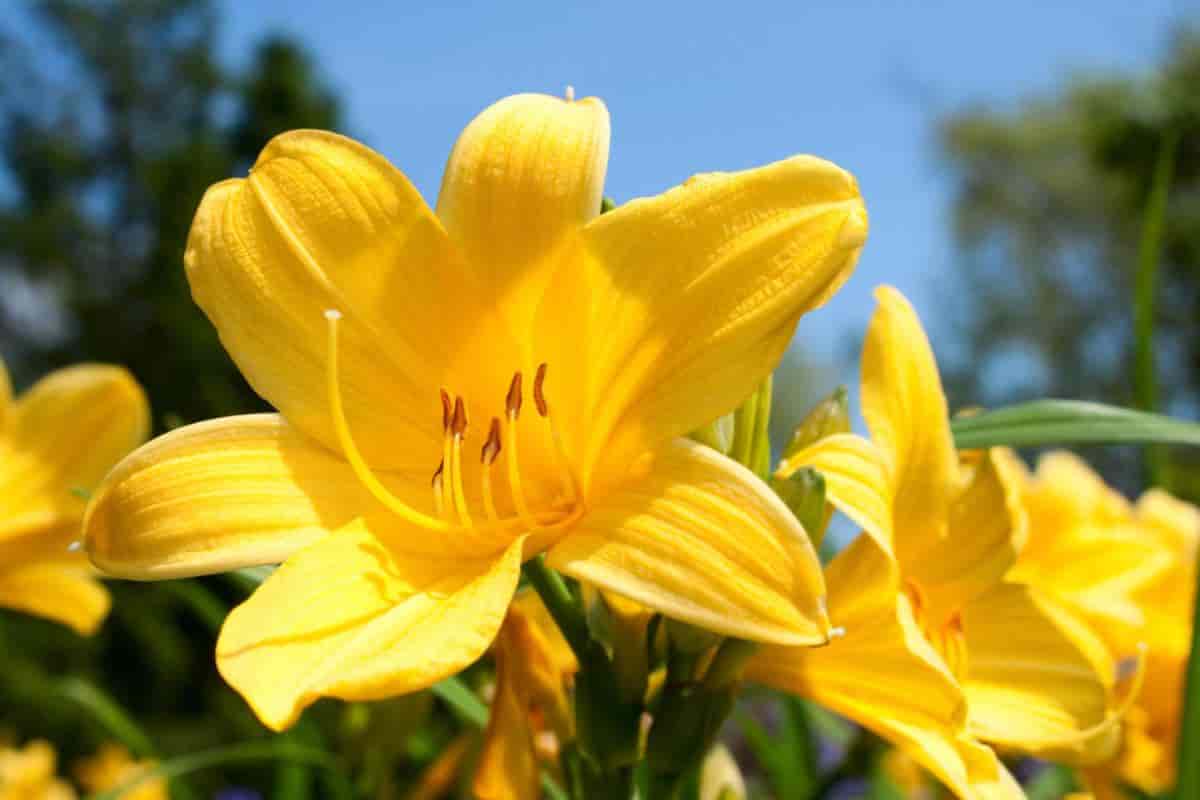
They’re pink! And there’s a variety to match every shade in the color chart. Many garden writers still speak of daylilies “in so-called red shades.” However, if they haven’t seen any of the several hundred red varieties now widely distributed, they are probably unaware of the existence of pinks. Suppose you’d like a pink daylily. … Read more

Primroses Deliver A Broad Range Of Color

news on primroses

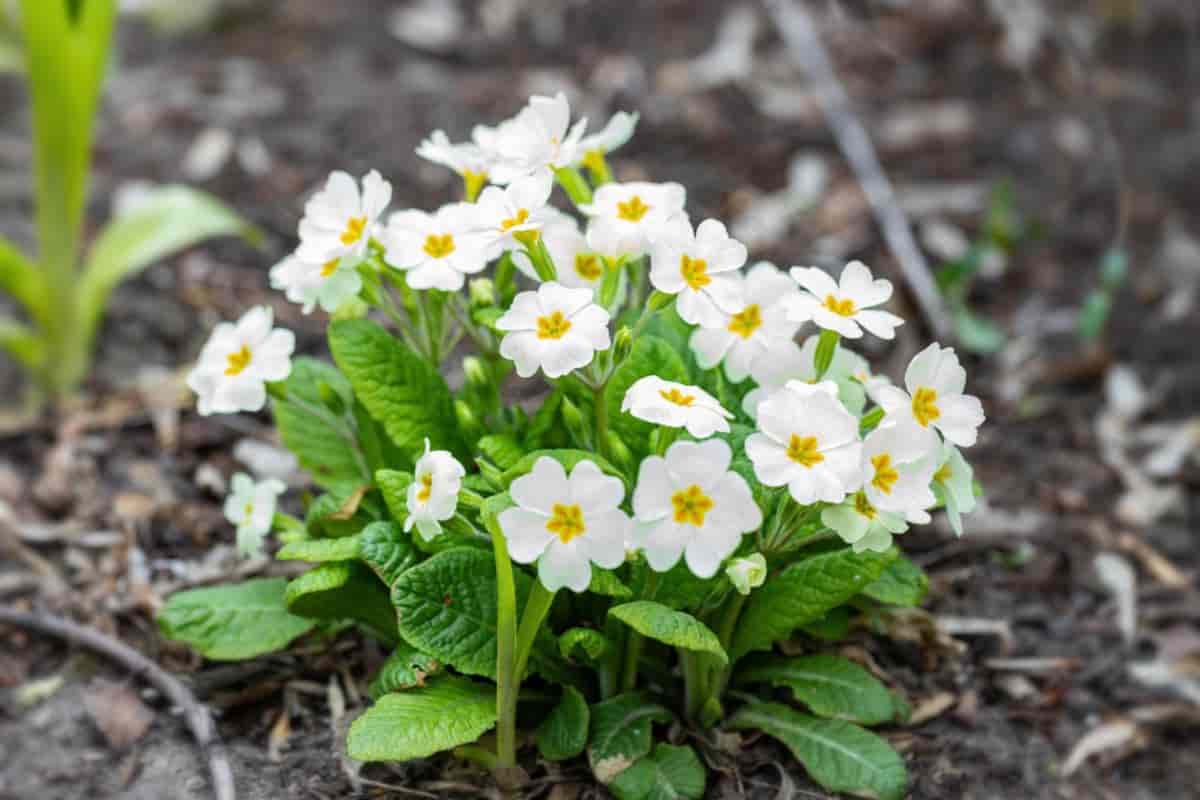
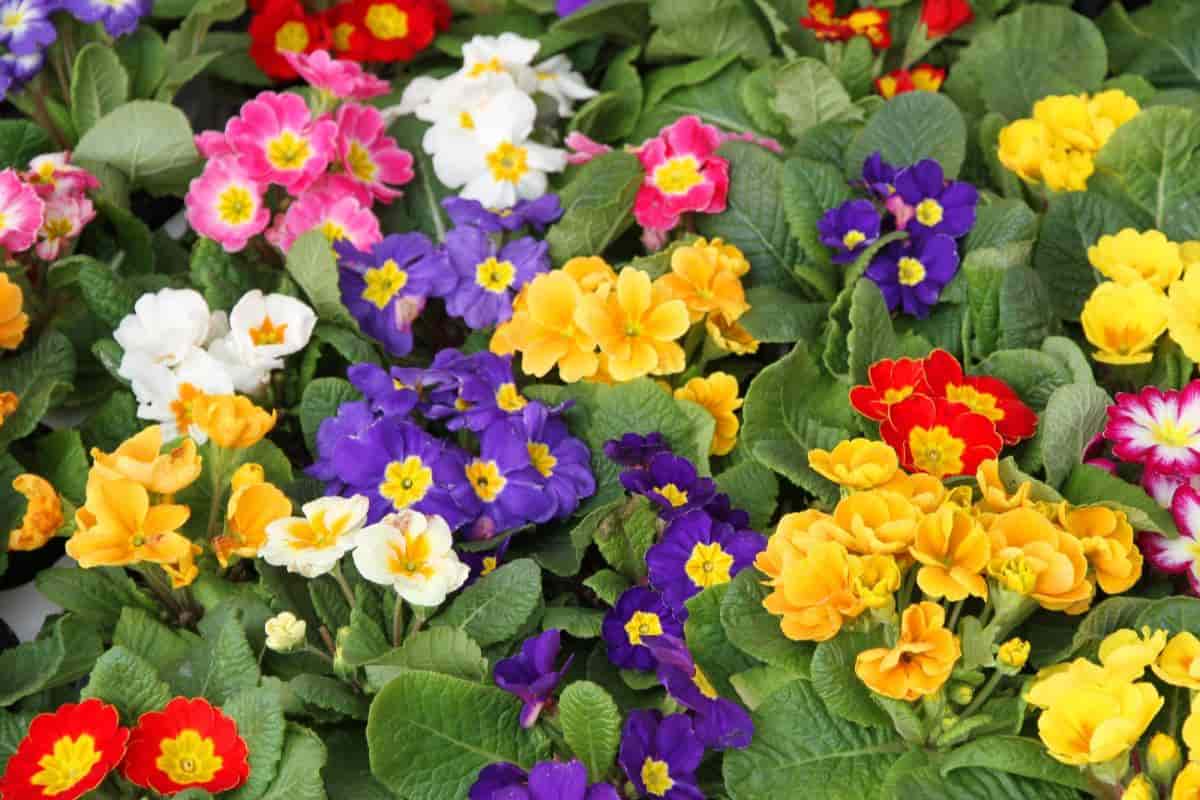
Today the polyantha primrose is the best known, most permanent, and even-tempered of the primula tribe.  Our present-day strains have resulted from crossing the common Eng­lish primrose, Primula acaulis, with the cowslip, Primula officinalis.  At the cur­rent rate of development, the polyantha forms will have an entirely new look within 5 to 10 years. Thousands … Read more

What Are The Daylilies Dusky Sirens?

daylilies dusky sirens

How should one use the dark daylilies—dusky sirens of the daylily family? Yellow and orange daylilies are supreme for landscaping large areas. But in the small home garden, a dark accent is invaluable. Many daylily authorities feel that one dark daylily to six light ones is a good proportion. Who am I to say that … Read more

The Lily Quiz Was Fun

the lily quiz was fun

The hundreds of letters that came in answer to “The Beginning Gardener” lily quiz in the March issue were almost overwhelming. More than 1,100 answers (from all 50 states except Nevada and Hawaii) were received. Over 72% percent had correct lists, meaning about 800 packets of lily and hemerocallis seeds were sent. Many more chose … Read more

Grow Delphiniums From Cuttings Insure Your Best Plants

grow delphiniums cuttings best plants

How many have had a gorgeous delphinium bloom take first prize, and maybe “Best Spike in the Show,” and have prided themselves that they had a beautiful plant only to have that plant Winter-kill or pass out from some other delphinium ill?  Such disappointments are keenly felt, more so because they are unnecessary. For example, … Read more