Growing Impatiens: How To Care For Touch-Me-Not Plants
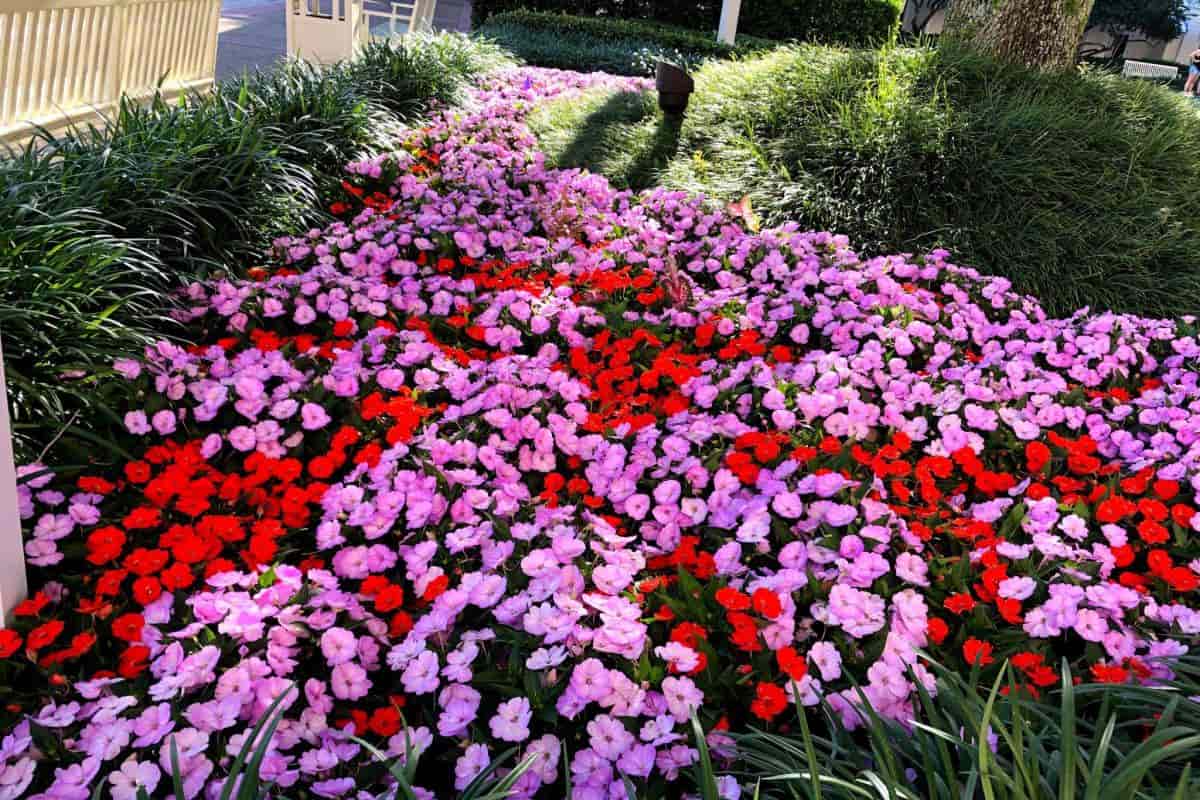
flower bed of blooming impatiens

Impatiens is a tender herbaceous plant belonging to Balsaminaceae or the balsam family. It is a genus native to northern and eastern North America, with over 1000 recognized species. It’s also widely distributed in Africa, Asia, and Europe.  The genus name came from the Latin word, referencing how the plant reseeds itself. The seed pods … Read more
Try Evening Primroses For Lots Of Yellow Bloom

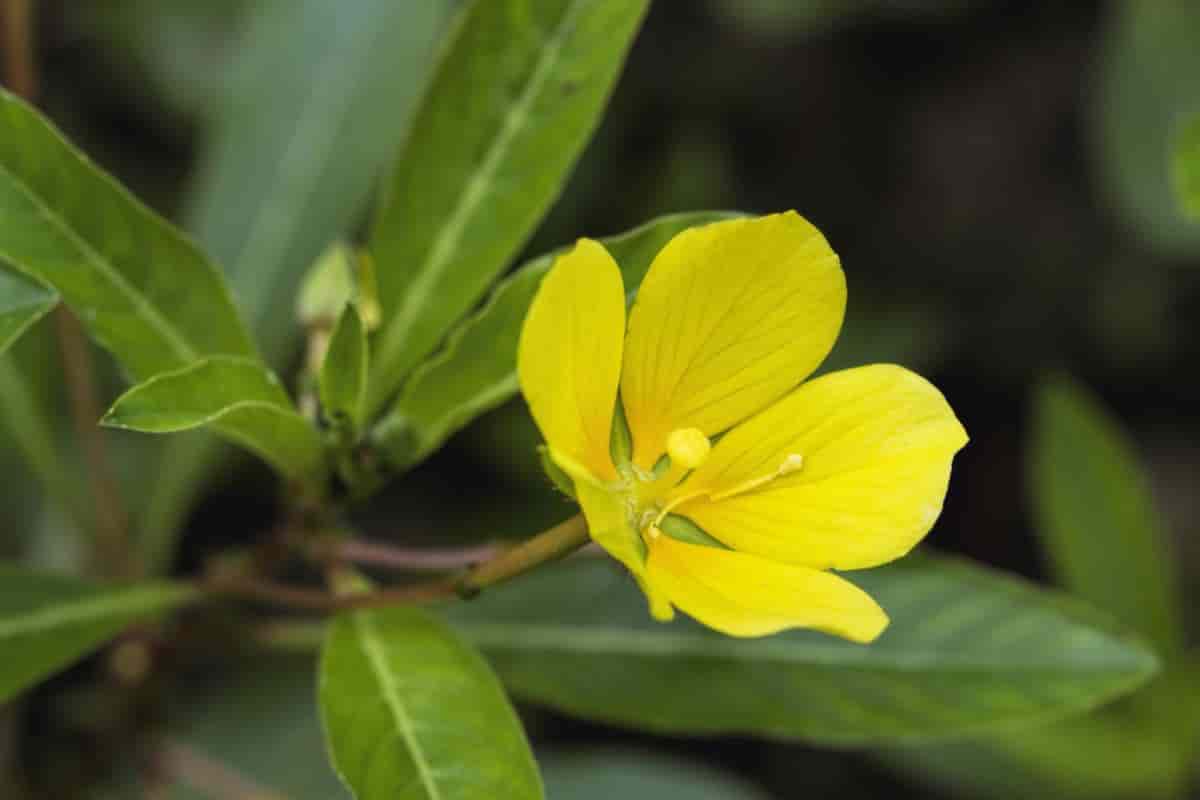
Evening Primroses

Many flower families are of more general importance in the rock garden than the evening primrose. However, few individual species furnish more lively color than some of the members of this family. The genus is a member of the Onagraceae and is not related to the true primroses. Opening Of Evening Primroses Evening primroses do … Read more

How to Grow the Giant Lily

Growing Giant Lily

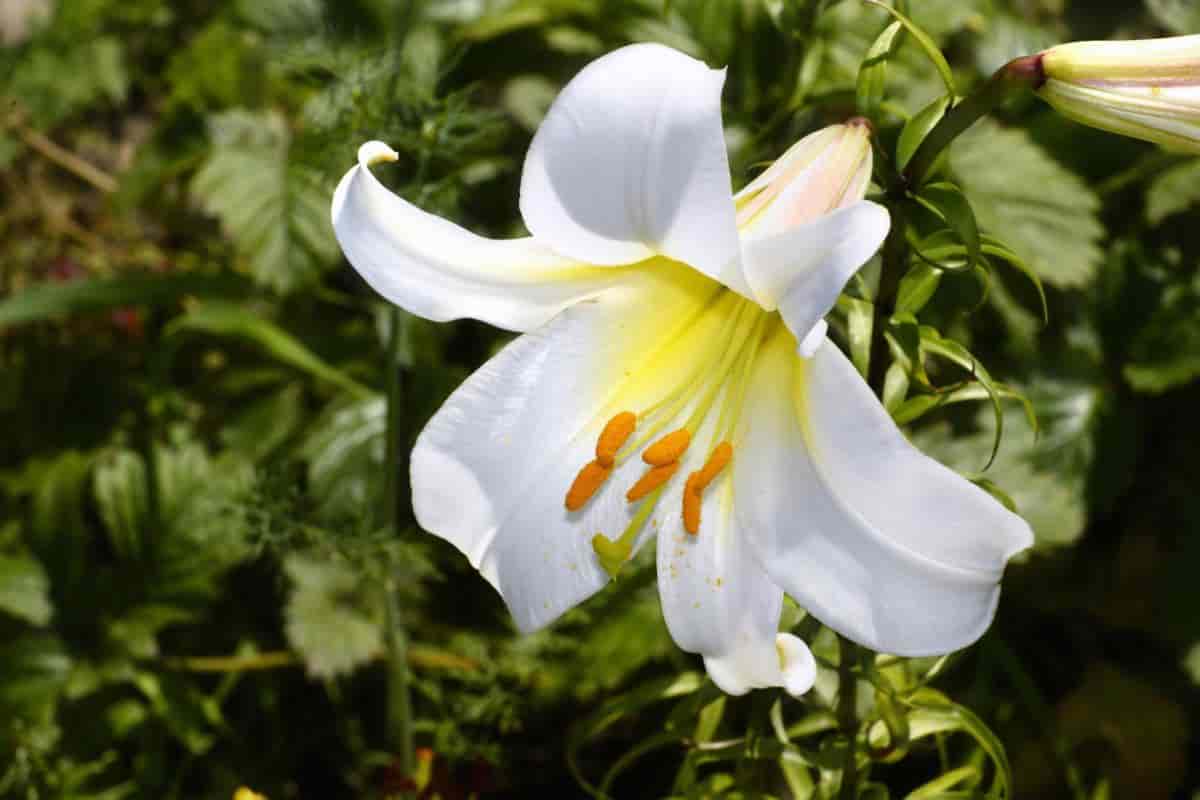
Lilium giganteum is one of the largest and most spectacular of all lilies. It grows to a height of 10’ feet or more and bears as many as 20 to 30 blooms to the stem. The flowers are semi-pendulous trumpets, about 8” inches long, white with purplish red striping inside. The large glossy leaves average … Read more

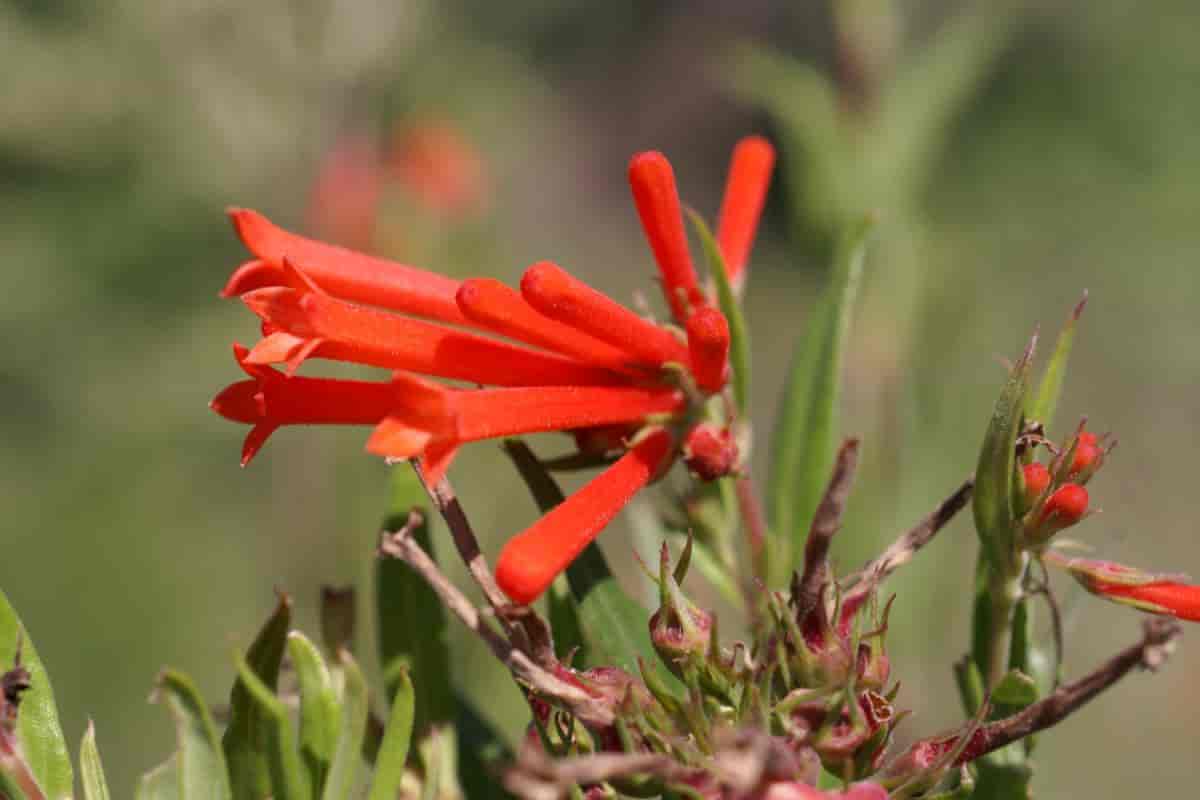
Growing Firecracker Bush Plants: How To Care For Bouvardia

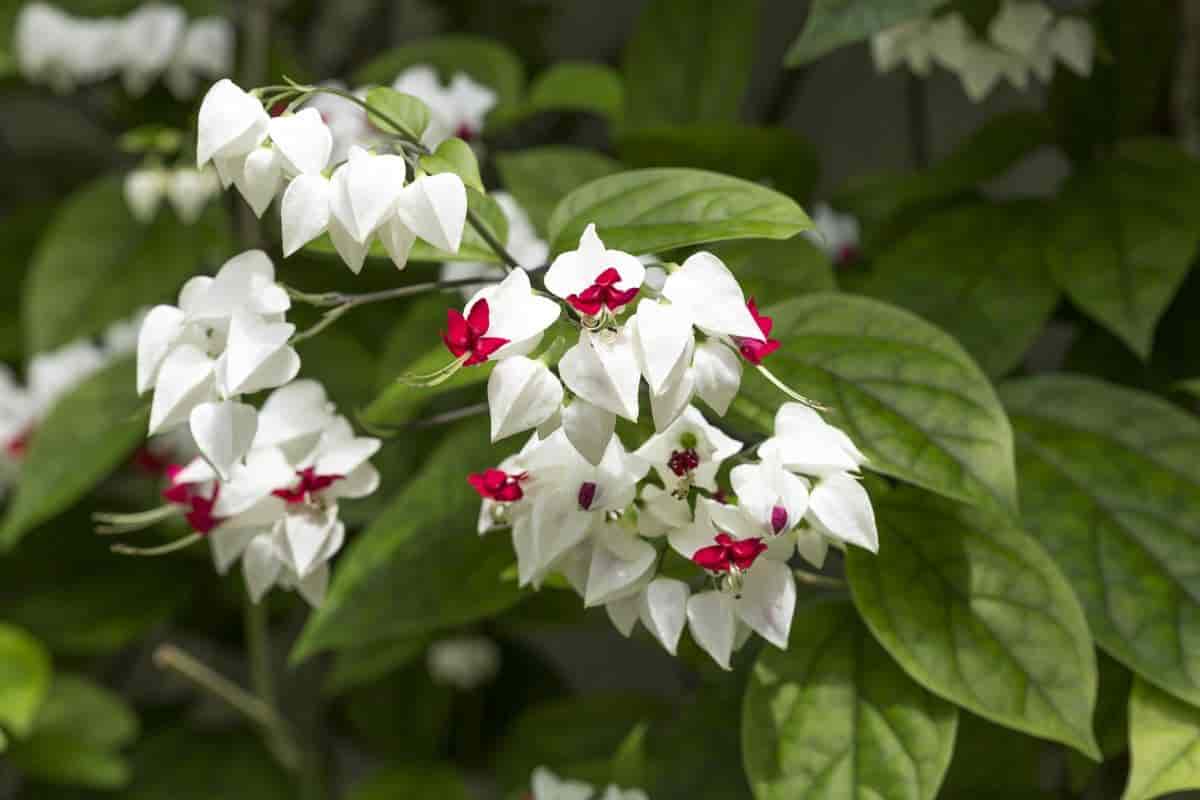
Growing Bouvardia

Bouvardia (boo-VAR-dee-uh) is an evergreen flowering shrub that belongs to the genus Bouvardia and is a member of the family Rubiaceae, also known as the Madder, Coffee, or Bedstraw family. The Rubiaceae family comprises mostly terrestrial trees, shrubs, herbs, or lianas,  The closest relative of Bouvardia is the well-known lovely Gardenia flowers. The genus name … Read more

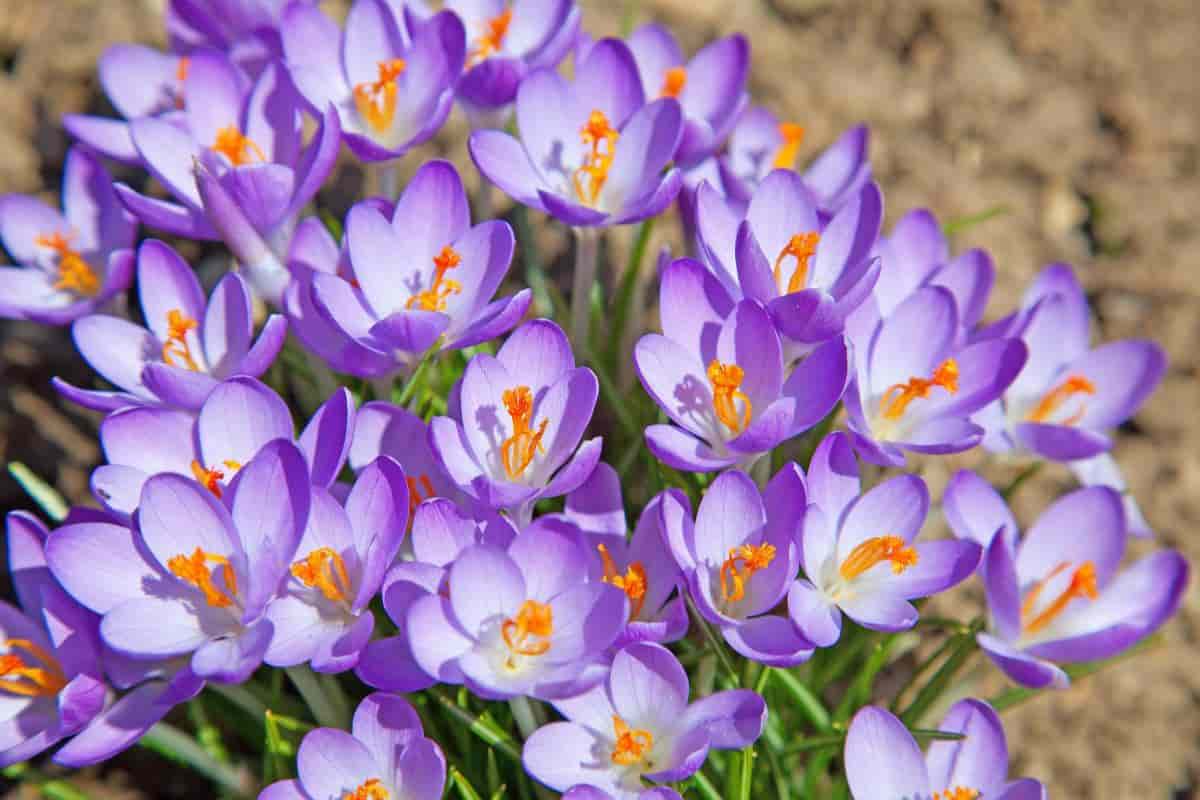
Say Merry Christmas With Crocus!

Crocus In Christmas

The crocus is the most exciting flower because they are the first.  Winter is still lashing furiously about when the earliest of them—gold, purple, and white—spangle the lawn, carpet the loam under shrubs, push up through streaks of left-over snow and freeze into flowers of sheer ice when sleet storms rage.  Yes, crocus are necessary … Read more

Tips On Winter Protection For Chrysanthemums

Winter Protection For Chrysanthemums

Eventually, we may have many varieties of gardens, often called hardy, chrysanthemums which are reliably hardy everywhere. At present, I know of no cut-flower variety, such as Lavender Lady, Red Riding Hood, Allegro, and the various spoons, that can be depended upon to survive our winters without protection. Three varieties that have lived through several … Read more

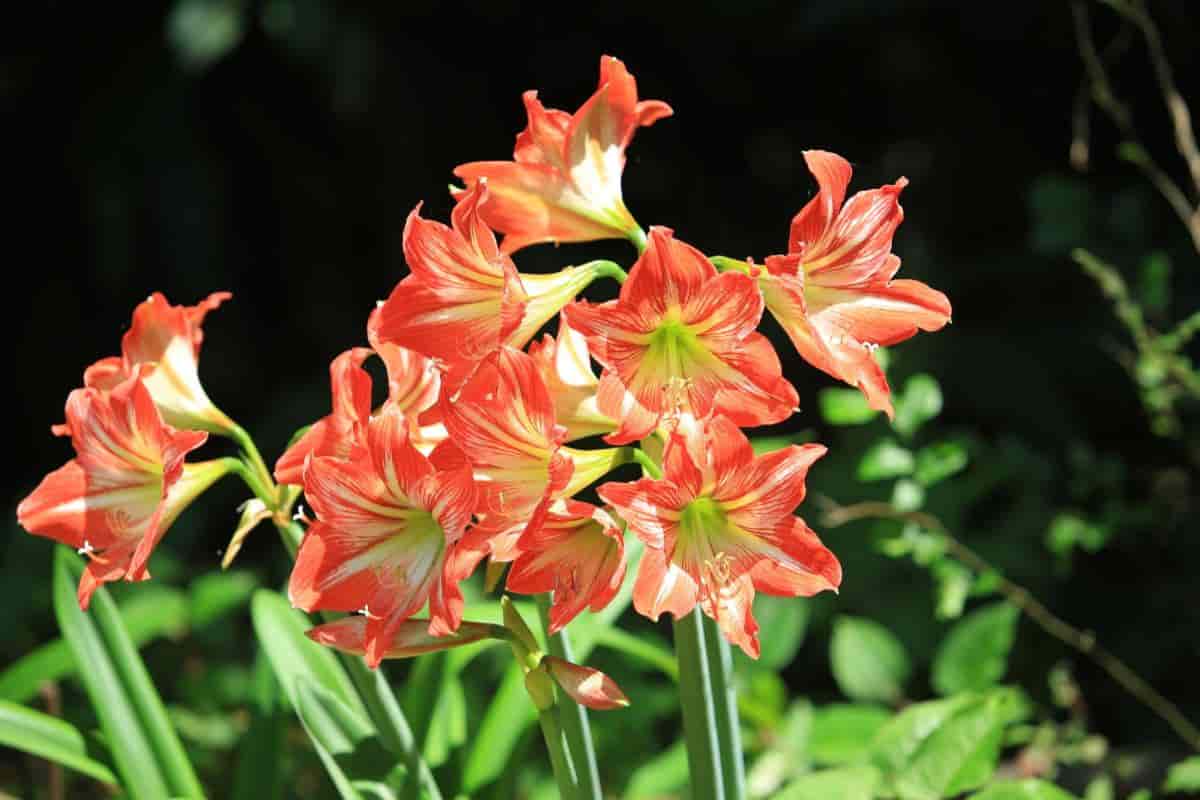
The Scarborough Lily

Growing Scarborough Lily

One of the most valued characteristics of a pot plant is its long blooming period. Bulbous plants often fail in this respect, but one that meets this requirement is the Scarborough lily, Vallota speciosa. This member of the amaryllis family, which is not a true lily, has umbels of scarlet, funnel-form flowers, each about 3″ … Read more

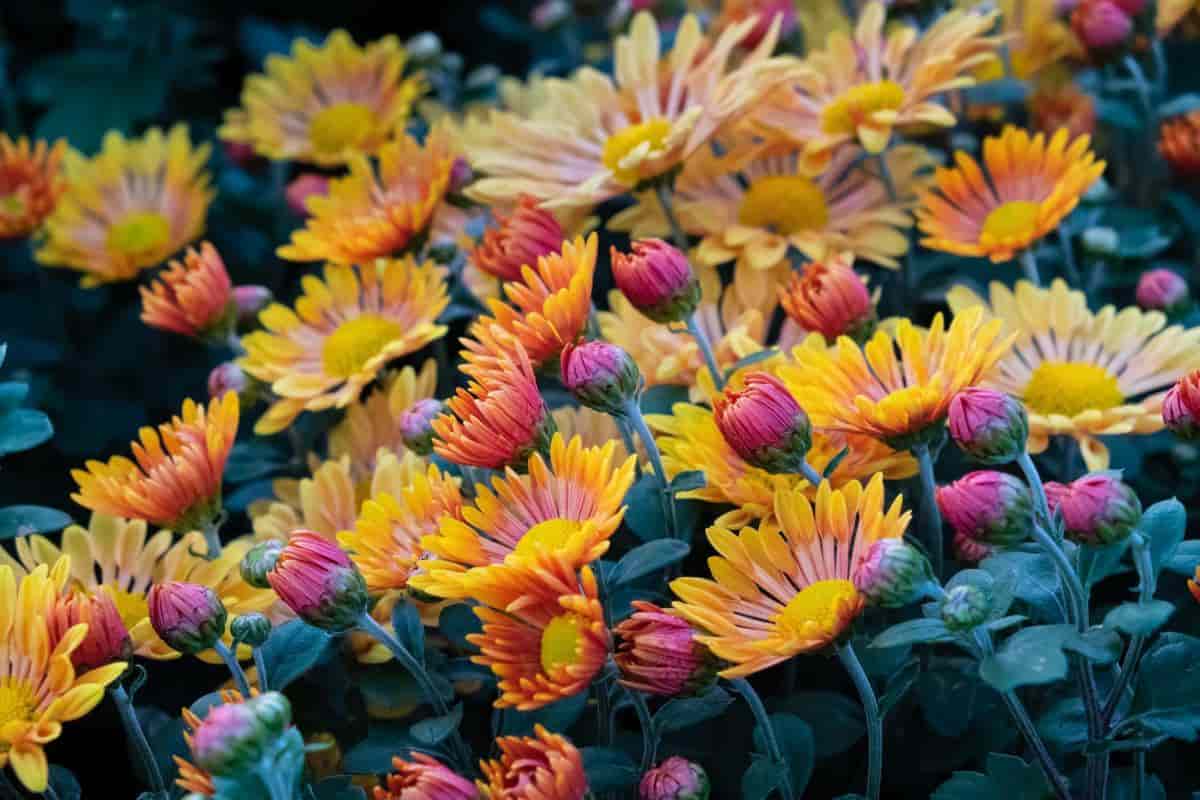
There’s A Bonanza In Your Gift Mum

gift mum

Do you toss out potted chrysanthemums after they have finished flowering? If you do, you are throwing away a potential mum’s garden, for every plant will yield many cuttings for next spring’s planting. This past summer we enjoyed a lovely pink patch of 24 mums all derived from one Thanksgiving gift plant! Greenhouse gardeners usually … Read more

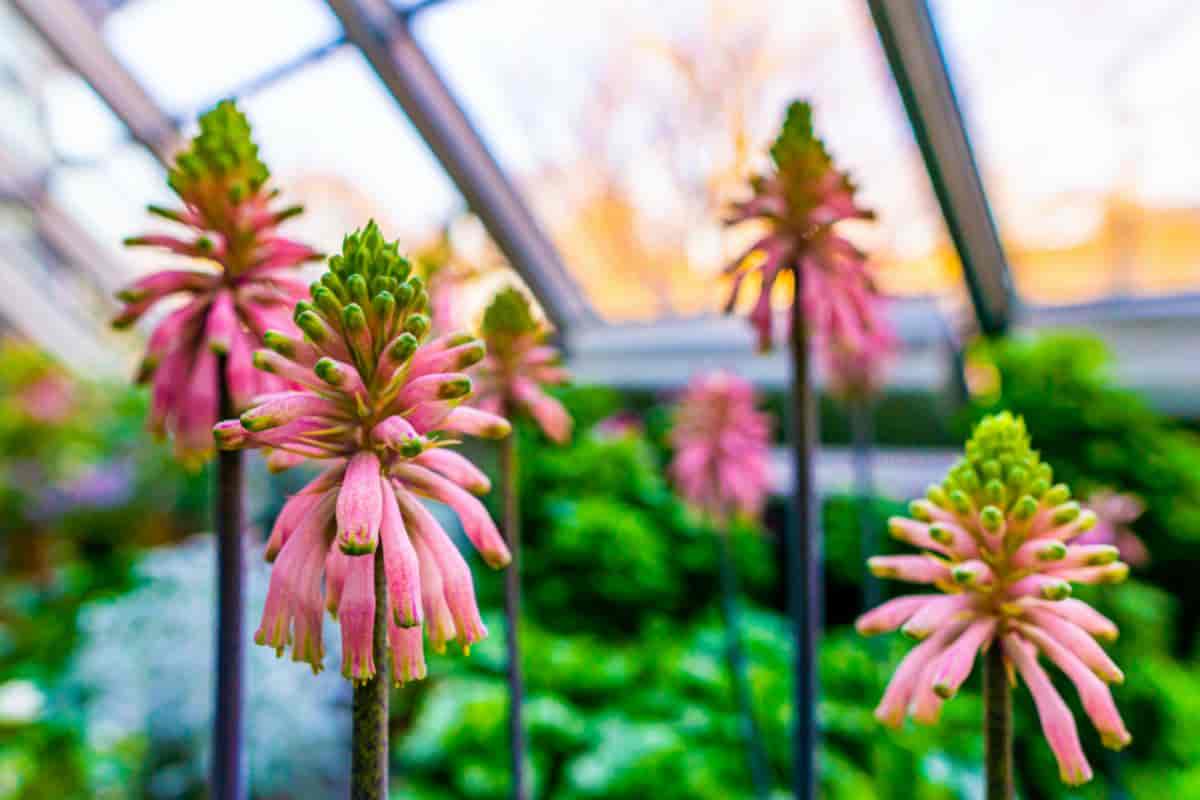
Growing Cape Lily Plants: How To Care For Veltheimia

Growing Veltheimia

Quick Tips On Veltheimia Care Family: Asparagaceae Light: Full sun to light shade Temperature: 50° to 55° degrees Fahrenheit at night Water: Watered rarely; Moderately moist soil Fertilizer: Liquid fertilizer Propagation: Seeds, offsets, or leaf cuttings Common Problems: Fungal diseases, snails, slugs, caterpillars Veltheimia (vel-thay-mee-uh) is a bulbous perennial that belongs to the genus Veltheimia … Read more

Types Of Clerodendrums

types of clerodendrums

The clerodendrum are not only reliable perennials but beautiful and different. They require no pampering, asking only ordinary garden soil, with a bit of food and water. They will take droughts but will not bloom as well as when watered regularly. They thrive in sun or half shade. Most of them will take the cold … Read more